
Century
A score of 100 — of runs by a cricket batter, or of points in a single snooker visit.
Definition
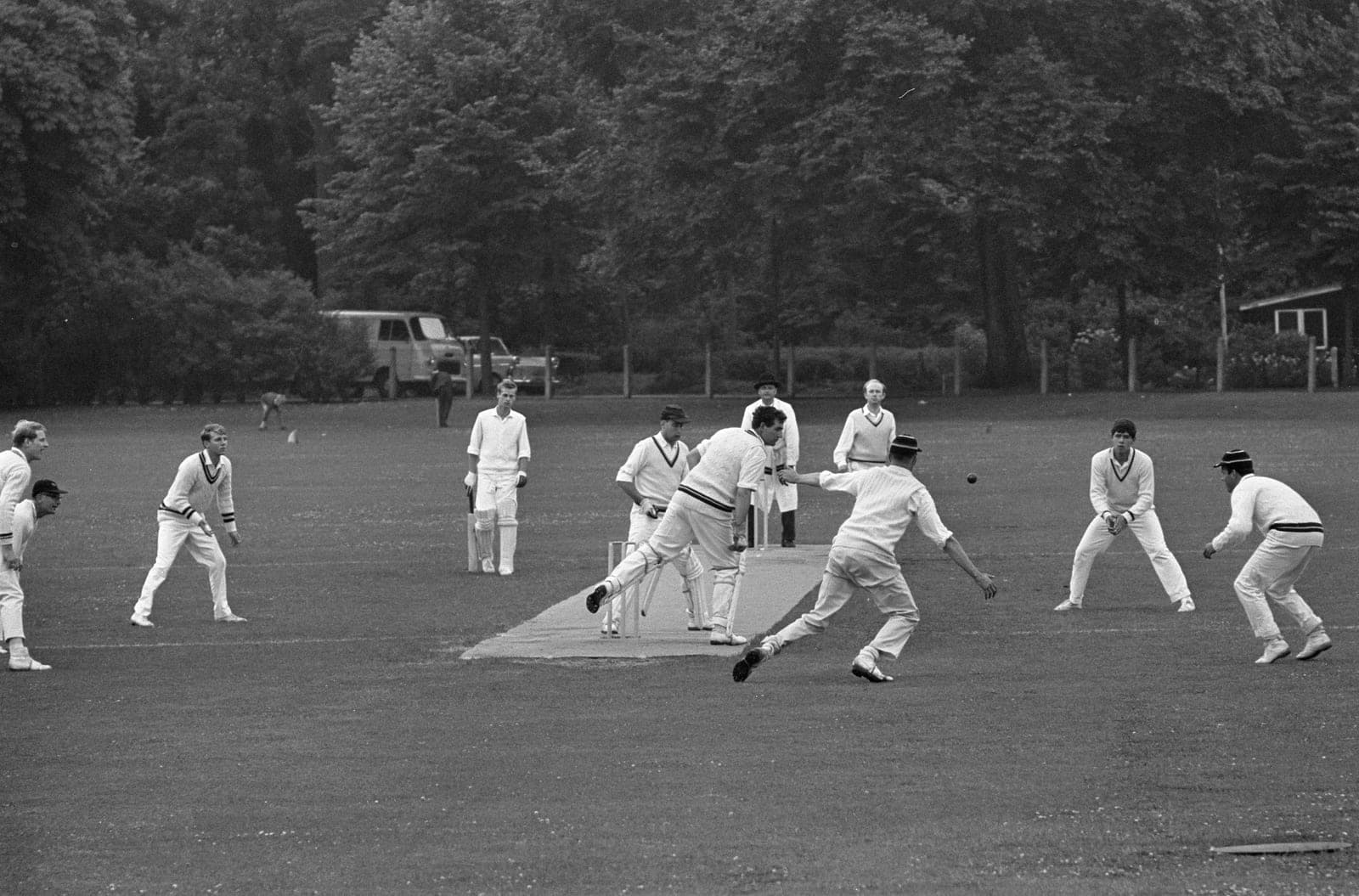
In cricket, a century is an individual batter's innings of 100 or more runs, regarded as a landmark of batting achievement; scores of 200 or more are "double centuries," and being dismissed in the 90s is a well-known near-miss. Reaching a century is celebrated at the crease and recorded prominently in a player's statistics.
In snooker, a "century break" is 100 or more points scored in a single unbroken visit to the table, showcasing sustained potting and positional play. The word therefore signals the number 100 in both sports, but in cricket it counts runs accumulated across an innings, whereas in snooker it counts points made without missing in one visit.
Meaning by sport
This term is used differently across sports:
- Cricket
- An individual batter's score of 100 or more runs in an innings.
- snooker
- A break, or single visit to the table, of 100 or more points without missing.
Where you’ll hear “century”
Sports that use this term:
Explore across the knowledge base
Follow the threads that connect Century to the rest of SocialSportHub.
Tactics
- Fast breakPushing the ball up court at speed after a turnover or rebound to score before the defence sets up.
- Playing spin bowlingWhat a batter actually does against a spinner — using the crease and the feet to change the length, picking the ball from the hand, and the options when the pitch is turning sharply.
- Strike rotationWhy singles matter more than they look in cricket — how rotating the strike unsettles a bowler's rhythm, protects a struggling batter, and is decided by the over structure itself.
Techniques
- Pace bowlingWhat fast bowling is actually for — how speed reduces a batter's reaction time, what the short ball and the yorker each achieve, and how a pace attack uses length as its main variable.
- Forward and back defenceThe two strokes a batter survives with — the forward defensive and the back defensive — when each is the right choice, and why a defensive stroke is a decision about length rather than intent.
- Spin bowlingHow a slow bowler turns the ball — finger spin against wrist spin, off breaks, leg breaks and the deliveries that go the other way, and why flight matters more than turn.
Rules
- Continuous play and the time between pointsWhat the ITF Rules say about pace of play — 25 seconds between points, 90 seconds at a changeover, 120 at a set break — and why tour rulebooks are a separate document.
- How a batter is out in cricketThe lawful ways to dismiss a batter — bowled, caught, LBW, run out, stumped and the rarer modes — what separates them, and which ones a bowler is credited with.
- Wide ballThe delivery ruled too far from the batter to be hit — the exact test the umpire applies, the two situations that cancel a wide, and why a wide costs a run and must be bowled again.
- Leg before wicket (LBW)Cricket's most argued-about dismissal, set out as the Laws set it out: five conditions that must all be satisfied, and the one clause that changes everything if the batter played a shot.
Scoring systems
- How alpine ski races are timed and placedAlpine races are decided on elapsed time, with technical events combining two runs into a single total.
- Runs and boundaries in cricketHow runs are actually scored in cricket — by running, by finding the boundary, and by the penalties the fielding side concedes — and how each kind is credited in the scorebook.
- Extras: byes, leg byes, wides and no-ballsThe runs a fielding side gives away rather than the batting side earning — what separates a bye from a leg bye, why a wide and a no-ball each cost a penalty run, and how each is recorded.
Go deeper with Century
Everywhere else on the platform that covers Century — assembled from what actually references it, so nothing here is a dead end.
Take it away
Open data and the whole-platform view of this subject.
How this page is maintained
- Content type
- Term
- Provenance
- Tier A — evergreen educational
- Verified external sources
- 0
- Content updated
- 2026-09-01
Evergreen, first-party explanation — it makes no claim that needs an external source. How we handle sources and reviews.