
At a glance
Every row is drawn from each sport’s own profile — no scores, just the facts side by side.
| Boxing | Fencing | |
|---|---|---|
| Category | Combat Sports | Combat Sports |
| Getting started | Some learning curve | Some learning curve |
| Intensity | High intensity | Adjustable intensity |
| Where you play | indoor | indoor |
| Format | One-on-one, with partner and pad drills | One-on-one (1v1) |
| Essential kit | Boxing gloves, Hand wraps and Comfortable training clothes | A fencing sword, Protective mask and Fencing jacket and glove |
What they share
- Both are combat sports.
- Both can be played indoors.
- Both build reaction time.
- Both suit people working towards improve reaction speed.
Which might suit you
There is no better or worse here — only what fits your goals, your schedule and what you enjoy.
- 1Boxing and Fencing are closely matched on everything this comparison measures — how easy they are to start, how intense they are, and whether you can play them indoors. Pick on access, cost and which one you would look forward to.
Explore each sport
Full beginner-friendly guides to both.
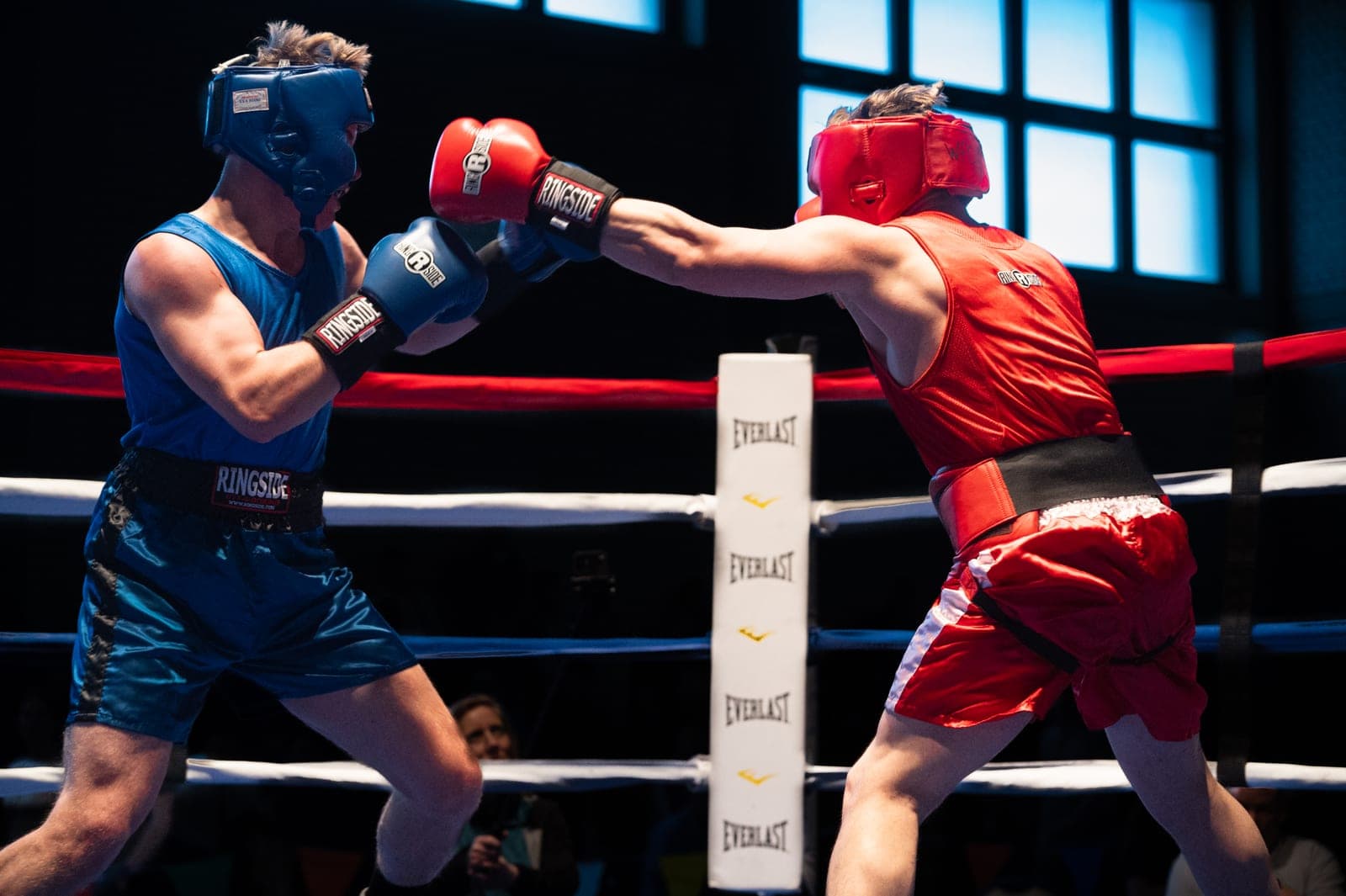
Boxing
A striking combat sport built on footwork, timing and conditioning, practised from fitness drills to controlled sparring.
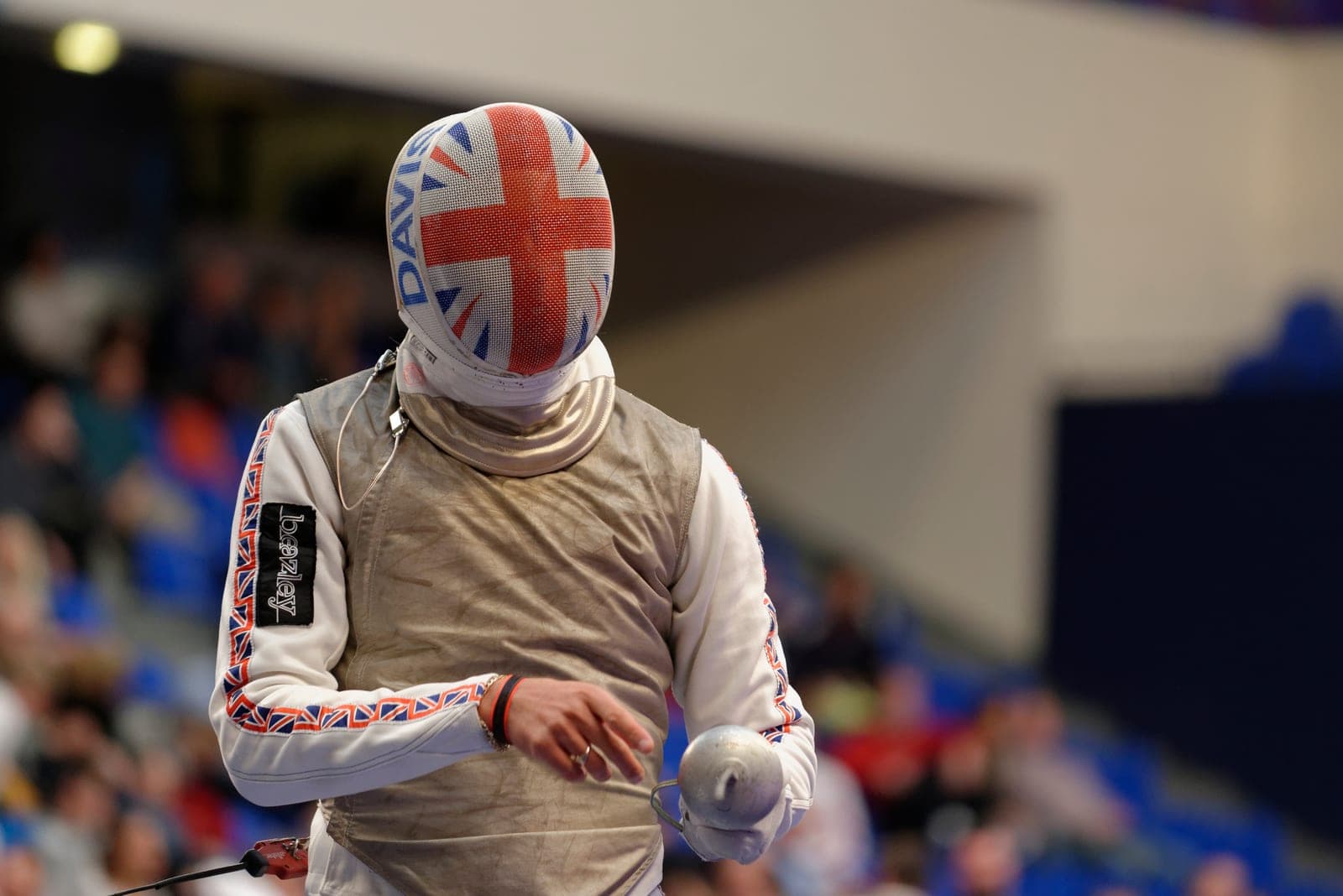
Fencing
A fast, tactical combat sport of controlled blade play that blends quick footwork with split-second decisions.
Frequently asked questions
What is the difference between Boxing and Fencing?
Both Boxing and Fencing are combat sports, so they share a lot. They differ mainly in feel and demands — the comparison above sets out how they line up on difficulty, intensity, setting and kit so you can pick what fits you.
Is Boxing or Fencing easier for beginners?
Both Boxing and Fencing are approachable for beginners when you start gently. A first lesson or a patient partner helps with either, and the right one is simply the one you are more drawn to try.
Can I do both Boxing and Fencing?
Yes — plenty of people enjoy both. Because they share qualities like reaction time, time spent on one can support the other, and mixing them keeps things varied.
Keep exploring
The same pairing, compared attribute by attribute.
Browse every head-to-head.
Browse every sport by category.
Find your sport by what you want.
Build endurance, strength and more.
Sport that fits who you are.
Fit sport around your life.