
Reaction time
How quickly you respond to something you see, hear or feel — recognising the signal matters as much as the speed of the movement itself.
Overview
Reaction time is the gap between a signal — a served ball, a starting gun, an opponent’s move — and your response. It matters wherever fast, well-timed responses decide the outcome.
It improves with practice of the specific situation, as your brain learns to read cues earlier.
Why it matters
- Decisive in racquet, combat and bat-and-ball sports
- Helps you read the play and respond sooner
- Works closely with coordination and agility
How to train it
- Practise reacting within the real skill — return drills, sparring games, starts
- Learn to read early cues, not just move faster
- Keep sessions sharp and well-rested, since fatigue slows reactions
From stimulus to movement
What actually happens inside a reaction
- 1
Stimulus
Something happens — a ball is struck, a starter fires, an opponent shifts their weight.
- 2
Detect
The senses pick the signal out of everything else going on.
- 3
Recognise
The signal is matched against what it resembles, which is where reading the game pays off.
- 4
Choose
A response is selected. More plausible options means a slower choice.
- 5
Initiate
The command is issued and the movement begins.
Sports that build reaction time
These sports are especially good for developing this quality.
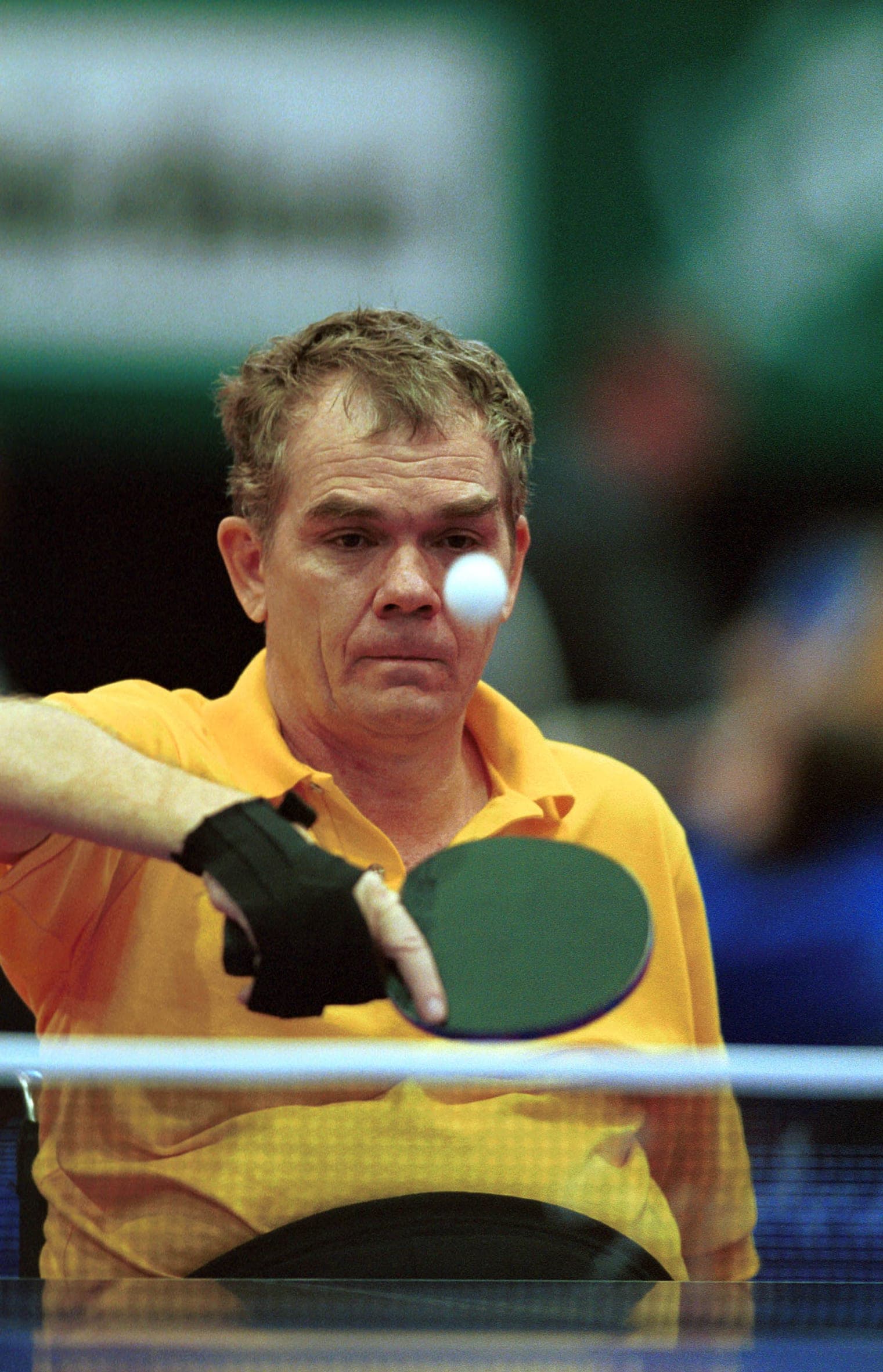
Table Tennis
A fast, low-impact indoor racquet sport that sharpens reflexes and is easy to start.
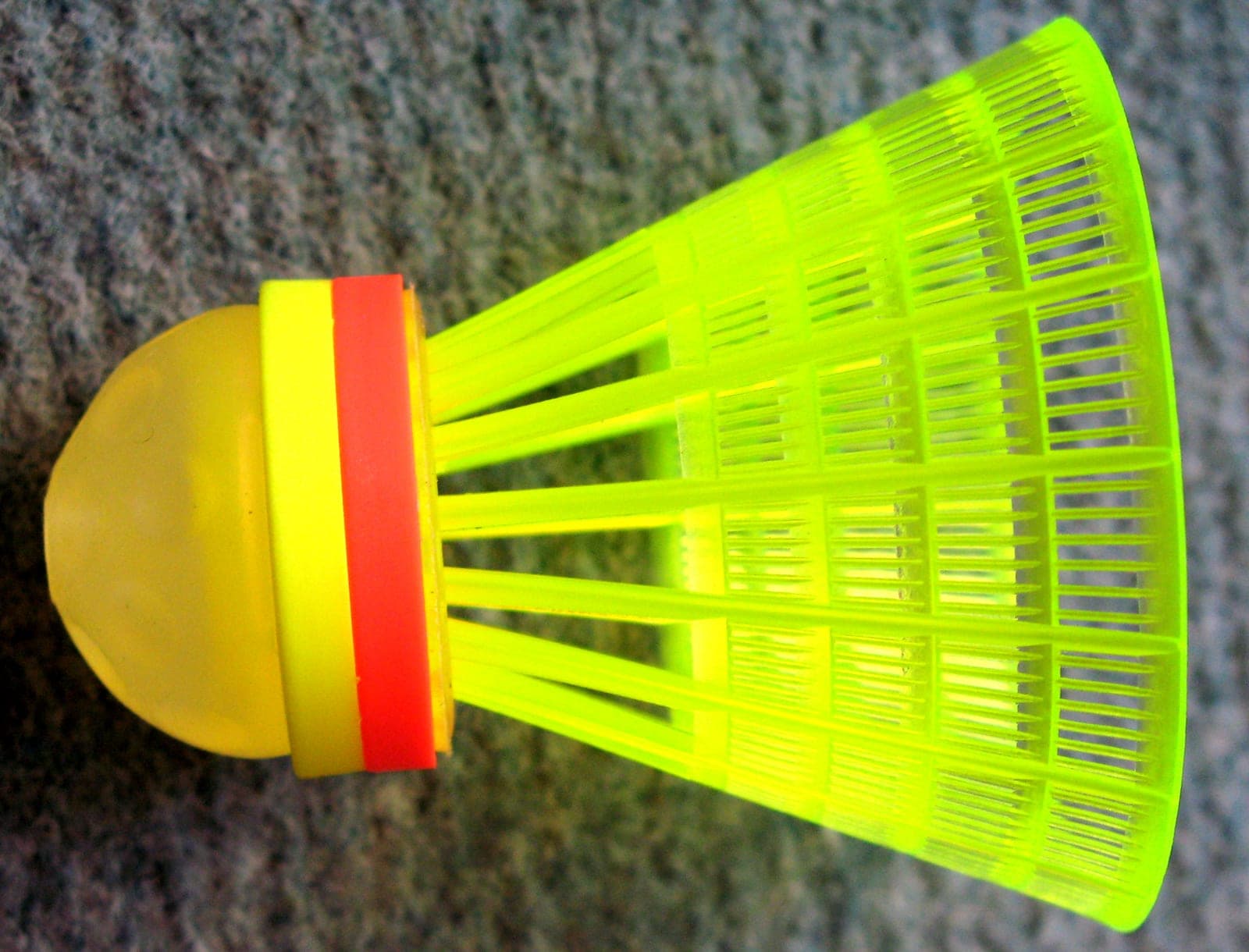
Badminton
A fast indoor racquet sport played with a shuttlecock that rewards agility and touch.
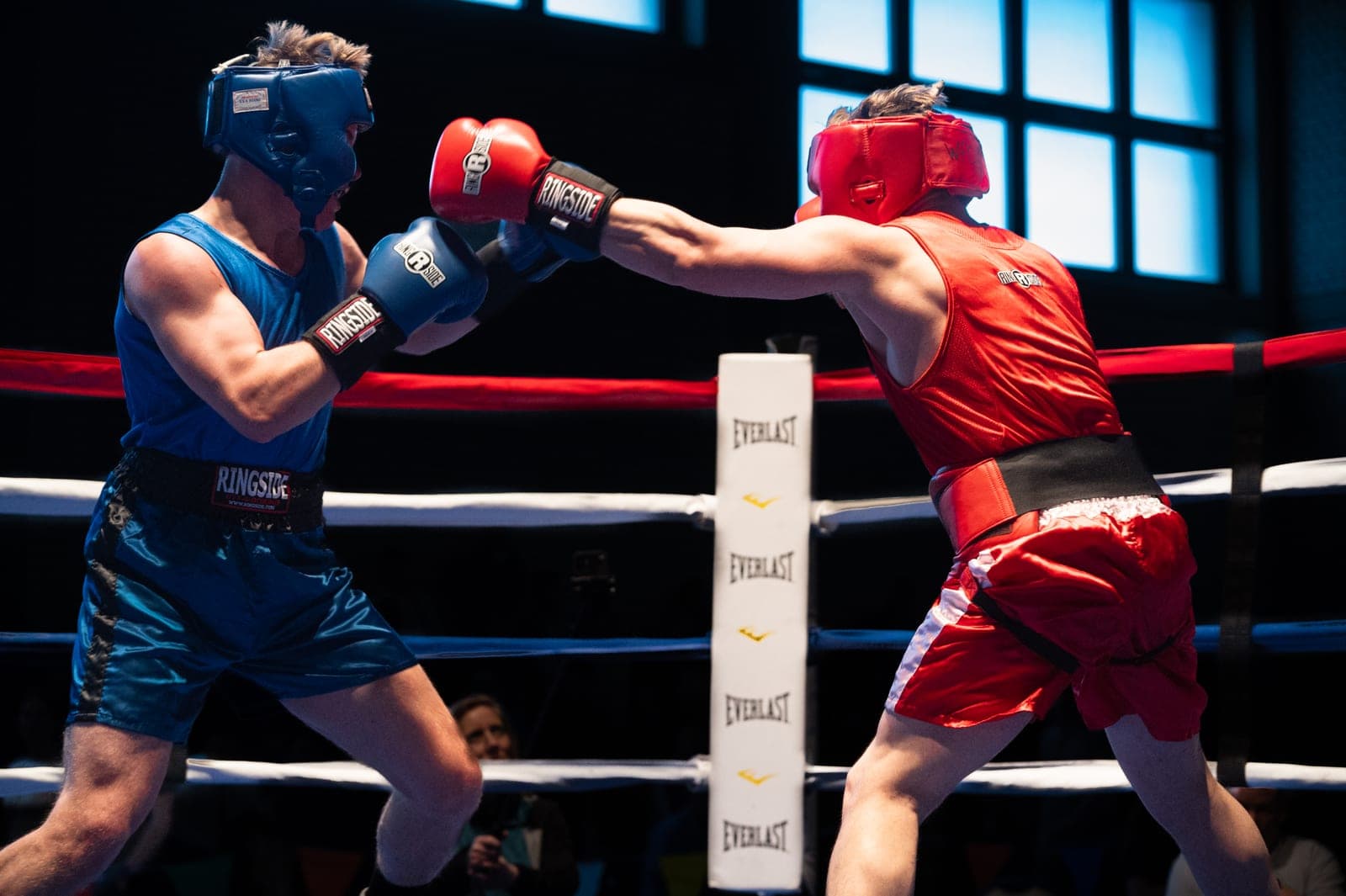
Boxing
A striking combat sport built on footwork, timing and conditioning, practised from fitness drills to controlled sparring.
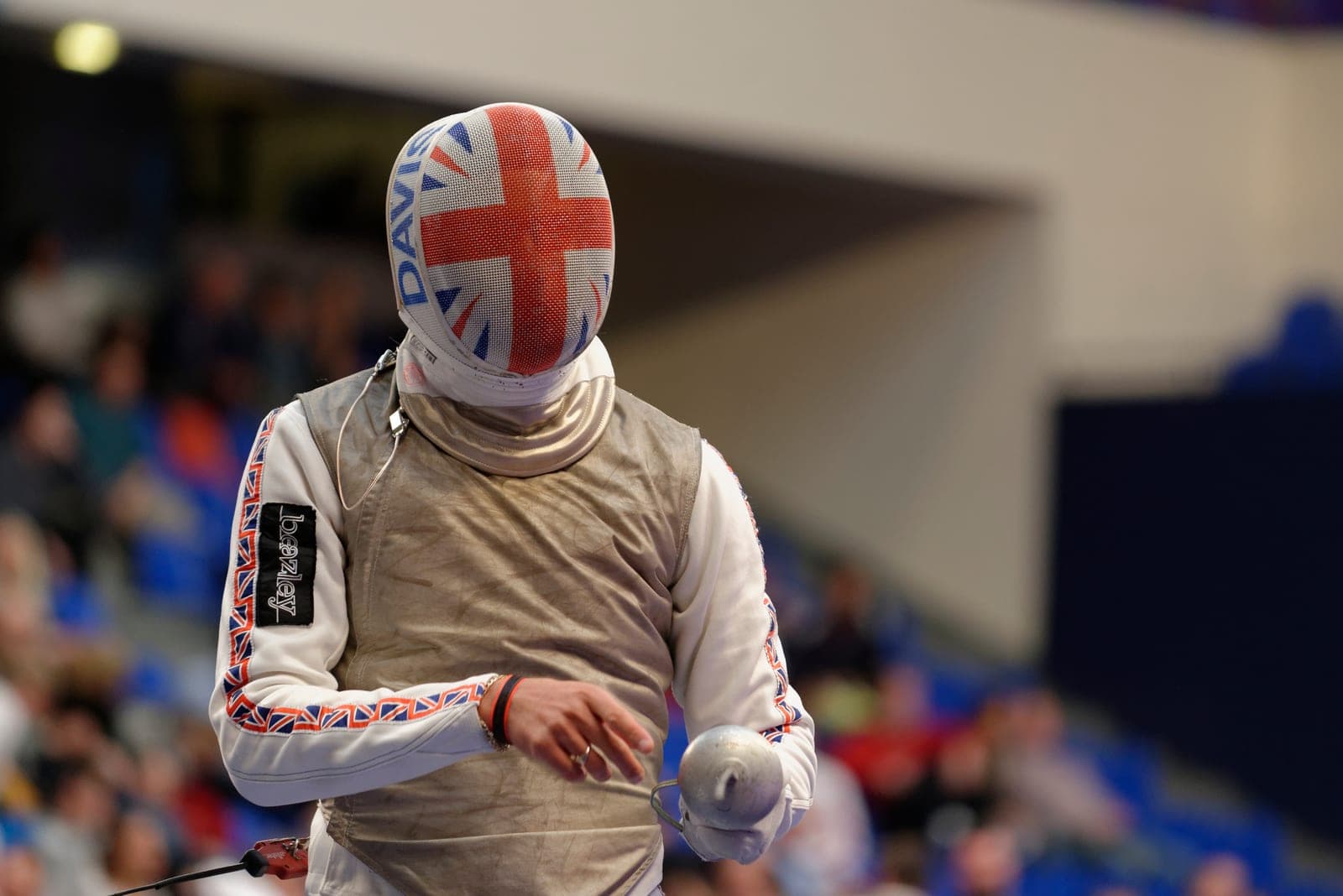
Fencing
A fast, tactical combat sport of controlled blade play that blends quick footwork with split-second decisions.
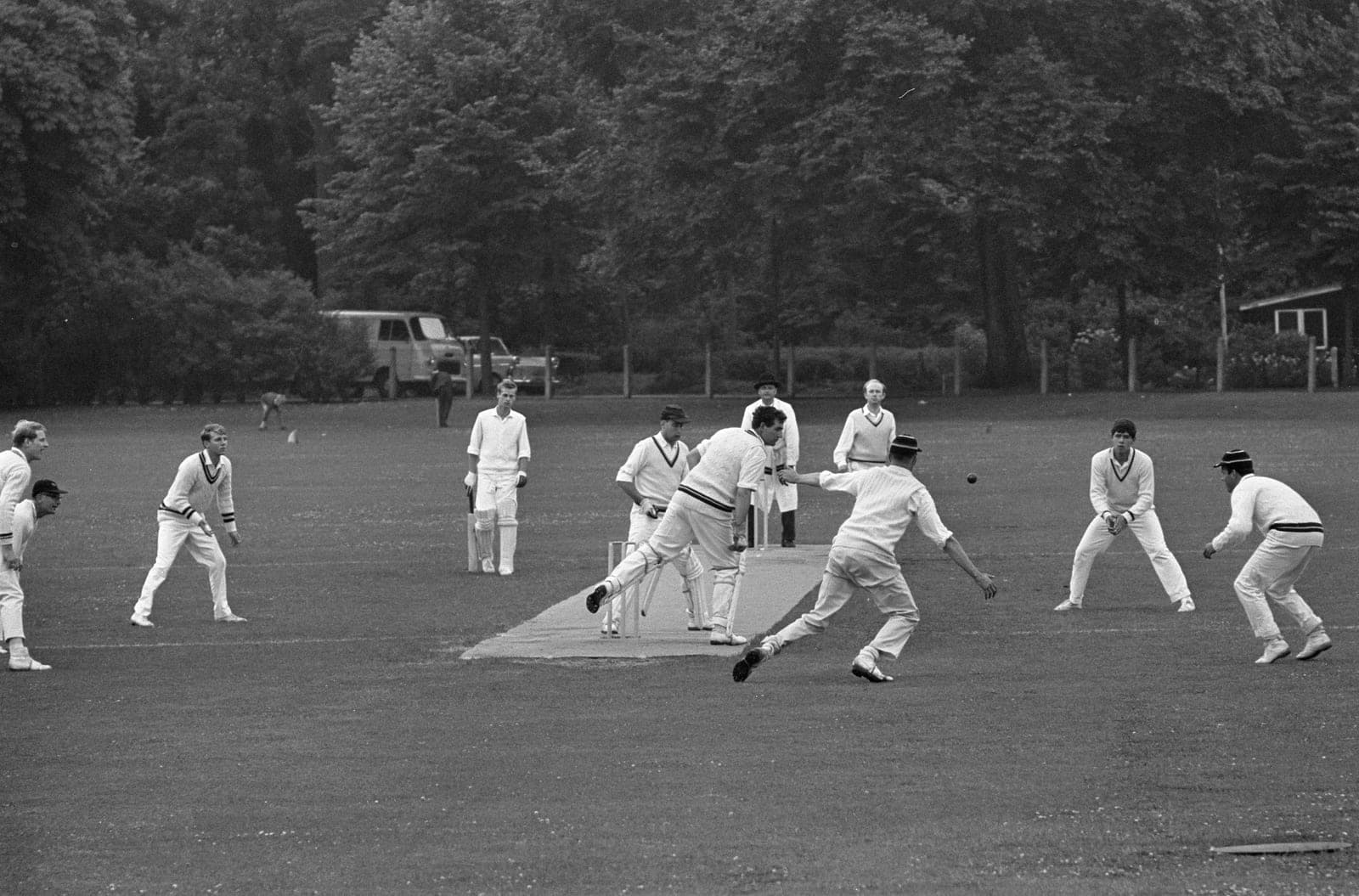
Cricket
A bat-and-ball team sport where sides take turns to bat and to bowl and field, scoring runs.
How it connects
The meaning-bearing relationships that place Reaction time in the wider knowledge graph — each one with the reason it exists.
Frequently learned together
Taught side by side in the same stage of a learning path.
Explore across the knowledge base
Follow the threads that connect Reaction time to the rest of SocialSportHub.
Goals
- Improve coordinationSharpen how smoothly your body works together — like tracking and hitting a ball — through skill practice.
- Improve reaction speedRespond faster to what you see, hear and feel by training with fast, unpredictable activities and drills.
- Learn self-defenceTrain a martial art or combat sport under supervision — what the practice actually involves, and what it honestly can and cannot give you.
- Compete on your ownSports where the result is yours alone — racing, timing, scoring or grading against a standard rather than a squad.
Disciplines
- KumiteKumite is the sparring discipline of karate, in which two athletes exchange controlled strikes and kicks under judged rules.
- FoilFoil is a fencing weapon in which touches are scored only with the point on the opponent's torso, governed by right-of-way rules.
- ÉpéeÉpée is a fencing weapon with point-only touches valid anywhere on the body and no right-of-way, so both fencers can score at once.
- SabreSabre is a fencing weapon scored with the edge and the point on targets above the waist, governed by right-of-way and known for its speed.
- Snowboard CrossSnowboard cross is a racing discipline in which several riders descend a terrain course together, with the fastest advancing through rounds.
Movement patterns
- BackpedalControlled backward locomotion performed while facing forward, staying low and pushing off the balls of the feet in short strides to stay reactive and keep play in view.
- CatchReceiving a moving object and securing it under control, absorbing its momentum by yielding along its path so kinetic energy is dissipated rather than rebounded away.
- CutA sharp, frequently reactive plant-and-redirect performed in a single decisive foot contact to evade an opponent or abruptly alter a line of travel.
- HopA single-leg spring that takes off from and lands on the same leg, using the stretch-shortening cycle to project the body vertically or horizontally.
- ReachExtending a limb toward a distant point or object, often at full stretch, by projecting a distal segment beyond the body's resting envelope while a stabilised base preserves balance and control.
Sports science
Go deeper with Reaction time
Everywhere else on the platform that covers Reaction time — assembled from what actually references it, so nothing here is a dead end.
Learn it
Structured courses and paths on the platform that cover this directly.
Question it
Research topics that name this entity among their connections.
Take it away
Open data and the whole-platform view of this subject.
How this page is maintained
- Content type
- Physical quality
- Provenance
- Tier A — evergreen educational
- Verified external sources
- 0
- Content updated
- 2026-09-01
Evergreen, first-party explanation — it makes no claim that needs an external source. How we handle sources and reviews.