
Improve reaction speed
Respond faster to what you see, hear and feel by training with fast, unpredictable activities and drills.
How sport helps
Reaction speed is how quickly you can respond to something you see, hear or feel — like returning a fast serve or dodging an opponent. It combines how fast you notice a cue with how quickly your body acts on it.
Reaction can be sharpened with practice, especially through fast, unpredictable activities that make you respond quickly and often. Like other skills, it tends to improve gradually with regular training.
- Fast-paced sports constantly present cues you must respond to quickly, which challenges and trains your reactions.
- Repeated practice helps your brain recognise cues and trigger the right movement faster.
- Reaction-heavy sports also build agility and coordination, which help you act on what you notice.
- Playing against varied opponents or drills keeps reactions sharp by staying unpredictable.
Getting started
- 1Try fast, reactive activities or simple drills, such as reacting to a partner dropping a ball.
- 2Warm up thoroughly before quick, explosive movements to prepare your body.
- 3Build up speed and unpredictability gradually as you get comfortable.
- 4Mix different drills and opponents so your reactions keep being challenged.
Good sports for this goal
Great places to start — each with a clear, beginner-friendly guide.
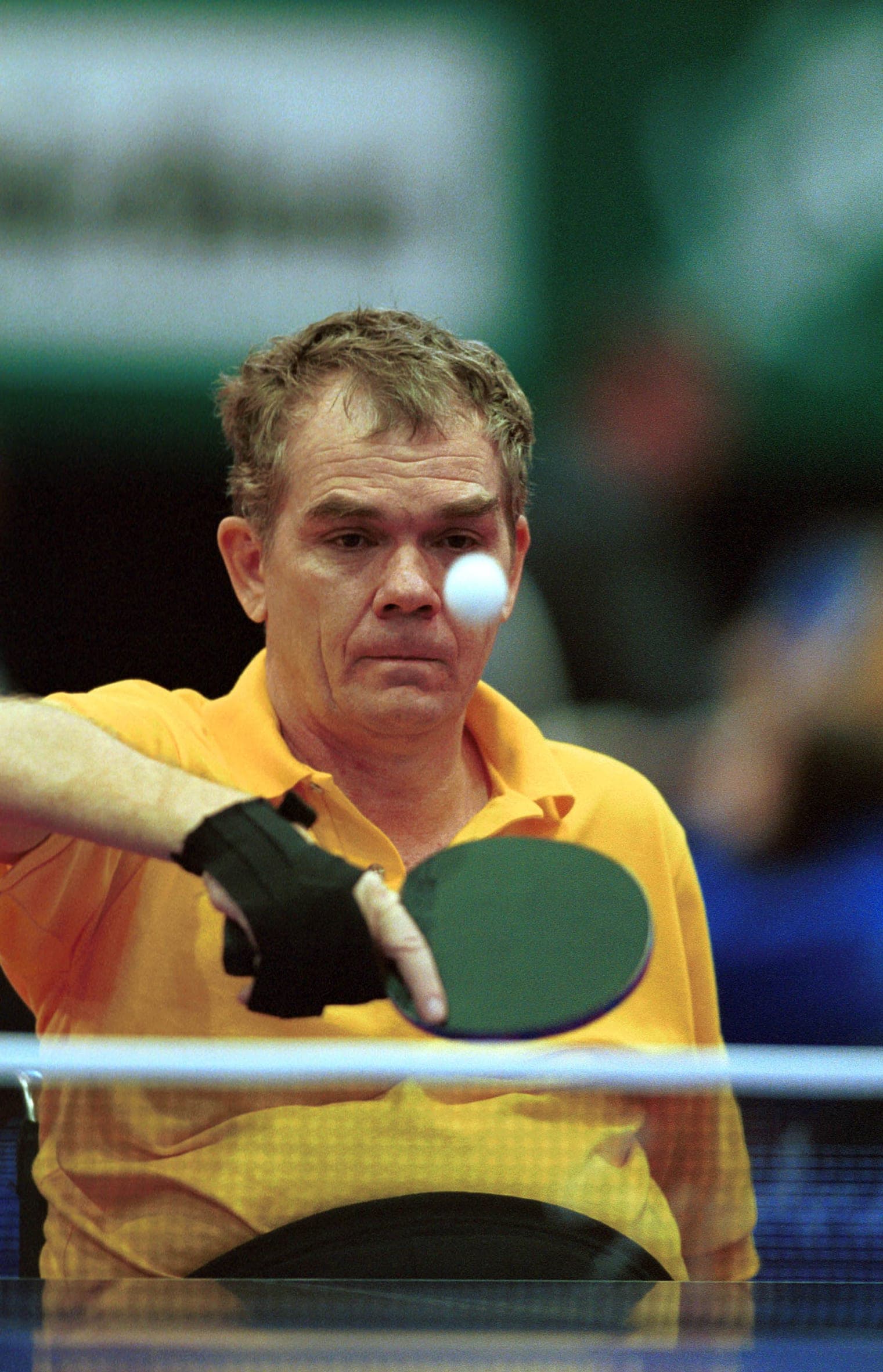
Table Tennis
A fast, low-impact indoor racquet sport that sharpens reflexes and is easy to start.
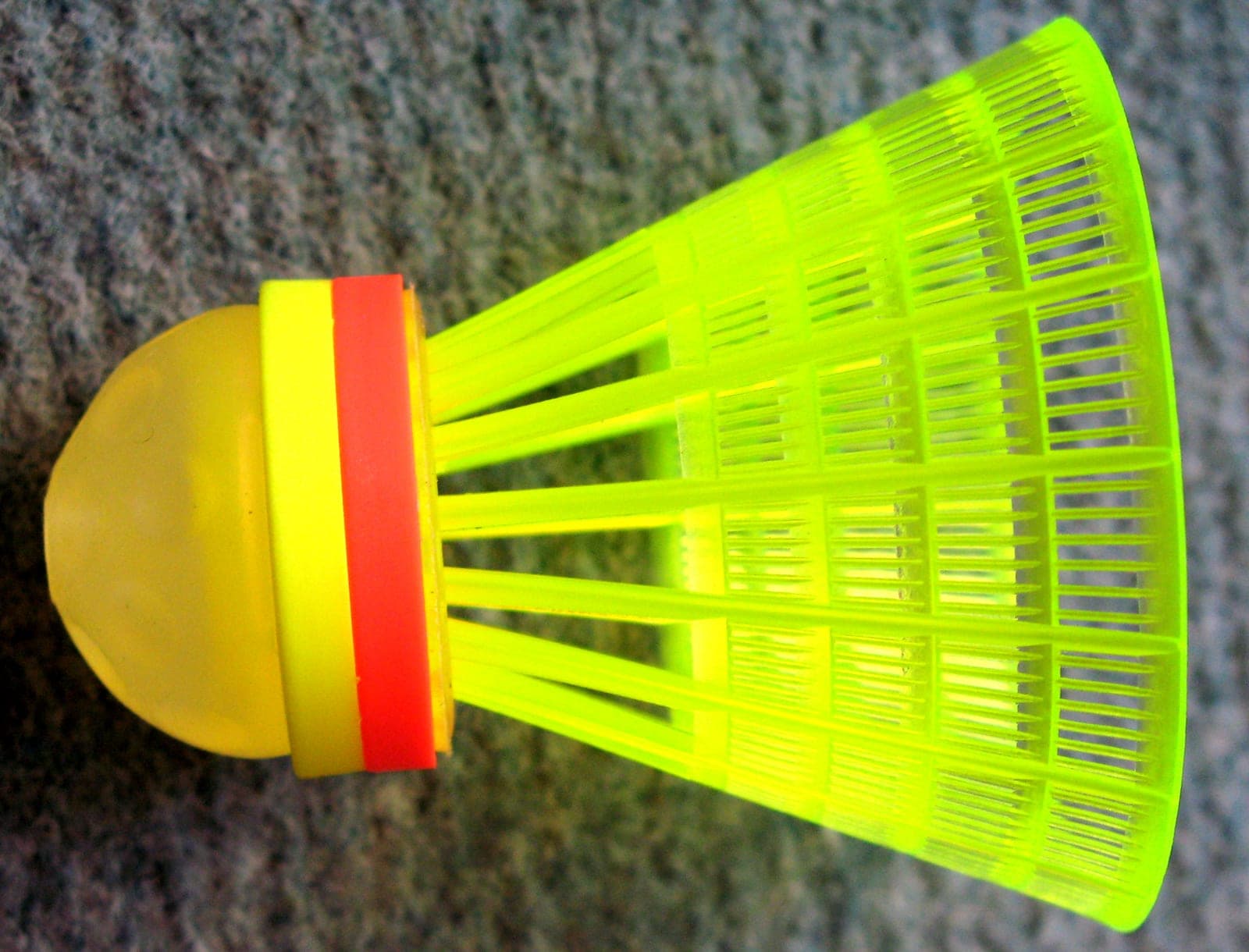
Badminton
A fast indoor racquet sport played with a shuttlecock that rewards agility and touch.
Squash
A fast, high-intensity indoor racquet sport played inside an enclosed court where the walls stay in play.
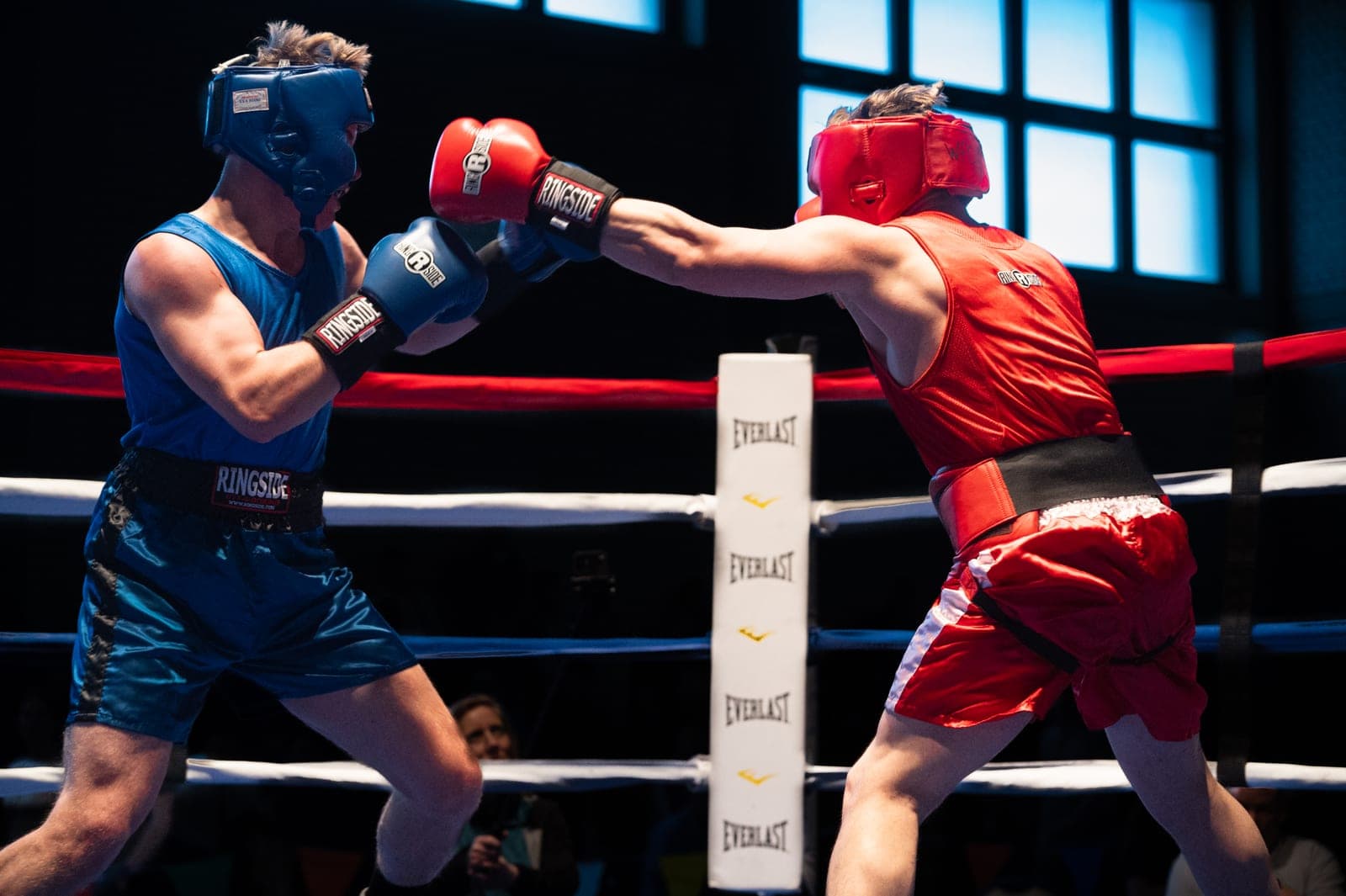
Boxing
A striking combat sport built on footwork, timing and conditioning, practised from fitness drills to controlled sparring.
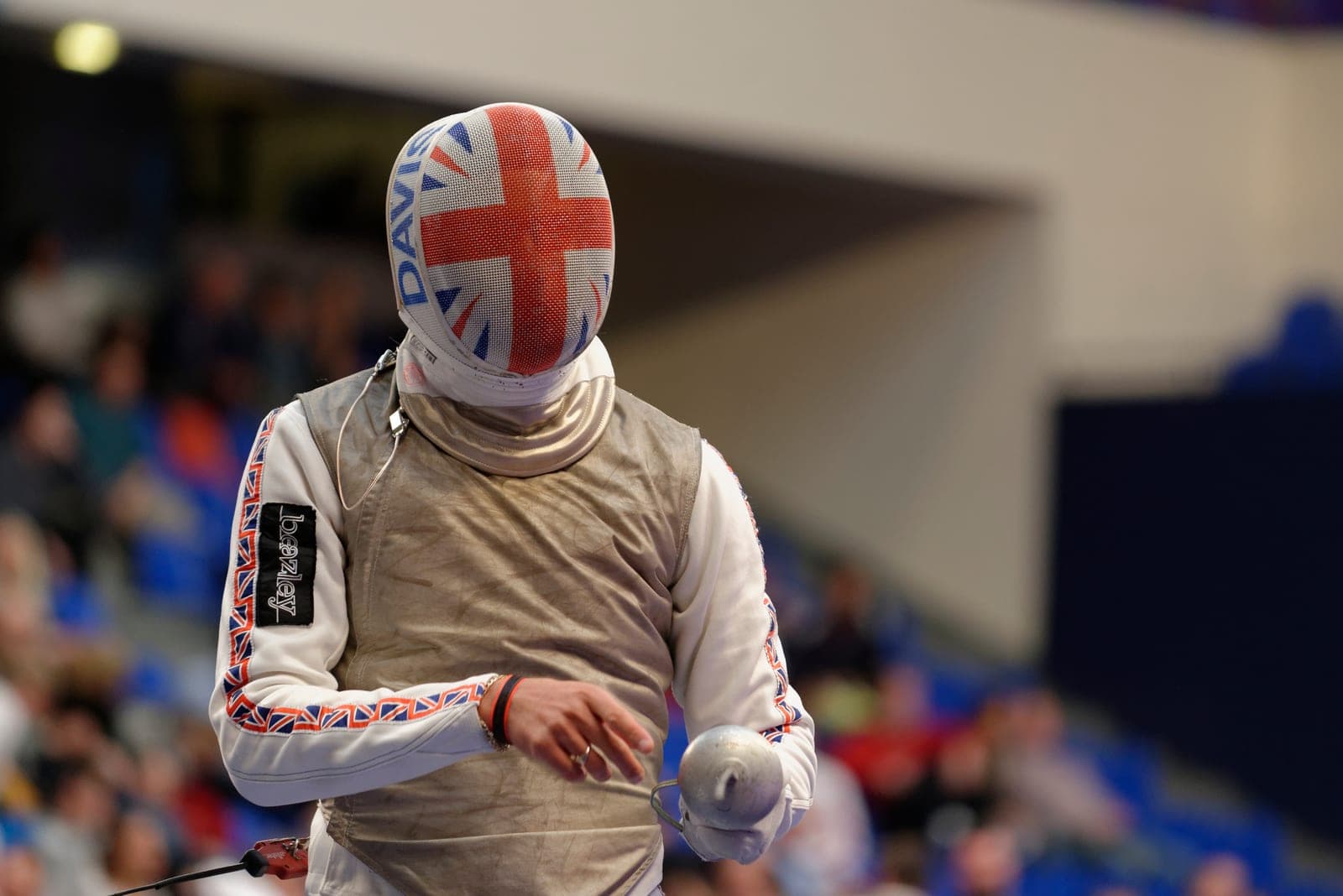
Fencing
A fast, tactical combat sport of controlled blade play that blends quick footwork with split-second decisions.
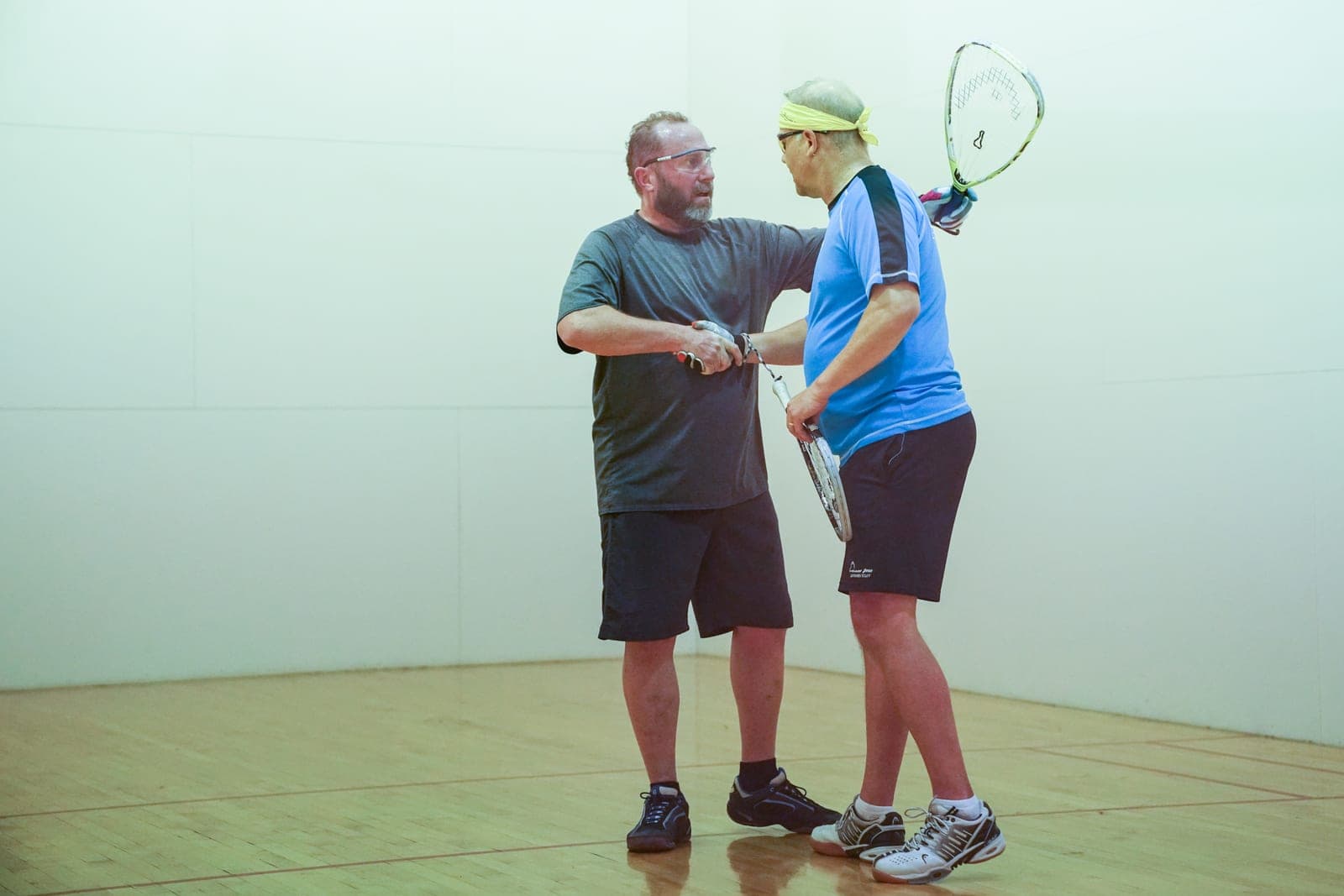
Racquetball
A lively indoor racquet sport played on an enclosed court where the walls, and often the ceiling, stay in play.
Also fits this goal
Sports beyond the shortlist above that genuinely serve this goal, each with the reason it does and what it costs you. These are editorial judgements about how a sport is typically played, not source-verified facts.
- Situational fitKendo
Points are decided by strikes launched in the moment an opening appears, so the whole practice trains reading and reacting.
What it costs you: Months of footwork and form come before any of that, so the benefit is a long way into the sport.
Train for it
Exercises and methods that build what this goal needs — educational, not a prescription.
Plyometrics
Plyometrics are jumping and bounding drills that train muscles to produce force quickly, developing power and springiness through explosive movement.
Jump squat
An explosive squat variation where you spring off the floor at the top of the movement.
Lunge
A single-leg movement where you step forward and bend both knees to lower your body.
Bulgarian split squat
A single-leg squat where the back foot is raised on a bench behind you.
Hip hinge
The foundational bending-at-the-hips pattern that underpins deadlifts, swings and picking things up.
Kettlebell swing
A dynamic hinge where you swing a kettlebell to shoulder height using a snap of the hips.
Frequently asked questions
Can reaction speed be trained?
Yes — while people vary naturally, reaction speed generally improves with regular practice, especially through fast, unpredictable activities and drills that make you respond quickly.
Which sports help improve reactions?
Fast-paced sports like table tennis, badminton, squash, boxing and fencing constantly test your reactions and are commonly used to sharpen them.
Does reaction speed decline with age?
Reactions can naturally slow somewhat over time, but regular practice and staying active can help keep them sharp. Individual differences are large, and consistent training makes a difference for many people.
Who & where this fits
This goal fits all kinds of people and lifestyles.
How it connects
The meaning-bearing relationships that place Improve reaction speed in the wider knowledge graph — each one with the reason it exists.
Achieved through
Routes people take towards this goal.
- Table TennisTable Tennis is one of the sports listed under the “Improve reaction speed” goal.
- BadmintonBadminton is one of the sports listed under the “Improve reaction speed” goal.
- SquashSquash is one of the sports listed under the “Improve reaction speed” goal.
- BoxingBoxing is one of the sports listed under the “Improve reaction speed” goal.
- FencingFencing is one of the sports listed under the “Improve reaction speed” goal.
Explore across the knowledge base
Follow the threads that connect Improve reaction speed to the rest of SocialSportHub.
Motivations
- To competeWhen the thrill of competition drives you, sports with clear contests, ladders and match play give you something to test yourself against.
- To get better at my sportWhen you already play and want to improve, structured practice, coaching concepts and targeted training turn effort into measurable progress.
Experience levels
- IntermediateThe basics are in place — now progress comes from more deliberate practice, filling gaps and adding structure to your training.
- AdvancedA high level of skill and fitness — progress becomes finer, more individual, and increasingly benefits from expert coaching.
- CompetitiveTraining and playing to compete — structured, goal-directed preparation built around events, with coaching and recovery central.
- EliteThe highest level of performance — a full, individualised, professionally supported pursuit far beyond what a general guide can direct.
Sports science
Coaching concepts
- Deliberate PracticeFocused, effortful practice that targets a specific weakness with full attention and immediate feedback — not just repeating what you already do well.
- Decision-Making PracticeTraining athletes to read cues and choose the right action under pressure — coupling perception to action, not just rehearsing physical technique in isolation.
- Constraints-Led PracticeA coaching approach that adjusts the task, environment or rules so a desired movement or decision emerges in practice, rather than being explicitly instructed.
- Small-Sided GamesPractising in scaled-down versions of a sport — fewer players, smaller area — so skills and decisions happen more often in a game-like setting.
- Transfer of TrainingWhether practice carries over to real performance — and why game-like, varied practice tends to transfer better than isolated, repetitive drills.
How this page is maintained
- Content type
- Life goal
- Provenance
- Tier A — evergreen educational
- Verified external sources
- 0
- Content updated
- 2026-09-22
Evergreen, first-party explanation — it makes no claim that needs an external source. How we handle sources and reviews.