Self-Officiating
The convention, central to golf and common in other sports, that players apply the rules to themselves and call their own penalties.
Overview
Self-officiating means there is no official standing over the player for most of what happens. Golf is the clearest example: across an ordinary round, and across most of a professional tournament, nobody is watching each individual shot. The player is responsible for knowing the rules, for calling a penalty on themselves when one applies, and for returning an accurate score. Playing partners act as a check — in stroke play one of them keeps and signs the player's card — but the primary obligation sits with the player. It works because the alternative is impractical: a course is far too large, and the field far too spread out, to officiate every stroke.
The same convention turns up wherever officials cannot realistically cover the action or where the culture has resisted it: recreational and club-level racquet sports, where players call lines on their own side of the net; disc golf; many climbing and endurance formats. In each case, the design consequence is the same. Rules must be written to be applied by the person they constrain, disputes are resolved by convention rather than authority, and where a genuine doubt exists most codes ask the player to take the more conservative option. Officials are usually still available on request, and referees or rules officials can be called in for a decision — self-officiating is not the absence of rules, only of a permanent enforcer.
What it involves
- The player applies the rules to themselves — knowing them, calling penalties on themselves and returning an accurate score is the player's own responsibility, not an official's.
- Partners provide the check — in stroke play a fellow competitor keeps and signs the scorecard, so accuracy is verified without anyone policing individual shots.
- It exists because full coverage is impractical — a golf course, a climbing venue or a spread-out endurance field cannot realistically have an official at every point of play.
- Doubt is resolved conservatively — most self-officiated codes ask a player who is genuinely unsure to take the option less favourable to themselves.
- Officials remain available — rules officials and referees can be called for a ruling, so self-officiating means no permanent enforcer rather than no authority at all.
- It shapes the culture — because enforcement rests on the player, these sports place unusual weight on etiquette and on calling things against yourself.
Where it’s used
Sports that use self-officiating:
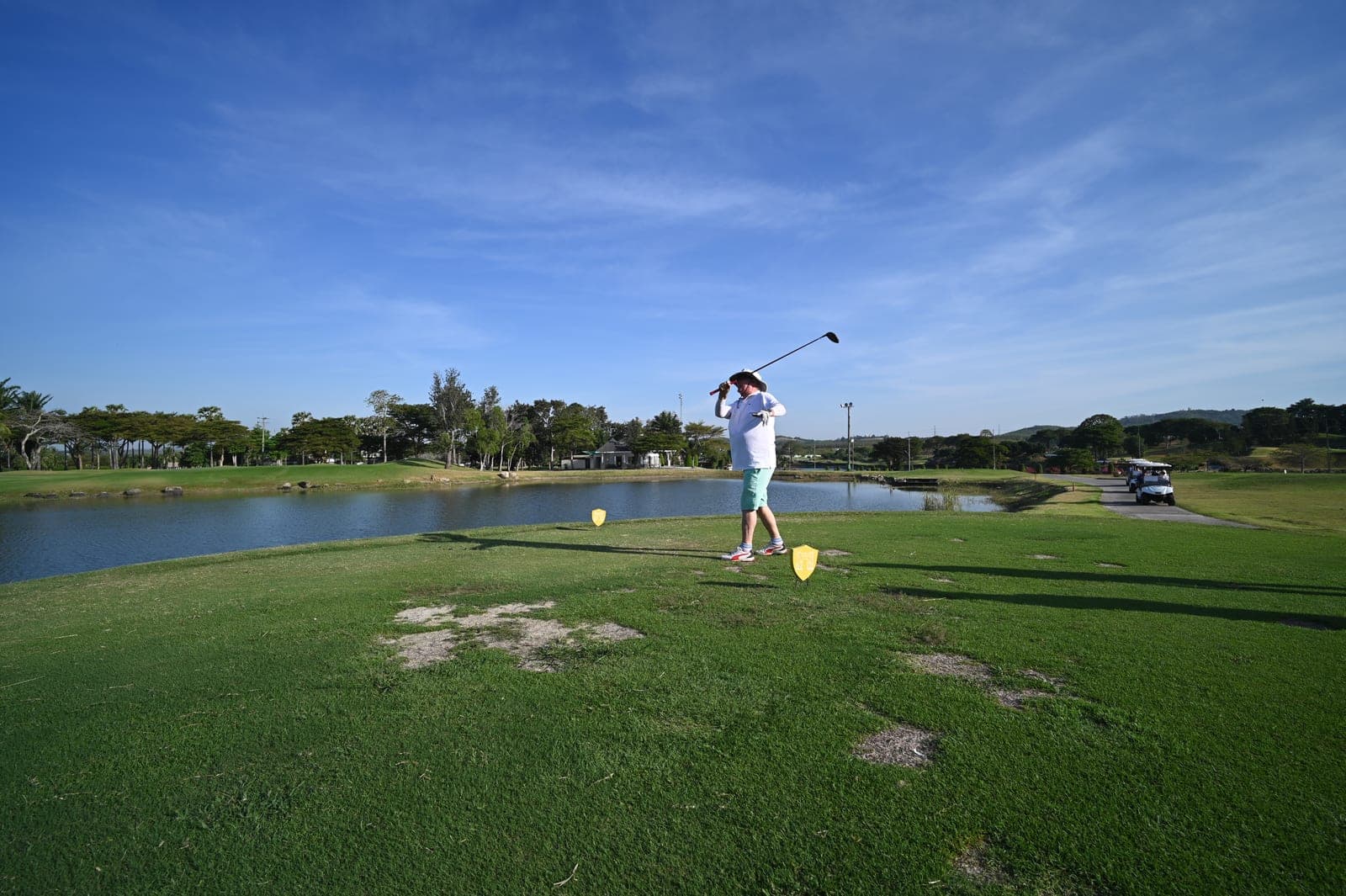
Golf
A precision target sport played across an outdoor course, blending skill, strategy and a long walk in the open air.
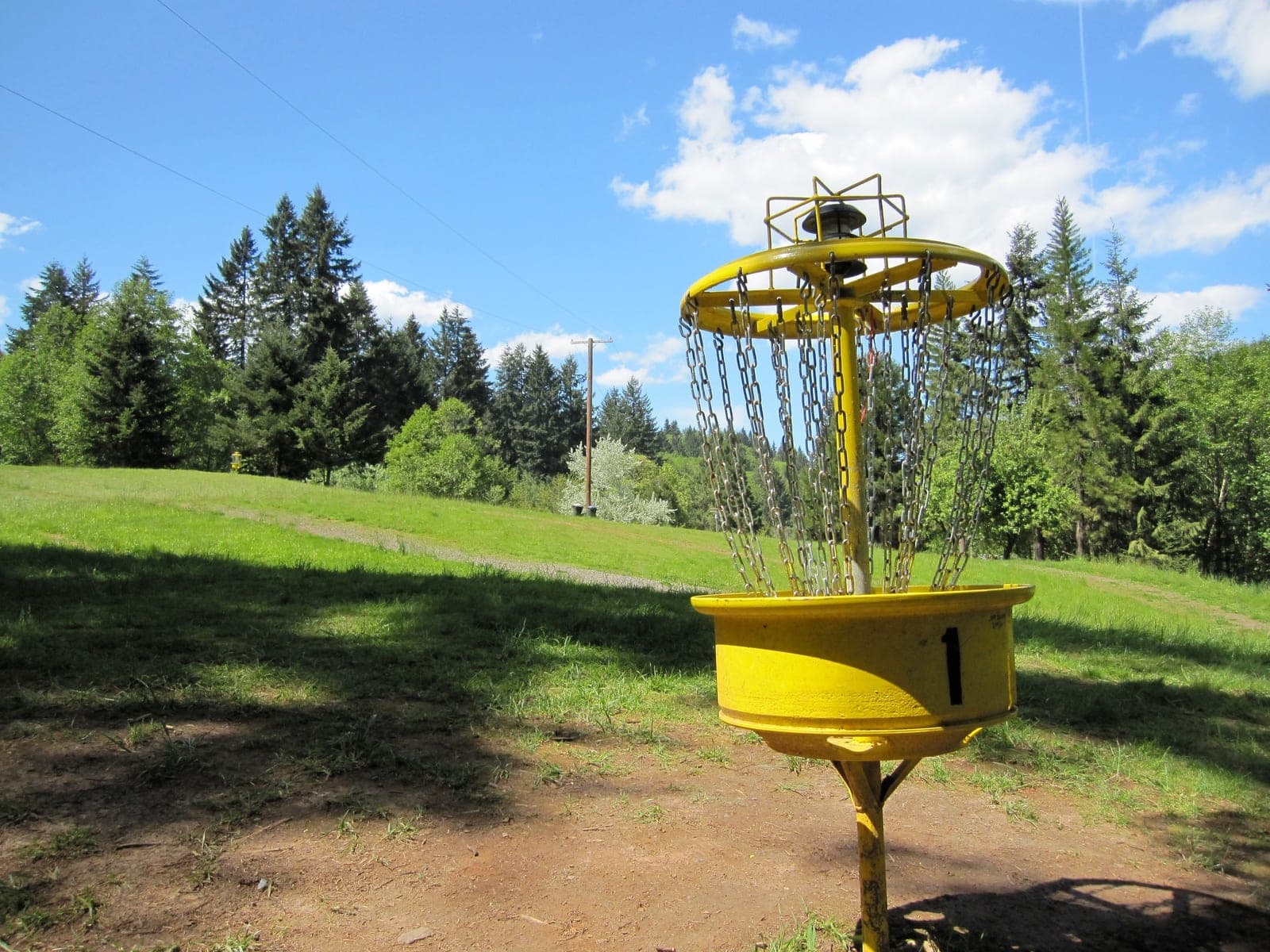
Disc Golf
A relaxed, low-cost target sport where players throw flying discs toward chain baskets across an outdoor course.
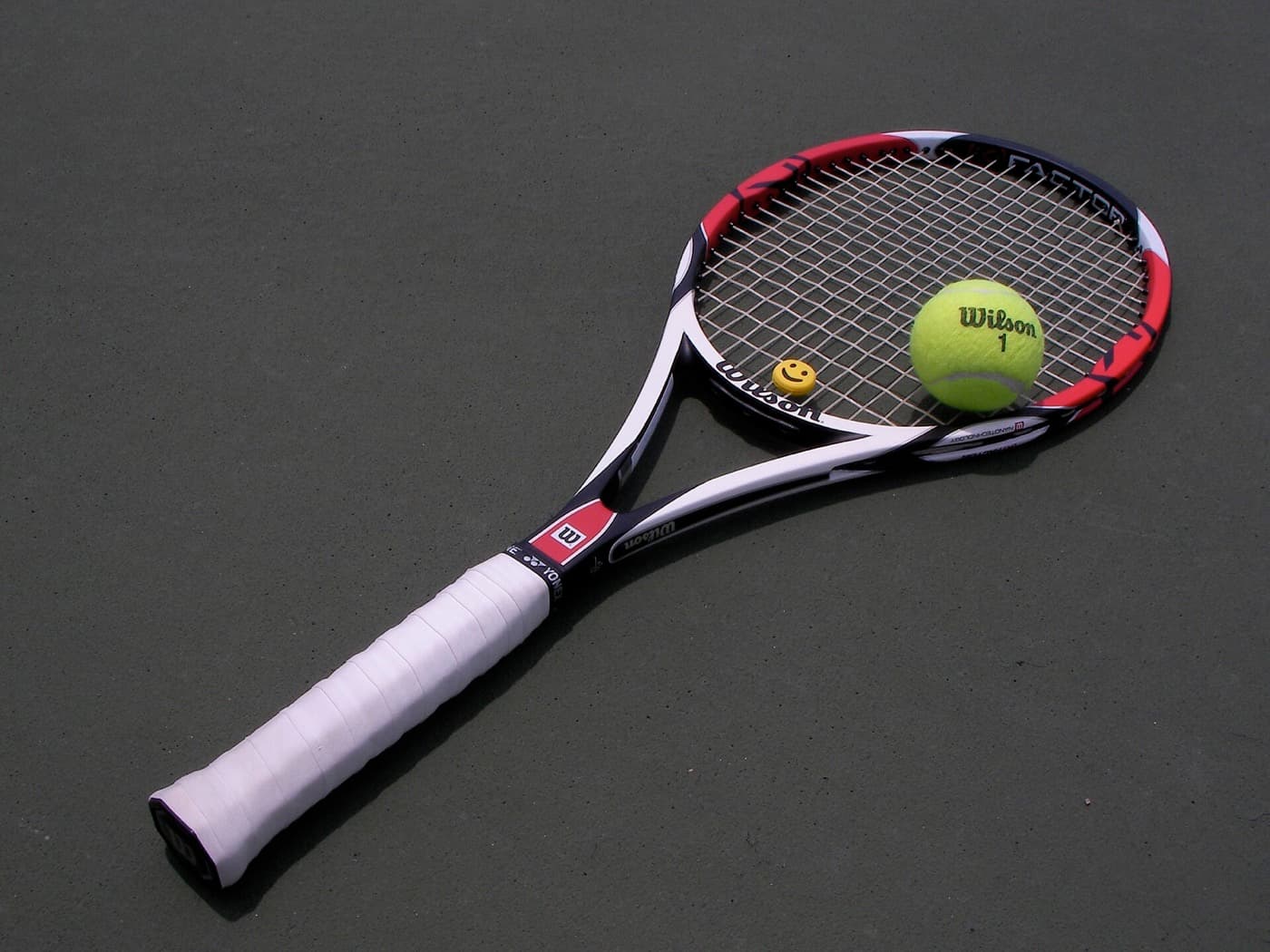
Tennis
A singles or doubles racquet sport that blends agility, strategy and stamina on court.
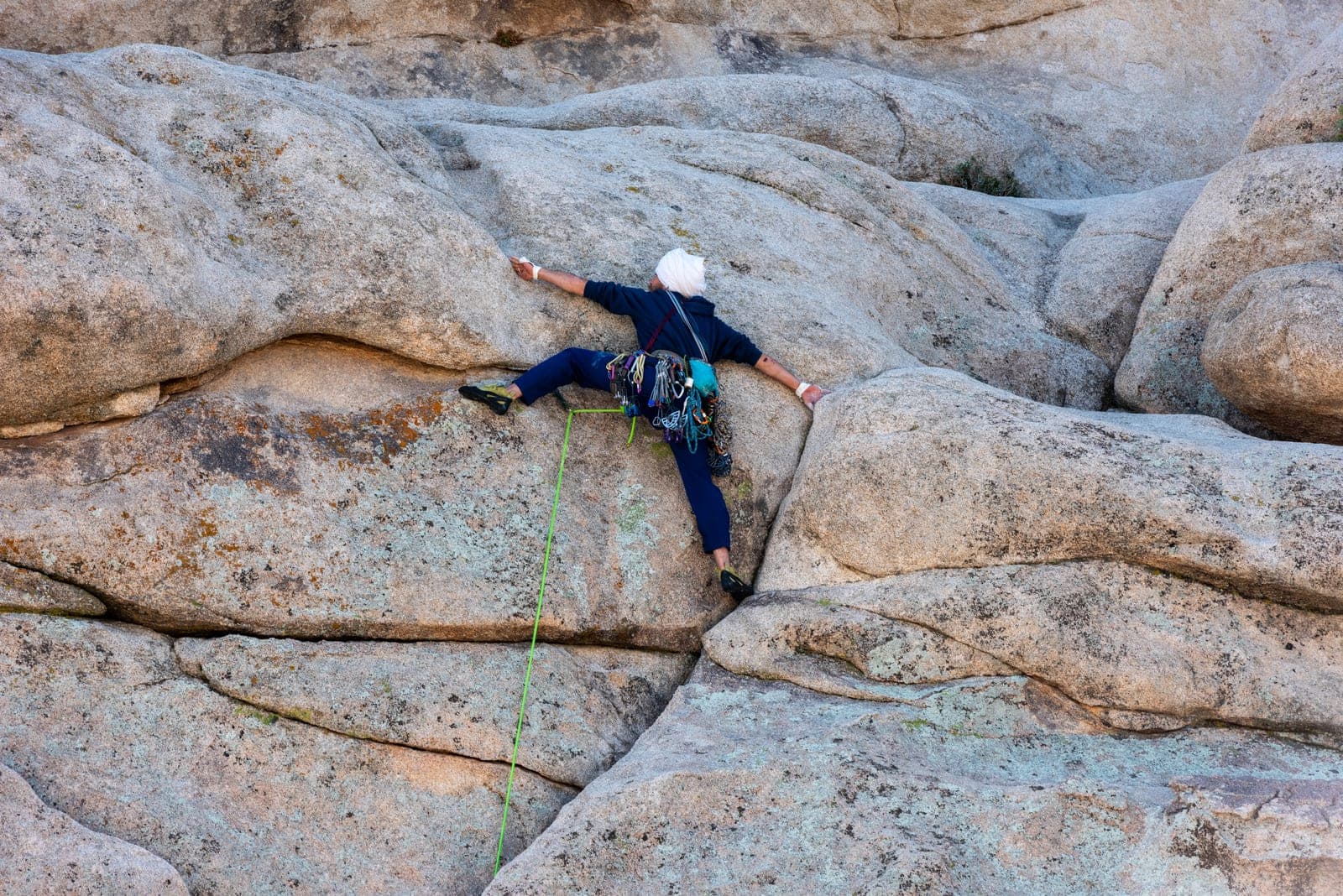
Rock Climbing
A rope-based climbing sport that pairs full-body strength with focus and careful technique, indoors or on rock.
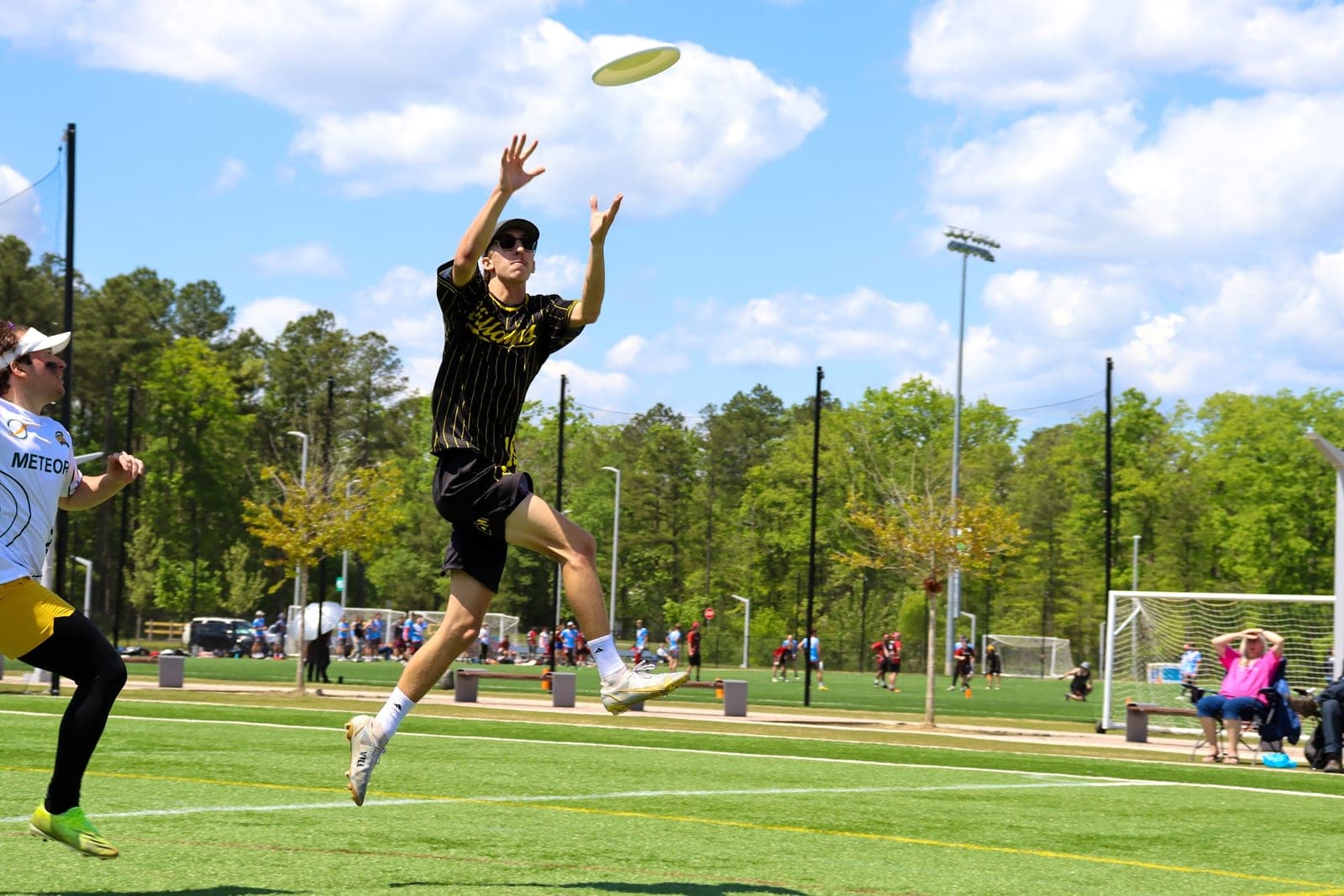
Ultimate Frisbee
A fast, non-contact team sport played with a flying disc, known for constant running and self-refereeing.
Related officiating
Umpire
A match official who rules on lines, serves and dismissals in racket, bat-and-ball and net sports such as tennis, cricket and baseball — and, in racket sports, also keeps the running score.
Line Judge
A boundary-line official who calls whether the ball or player is in or out and flags foot faults, working under the head referee across many sports.
Video Review
Video review lets officials re-examine footage of a contested moment to confirm or overturn a close call — a goal, a line, a foul — an aid used across many sports.
Explore across the knowledge base
Follow the threads that connect Self-Officiating to the rest of SocialSportHub.
Rules
- Playing the ball as it liesGolf’s founding principle: you play the course as you find it and the ball from wherever it comes to rest, unless a rule allows otherwise.
- Penalty strokes in golfStrokes added to a player’s score in defined situations, such as hitting out of bounds or losing a ball.
- Order of playThe convention that decides who plays next in a golf group — normally the player whose ball is furthest from the hole.
- Volleyball rotationThe rule that players rotate one position clockwise each time their team wins back the serve.
- Penalty kick awardA one-on-one kick against the goalkeeper awarded when a defending player commits a direct-free-kick foul inside their own penalty area.
Practice & sessions
Knowledge Atlas
Sports communication
- Calling for the ballLetting a teammate know you are open and want the pass — usually a short, clear call made at the right moment.
- Role clarityEveryone on a team understanding what their own job is — and their teammates' — so effort is not wasted on overlap or gaps.
- Defensive communicationTalking and signalling on defence — organising who marks whom, calling switches and warning teammates — to stay coordinated without the ball.
How this page is maintained
- Content type
- Officiating concept
- Provenance
- Tier A — evergreen educational
- Verified external sources
- 0
- Content updated
- 2026-09-12
Evergreen, first-party explanation — it makes no claim that needs an external source. How we handle sources and reviews.