
Tennis
The classic racquet sport for a lifetime of play

.jpg)
Inside the sport
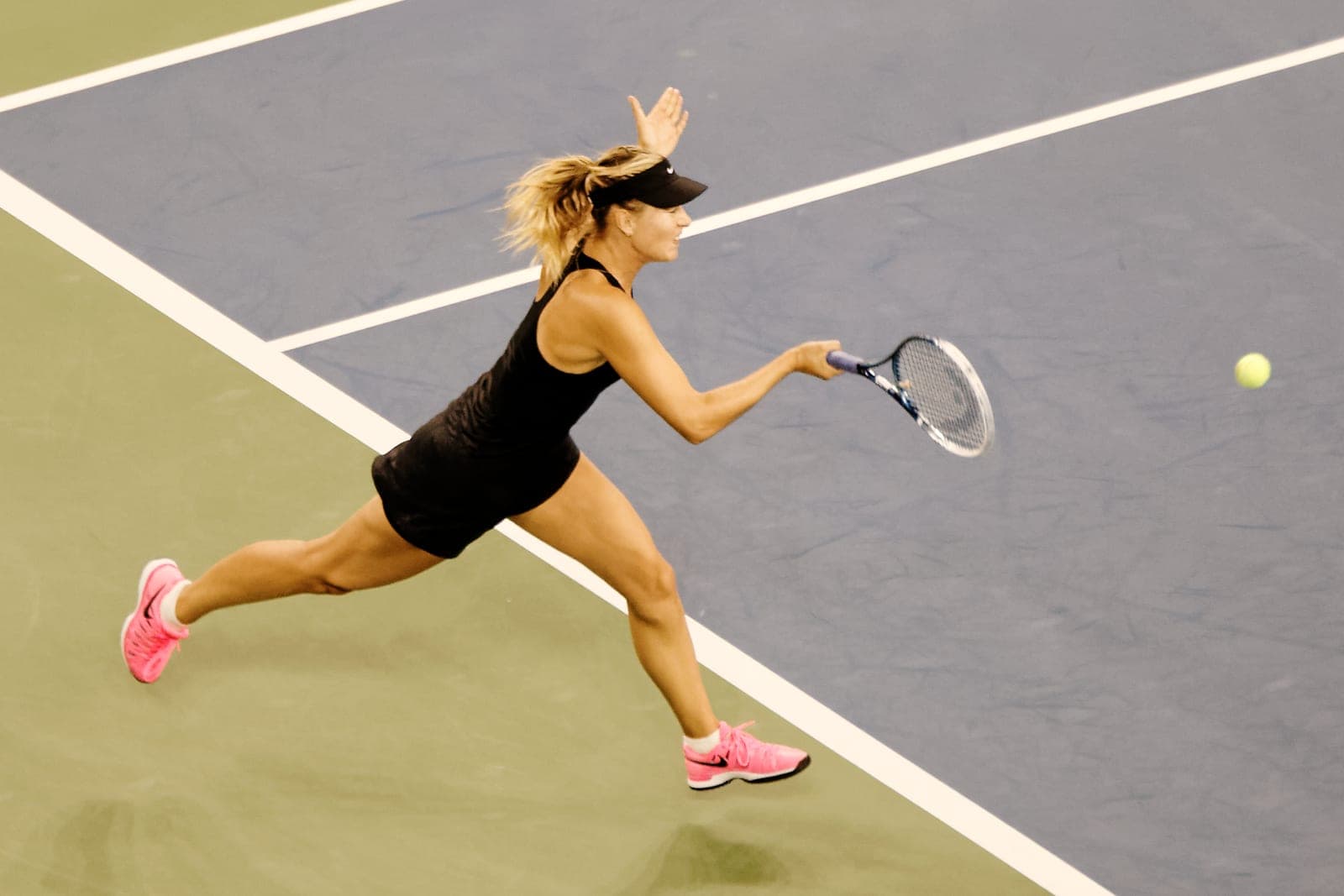
Tennis is played one-on-one (singles) or two-on-two (doubles) on a rectangular court divided by a net. Players rally by hitting a ball over the net and inside the lines, scoring points when an opponent cannot return it fairly.
Overview
It is one of the most enduring social sports in the world because it scales with you: gentle, controlled rallies for beginners, and fast, tactical points as your skill grows. A single match mixes short sprints, quick changes of direction and moments of recovery.
Why tennis is good for your health
- Raises your heart rate through repeated sprints and rallies
- Builds agility, balance and hand–eye coordination
- Strengthens the legs, core and shoulders
- Combines aerobic and short bursts of anaerobic effort in one session
Physical qualities you’ll build
Tennis is especially good for developing these qualities:
The social side
- Naturally played with a partner or in doubles pairs
- Easy to set up regular weekly matches with a hitting partner
- Clubs, leagues and public courts make it simple to meet other players
How to start as a beginner
- 1Take a beginner lesson or clinic to learn a safe grip and swing
- 2Rally gently against a practice wall or with a patient partner
- 3Play short “mini-tennis” points inside the service boxes to build control
- 4Book a public court and focus on consistency before power
Equipment you’ll need
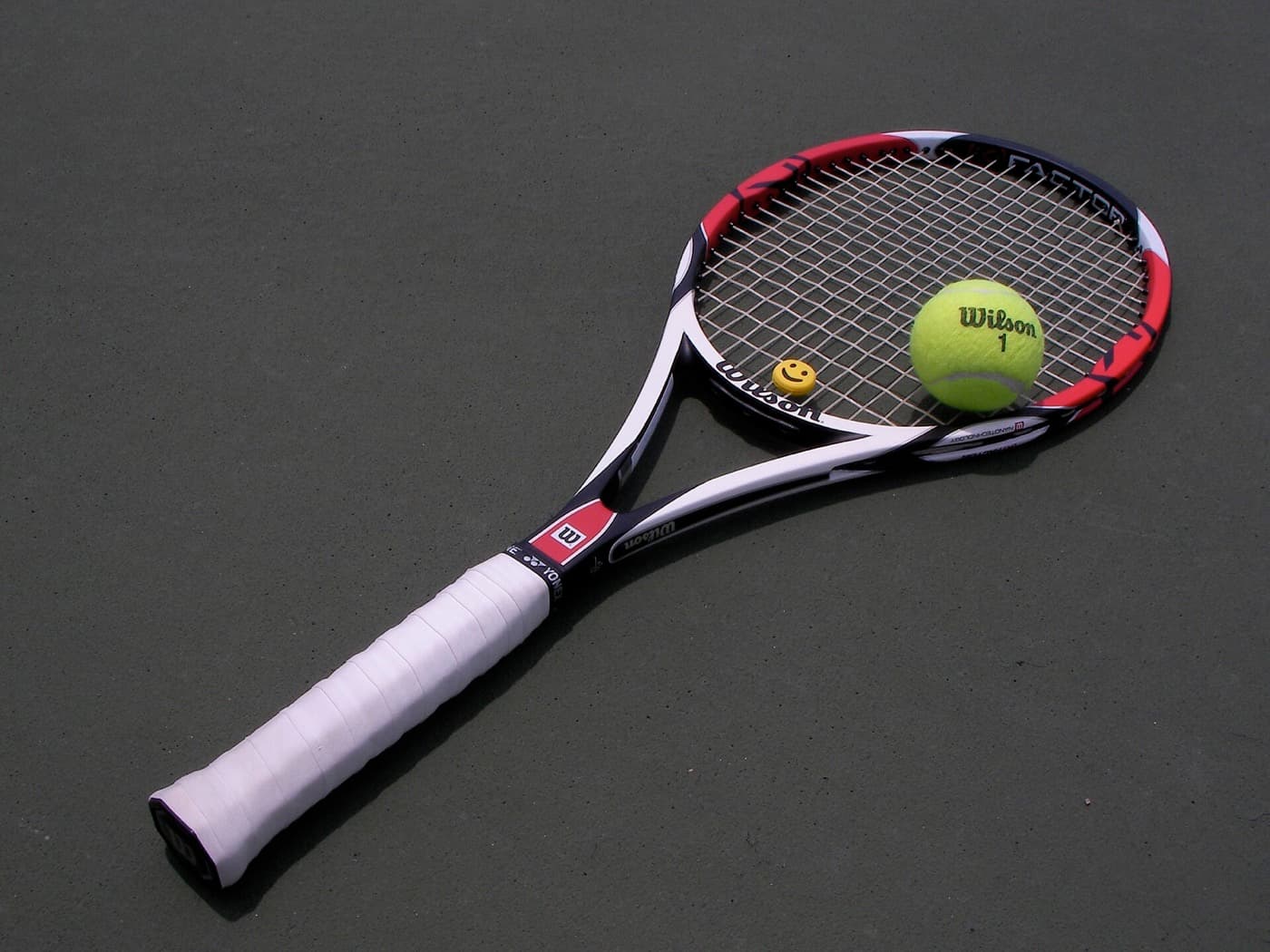
- Tennis racquetEssentialA comfortable, mid-weight beginner racquet is ideal
- Tennis ballsEssential
- Court shoesEssentialDesigned for quick lateral movement
- Comfortable sportswearEssential
- Overgrip and a bottle of waterOptional
Where to play
Tennis is typically played at:
Explore clubs and venues to understand the different places you can play, or see how to find people to play with.
Tennis in pictures
Action, venues, equipment and moments across tennis — select any photograph to enlarge it.
Playing Tennis
The equipment, rules, skills and more that make up the game — each cross-linked into the encyclopedia.
Training for Tennis
Exercises, methods and example plans that help build what Tennis needs — educational, not personalised prescriptions.
Related sports to explore
If you enjoy Tennis, you might also like these.
Padel
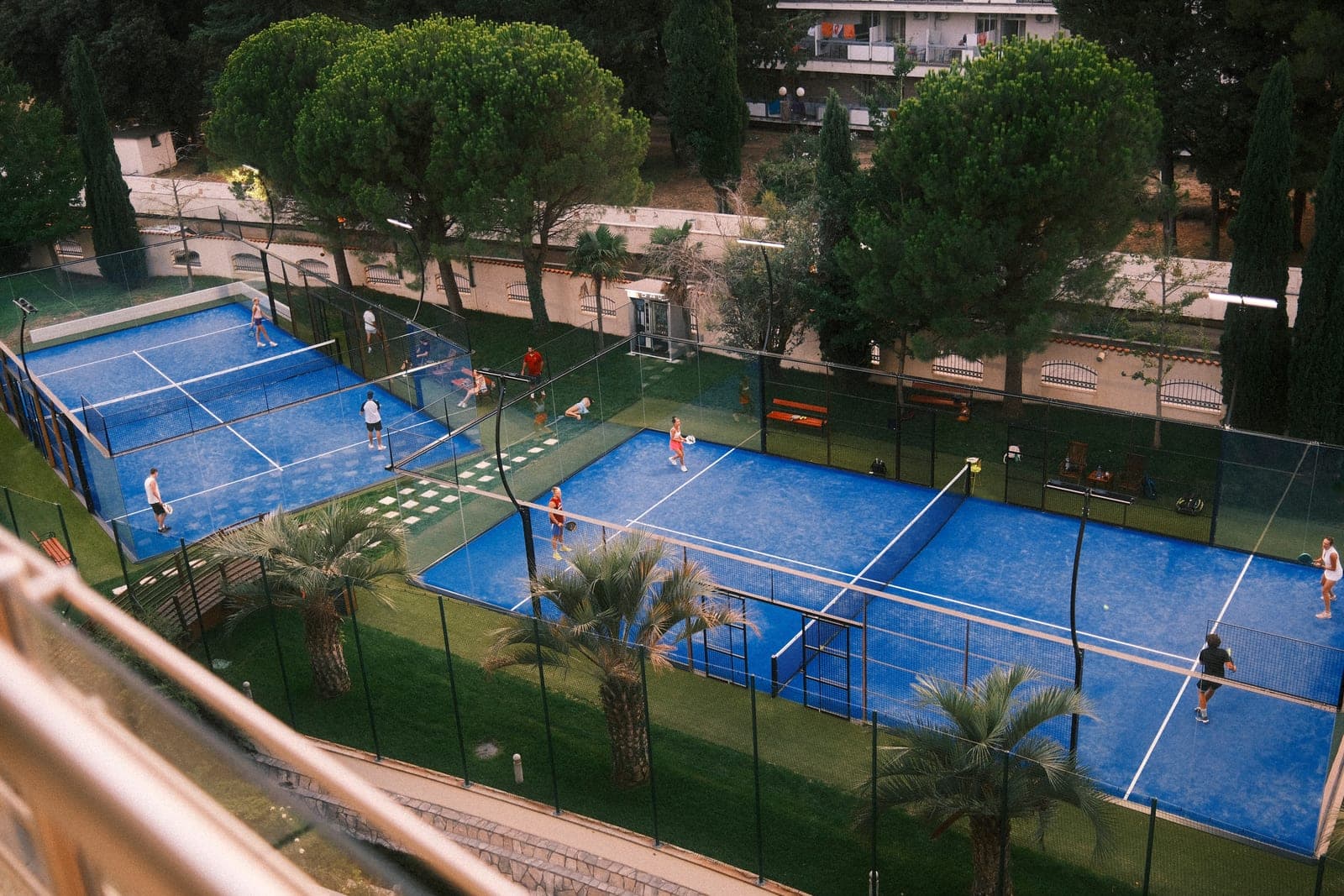
A sociable, doubles-first racquet sport played in an enclosed court where the walls stay in play.
POP Tennis
A friendly, easy-to-learn racquet sport on a smaller court with solid paddles and a lower net.
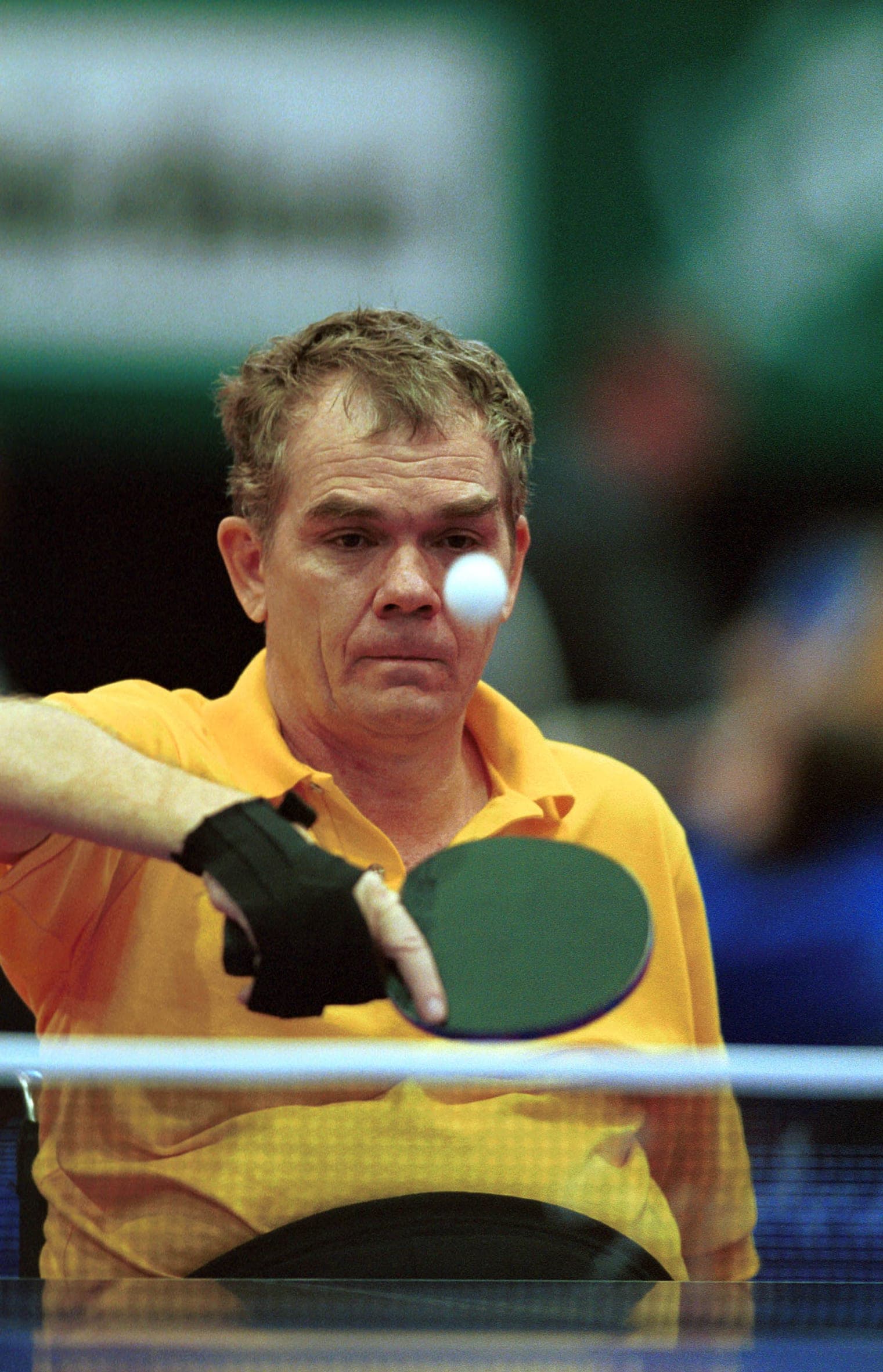
Table Tennis
A fast, low-impact indoor racquet sport that sharpens reflexes and is easy to start.
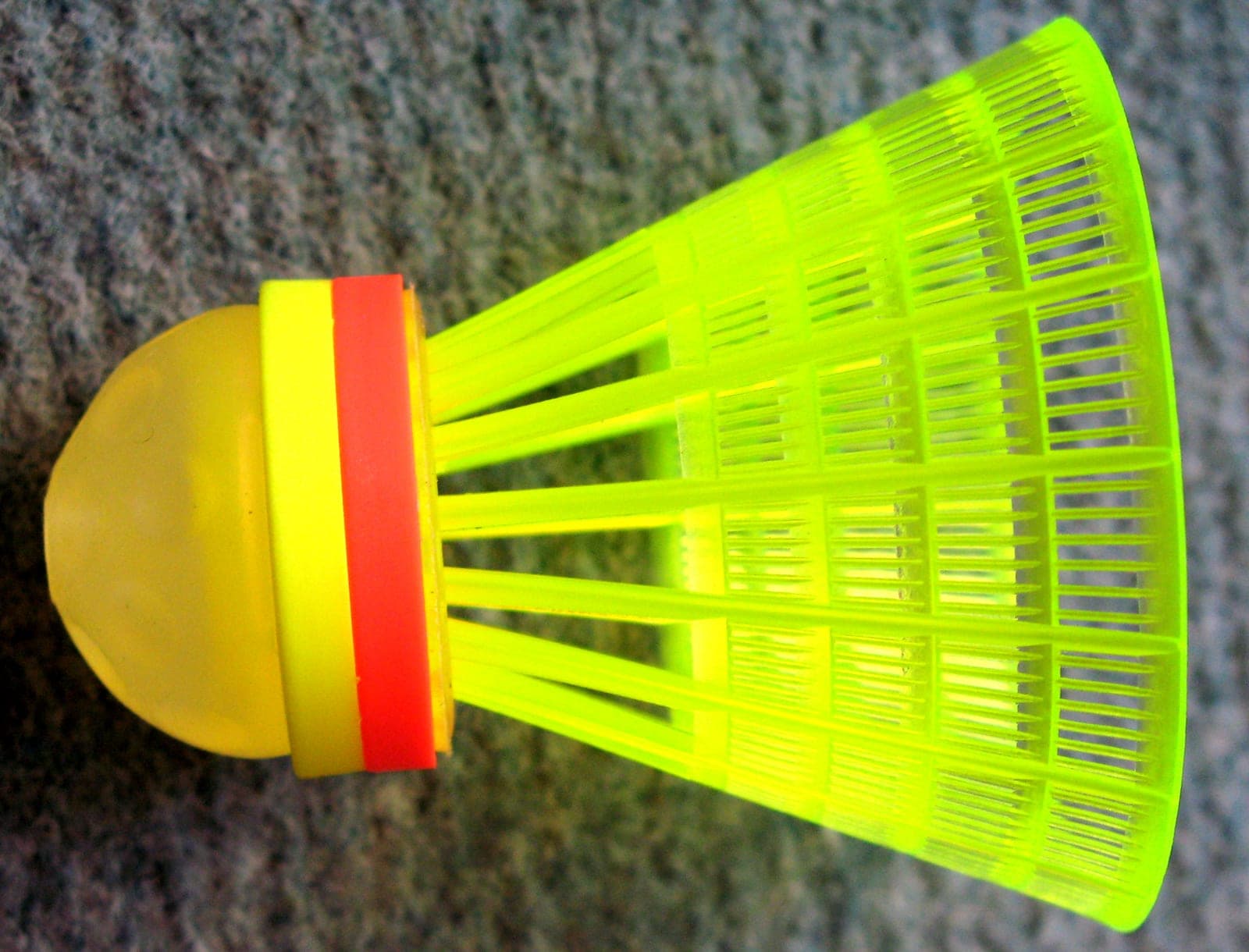
Badminton
A fast indoor racquet sport played with a shuttlecock that rewards agility and touch.
Compare Tennis with…
Deciding between Tennis and something similar? See how they line up side by side.
Badminton vs Tennis
How they compare on difficulty, intensity, kit and what suits you.
Beach Tennis vs Tennis
How they compare on difficulty, intensity, kit and what suits you.
Padel vs Tennis
How they compare on difficulty, intensity, kit and what suits you.
Pickleball vs Tennis
How they compare on difficulty, intensity, kit and what suits you.
POP Tennis vs Tennis
How they compare on difficulty, intensity, kit and what suits you.
Racquetball vs Tennis
How they compare on difficulty, intensity, kit and what suits you.
Reach your goals with Tennis
People take up Tennis for all kinds of reasons. Here is what it can help you work towards.
Build an active lifestyle
Make movement a natural, lasting part of daily life through activities and habits you genuinely enjoy.
Improve coordination
Sharpen how smoothly your body works together — like tracking and hitting a ball — through skill practice.
Sports for teenagers
Sports and activities that suit teenagers, from team games to individual pursuits.
Sports for women
Inclusive sports and activities that suit women at any age or fitness level.
Who & where Tennis fits
Sport should fit your life. Here is who Tennis suits and when it works.
Teenagers
How sport can fit into a teenager’s life for fitness, friendship, confidence and healthy routines, with supervision.
Weekend athletes
How to enjoy recreational sport on weekends while staying comfortable and consistent through the week.
Couples
How sport can fit two people doing it together — shared activity that doubles as time together, mutual motivation and a common goal.
Competitive athletes
How the platform fits someone who trains and plays to compete — structured, goal-directed preparation with coaching and recovery central.
Recreational athletes
How the platform fits someone who plays regularly for enjoyment and fitness rather than competition — staying active, sociable and healthy through sport.
1 hour
A full hour opens up almost any sport, from a proper game to a longer ride, run or gym session.
How it connects
The meaning-bearing relationships that place Tennis in the wider knowledge graph — each one with the reason it exists.
Alternative to
Comparable enough that people choose between them.
- BadmintonTennis and Badminton are close enough that the platform maintains a side-by-side comparison of them.
- Beach TennisTennis and Beach Tennis are close enough that the platform maintains a side-by-side comparison of them.
- PadelTennis and Padel are close enough that the platform maintains a side-by-side comparison of them.
- PickleballTennis and Pickleball are close enough that the platform maintains a side-by-side comparison of them.
- POP TennisTennis and POP Tennis are close enough that the platform maintains a side-by-side comparison of them.
Helps achieve
A recognised route towards these goals.
- Build an active lifestyleTennis is one of the sports listed under the “Build an active lifestyle” goal.
- Improve coordinationTennis is one of the sports listed under the “Improve coordination” goal.
- Sports for teenagersTennis is one of the sports listed under the “Sports for teenagers” goal.
- Sports for womenTennis is one of the sports listed under the “Sports for women” goal.
Explained by
The underlying "why" behind this.
- BiomechanicsBiomechanics is one of the sports-science concepts that covers Tennis.
- The kinetic chainThe kinetic chain is one of the sports-science concepts that covers Tennis.
- Force and powerForce and power is one of the sports-science concepts that covers Tennis.
- Range of motionRange of motion is one of the sports-science concepts that covers Tennis.
- ProprioceptionProprioception is one of the sports-science concepts that covers Tennis.
Supported by
These help the training or recovery side of this.
Explore across the knowledge base
Follow the threads that connect Tennis to the rest of SocialSportHub.
Learning paths
Sports science
- BiomechanicsThe study of how the body produces and controls movement — the mechanics behind every technique in sport.
- The kinetic chainThe idea that the body’s segments work as a linked chain, passing force from the ground up through the hips, trunk and limbs.
- Force and powerThe difference between how much force the body can produce and how quickly it can produce it — the mechanics behind strength and explosiveness.
- Range of motionHow far a joint can travel through its movement — the arc available at a joint, and the foundation of flexibility and mobility.
- ProprioceptionThe body’s internal sense of where its parts are and how they are moving — the awareness behind balance and coordinated movement.
Glossary
- AceA serve that the receiver fails to touch, winning the point outright for the server.
- AgilityThe ability to rapidly change the body's speed or direction in response to a stimulus, combining quickness with in-the-moment decision-making.
- AmateurAn athlete or competition category defined by taking part without payment, as distinct from professional sport.
- AppealA request to a match official to make or reconsider a ruling, most formally in cricket where fielders must appeal before a batter can be given out.
- Assistant Referee (Linesman)A supporting match official who patrols a line or touchline to judge offside, out-of-play, and other calls, advising the main referee.
Healthy living
Go deeper with Tennis
Everywhere else on the platform that covers Tennis — assembled from what actually references it, so nothing here is a dead end.
Learn it
Structured courses and paths on the platform that cover this directly.
Work it out
Deterministic calculators — real published formulas, no estimates dressed as data.
- Tennis Grip Size FinderLinks to Tennis from its own related list.
- String Tension GuideLinks to Tennis from its own related list.
- Racquet Balance ExplainerLinks to Tennis from its own related list.
- Match Duration EstimatorLinks to Tennis from its own related list.
- Serve Speed ConverterLinks to Tennis from its own related list.
See it
Diagrams and step-through visualisations drawn for this subject.
Compare it
Head-to-head studies against the entities people actually weigh it against.
- Tennis vs BadmintonSide by side on the qualities that differ.
- Tennis vs Beach TennisSide by side on the qualities that differ.
- Tennis vs PadelSide by side on the qualities that differ.
- Tennis vs PickleballSide by side on the qualities that differ.
- Tennis vs POP TennisSide by side on the qualities that differ.
- Tennis vs RacquetballSide by side on the qualities that differ.
Kit it out
Equipment guidance drawn from the graph, with no brands and no affiliate links.
Take it away
Open data and the whole-platform view of this subject.
How this page is maintained
- Content type
- Sport
- Provenance
- Tier A — evergreen educational
- Verified external sources
- 0
- Content updated
- 2026-07-06
Evergreen, first-party explanation — it makes no claim that needs an external source. How we handle sources and reviews.
Keep going
A sport is most rewarding alongside good habits, sensible nutrition and people to share it with. Here is where to go next.
How movement supports body and mind.
Eat well to feel and perform better.
Build routines that stick.
Ways to meet others and play together.
Where to play and what to expect.
Browse the full list by category.