
Scorekeeper
The official who keeps the authoritative record of a contest — score, fouls, and statistics — usually seated at a scorer's table beside the timekeeper.
Overview
A scorekeeper (or official scorer) is the match official responsible for maintaining the authoritative written or electronic record of a contest: the points or goals scored, the fouls and infractions committed, substitutions, and often detailed player statistics. In most sports the scorekeeper sits at a scorer's table off the field of play, working side by side with a timekeeper, and the record they produce is treated as the definitive account of what happened — the ledger that ultimately settles the result. The role is chiefly administrative rather than a judge of play: the scorekeeper does not decide whether a goal or foul occurred, but faithfully logs the decisions the on-field referee or umpire signals, and flags any discrepancy so it can be reconciled before the result stands.
The idea recurs across many sports under similar names. In table-and-court games such as basketball, volleyball, handball, netball, water polo, ice hockey, and lacrosse, the official scorer occupies a central table, records each score and each foul, suspension, or exclusion, tracks accumulating totals that trigger penalties, and cross-checks the game sheet with the referees. In cricket, baseball, and softball the scorer is a classic, long-standing role — cricket scorers keep the scorebook of runs, wickets, and extras, while the baseball or softball official scorer additionally makes limited scoring judgments such as ruling a play a hit or an error. Across all of these, the common thread is a dedicated record-keeper whose scoresheet or scorebook becomes the official archive of the contest.
What it involves
- Keeps the running score and logs every scoring event, producing the authoritative tally that decides the result; if the on-field officials and the scoresheet disagree, the record is reconciled before the outcome is confirmed.
- Records infractions — fouls, cards, timed suspensions, and exclusions — and tracks accumulations such as team-foul counts that put a side into the bonus or a player over a disqualification threshold, alerting the referee when a limit is reached.
- Works in tandem with the timekeeper at a shared scorer's table: the scorer owns the score, foul, and personnel record while the timekeeper owns the clock, and the two continually cross-check the game record.
- Compiles statistics beyond the final score — goals, assists, points, substitutions, and similar figures — forming the box score or scorebook that stands as the permanent official record of the contest.
- Is usually purely administrative, simply recording the referee's or umpire's calls, but in a few sports (notably baseball and softball) the official scorer independently rules on scoring matters such as hits, errors, and earned runs.
Where it’s used
Sports that use scorekeeper:

Basketball
A fast, dynamic team sport of running, jumping and quick decisions on court.
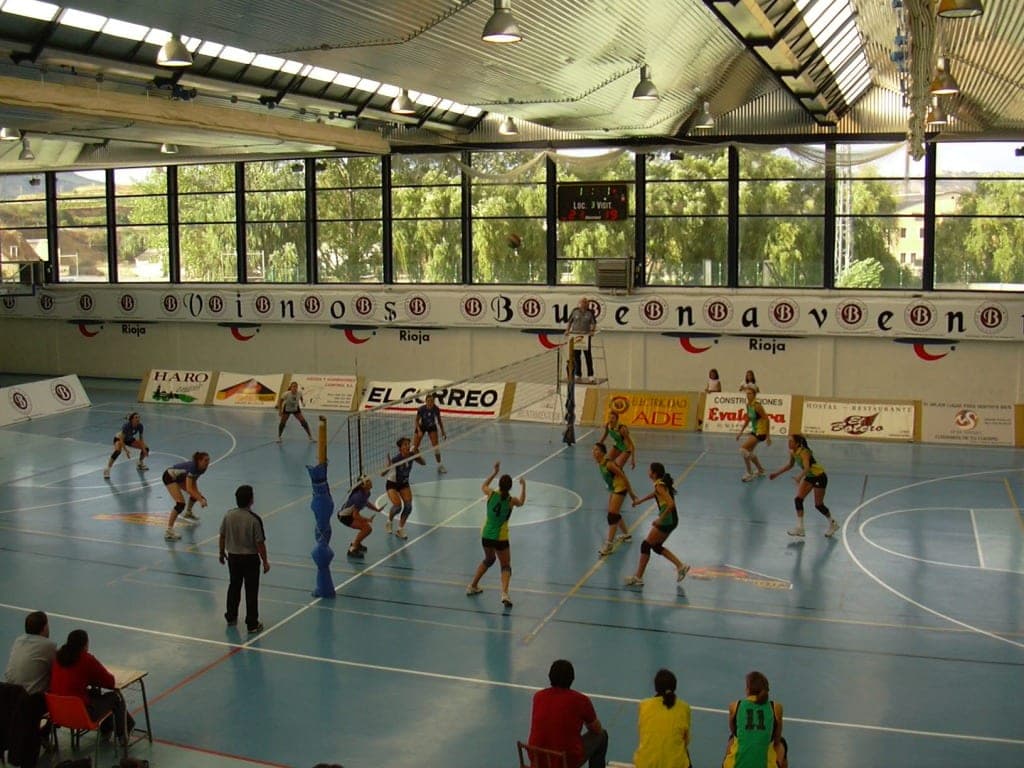
Volleyball
A non-contact team sport of rallies, jumps and teamwork — indoors or on the beach.
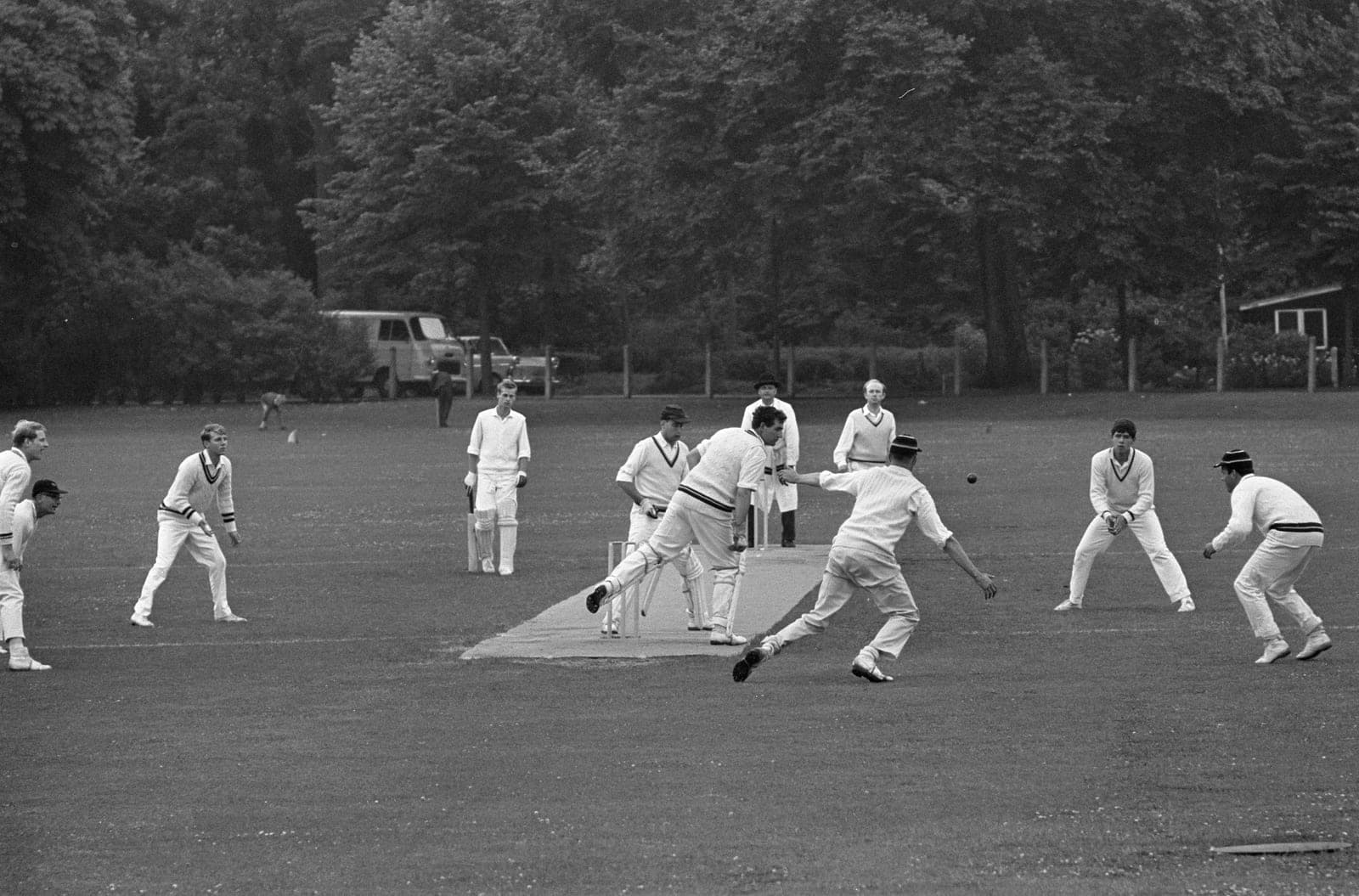
Cricket
A bat-and-ball team sport where sides take turns to bat and to bowl and field, scoring runs.
Baseball
A bat-and-ball team sport where two sides alternate between batting and fielding to score runs.
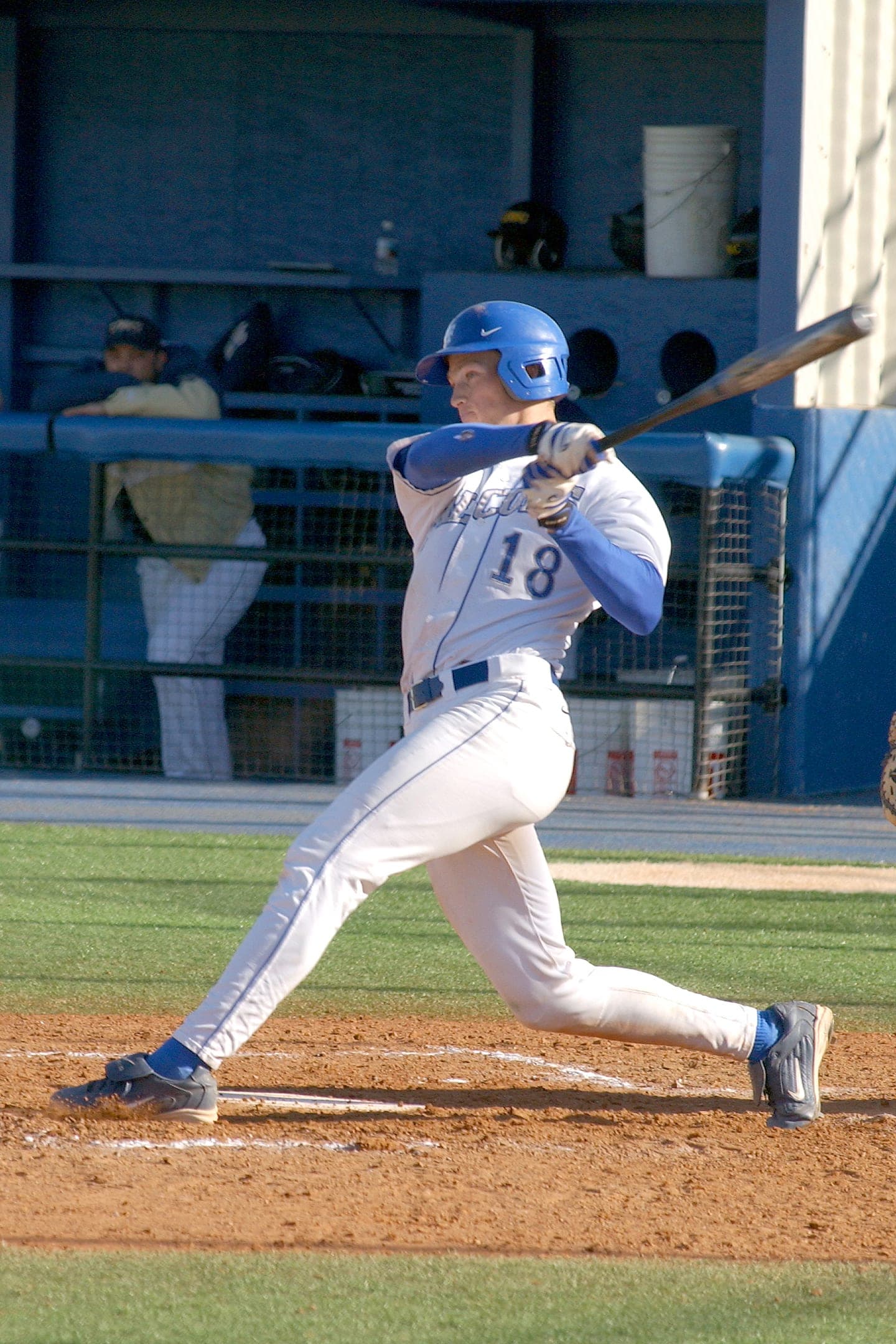
Softball
A friendly bat-and-ball team sport, closely related to baseball, played with a larger, softer ball.
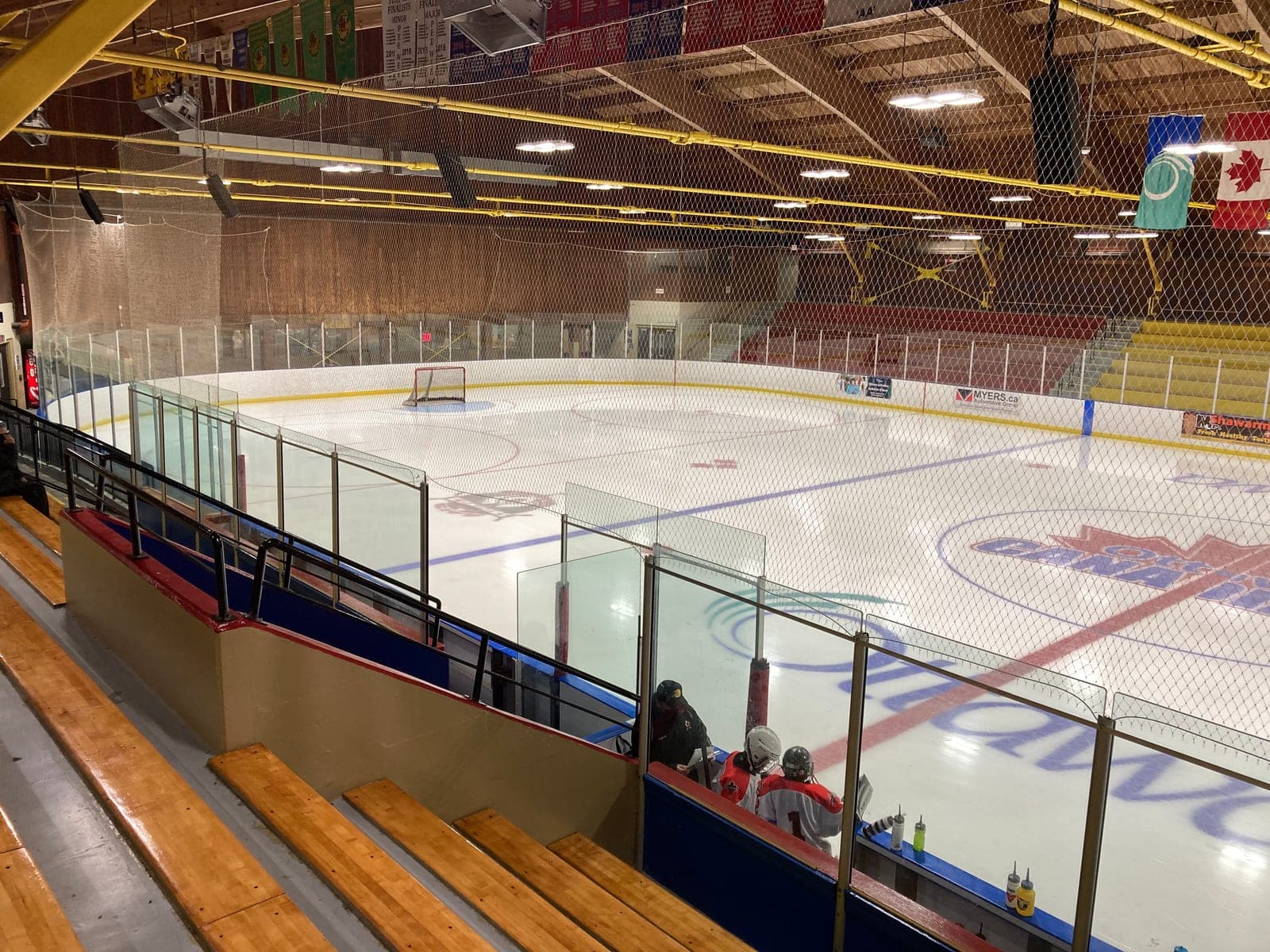
Ice Hockey
A fast team sport on ice that combines skating skill with quick passing and goal-scoring.
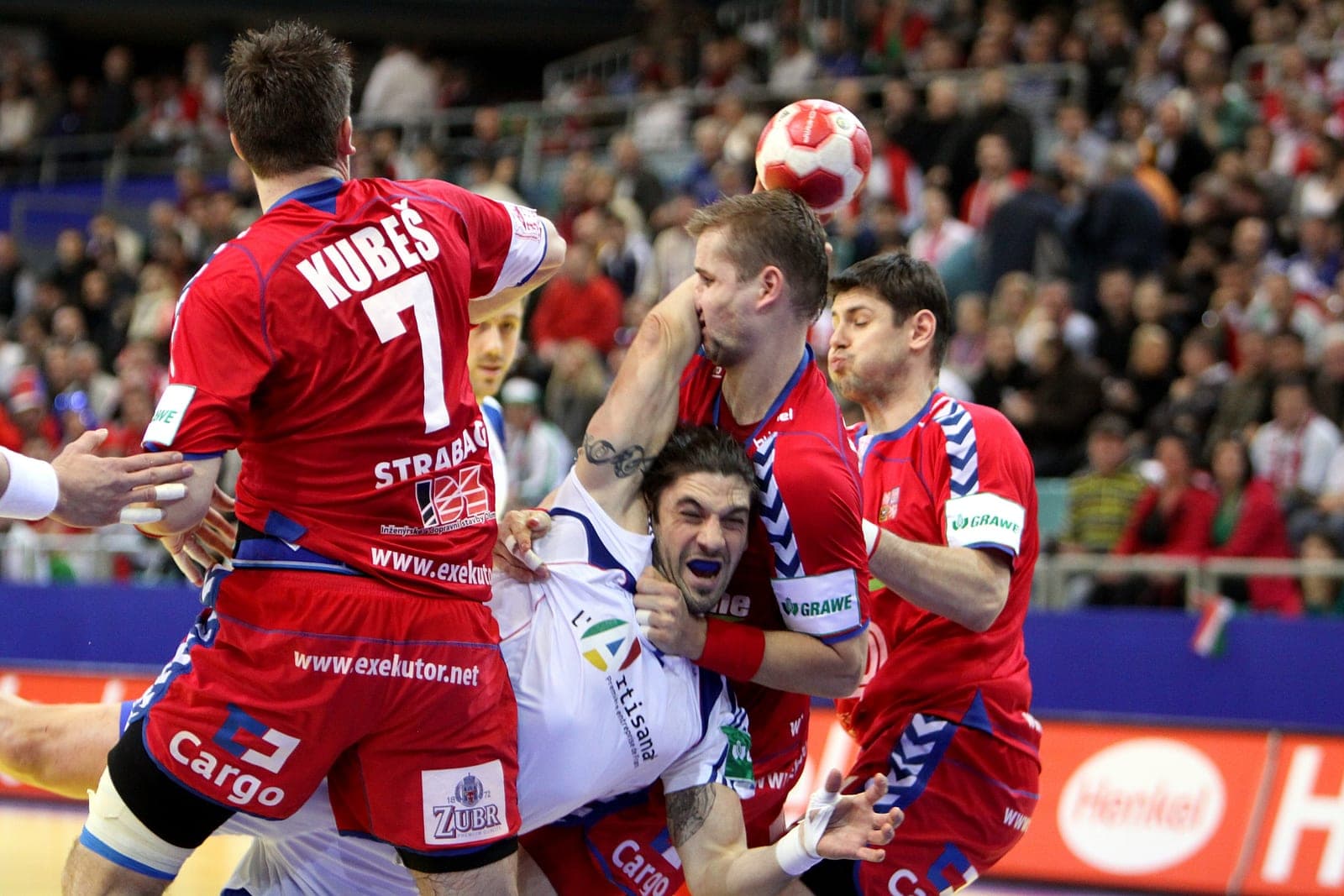
Handball
A fast indoor team sport of passing, jumping and throwing to score with the hands.
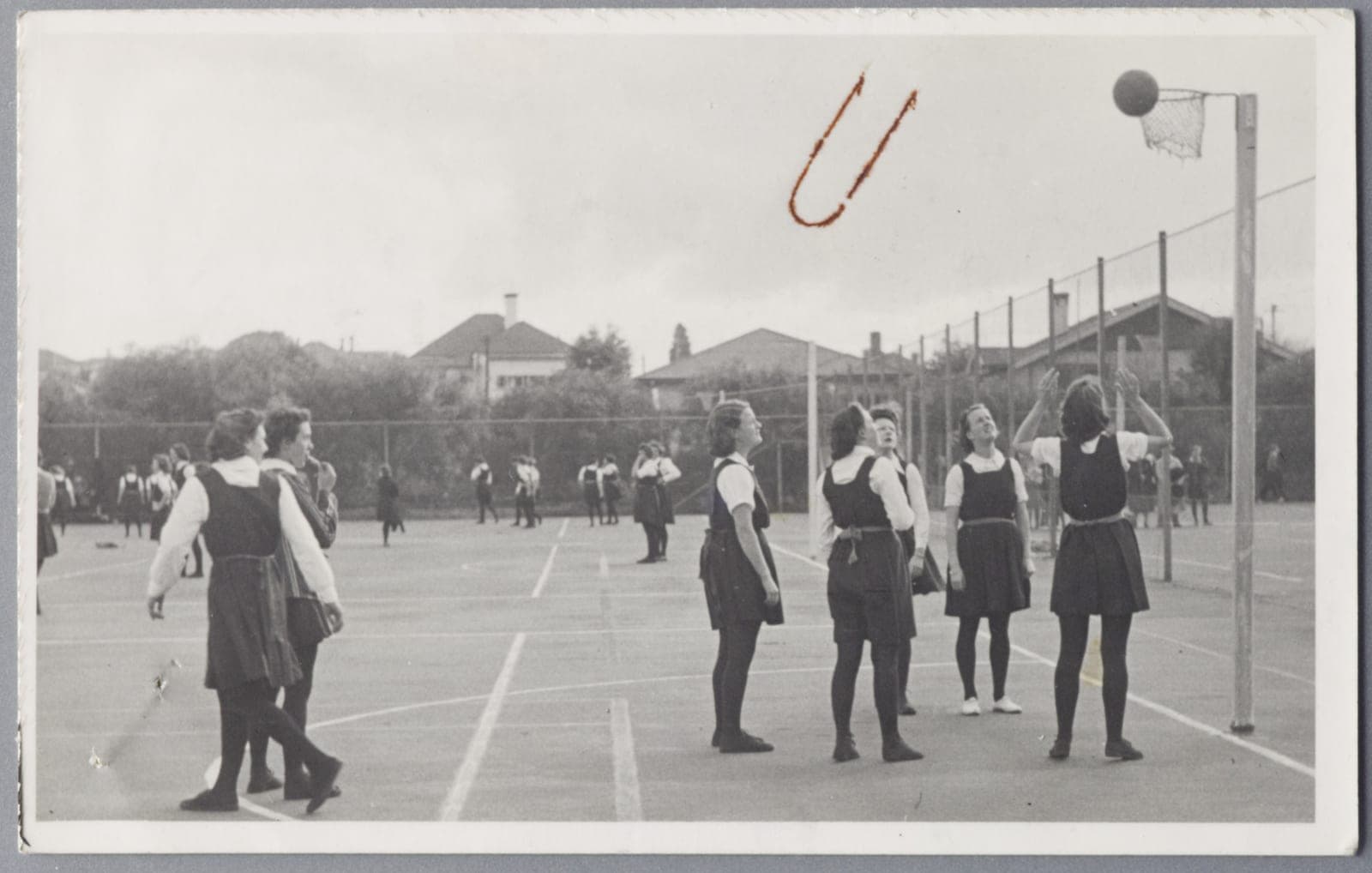
Netball
A non-contact, position-based team sport of quick passing and accurate shooting.
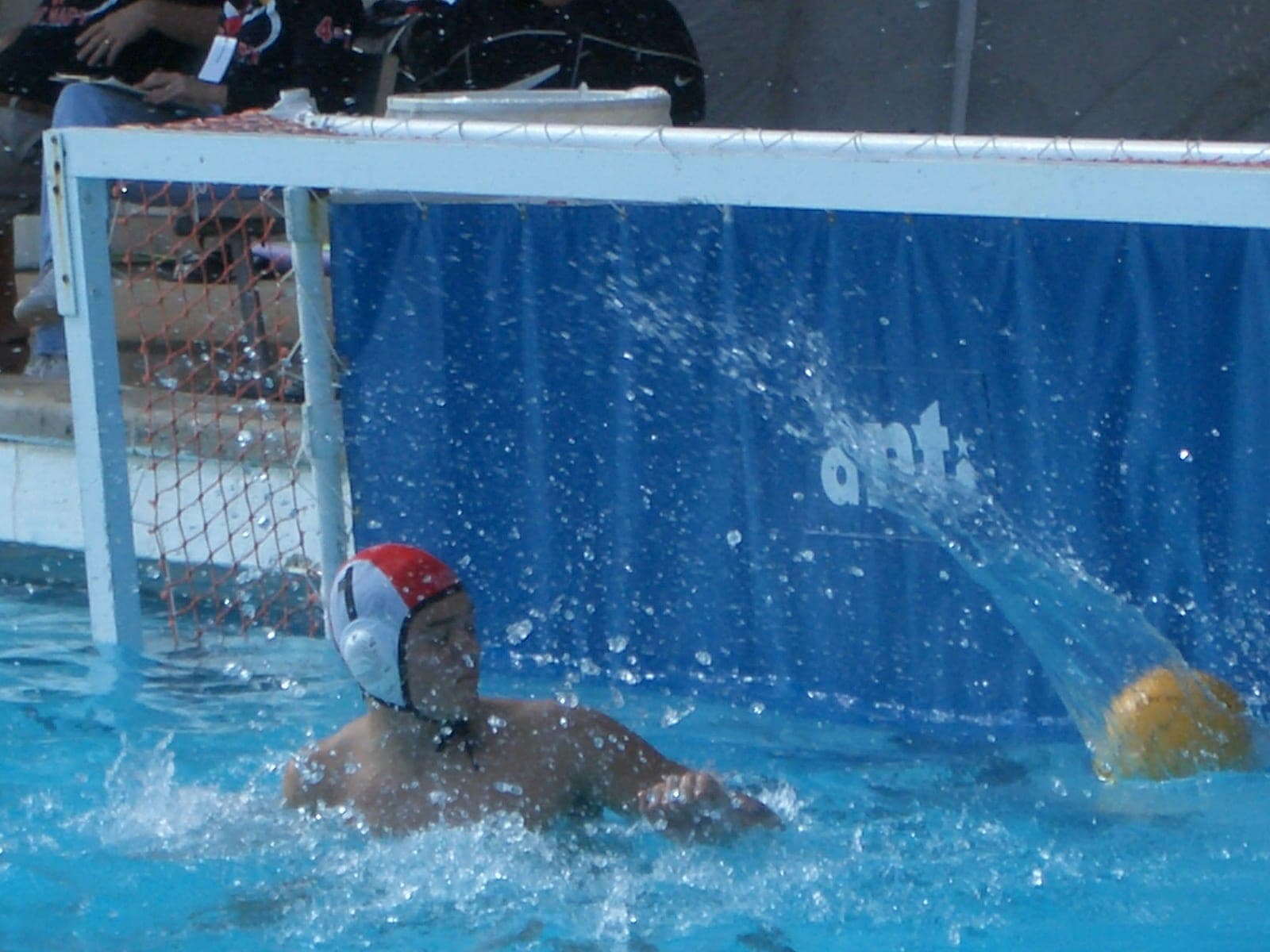
Water Polo
A demanding team sport played in deep water, blending swimming endurance with tactics.
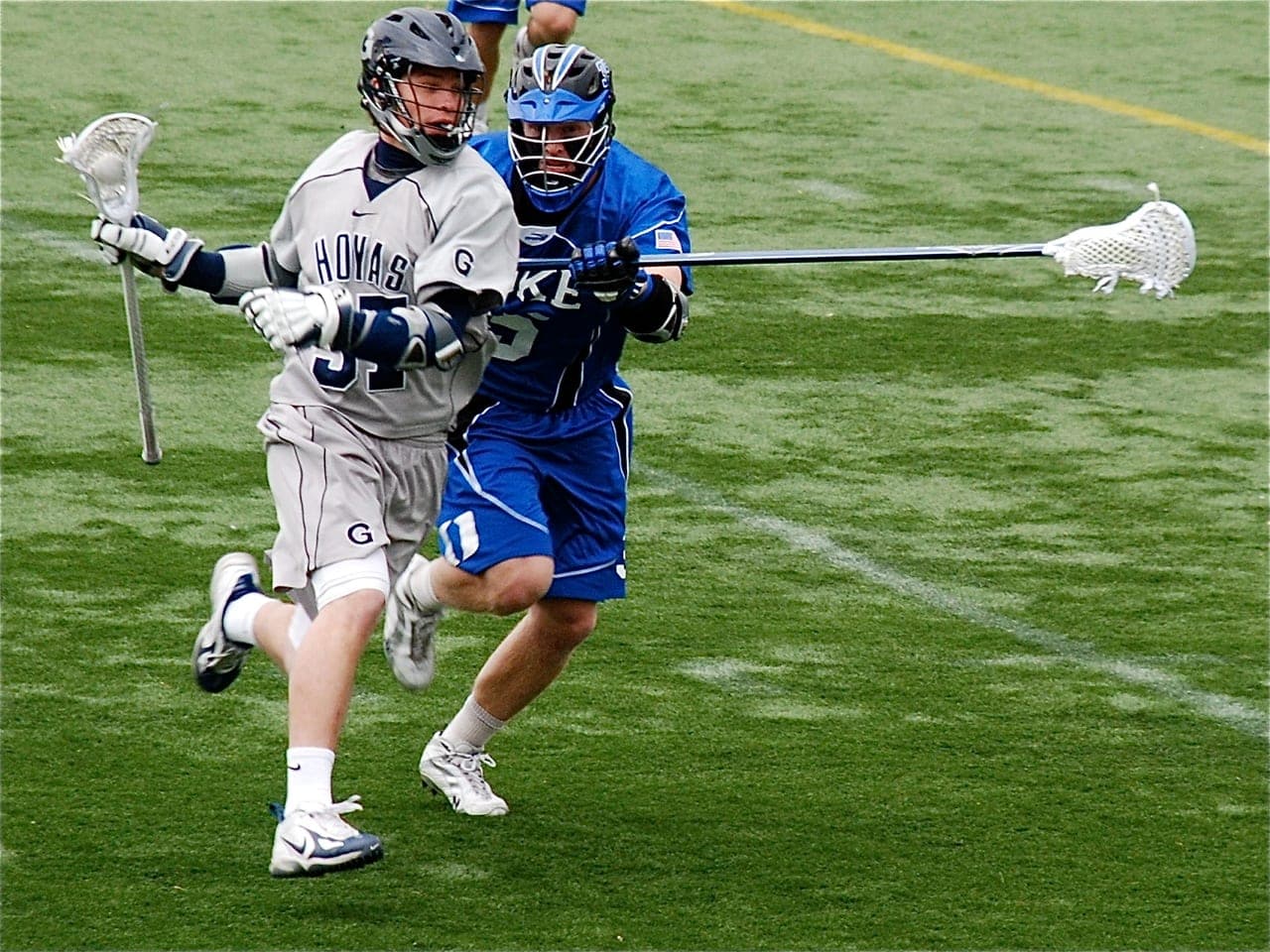
Lacrosse
A fast, stick-and-ball team sport of catching, cradling and shooting a small ball toward a goal.
Related officiating
Referee
The primary on-field official who enforces the rules, controls play, penalises fouls, awards restarts, and blows the whistle to start and stop a match.
Umpire
A match official who rules on lines, serves and dismissals in racket, bat-and-ball and net sports such as tennis, cricket and baseball — and, in racket sports, also keeps the running score.
Line Judge
A boundary-line official who calls whether the ball or player is in or out and flags foot faults, working under the head referee across many sports.
Explore across the knowledge base
Follow the threads that connect Scorekeeper to the rest of SocialSportHub.
Scoring systems
Rules
Positions
- OppositeThe opposite is a volleyball attacker who plays on the right side of the net, opposite the setter in the rotation, and is often a key scorer.
- Small forwardThe small forward is a versatile wing player in basketball who can score inside and outside while also defending multiple positions.
- Rugby union forwardsThe eight players who contest the set piece — front row, locks and back row — what each unit does at scrum, lineout and breakdown, and why the roles are so specialised.
Player roles
- FinisherA finisher is the attacking outlet in a team sport whose main job is converting chances into points — the striker, goal shooter or go-to scorer.
- PlaymakerThe playmaker is a team's creative hub — the player who orchestrates attacks, controls the tempo and distributes the ball so teammates can score.
How this page is maintained
- Content type
- Officiating concept
- Provenance
- Tier A — evergreen educational
- Verified external sources
- 0
- Content updated
- 2026-09-12
Evergreen, first-party explanation — it makes no claim that needs an external source. How we handle sources and reviews.