
Backstroke
The only competitive stroke swum on the back, using alternating overhead arm pulls and a steady flutter kick.
Overview
Backstroke is swum face-up, so breathing is unrestricted, and the arms alternate in a windmill pattern over the water. A flutter kick keeps the body high and level while the head stays still, looking upward.
A steady body roll toward each pulling arm and a stable head position keep backstroke straight and efficient.
How to do it
- 1Float on your back in a long, streamlined position.
- 2Reach one arm back and enter the water little-finger first.
- 3Pull that arm through the water while the other recovers over the surface.
- 4Roll your body gently toward the pulling arm.
- 5Keep a steady flutter kick and hold your head still throughout.
Key points
- Keep the head still and the eyes looking straight up.
- Roll the body toward each arm as it pulls.
- Enter the water little-finger first with a straight arm.
Where it’s used
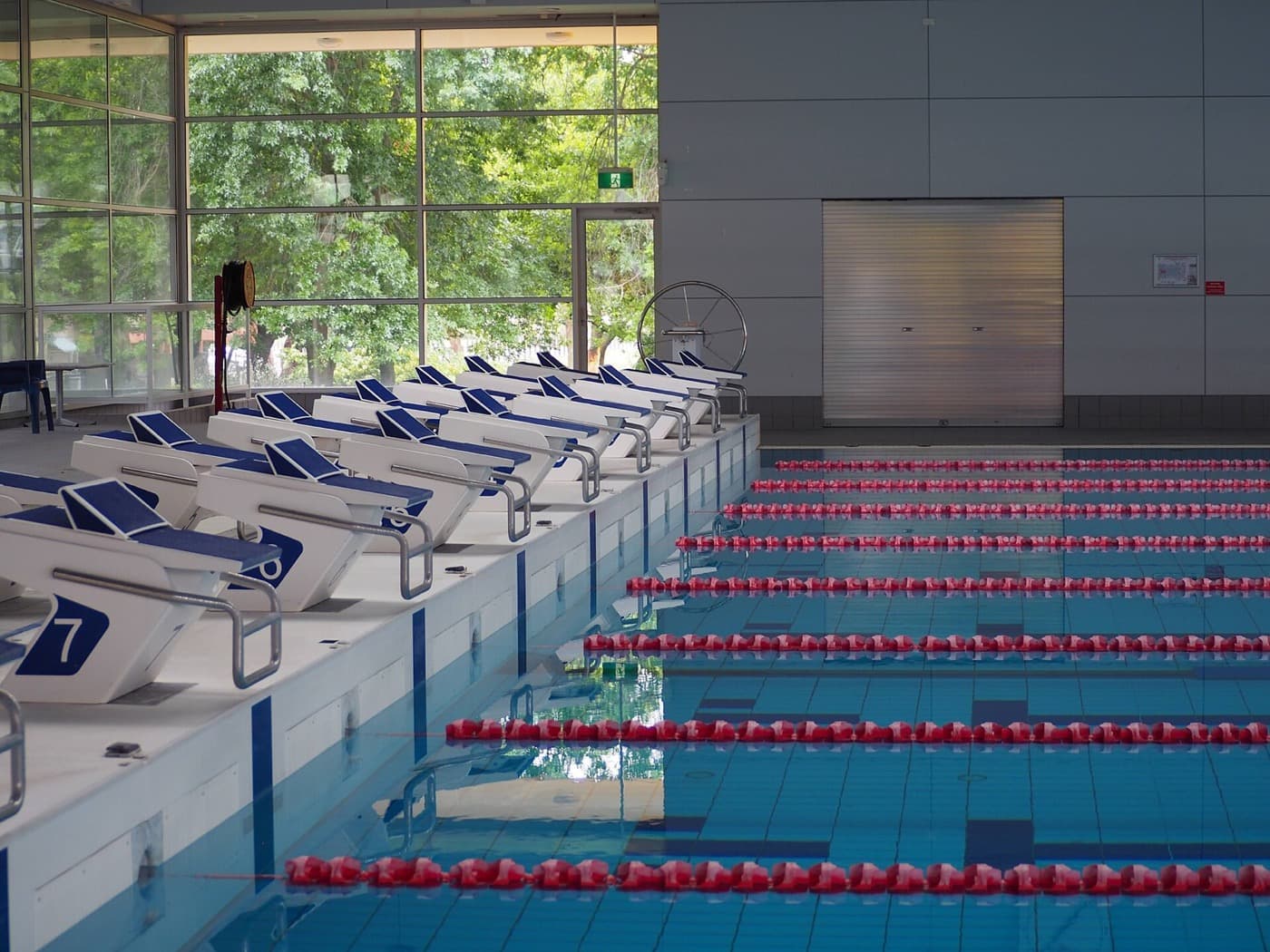
Sports that use backstroke:
Related techniques
Freestyle Stroke
The fastest swimming stroke, using alternating overhead arm pulls, a flutter kick and rhythmic side breathing.
Breaststroke
A swimming stroke with a simultaneous arm sweep, a whip-like frog kick and a glide, performed on the front.
Flip Turn
A fast turn in freestyle where the swimmer somersaults at the wall, pushes off on their back and rotates to continue swimming.
How it connects
The meaning-bearing relationships that place Backstroke in the wider knowledge graph — each one with the reason it exists.
Frequently learned together
Taught side by side in the same stage of a learning path.
Explore across the knowledge base
Follow the threads that connect Backstroke to the rest of SocialSportHub.
Movement patterns
- PullDrawing a load or your own body toward the torso — horizontal rows and vertical pull-ups — building the lats, mid-back and biceps and balancing the push.
- GlideGlide is continuous, low-resistance locomotion in which the body holds a streamlined shape so that momentum generated by a preceding propulsive action carries it smoothly across a surface or through a medium.
Disciplines
- BackstrokeBackstroke is swum face-up with an alternating arm pull and flutter kick — the one competitive stroke where you breathe freely because your face stays out of the water.
- Individual medleyThe individual medley (IM) combines all four strokes in a set order — butterfly, backstroke, breaststroke, then freestyle — testing all-round swimming across a single event.
- FreestyleFreestyle is the fastest swimming stroke, swum face-down with an alternating arm pull and flutter kick — the stroke most people picture when they think of swimming.
- ButterflyButterfly is swum with a simultaneous over-water arm recovery and an undulating dolphin kick — the most physically demanding stroke, built on rhythm and core-driven body movement.
Go deeper with Backstroke
Everywhere else on the platform that covers Backstroke — assembled from what actually references it, so nothing here is a dead end.
Learn it
Structured courses and paths on the platform that cover this directly.
Take it away
Open data and the whole-platform view of this subject.
How this page is maintained
- Content type
- Technique
- Provenance
- Tier A — evergreen educational
- Verified external sources
- 0
- Content updated
- 2026-09-12
Evergreen, first-party explanation — it makes no claim that needs an external source. How we handle sources and reviews.