
Water
The medium for aquatic sport — pool or open water that supports the body with buoyancy and resists movement with drag rather than giving footing.
Overview
Water is the playing medium for aquatic sport, whether held in a constructed pool or found in open settings such as lakes, rivers and the sea. Unlike a court or pitch it is not a footing surface at all: it supports the body through buoyancy and pushes back against every movement with drag. How it behaves depends on the setting — pool water is still, flat and temperature-controlled, while open water can carry currents, swell and chop.
Because there is no solid ground underfoot, athletes float, sit in a craft, or work between the surface and the depths. There is no bounce and no grip to speak of; propulsion instead comes from pushing against the water itself, and pace is governed by how efficiently a swimmer, paddler or hull can overcome resistance. Calm pool lanes reward clean, repeatable technique, whereas moving open water adds the extra task of reading and working with the conditions.
How it plays
- Buoyancy supports the body, so athletes float rather than stand — there is no footing to push off from except the pool wall or a starting block.
- Every stroke, paddle or kick works against drag, so streamlined, efficient movement matters more than raw power.
- There is no bounce or rebound — the surface absorbs and dampens movement rather than returning it.
- Still pool water is flat and predictable, favouring consistent technique and pacing; open water adds currents, swell and chop to read.
- Wind, waves and moving water can turn the surface itself into something to work with, a defining factor for sailing, surfing and paddling.
Where it’s used
Sports that use water:
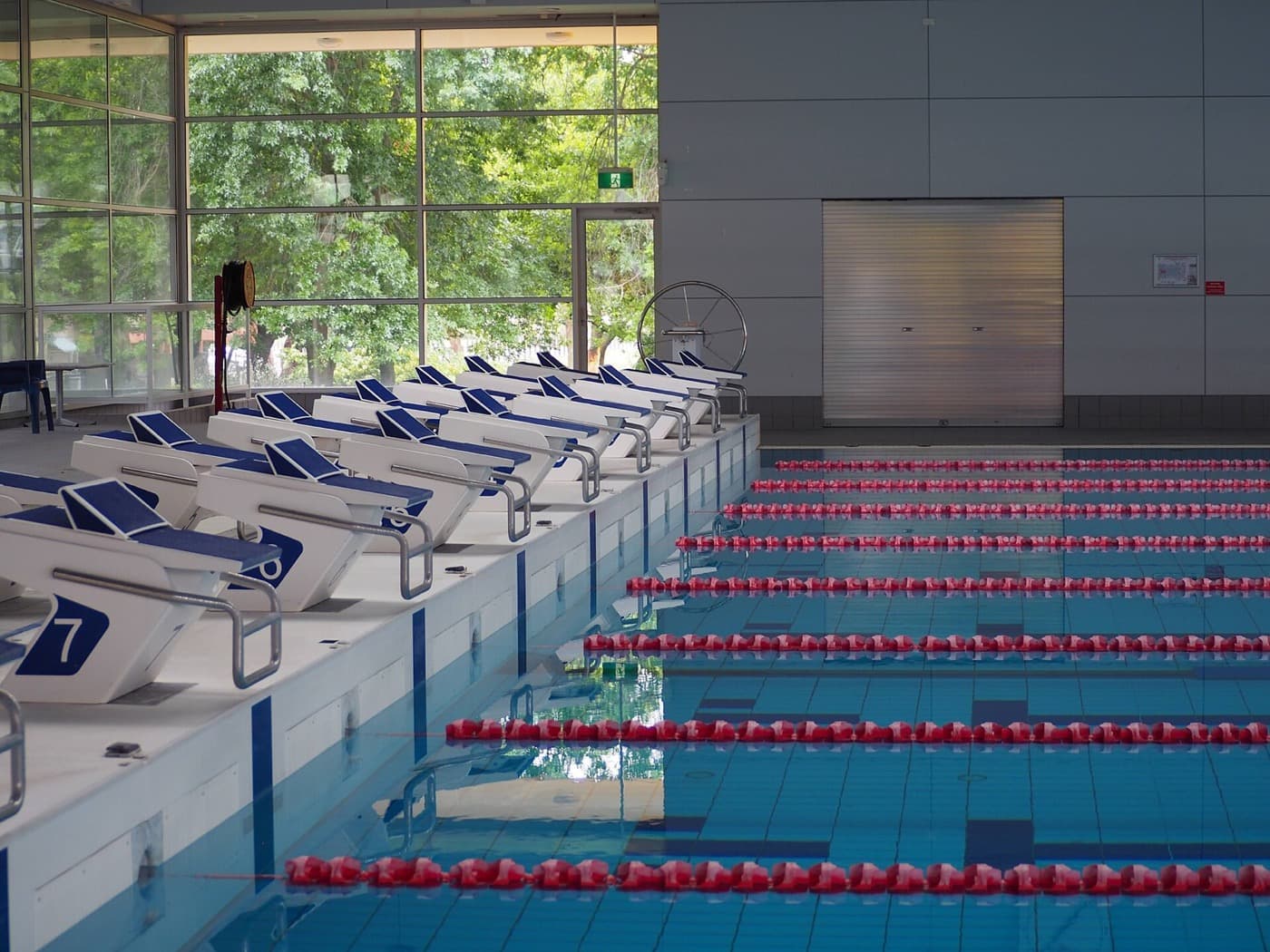
Swimming
A full-body, low-impact endurance sport suitable for almost every age and ability.
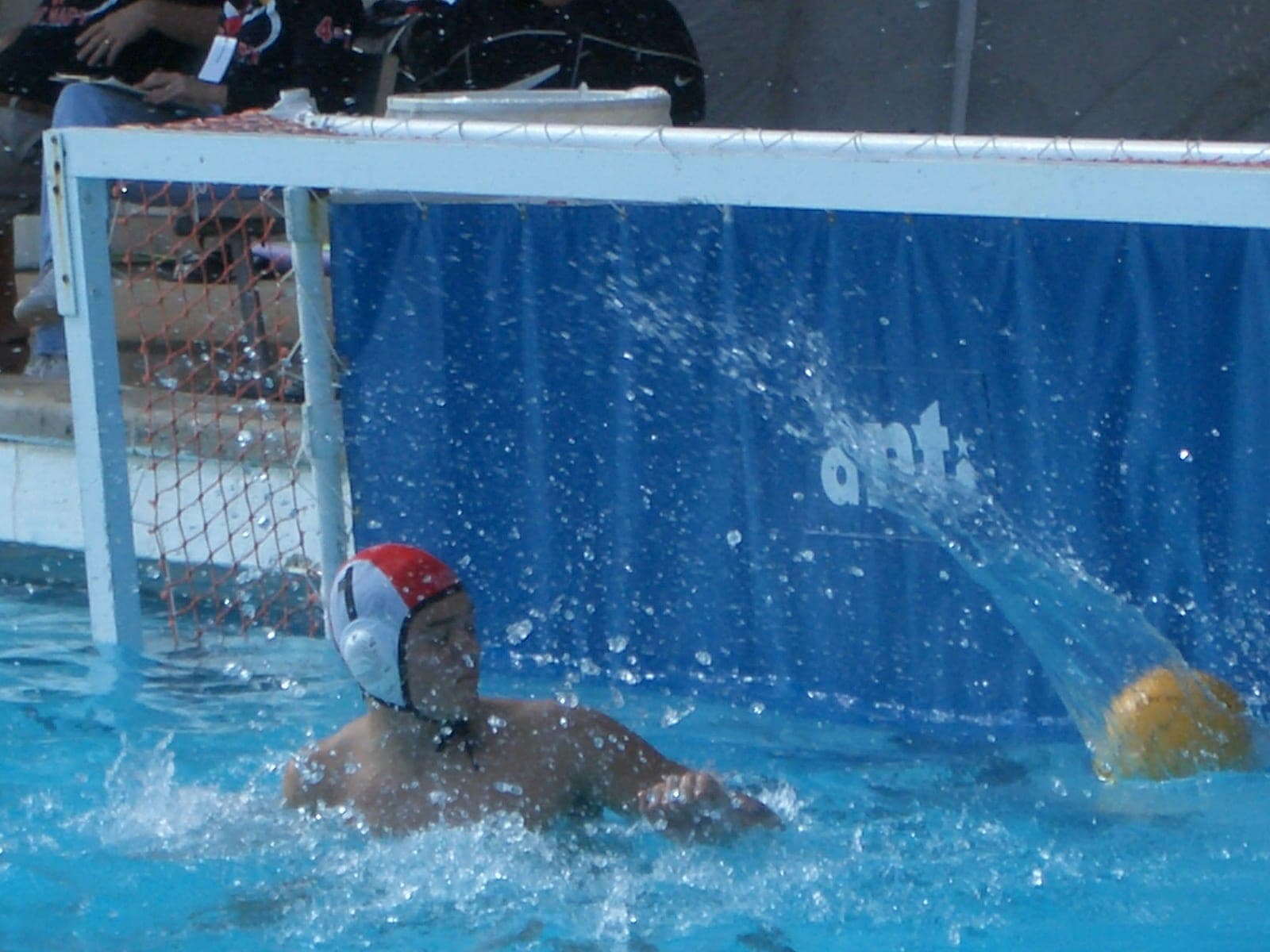
Water Polo
A demanding team sport played in deep water, blending swimming endurance with tactics.
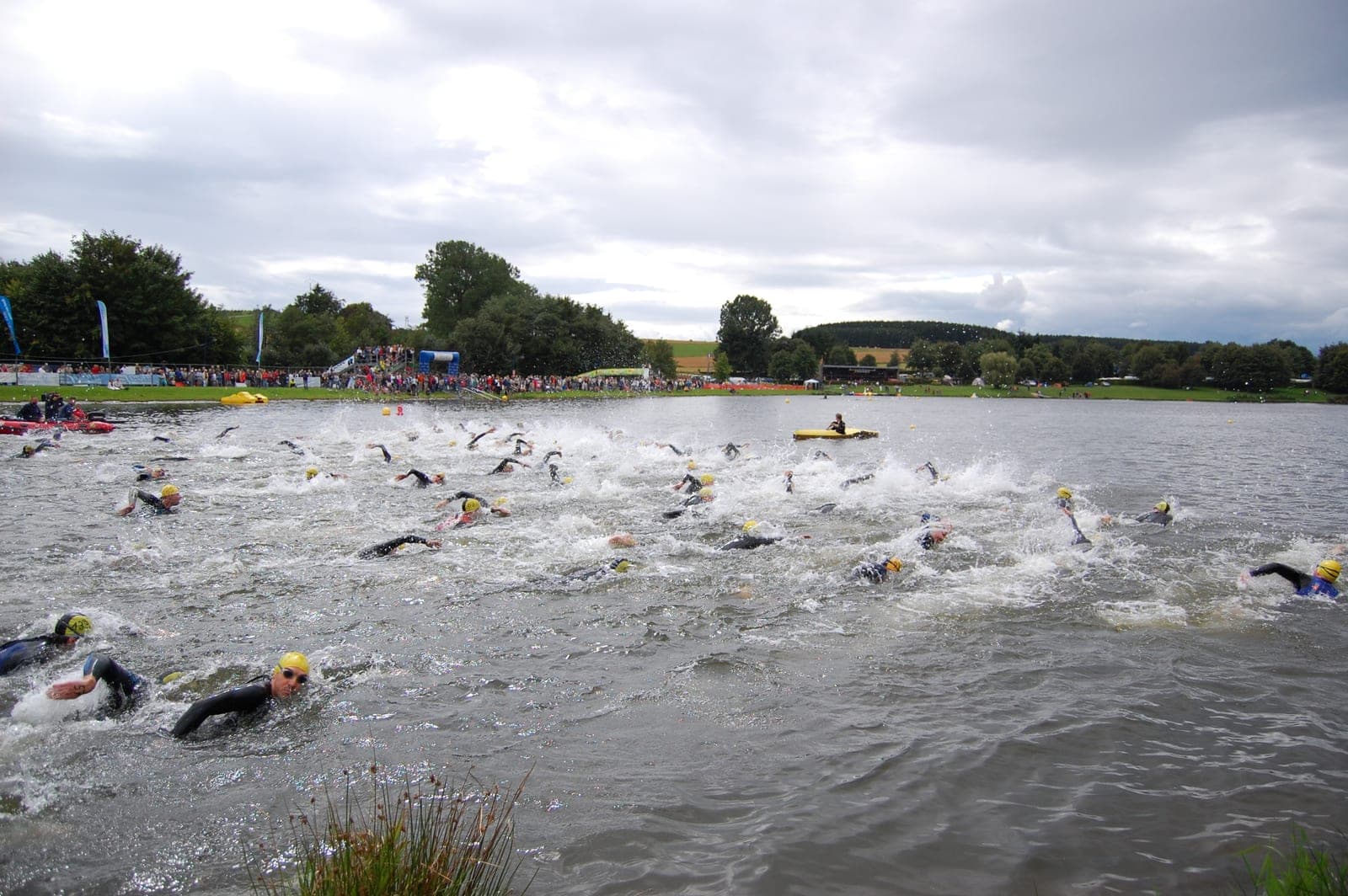
Open-Water Swimming
Swimming in lakes, rivers and the sea, blending endurance training with the experience of being out in nature.
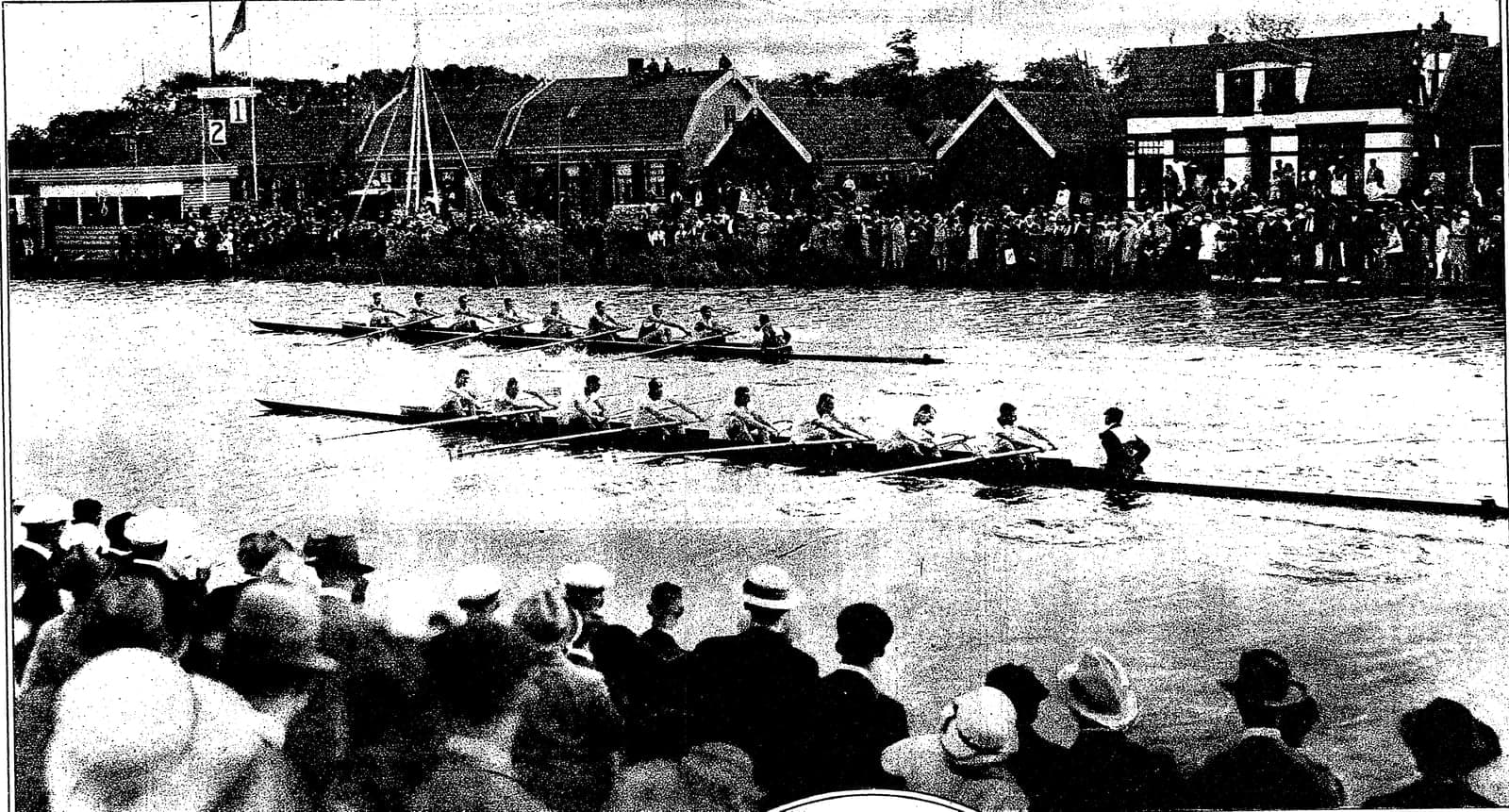
Rowing
A rhythmic, full-body endurance sport on the water or on an indoor machine.
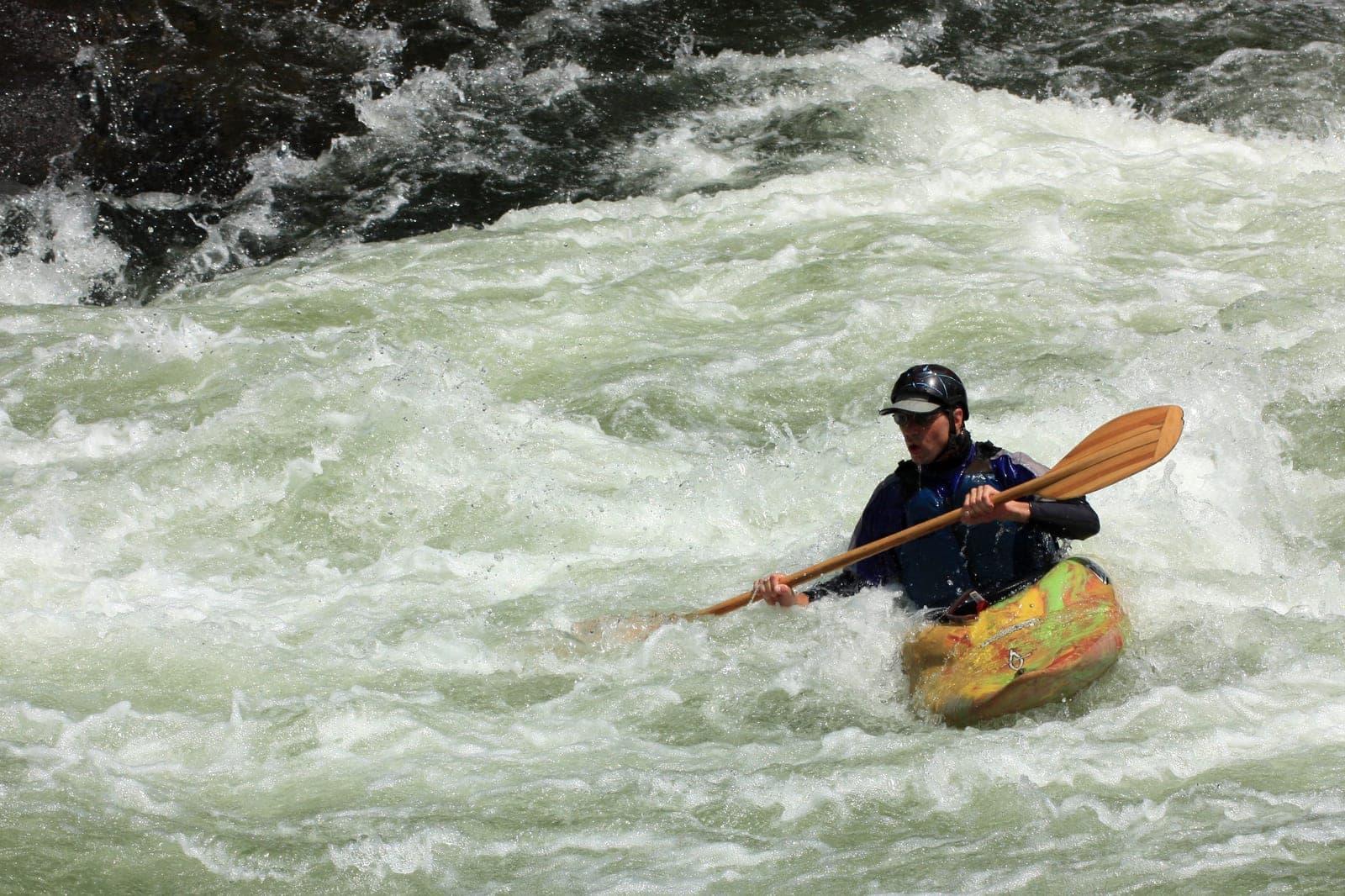
Kayaking
A versatile paddle sport in a small, low-seated boat, from calm lakes to flowing rivers and sheltered coast.
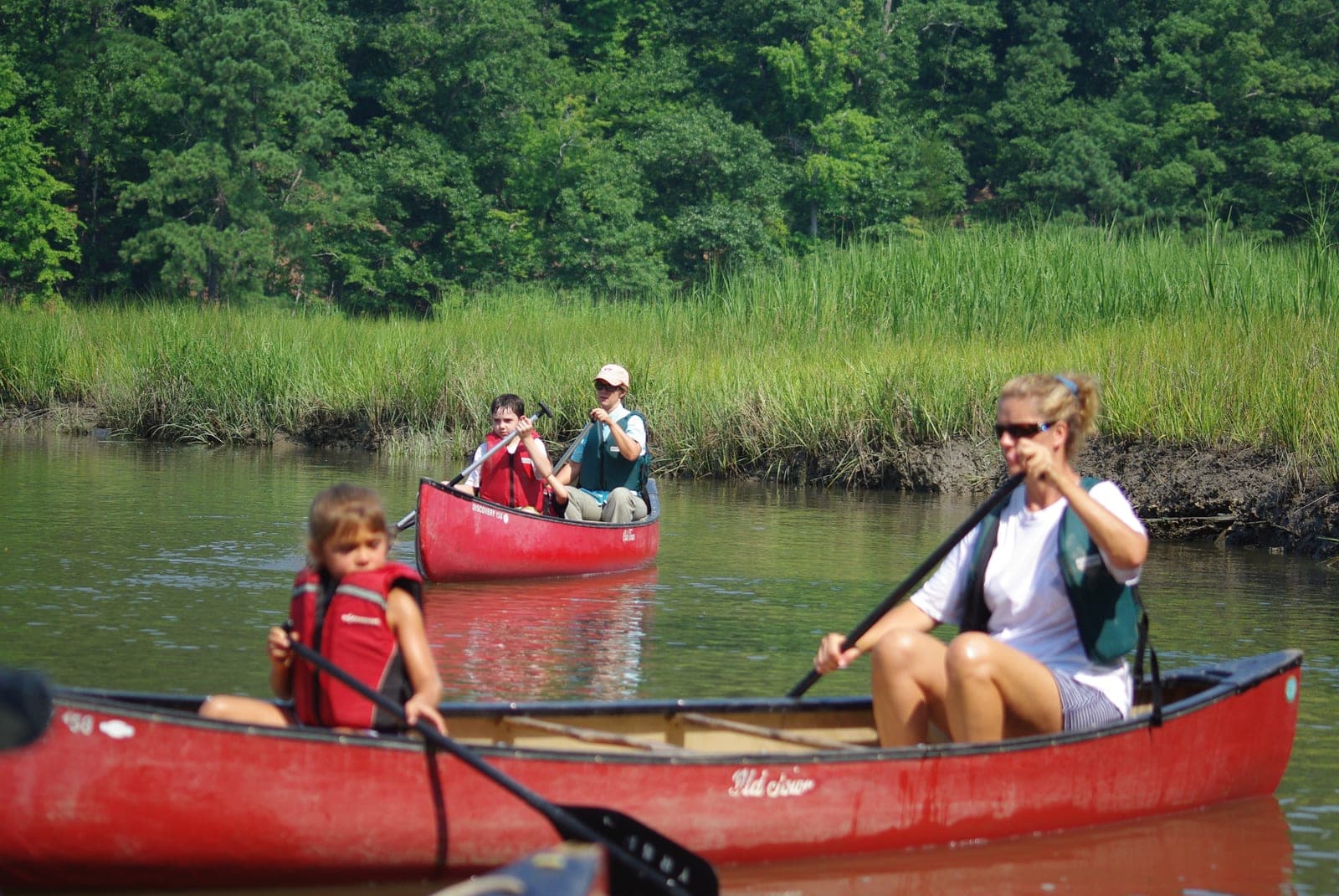
Canoeing
A classic open-boat paddle sport, propelled with a single-bladed paddle, ideal for calm lakes and gentle rivers.
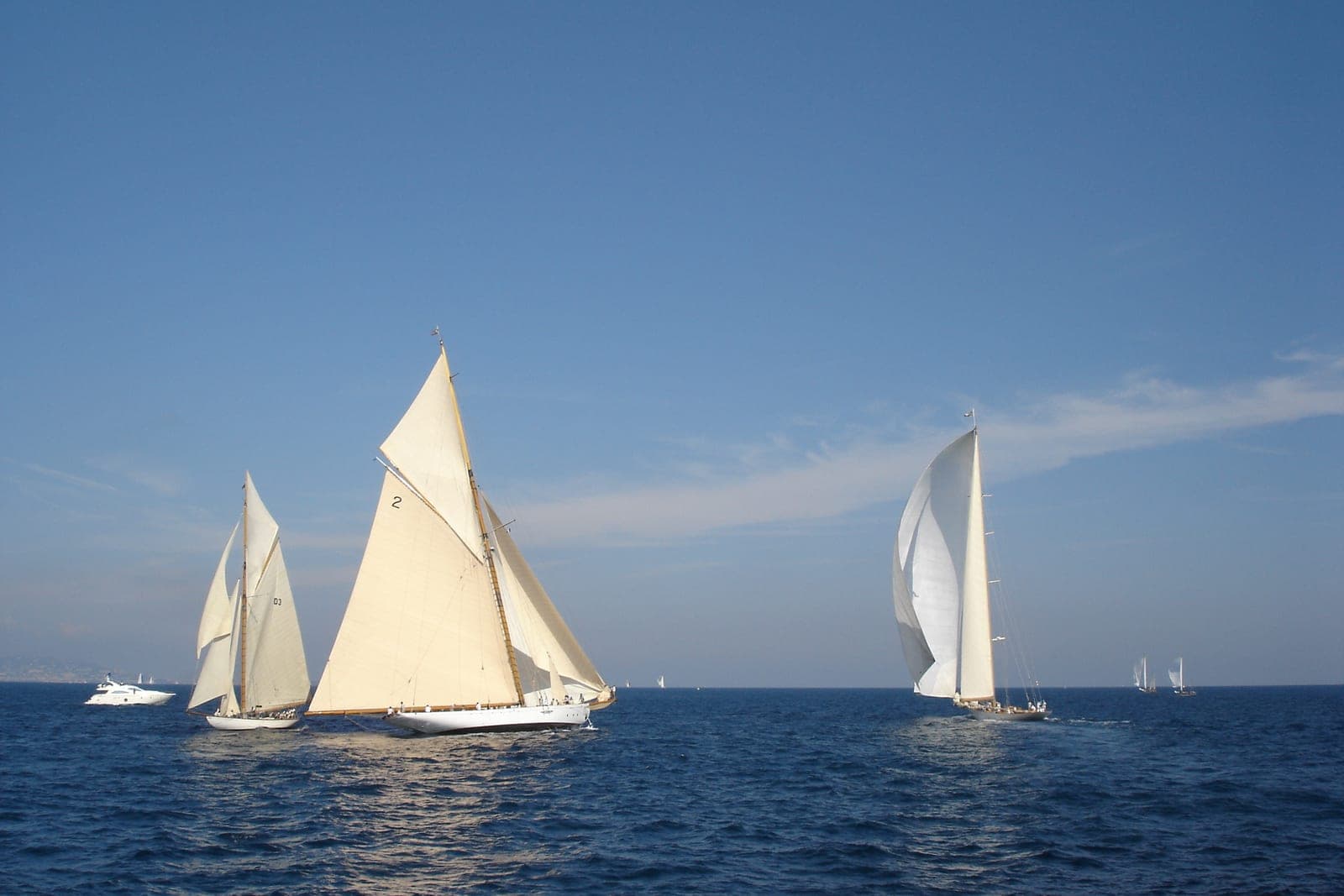
Sailing
The craft of using the wind to move a boat across the water, from small dinghies to larger crewed yachts.
Surfing
An ocean board sport of paddling into waves and riding them toward shore, balancing skill and reading the sea.
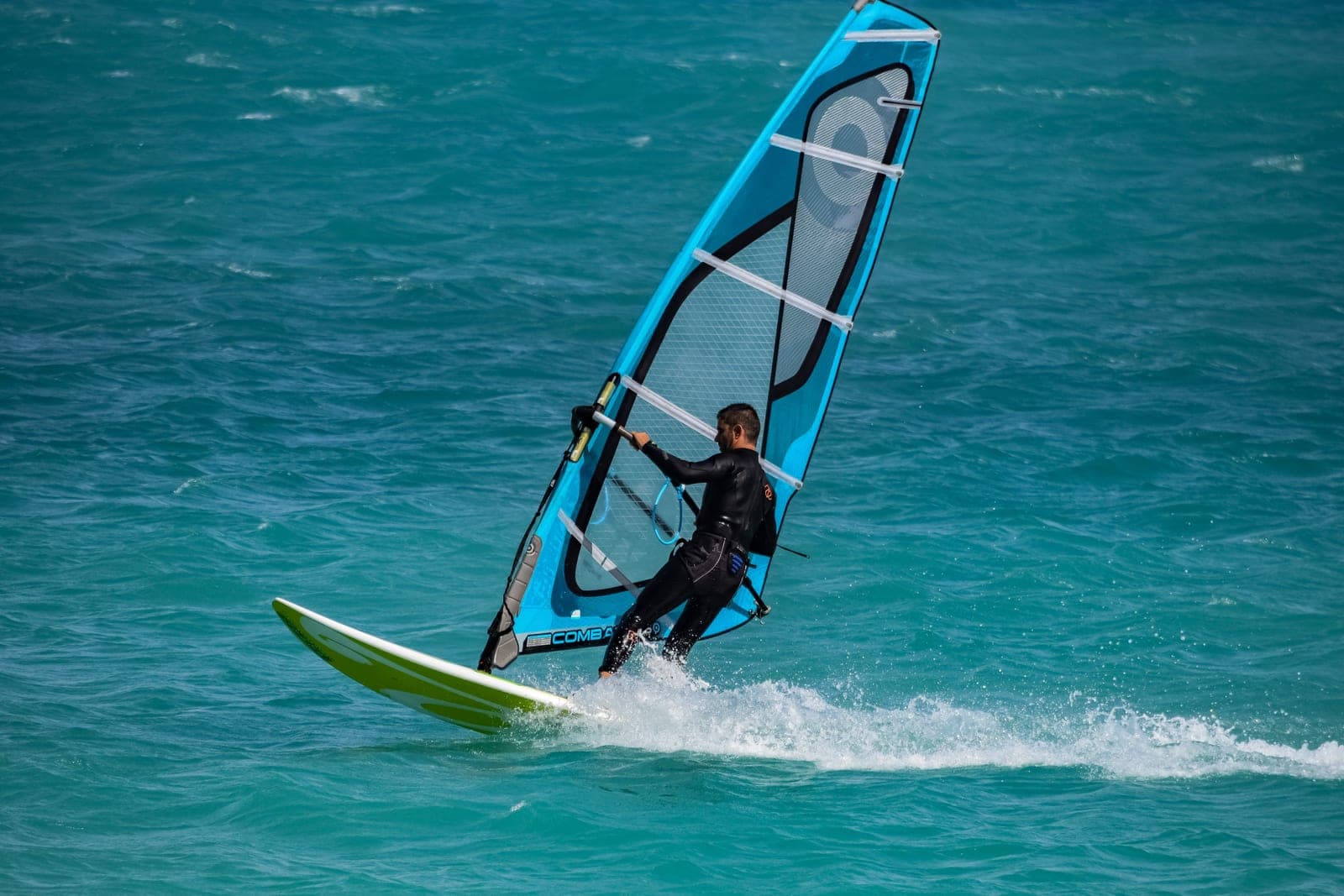
Windsurfing
A board sport with a wind-powered sail attached, blending balance and sail control to glide across the water.
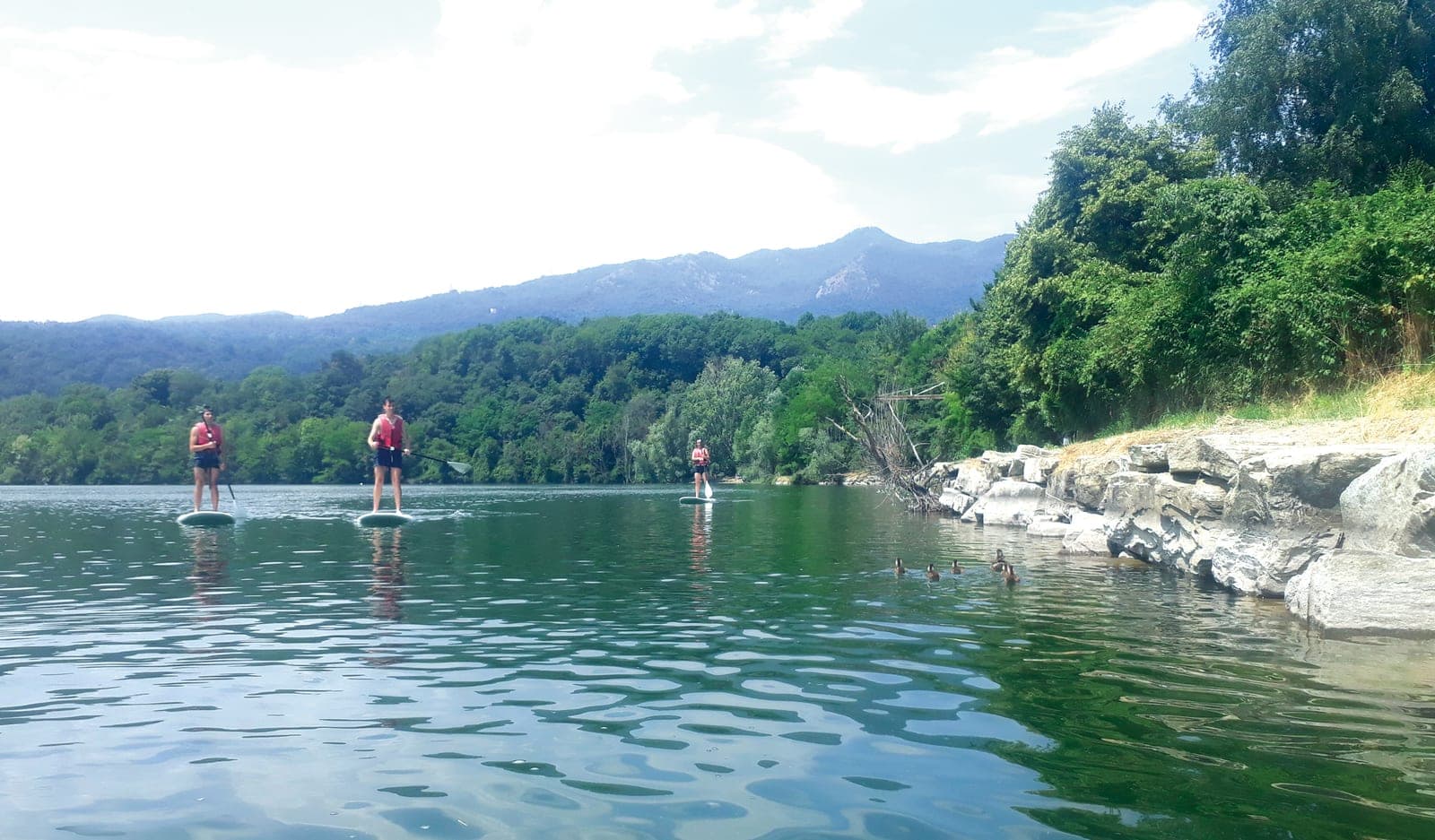
Stand-Up Paddleboarding
A calm, accessible paddle sport where you stand on a wide board and propel yourself with a single long paddle.
Scuba Diving
An underwater sport using breathing equipment to explore beneath the surface, always learned through qualified training.
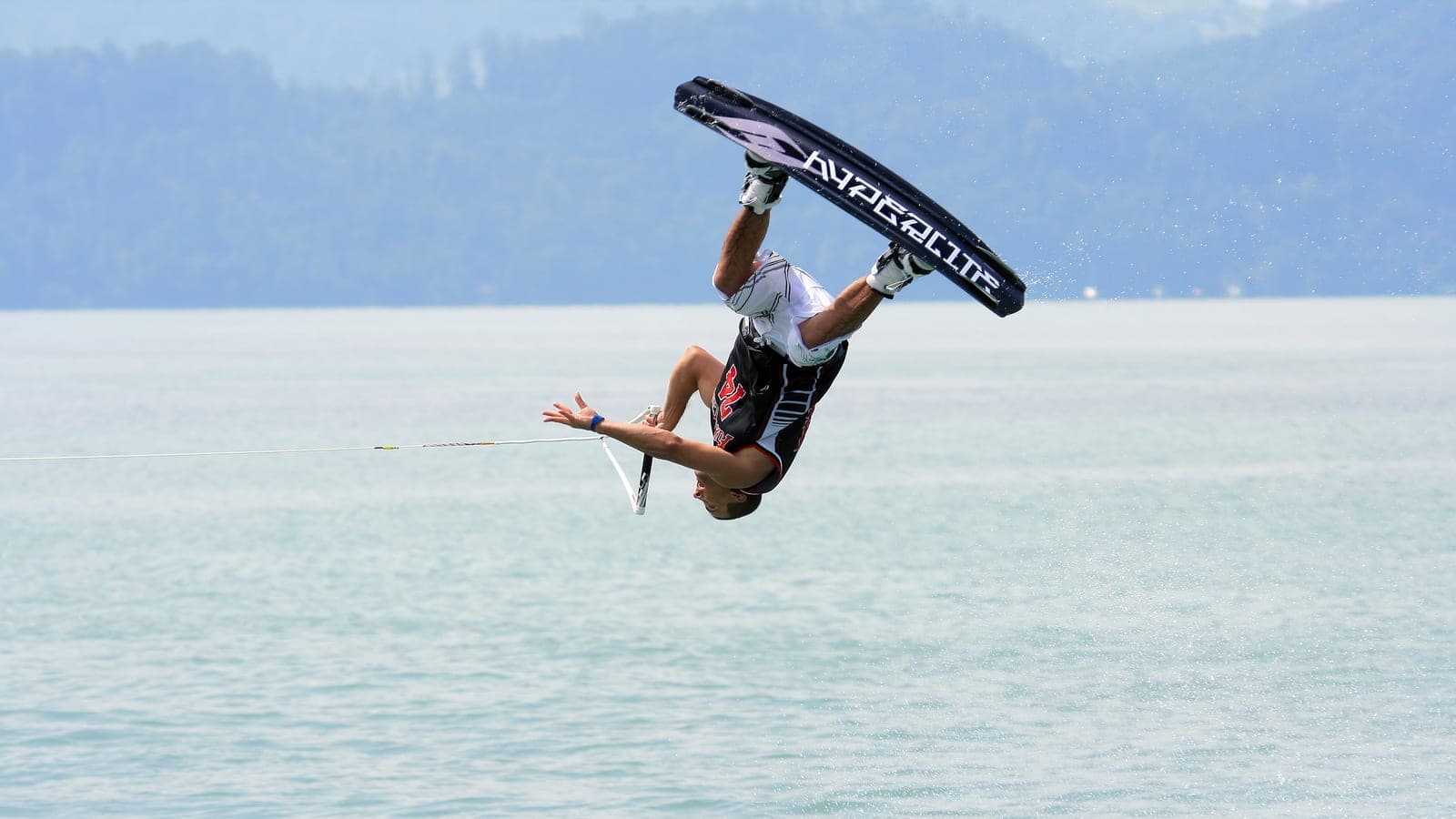
Wakeboarding
A towed board sport where a rider is pulled across the water behind a boat or cable, carving and jumping the wake.
How it connects
The meaning-bearing relationships that place Water in the wider knowledge graph — each one with the reason it exists.
Frequently learned together
Taught side by side in the same stage of a learning path.
- Swimming gogglesBoth are taught in the “What you’ll need” stage of the Swimming learning path.
- Swim finsBoth are taught in the “What you’ll need” stage of the Swimming learning path.
- Swimming poolBoth are taught in the “What you’ll need” stage of the Swimming learning path.
- WetsuitBoth are taught in the “What you’ll need” stage of the Open-Water Swimming learning path.
Explore across the knowledge base
Follow the threads that connect Water to the rest of SocialSportHub.
Equipment
Facilities
Techniques
- Freestyle StrokeThe fastest swimming stroke, using alternating overhead arm pulls, a flutter kick and rhythmic side breathing.
- Flip TurnA fast turn in freestyle where the swimmer somersaults at the wall, pushes off on their back and rotates to continue swimming.
- BreaststrokeA swimming stroke with a simultaneous arm sweep, a whip-like frog kick and a glide, performed on the front.
- BackstrokeThe only competitive stroke swum on the back, using alternating overhead arm pulls and a steady flutter kick.
- Inside-of-the-Foot PassThe most reliable short pass in football, played with the inside surface of the foot for accuracy over a short to medium distance.
Disciplines
- FreestyleFreestyle is the fastest swimming stroke, swum face-down with an alternating arm pull and flutter kick — the stroke most people picture when they think of swimming.
- BackstrokeBackstroke is swum face-up with an alternating arm pull and flutter kick — the one competitive stroke where you breathe freely because your face stays out of the water.
- BreaststrokeBreaststroke uses a simultaneous, symmetric arm sweep and a whip-like frog kick, with a distinct glide between strokes — technical, rhythmic and the slowest of the four strokes.
- ButterflyButterfly is swum with a simultaneous over-water arm recovery and an undulating dolphin kick — the most physically demanding stroke, built on rhythm and core-driven body movement.
- Individual medleyThe individual medley (IM) combines all four strokes in a set order — butterfly, backstroke, breaststroke, then freestyle — testing all-round swimming across a single event.
Learning paths
- Learn SwimmingA structured, educational learning path for swimming — from the rules to skills, techniques, tactics and training.
- Learn Water PoloA structured, educational learning path for water polo — from the rules to skills, techniques, tactics and training.
- Learn Open-Water SwimmingA structured, educational learning path for open-water swimming — from the rules to skills, techniques, tactics and training.
Go deeper with Water
Everywhere else on the platform that covers Water — assembled from what actually references it, so nothing here is a dead end.
Learn it
Structured courses and paths on the platform that cover this directly.
How this page is maintained
- Content type
- Playing surface
- Provenance
- Tier A — evergreen educational
- Verified external sources
- 0
- Content updated
- 2026-09-12
Evergreen, first-party explanation — it makes no claim that needs an external source. How we handle sources and reviews.