Skis
Paired shaped boards attached to boots that let a rider glide and turn on snow.
Overview
Skis are long, shaped boards worn one on each foot. The base glides over snow, steel edges along both sides bite into it, and the waisted, hourglass shape is what lets a tilted ski bend into an arc and turn rather than travelling straight.
Alpine skis attach at both toe and heel through a binding designed to release under load, and different shapes suit different jobs — narrower skis for firm pistes, wider ones for soft snow. Beginners very often hire, because hire shops set the bindings and matching length to the skier.
Good to know
- Steel edges are what grip the snow; the base is what glides.
- The waisted shape lets an edged ski bend into an arc and turn.
- Bindings are designed to release under load and are set to the skier.
- Narrower skis suit firm pistes; wider ones float better in soft snow.
- Hiring is common and normal while learning.
Where it’s used
Sports that use skis:
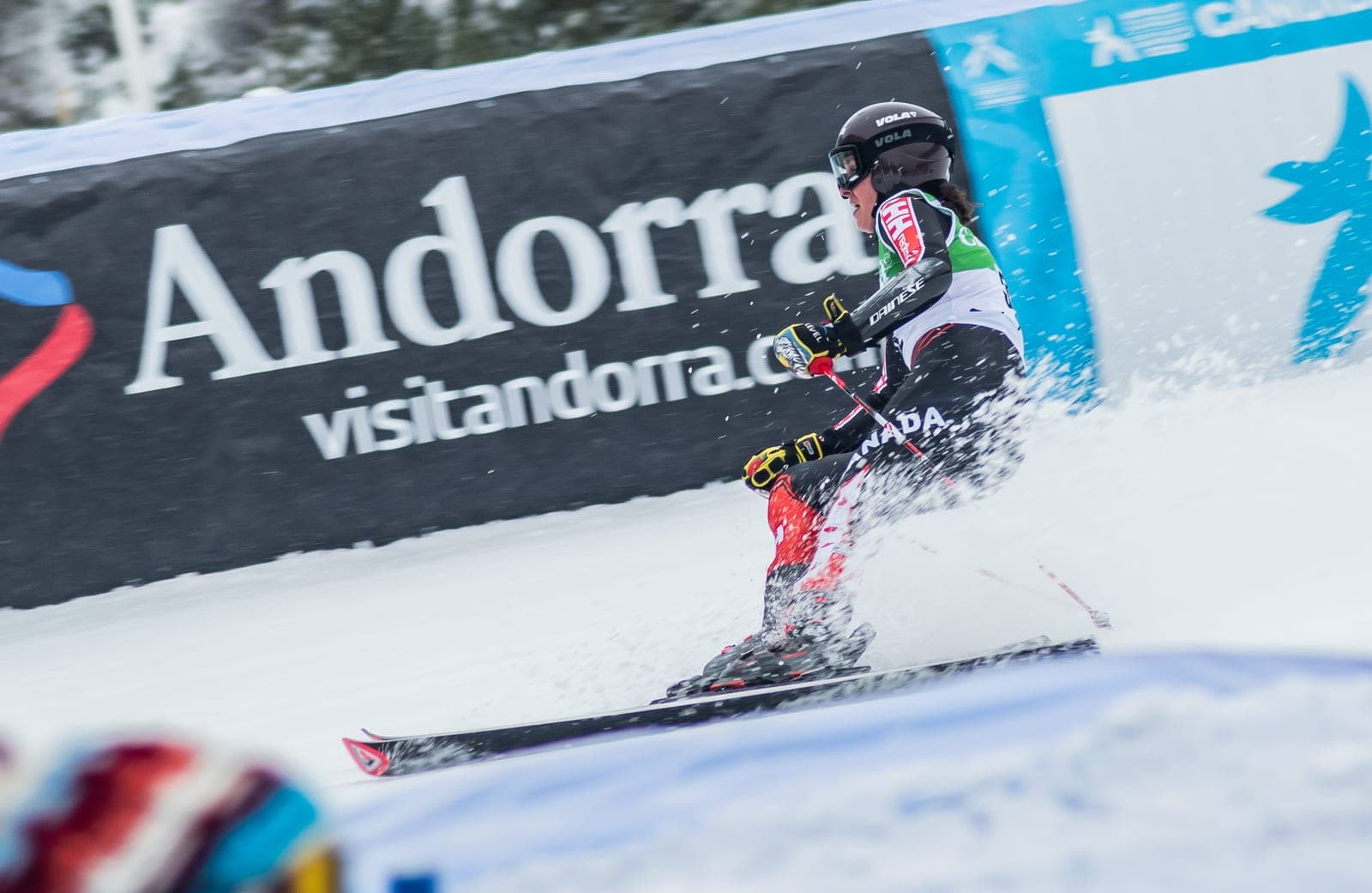
Alpine Skiing
A downhill snow sport where you glide and turn down groomed slopes on a pair of skis.
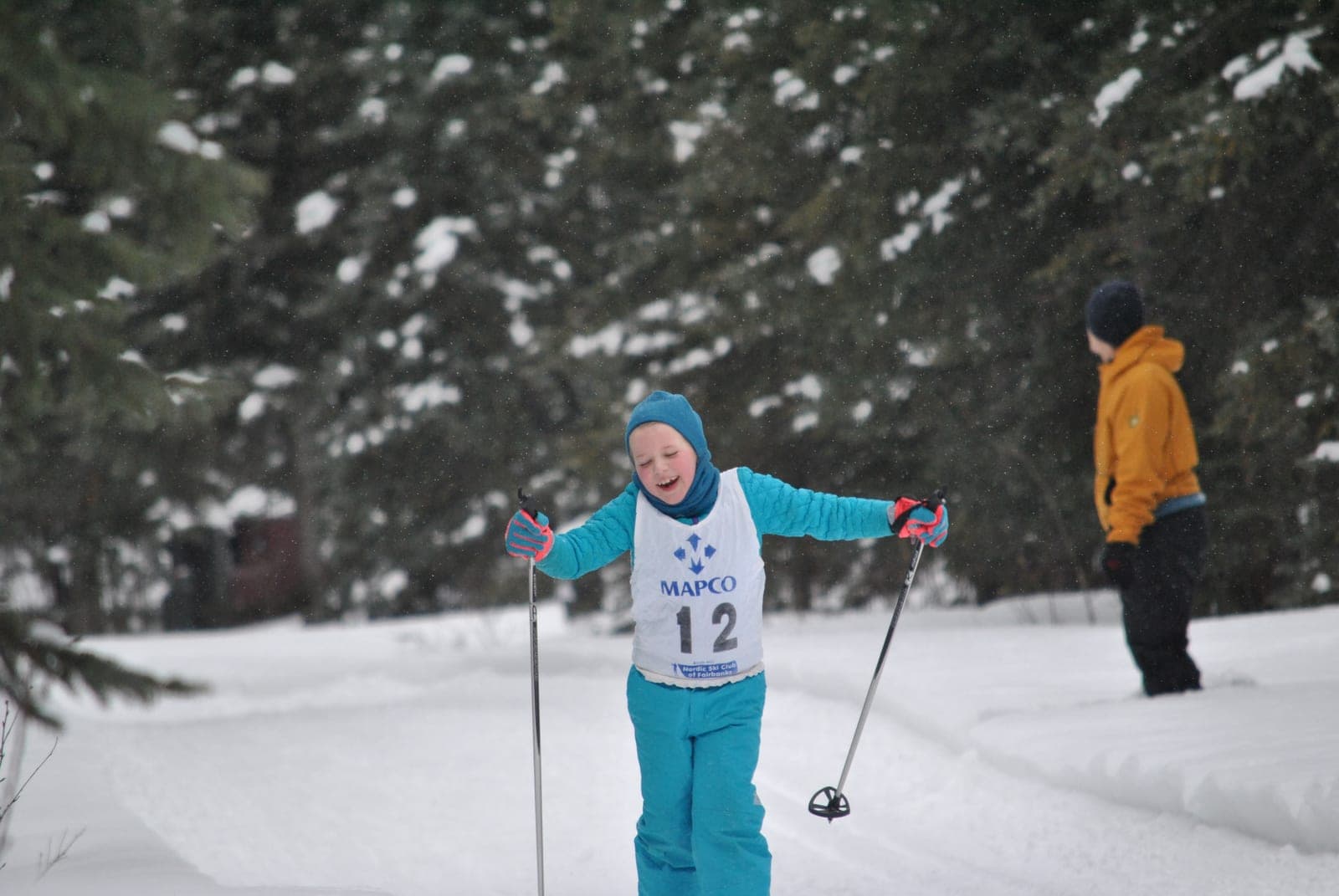
Cross-Country Skiing
A low-impact endurance snow sport where you propel yourself across flat and rolling terrain on skis.
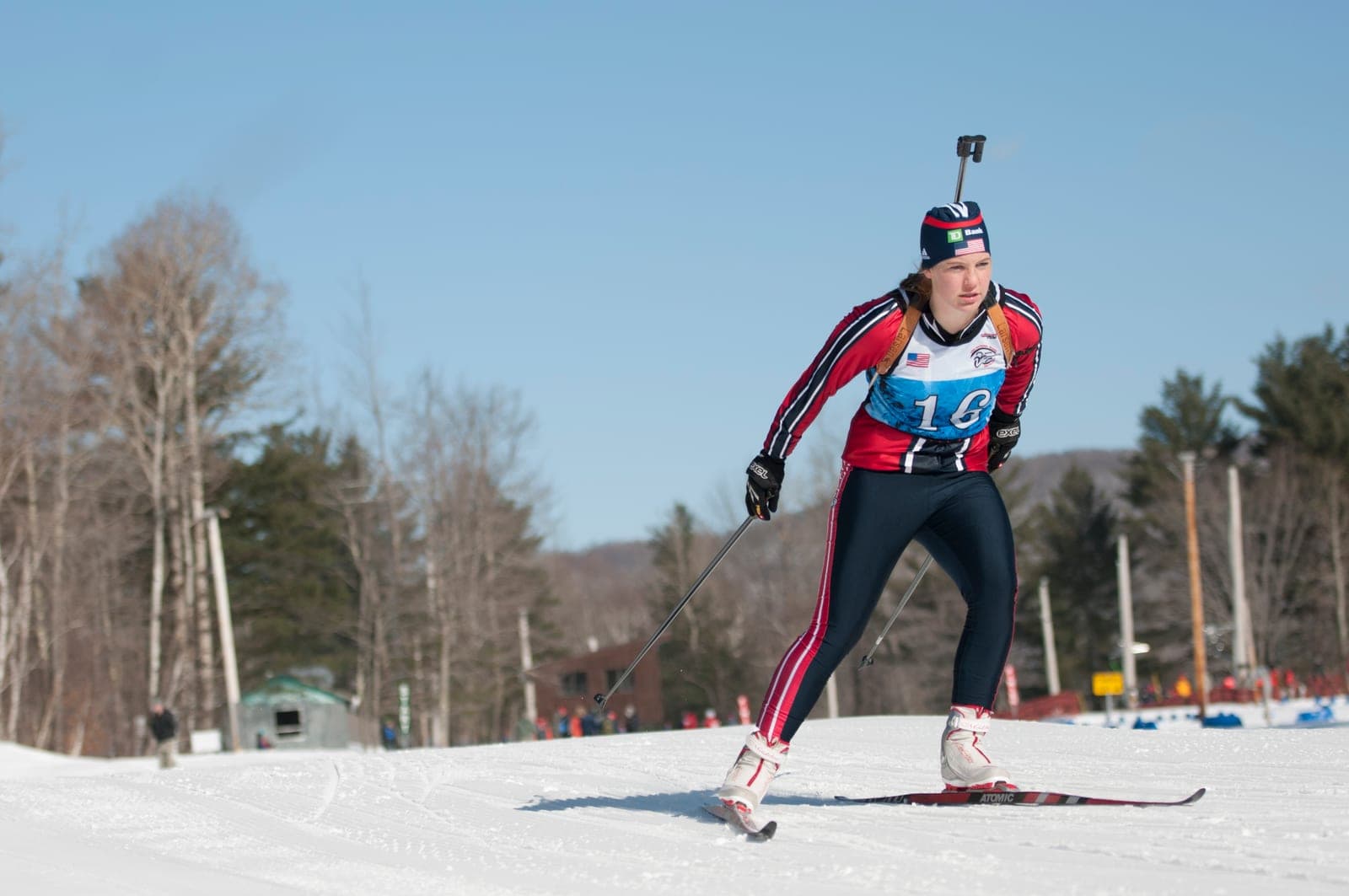
Biathlon
An endurance winter sport that combines cross-country skiing with precision rifle target shooting at a range.
Related equipment
How it connects
The meaning-bearing relationships that place Skis in the wider knowledge graph — each one with the reason it exists.
Frequently learned together
Taught side by side in the same stage of a learning path.
- Ski bootsBoth are taught in the “What you’ll need” stage of the Alpine Skiing learning path.
- Ski polesBoth are taught in the “What you’ll need” stage of the Alpine Skiing learning path.
- Ski helmetBoth are taught in the “What you’ll need” stage of the Alpine Skiing learning path.
- Ski gogglesBoth are taught in the “What you’ll need” stage of the Alpine Skiing learning path.
- Ski slopeBoth are taught in the “What you’ll need” stage of the Alpine Skiing learning path.
Used with
Turns up alongside this across the same sports.
Explore across the knowledge base
Follow the threads that connect Skis to the rest of SocialSportHub.
Skills
- EdgingThe skill of tilting a ski or board so its edge grips the snow and controls the turn.
- Speed control on snowThe skill of managing how fast you travel down a slope, mainly by shaping turns rather than braking.
- TraversingThe skill of moving across a snow slope rather than straight down it, holding speed steady.
Techniques
- Snowplough TurnThe wedge-shaped turn beginners learn first on skis, where the ski tips are brought together to control speed and steer.
- Parallel TurnA turn in which both skis stay parallel throughout, steered together rather than wedged apart.
- Carving TurnA turn where the edged skis cut a clean arc in the snow and follow their own shape with little or no skidding.
Disciplines
- ClassicClassic is the original cross-country technique, with skis kept parallel in set tracks and a striding kick-and-glide motion.
- Skate (Freestyle)Skate skiing pushes off angled skis in a V pattern, like ice skating, on firm groomed snow — the faster of the two main techniques.
- DownhillDownhill is alpine skiing's fastest discipline, run on long courses with widely spaced gates where skiers glide at high speed in an aerodynamic tuck.
Go deeper with Skis
Everywhere else on the platform that covers Skis — assembled from what actually references it, so nothing here is a dead end.
Learn it
Structured courses and paths on the platform that cover this directly.
See it
Diagrams and step-through visualisations drawn for this subject.
Take it away
Open data and the whole-platform view of this subject.
How this page is maintained
- Content type
- Equipment
- Provenance
- Tier A — evergreen educational
- Verified external sources
- 0
- Content updated
- 2026-09-12
Evergreen, first-party explanation — it makes no claim that needs an external source. How we handle sources and reviews.