Alpine Skiing
Carve down the mountain on two skis
.jpg)
Overview
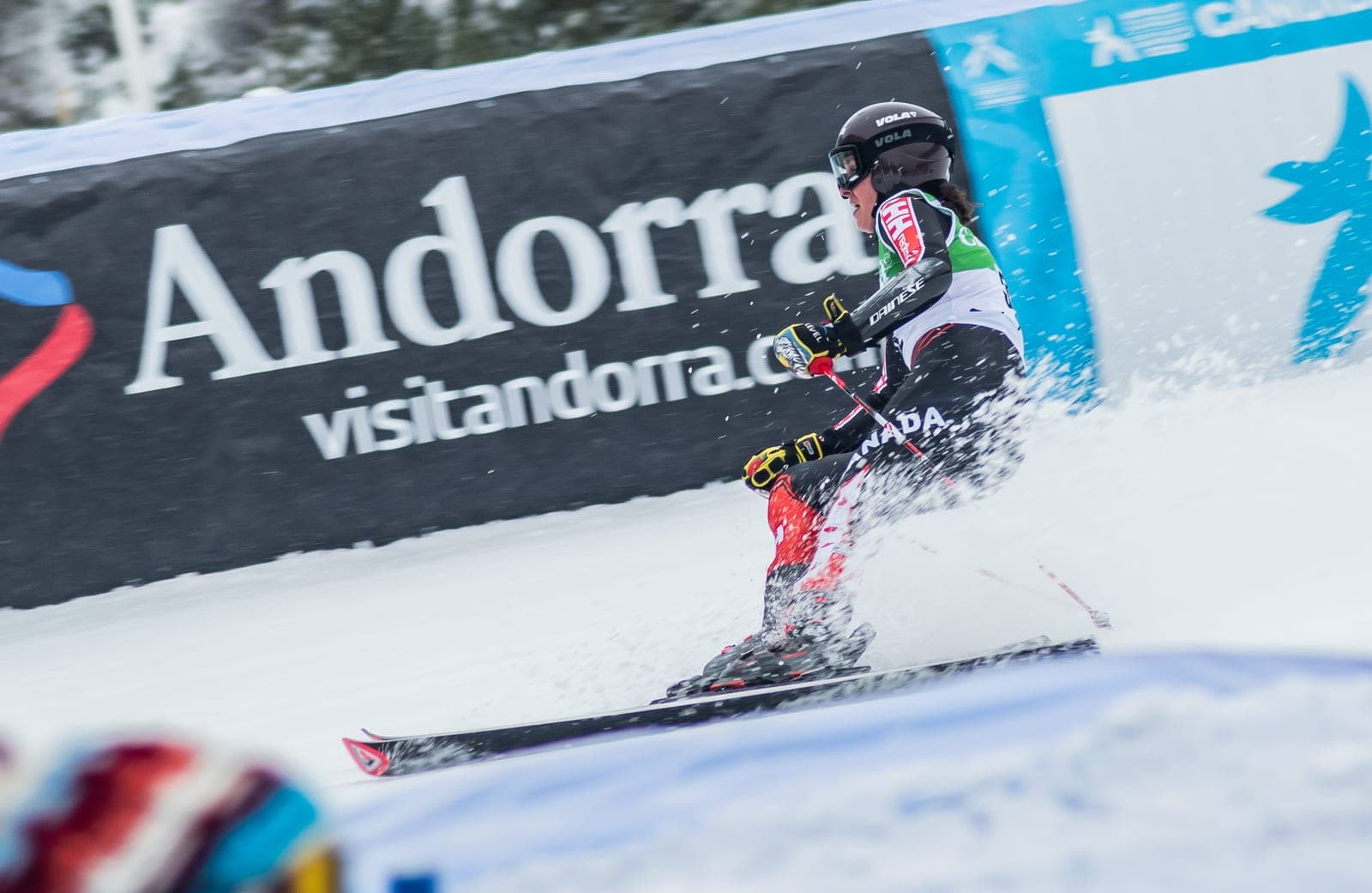
Alpine skiing, also known as downhill skiing, involves descending snow-covered slopes on a pair of skis, using edges and body position to control speed and direction. Lifts carry skiers back up, so the focus stays on the descent, and runs are graded from gentle beginner slopes to steep advanced terrain.
It combines the thrill of gliding downhill with genuine physical demand, and its wide range of graded runs means the same resort can suit a first-timer and a confident skier on the same day. Learning with qualified instruction and skiing within your ability are the foundations of enjoying it safely.
Why alpine skiing is good for your health
- Builds leg and core strength through continuous controlled movement
- Improves balance, coordination and body awareness
- Engages the whole body as you steer, edge and absorb the terrain
- Time spent outdoors in fresh mountain air adds to the appeal
The social side
- Ski trips and resorts bring friends and families together for shared days out
- Group lessons are a friendly way to learn alongside other beginners
- Mountain cafes and resort villages give the sport a warm, sociable feel
How to start as a beginner
- 1Book lessons with a qualified instructor to learn to stop, turn and control speed
- 2Start on gentle, quiet beginner slopes before progressing to steeper runs
- 3Rent well-fitted skis and boots so you can find the right setup before buying
- 4Dress in warm, waterproof layers and always ski within your ability
Equipment you’ll need
- Skis, boots and bindingsEssentialWidely available to rent while you learn
- Ski polesEssential
- HelmetEssentialStandard practice on the slopes
- Warm, waterproof layers and gogglesEssential
- Gloves and sun protectionOptional
Where to play
Alpine Skiing is typically played at:
Explore clubs and venues to understand the different places you can play, or see how to find people to play with.
Alpine Skiing disciplines
Alpine Skiing isn’t one thing — it takes several distinct forms, each with its own character. Explore the disciplines within it.
Playing Alpine Skiing
The equipment, rules, skills and more that make up the game — each cross-linked into the encyclopedia.
Related sports to explore
If you enjoy Alpine Skiing, you might also like these.
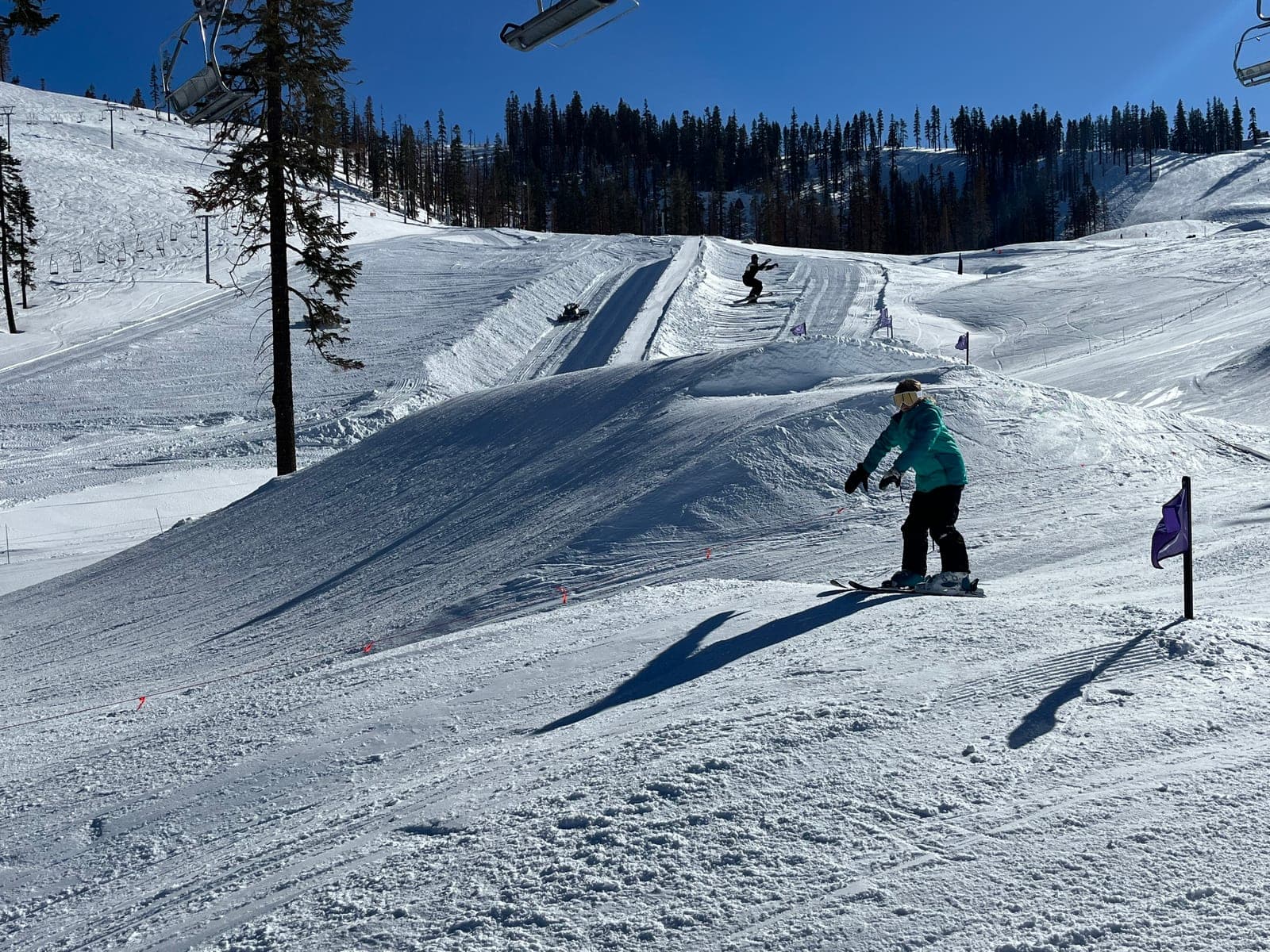
Snowboarding
A downhill snow sport where you ride a single board sideways down the mountain.
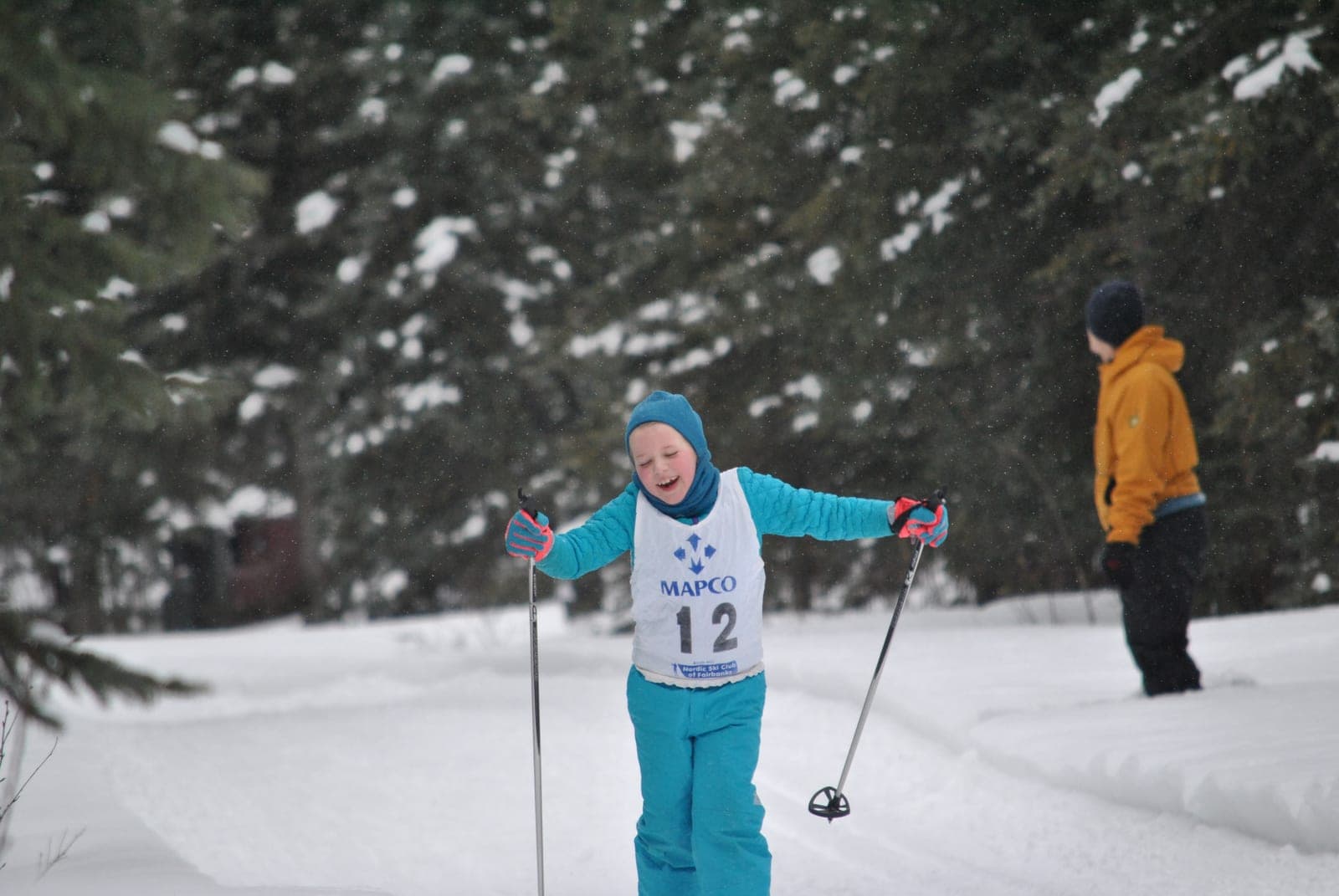
Cross-Country Skiing
A low-impact endurance snow sport where you propel yourself across flat and rolling terrain on skis.
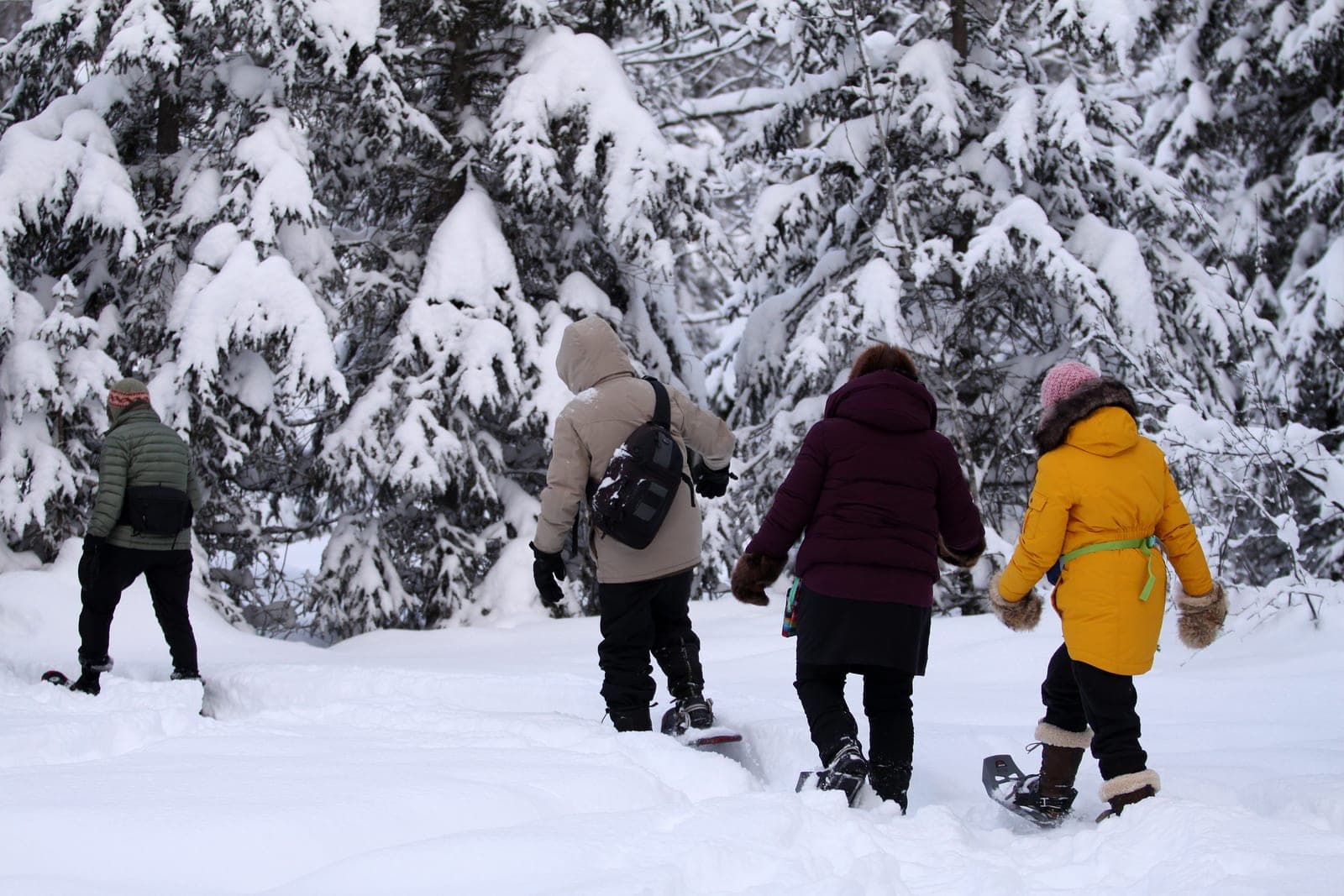
Snowshoeing
A simple, accessible winter activity — walking over deep snow on wide-framed shoes that keep you from sinking in.
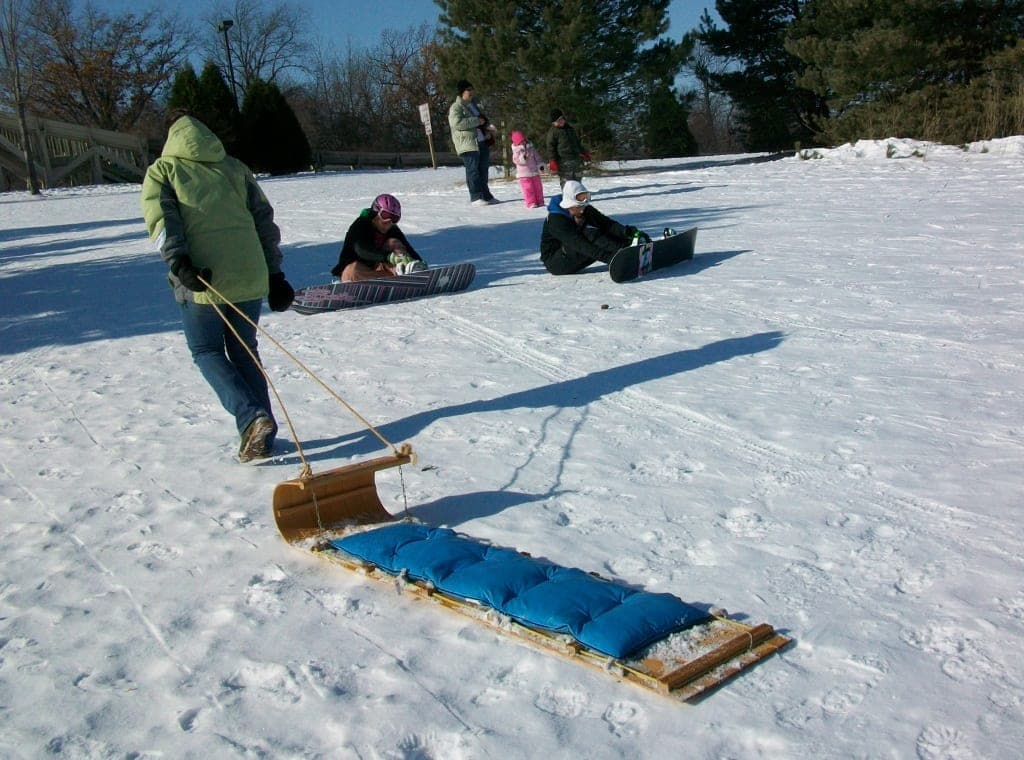
Sledding
A classic, easy winter pastime of sliding down snow-covered slopes on a sled or toboggan.
Compare Alpine Skiing with…
Deciding between Alpine Skiing and something similar? See how they line up side by side.
Alpine Skiing vs Cross-Country Skiing
How they compare on difficulty, intensity, kit and what suits you.
Alpine Skiing vs Sledding
How they compare on difficulty, intensity, kit and what suits you.
Alpine Skiing vs Snowboarding
How they compare on difficulty, intensity, kit and what suits you.
Alpine Skiing vs Snowshoeing
How they compare on difficulty, intensity, kit and what suits you.
Reach your goals with Alpine Skiing
People take up Alpine Skiing for all kinds of reasons. Here is what it can help you work towards.
Who & where Alpine Skiing fits
Sport should fit your life. Here is who Alpine Skiing suits and when it works.
How it connects
The meaning-bearing relationships that place Alpine Skiing in the wider knowledge graph — each one with the reason it exists.
Alternative to
Comparable enough that people choose between them.
- Cross-Country SkiingAlpine Skiing and Cross-Country Skiing are close enough that the platform maintains a side-by-side comparison of them.
- SleddingAlpine Skiing and Sledding are close enough that the platform maintains a side-by-side comparison of them.
- SnowboardingAlpine Skiing and Snowboarding are close enough that the platform maintains a side-by-side comparison of them.
- SnowshoeingAlpine Skiing and Snowshoeing are close enough that the platform maintains a side-by-side comparison of them.
Helps achieve
A recognised route towards these goals.
Explore across the knowledge base
Follow the threads that connect Alpine Skiing to the rest of SocialSportHub.
Glossary
- BibA wearable identifier in sport, most often a runner's numbered race bib, a coloured training bib, or a leader's bib in skiing.
- BindingA binding is the mechanism that attaches a boot to a ski or snowboard, and on skis is designed to release under load.
- BootSport-specific footwear whose meaning ranges from a studded football boot to a rigid ski boot that clips into a binding.
- Fall LineThe fall line is the steepest, most direct path down a slope — the way a ball would roll if you let it go.
- GateA gate is a pair of poles marking a point a competitor must pass through on a marked race course.
Movement patterns
- GlideGlide is continuous, low-resistance locomotion in which the body holds a streamlined shape so that momentum generated by a preceding propulsive action carries it smoothly across a surface or through a medium.
- LandingThe controlled absorption of force at ground contact that ends an airborne phase, dissipating impact through eccentric triple flexion of the ankle, knee and hip.
Go deeper with Alpine Skiing
Everywhere else on the platform that covers Alpine Skiing — assembled from what actually references it, so nothing here is a dead end.
Learn it
Structured courses and paths on the platform that cover this directly.
See it
Diagrams and step-through visualisations drawn for this subject.
Compare it
Head-to-head studies against the entities people actually weigh it against.
Kit it out
Equipment guidance drawn from the graph, with no brands and no affiliate links.
Take it away
Open data and the whole-platform view of this subject.
How this page is maintained
- Content type
- Sport
- Provenance
- Tier A — evergreen educational
- Verified external sources
- 0
- Content updated
- 2026-07-06
Evergreen, first-party explanation — it makes no claim that needs an external source. How we handle sources and reviews.
Keep going
A sport is most rewarding alongside good habits, sensible nutrition and people to share it with. Here is where to go next.
How movement supports body and mind.
Eat well to feel and perform better.
Build routines that stick.
Ways to meet others and play together.
Where to play and what to expect.
Browse the full list by category.