
Snow
Compacted or natural snow on slopes and trails — a low-friction surface built for gliding, where skis, boards and runners slide fast over frozen ground.
Overview
Snow is frozen precipitation — countless ice crystals that sit loosely as soft powder or pack down into a firm, smooth layer. As a playing surface its character shifts with temperature and traffic: fresh snow is deep and cushioned, groomed snow is even and firm, and cold, well-trodden snow hardens toward ice. The defining quality throughout is low friction. A thin film forms beneath a moving edge or base, so skis, snowboards, sled runners and waxed cross-country skis slide over it with very little resistance.
Because the surface is slick, pace comes easily and is managed through edging, weight and body angle rather than through grip. Turning, climbing and slowing rely on biting metal edges or spikes into the snow, or on scraping and carving the surface, rather than on a shoe planting and pushing off. There is essentially no bounce — snow absorbs impact and deforms instead of returning energy, so it holds tracks and takes the shape of whatever has passed before. On foot the surface can be soft and deep with poor footing, which is why wide snowshoes spread weight to stay on top and pointed traction aids are used to hold firm snow.
How it plays
- Low friction is the defining trait: a thin film under a ski, board or runner lets it glide with little resistance, so speed builds quickly and is controlled by edging and body position rather than braking.
- Condition changes everything — soft fresh powder feels slow and forgiving, groomed snow is smooth and fast, and cold, compacted snow turns hard and slick.
- Grip comes from edges and spikes, not soles: metal ski and board edges and crampon-style points bite into firm snow to turn, climb or hold a line, while smooth bases are built to slide.
- There is almost no bounce — snow absorbs impact and deforms rather than rebounding, so it retains tracks and lines left by earlier passes.
- On foot it can be soft and deep with weak footing, so wide snowshoes spread weight to stay on the surface instead of sinking in.
Where it’s used
Sports that use snow:
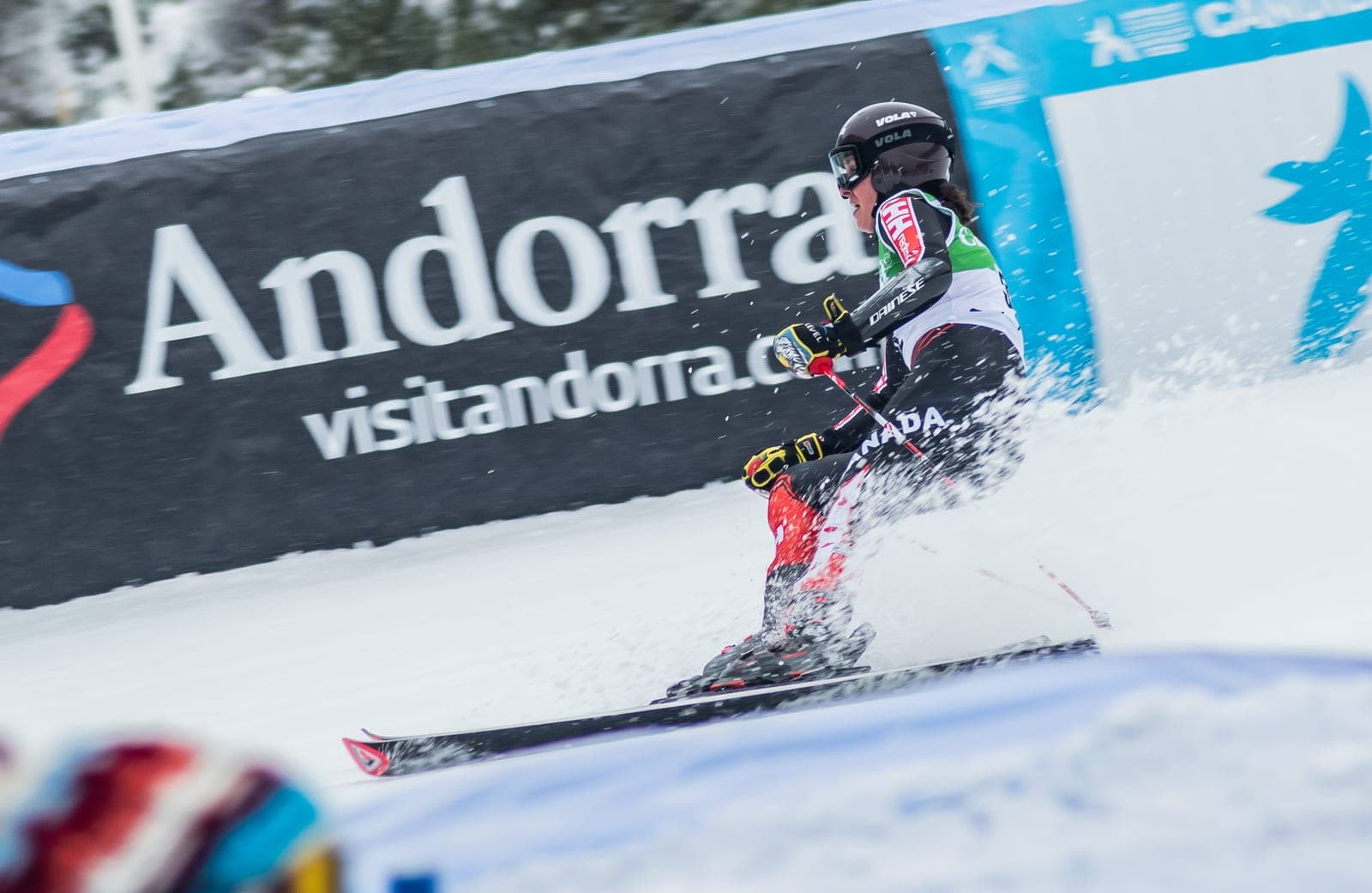
Alpine Skiing
A downhill snow sport where you glide and turn down groomed slopes on a pair of skis.
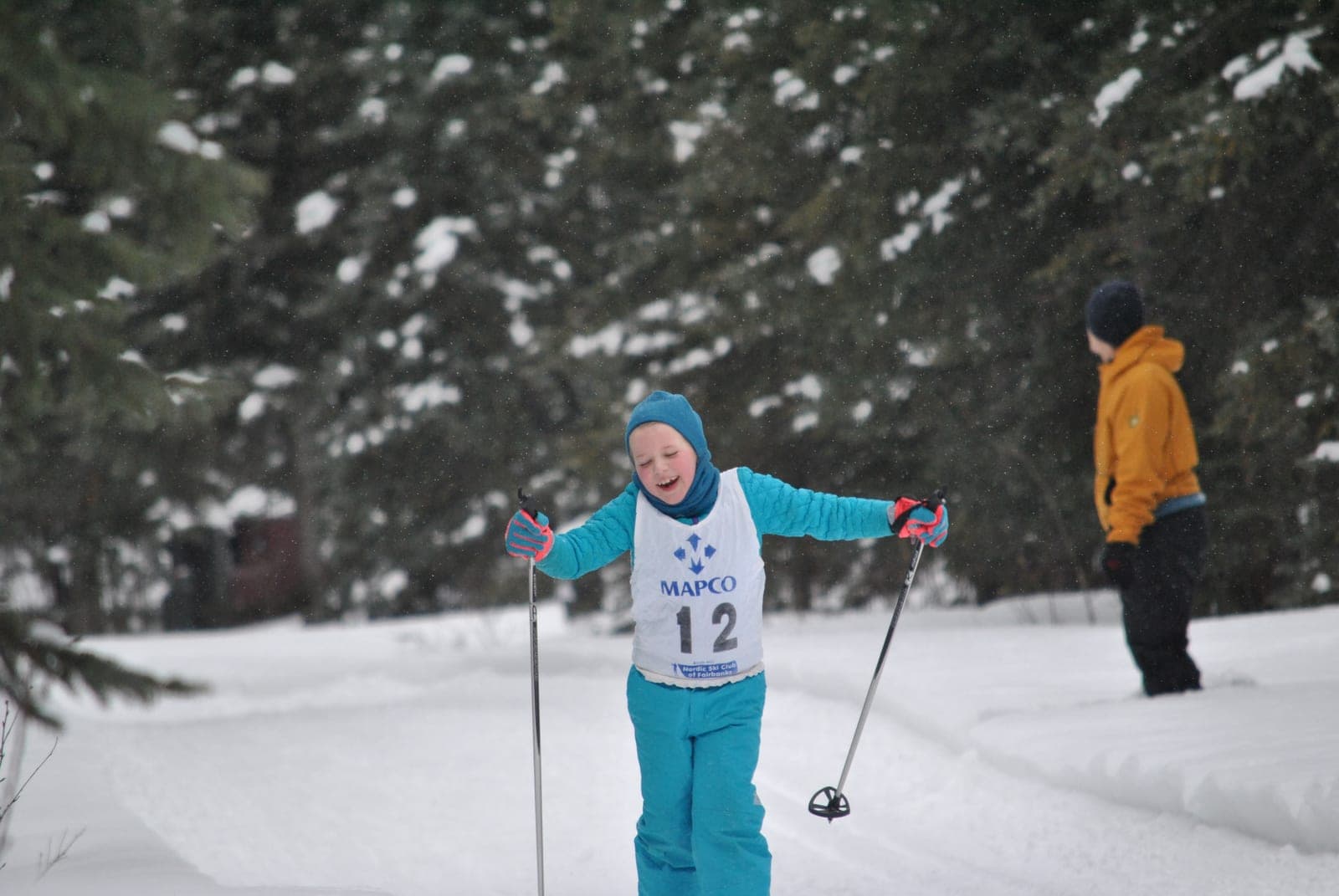
Cross-Country Skiing
A low-impact endurance snow sport where you propel yourself across flat and rolling terrain on skis.
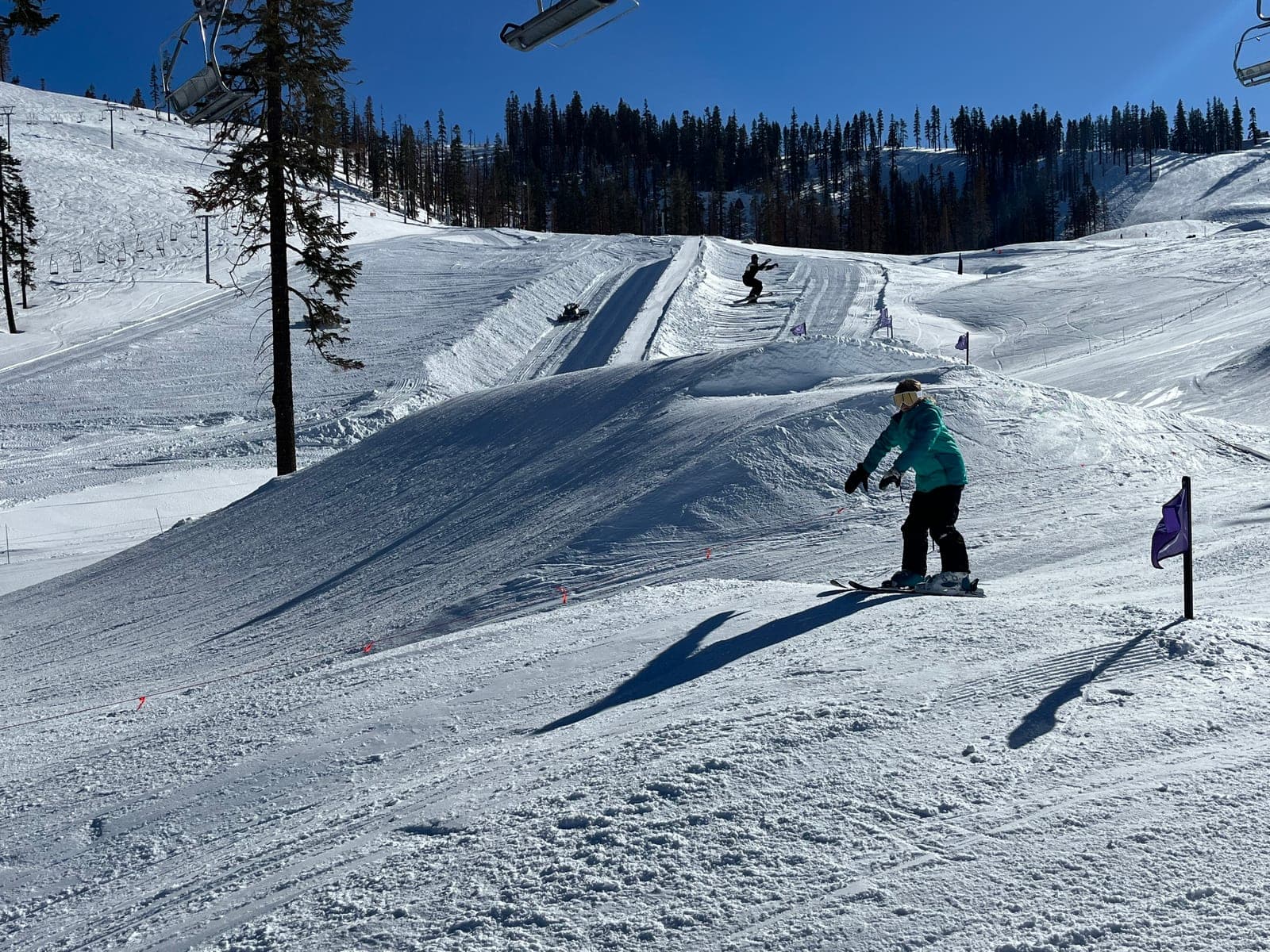
Snowboarding
A downhill snow sport where you ride a single board sideways down the mountain.
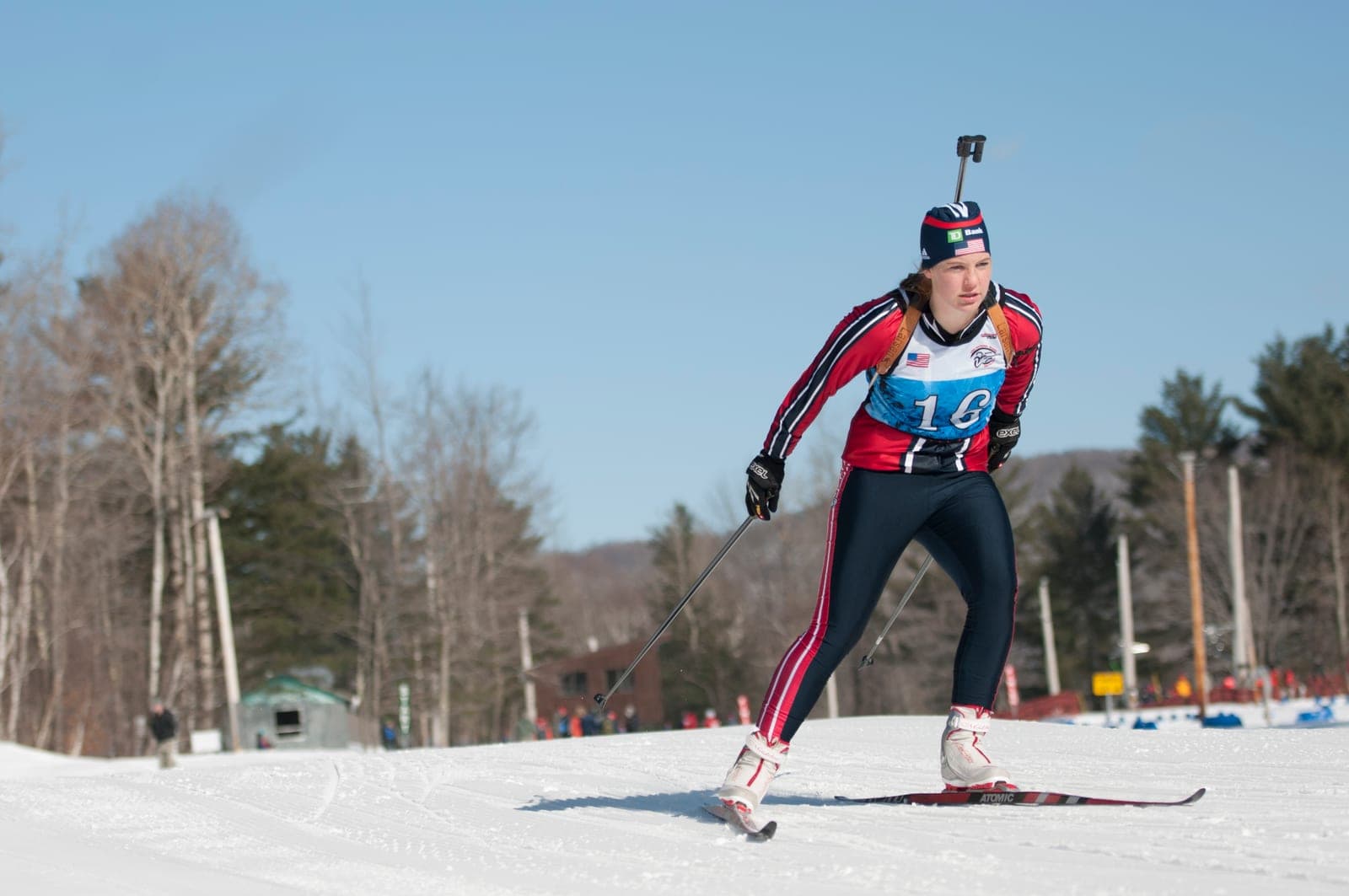
Biathlon
An endurance winter sport that combines cross-country skiing with precision rifle target shooting at a range.
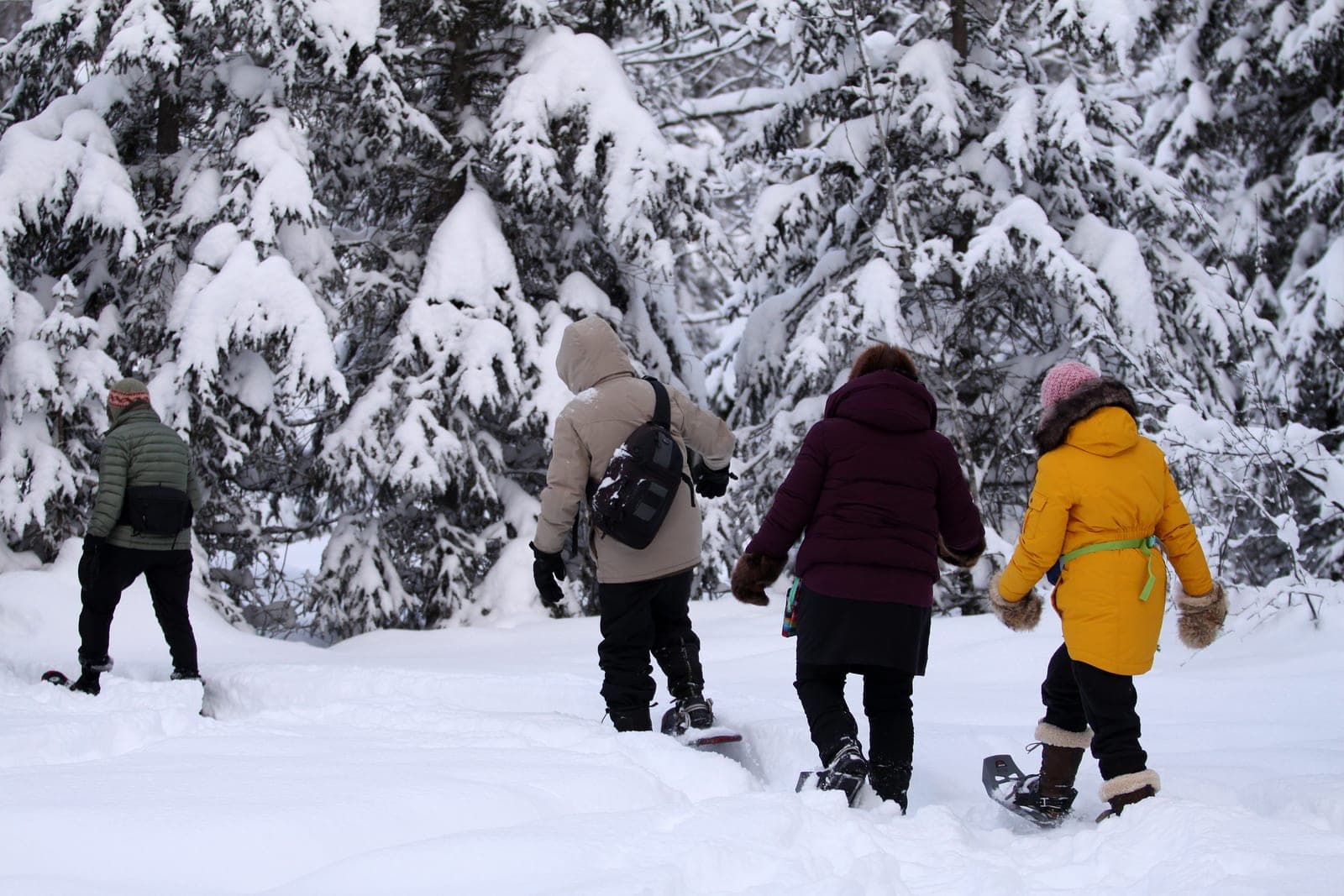
Snowshoeing
A simple, accessible winter activity — walking over deep snow on wide-framed shoes that keep you from sinking in.
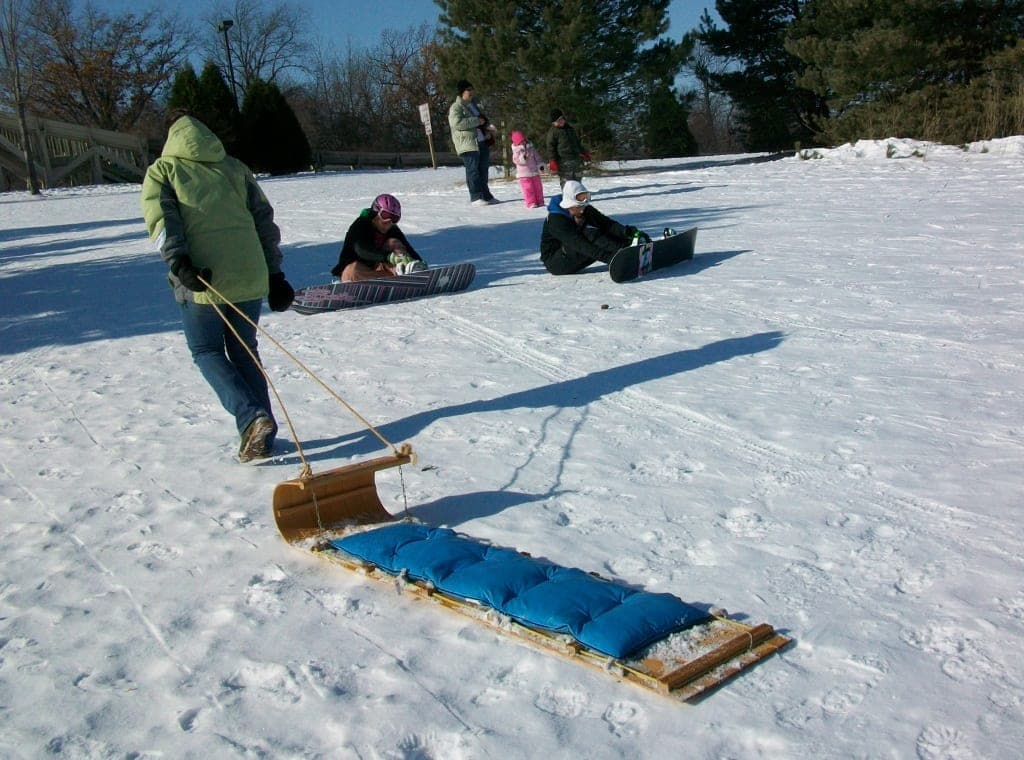
Sledding
A classic, easy winter pastime of sliding down snow-covered slopes on a sled or toboggan.
How it connects
The meaning-bearing relationships that place Snow in the wider knowledge graph — each one with the reason it exists.
Frequently learned together
Taught side by side in the same stage of a learning path.
Explore across the knowledge base
Follow the threads that connect Snow to the rest of SocialSportHub.
Equipment
- Ski helmetA hard-shelled helmet worn on the slopes to reduce head-impact risk in a fall or collision.
- Ski gogglesSealed eyewear that protects the eyes from wind, snow and glare and keeps the slope visible.
- SkisPaired shaped boards attached to boots that let a rider glide and turn on snow.
- Mountain bikeA rugged bicycle built for rough, off-road terrain, with wide knobbly tyres, low gearing and suspension to absorb uneven ground.
Skills
- EdgingThe skill of tilting a ski or board so its edge grips the snow and controls the turn.
- BalanceThe skill of keeping the body stable and controlled while still or moving.
- PacingThe skill of managing effort and speed so it lasts the whole distance or event.
- Speed control on snowThe skill of managing how fast you travel down a slope, mainly by shaping turns rather than braking.
- TraversingThe skill of moving across a snow slope rather than straight down it, holding speed steady.
Disciplines
- ClassicClassic is the original cross-country technique, with skis kept parallel in set tracks and a striding kick-and-glide motion.
- Skate (Freestyle)Skate skiing pushes off angled skis in a V pattern, like ice skating, on firm groomed snow — the faster of the two main techniques.
- SprintSprint is a short-course race format decided over an individual qualifier and knockout heats, skied in either classic or skate technique.
- DistanceDistance racing covers longer courses over laps or point-to-point routes, testing sustained endurance in classic or skate technique.
- HalfpipeHalfpipe is a freestyle snowboarding discipline in which riders descend a semicircular snow channel, launching off its walls to perform aerial tricks.
Go deeper with Snow
Everywhere else on the platform that covers Snow — assembled from what actually references it, so nothing here is a dead end.
Learn it
Structured courses and paths on the platform that cover this directly.
How this page is maintained
- Content type
- Playing surface
- Provenance
- Tier A — evergreen educational
- Verified external sources
- 0
- Content updated
- 2026-09-12
Evergreen, first-party explanation — it makes no claim that needs an external source. How we handle sources and reviews.