
Ball-handling faults
Volleyball faults for catching, carrying or double-contacting the ball rather than cleanly hitting it.
Overview
The ball must be struck cleanly, not caught, held or thrown. A carry or lift is called when the ball comes to rest against a player's hands, and a double contact is called when it touches a player twice in one action, except on the first team touch or a block.
These faults keep rallies fast and skilful by preventing players from controlling the ball for too long. A ball-handling fault ends the rally and awards the point to the opposition.
Key points
- The ball must be hit cleanly, not caught or thrown.
- Letting the ball rest in the hands is a carry or lift.
- Two touches in a single action is a double contact.
- Exceptions apply on the first team touch and on a block.
Where it’s used
Sports that use ball-handling faults:
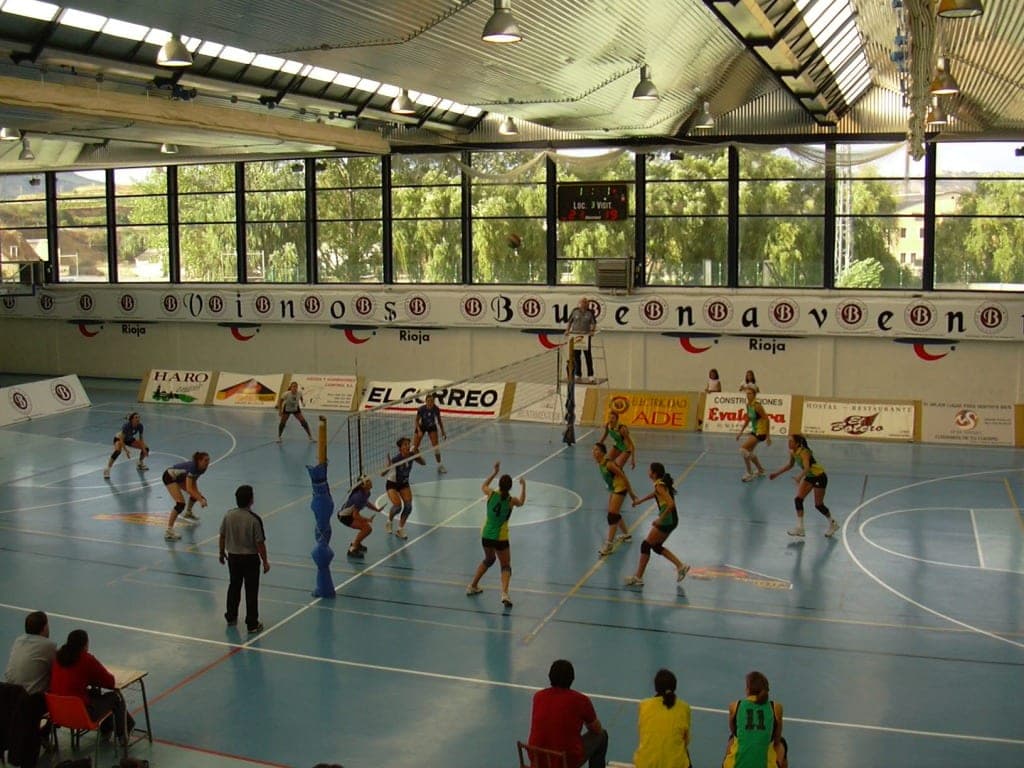
Related rules
Out of bounds
The rule that a ball or player leaving the marked playing area is out of play and possession is decided at the boundary.
Volleyball rotation
The rule that players rotate one position clockwise each time their team wins back the serve.
Three-hit rule
The volleyball rule that a team may contact the ball at most three times before it must cross the net.
How it connects
The meaning-bearing relationships that place Ball-handling faults in the wider knowledge graph — each one with the reason it exists.
Frequently learned together
Taught side by side in the same stage of a learning path.
- Out of boundsBoth are taught in the “Get to know the game” stage of the Volleyball learning path.
- Volleyball rotationBoth are taught in the “Get to know the game” stage of the Volleyball learning path.
- Three-hit ruleBoth are taught in the “Get to know the game” stage of the Volleyball learning path.
- Touching the netBoth are taught in the “Get to know the game” stage of the Volleyball learning path.
- Volleyball scoringBoth are taught in the “Get to know the game” stage of the Volleyball learning path.
Explore across the knowledge base
Follow the threads that connect Ball-handling faults to the rest of SocialSportHub.
Skills
Techniques
- Volleyball DigA defensive contact that keeps a hard-driven ball in play by passing it up off the forearms, usually from a low position.
- Table tennis serve techniqueHow to serve legally and still create an advantage — generating spin within the rules, keeping the ball short, and why disguise must come from contact rather than concealment.
- Playing the walls in padelThe skill that separates padel from every other racket sport — reading a rebound off glass, positioning behind the bounce rather than at it, and using your own back wall to attack.
- One-Handed BackhandA backhand groundstroke struck with a single hand on the grip, driving through the ball with a full extension of the hitting arm.
- VolleyA shot played near the net by blocking the ball out of the air before it bounces, using a short, firm punch rather than a full swing.
Go deeper with Ball-handling faults
Everywhere else on the platform that covers Ball-handling faults — assembled from what actually references it, so nothing here is a dead end.
Learn it
Structured courses and paths on the platform that cover this directly.
Take it away
Open data and the whole-platform view of this subject.
How this page is maintained
- Content type
- Rule
- Provenance
- Tier A — evergreen educational
- Verified external sources
- 0
- Content updated
- 2026-09-12
Evergreen, first-party explanation — it makes no claim that needs an external source. How we handle sources and reviews.