
Overview
A catch intercepts a moving object and brings it to rest relative to the body without losing control of it. The catcher first tracks the object visually, predicting its arrival point and time, then moves the hands and body into its flight path so the hands arrive shaped and slightly ahead of contact. At the moment of reception the hands and arms yield in the direction the object is travelling — an eccentric give at the fingers, wrist, elbow and shoulder — which lengthens the distance over which the object decelerates and lowers the peak force of contact, the impulse-momentum relationship in action. Joint and soft-tissue compliance convert the object's kinetic energy into controlled deceleration while the finger flexors close to secure it, so the object is dissipated into the body rather than bouncing off it. The action is anticipatory and feed-forward first — the catcher commits to a predicted interception — then corrective, with fine adjustments as the object nears; meanwhile the trunk and legs stabilise or reposition to bring the catch point inside the controllable envelope.
Because the shared task is intercept, absorb and secure, the expression varies with the object, the number of hands and the surrounding pressure. In cricket and baseball a catch secures a fast-moving ball with soft, giving hands that absorb its pace, sometimes one-handed at full stretch. In American football and rugby, catching a pass combines tracking and hand-shaping with securing the ball against imminent contact, while in basketball and netball a catch is a controlled reception under footwork constraints that often flows straight into a shot, pass or dribble. A goalkeeper in football or handball catches to secure a shot and deny a rebound, and in climbing a dyno ends in a self-catch on a hold. Notably, volleyball reception is not a true catch — the ball is played off the forearms and redirected rather than held — which shows that the family boundary is whether the object is secured or merely contacted. The absorb-and-possess engine is shared, but held-versus-redirected, one-handed-versus-two, and free-versus-contested all shift how it looks.
What defines it
- Momentum absorption by giving: the hands and arms yield along the object's line of travel, lengthening the deceleration distance and lowering peak contact force via the impulse-momentum relationship.
- Anticipatory interception: the catcher predicts arrival point and time from flight cues and positions the hands ahead of contact, a feed-forward act refined by reaction time.
- Terminal shaping and grip closure: the fingers pre-shape to the object then flex to secure it, so finger-flexor and grip strength convert contact into possession.
- Securing versus contacting: a catch ends with the object controlled relative to the body, which distinguishes it from a rebound, deflection or redirect that sends the object away.
- Whole-body repositioning: the trunk and legs move the catch point into the controllable envelope and stabilise against the object's momentum and any external contact.
How it differs from nearby movements
Movements that look similar but are not the same thing.
- Not the same as block
- A block stops or deflects an object or opponent without securing it — the object rebounds away or is redirected — whereas a catch retains the object under control. A volleyball block sends the ball back over the net; a catch would keep it in the catcher's possession.
- Not the same as reach
- A reach projects a limb to a target and ends at extension; a catch is the reception and securing of a moving object. A catch may follow a reach, but it is defined by momentum absorption and gaining possession rather than by the limb's extension.
- Not the same as throw
- A catch and a throw are opposite phases of the same object exchange: a catch decelerates and secures an incoming object, while a throw accelerates and releases an outgoing one.
A note on this information
Exercises that train the catch
Movements built on this pattern — educational examples, not a prescription.
Farmer’s carry
A loaded carry where you walk while holding a heavy weight in each hand.
Bent-over row
A pulling exercise where you hinge forward and row a weight toward your torso.
Bicep curl
An isolation exercise where you bend the elbows to lift a weight toward the shoulders.
Dead bug
A floor core exercise where you extend opposite arm and leg while keeping your back settled.
Sports skills that express it
The learnable skills of a sport that this movement underlies.
Catching
The skill of cleanly securing a ball travelling through the air or off the ground.
Ball control
The skill of receiving and settling the ball quickly so it is ready to use.
Passing
The skill of moving the ball to a teammate accurately to keep possession and create chances.
Rebounding
The basketball skill of gaining the ball after a missed shot — positioning and timing decide it far more often than pure jumping height.
Footwork
The skill of moving efficiently around the playing area to be in position for each shot or action.
Sports techniques that use it
How the movement shows up in the specific techniques of a sport.
The science and how it’s learned
The concepts that explain this movement and help in learning it.
Sports that rely on it
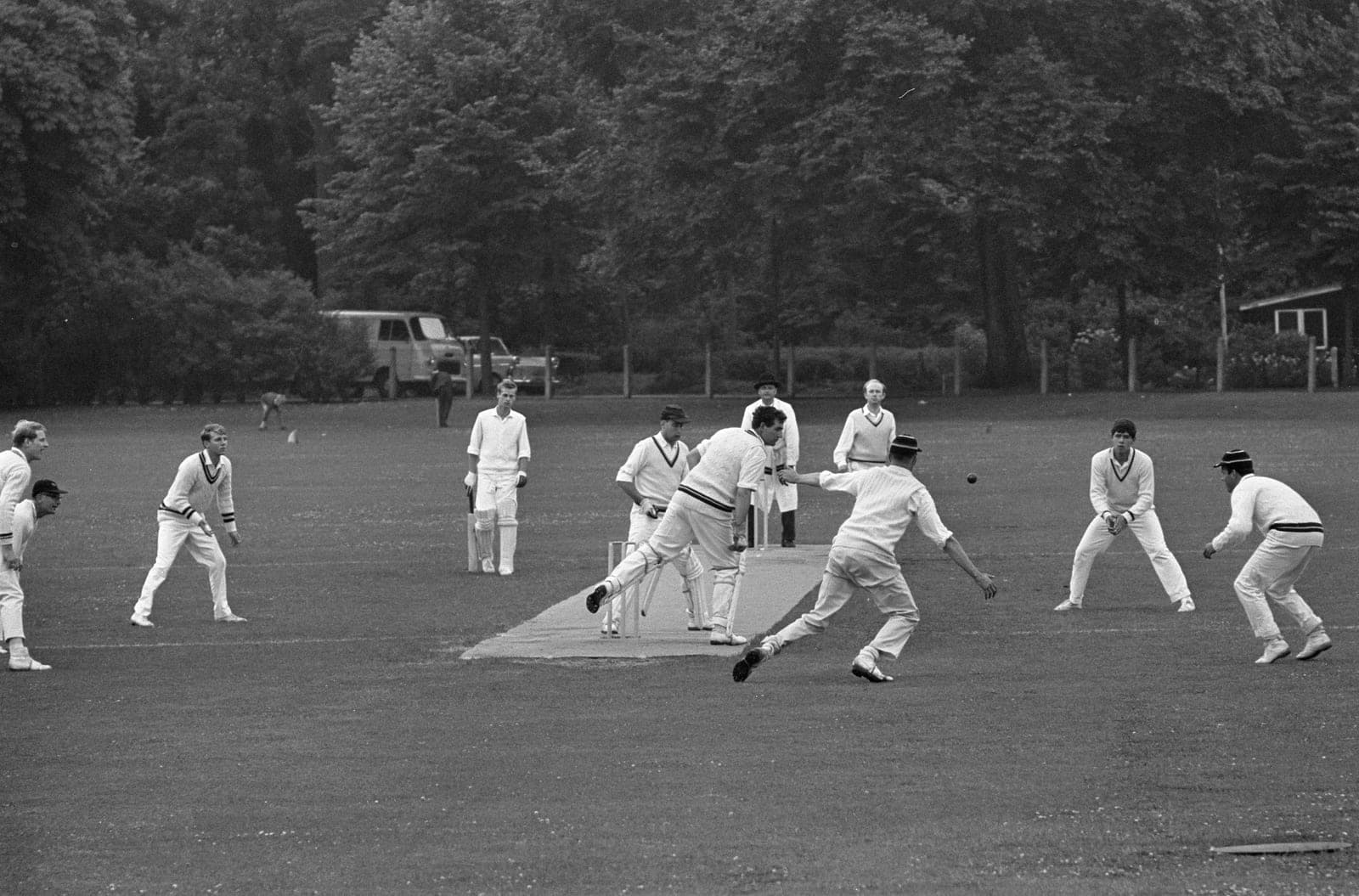
Cricket
A bat-and-ball team sport where sides take turns to bat and to bowl and field, scoring runs.
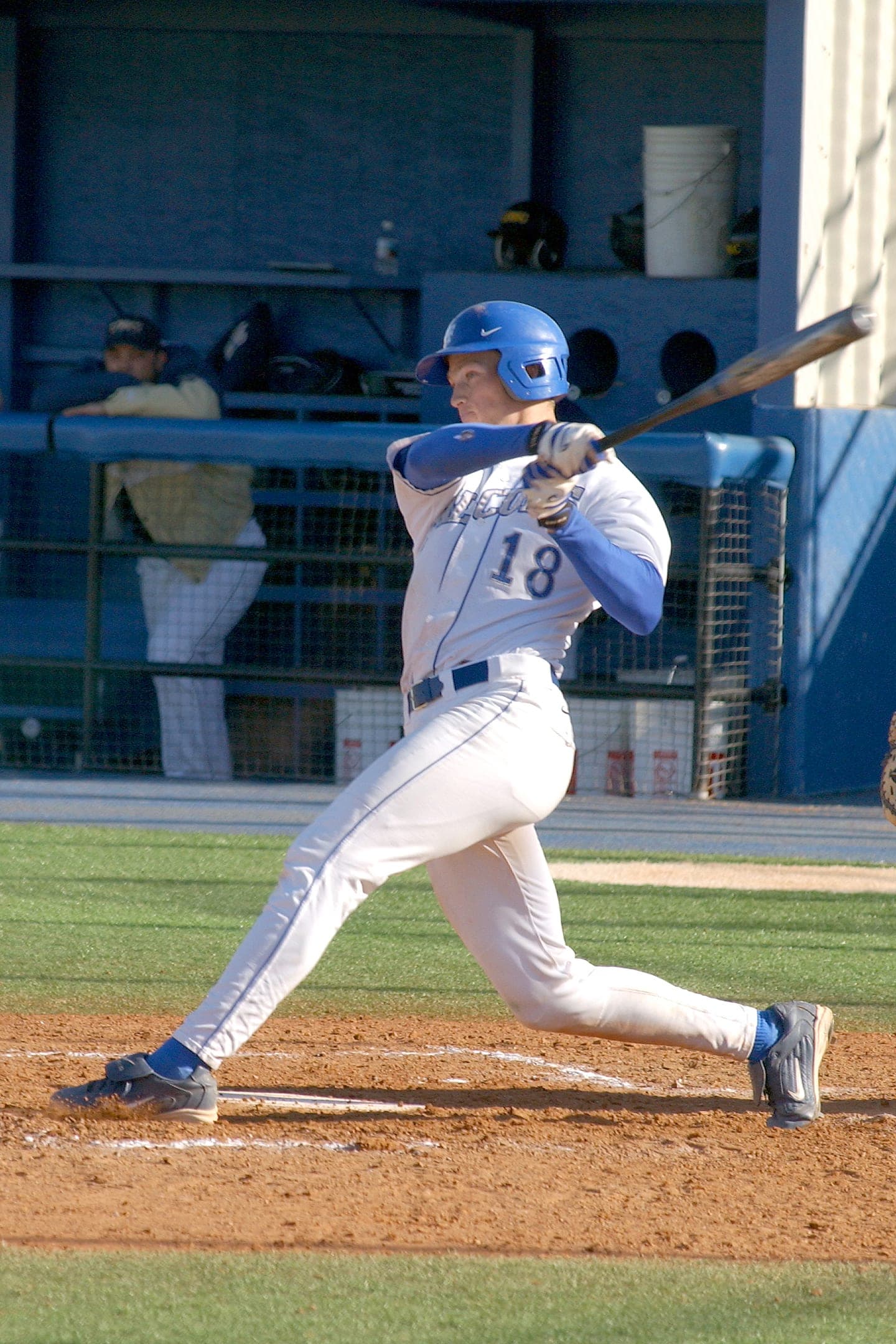
Baseball
A bat-and-ball team sport where two sides alternate between batting and fielding to score runs.
American Football
A strategic, position-based team sport of set plays, sprinting and coordinated teamwork on a marked field.
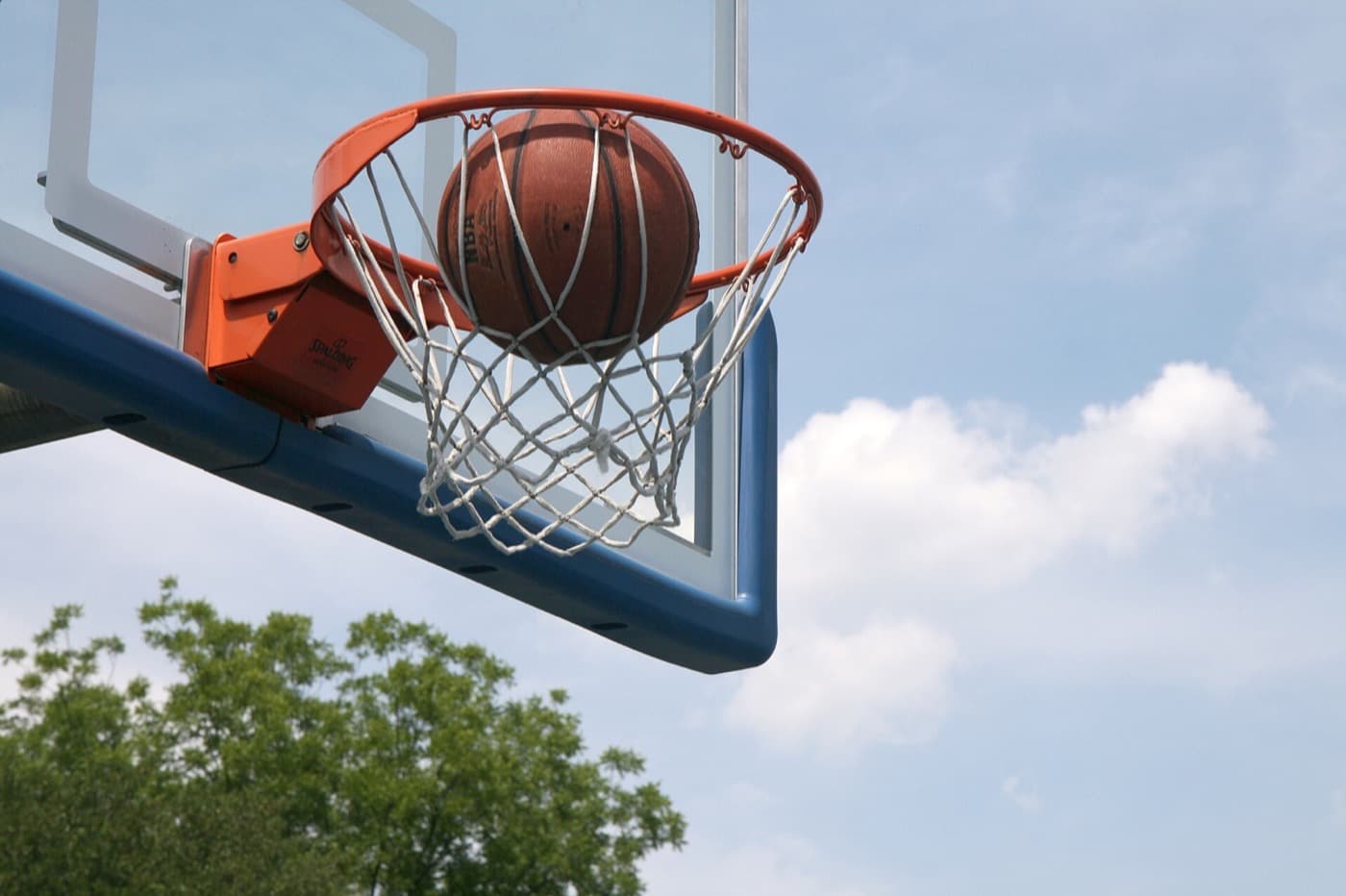
Basketball
A fast, dynamic team sport of running, jumping and quick decisions on court.
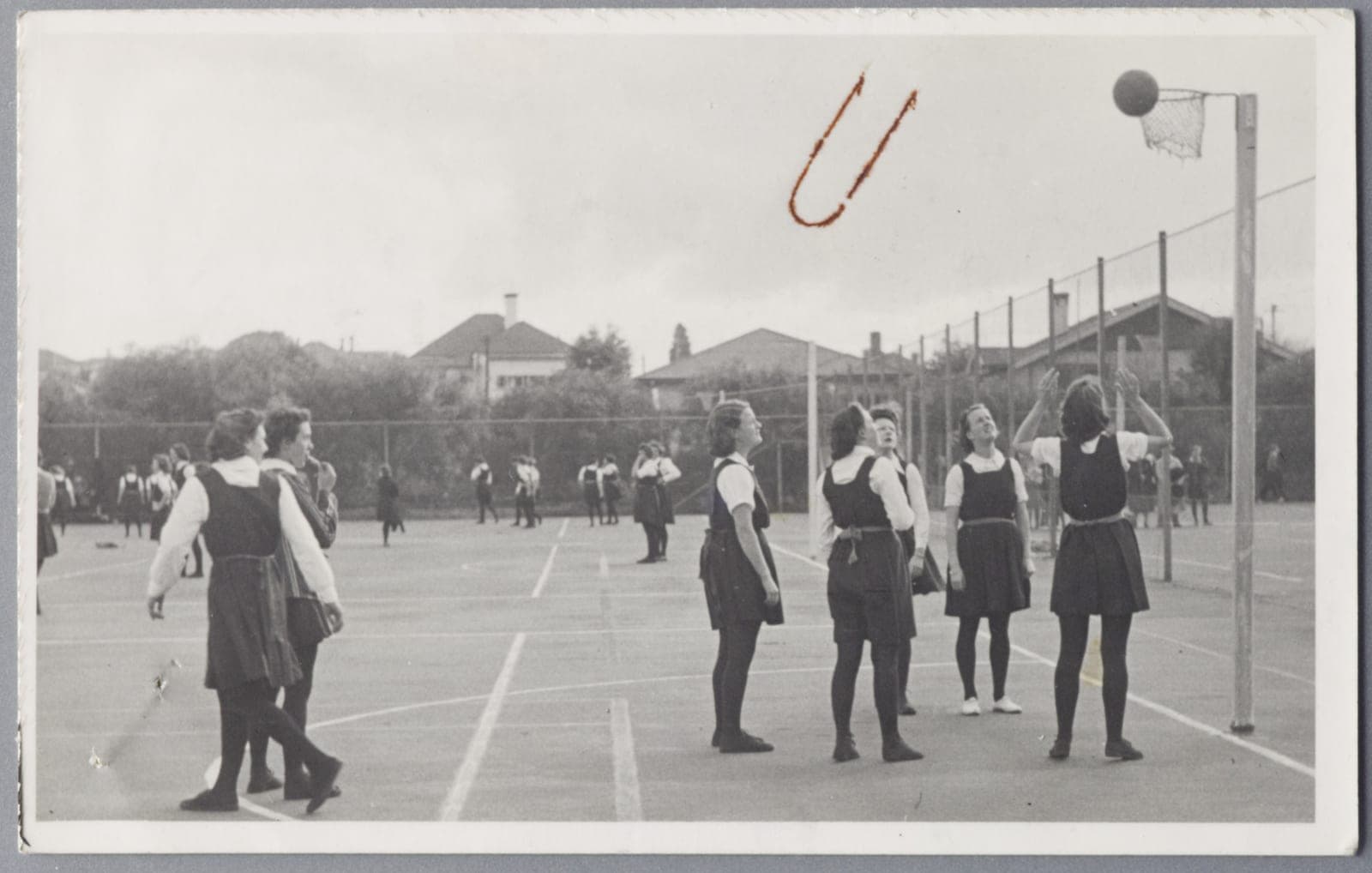
Netball
A non-contact, position-based team sport of quick passing and accurate shooting.
Compare catch with…
Movements it is often confused with — see exactly how they differ.
How it connects
The meaning-bearing relationships that place Catch in the wider knowledge graph — each one with the reason it exists.
Builds on
Understanding these first makes this one make sense.
Commonly confused with
Close enough to be mixed up — the distinction is worth knowing.
Explore across the knowledge base
Follow the threads that connect Catch to the rest of SocialSportHub.
Movement comparisons
- Catch vs ReachCatch vs Reach: how these two movements differ, what they share, and how to tell them apart — from mechanics to the sports that use them.
- Catch vs ThrowCatch vs Throw: how these two movements differ, what they share, and how to tell them apart — from mechanics to the sports that use them.
- Landing vs SquatLanding vs Squat: how these two movements differ, what they share, and how to tell them apart — from mechanics to the sports that use them.
- Deceleration vs LandingDeceleration vs Landing: how these two movements differ, what they share, and how to tell them apart — from mechanics to the sports that use them.
- Jump vs LandingJump vs Landing: how these two movements differ, what they share, and how to tell them apart — from mechanics to the sports that use them.
Skills
- CatchingThe skill of cleanly securing a ball travelling through the air or off the ground.
- Ball controlThe skill of receiving and settling the ball quickly so it is ready to use.
- PassingThe skill of moving the ball to a teammate accurately to keep possession and create chances.
- ReboundingThe basketball skill of gaining the ball after a missed shot — positioning and timing decide it far more often than pure jumping height.
- FootworkThe skill of moving efficiently around the playing area to be in position for each shot or action.
Sports science
- Reaction timeThe short delay between a signal and the start of the movement made in response to it.
- ProprioceptionThe body’s internal sense of where its parts are and how they are moving — the awareness behind balance and coordinated movement.
- Motor controlHow the brain and nervous system organise the muscles to produce coordinated, controlled movement.
- BiomechanicsThe study of how the body produces and controls movement — the mechanics behind every technique in sport.
- Force and powerThe difference between how much force the body can produce and how quickly it can produce it — the mechanics behind strength and explosiveness.
Coaching concepts
- Decision-Making PracticeTraining athletes to read cues and choose the right action under pressure — coupling perception to action, not just rehearsing physical technique in isolation.
- Constraints-Led PracticeA coaching approach that adjusts the task, environment or rules so a desired movement or decision emerges in practice, rather than being explicitly instructed.
- Repetition QualityThe attention and intent behind each repetition matter more than raw volume — focused, well-executed reps build skill faster than mindless numbers.
Go deeper with Catch
Everywhere else on the platform that covers Catch — assembled from what actually references it, so nothing here is a dead end.
Take it away
Open data and the whole-platform view of this subject.
How this page is maintained
- Content type
- Movement pattern
- Provenance
- Tier A — evergreen educational
- Verified external sources
- 0
- Content updated
- 2026-07-13
Evergreen, first-party explanation — it makes no claim that needs an external source. How we handle sources and reviews.