
Setter
The setter is volleyball’s playmaker, taking the team’s second contact and delivering accurate sets for hitters to attack.
Overview
The setter runs the offence, aiming to take the second of the team’s three allowed touches and place the ball in the ideal spot for an attacker. Consistency and decision-making are central to the role.
A good setter reads the block, chooses which hitter to feed, and disguises their intentions, effectively acting as the team’s on-court quarterback.
Responsibilities
- Takes the second contact and sets the ball for attackers.
- Chooses which hitter to feed based on the block.
- Runs the team’s offensive system and tempo.
- Disguises the set to keep blockers guessing.
- Positions teammates and organises the attack.
Where it’s used
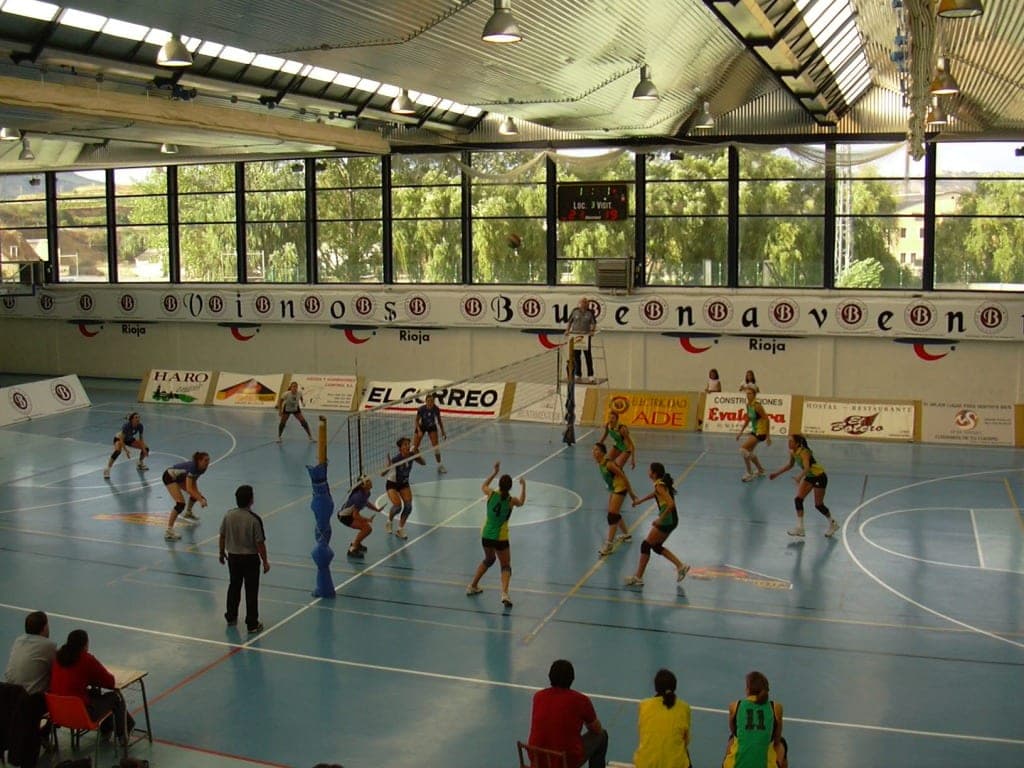
Sports that use setter:
Related positions
Outside hitter
The outside hitter attacks from the left side of the net and is often a volleyball team’s main scoring option.
Middle blocker
The middle blocker plays in the centre of the net, leading the team’s blocking and attacking with fast, quick sets.
Libero
The libero is a defensive volleyball specialist who wears a contrasting shirt, plays only in the back row, and cannot attack the ball above the height of the net.
How it connects
The meaning-bearing relationships that place Setter in the wider knowledge graph — each one with the reason it exists.
Frequently learned together
Taught side by side in the same stage of a learning path.
- Outside hitterBoth are taught in the “Find your position or role” stage of the Volleyball learning path.
- Middle blockerBoth are taught in the “Find your position or role” stage of the Volleyball learning path.
- LiberoBoth are taught in the “Find your position or role” stage of the Volleyball learning path.
- OppositeBoth are taught in the “Find your position or role” stage of the Volleyball learning path.
- PlaymakerBoth are taught in the “Find your position or role” stage of the Volleyball learning path.
Explore across the knowledge base
Follow the threads that connect Setter to the rest of SocialSportHub.
Player roles
- PlaymakerThe playmaker is a team's creative hub — the player who orchestrates attacks, controls the tempo and distributes the ball so teammates can score.
- CaptainThe captain is a team's on-field leader who communicates, makes in-game decisions and sets standards — a role any player can hold, not a fixed position.
- Pace-SetterThe player who sets and controls the tempo of play or the rhythm of an endurance effort, dictating how fast the game or race unfolds.
- Last line of defenceThe final barrier between an attack and a score — the goalkeeper, sweeper or last-ditch defender whose job is to stop what the rest of the team has let through.
- All-RounderAn all-rounder is a versatile player who contributes across attack and defence rather than specialising in a single phase, position, or skill.
Strategies
- Specialisation vs VersatilitySpecialisation versus versatility is the team-building and development trade-off between narrow role experts and adaptable all-rounders who cover several jobs.
- Controlling TempoControlling tempo is the strategy of dictating the pace and rhythm of play — speeding up or slowing down — to suit your strengths and unsettle opponents.
Rules
- Volleyball rotationThe rule that players rotate one position clockwise each time their team wins back the serve.
- Three-hit ruleThe volleyball rule that a team may contact the ball at most three times before it must cross the net.
- Ball-handling faultsVolleyball faults for catching, carrying or double-contacting the ball rather than cleanly hitting it.
- How a point is lost in padelThe actions that end a padel rally — the second bounce, touching the net, direct contact with the opponent's enclosure, and the neutral-zone exception on the court doors.
Skills
Sports communication
- Captain communicationHow a team's designated captain relays decisions, sets a tone and — in many sports — acts as the recognised point of contact with officials.
- Non-verbal communicationSharing information without words — through body language, eye contact, gestures and agreed hand signals — often faster or quieter than a call.
- Active listeningGenuinely taking in what a teammate or coach is communicating — not just hearing it — so the message actually lands.
- Role clarityEveryone on a team understanding what their own job is — and their teammates' — so effort is not wasted on overlap or gaps.
Go deeper with Setter
Everywhere else on the platform that covers Setter — assembled from what actually references it, so nothing here is a dead end.
Learn it
Structured courses and paths on the platform that cover this directly.
How this page is maintained
- Content type
- Position
- Provenance
- Tier A — evergreen educational
- Verified external sources
- 0
- Content updated
- 2026-09-12
Evergreen, first-party explanation — it makes no claim that needs an external source. How we handle sources and reviews.