
Snorkeling
Float, breathe and watch the underwater world
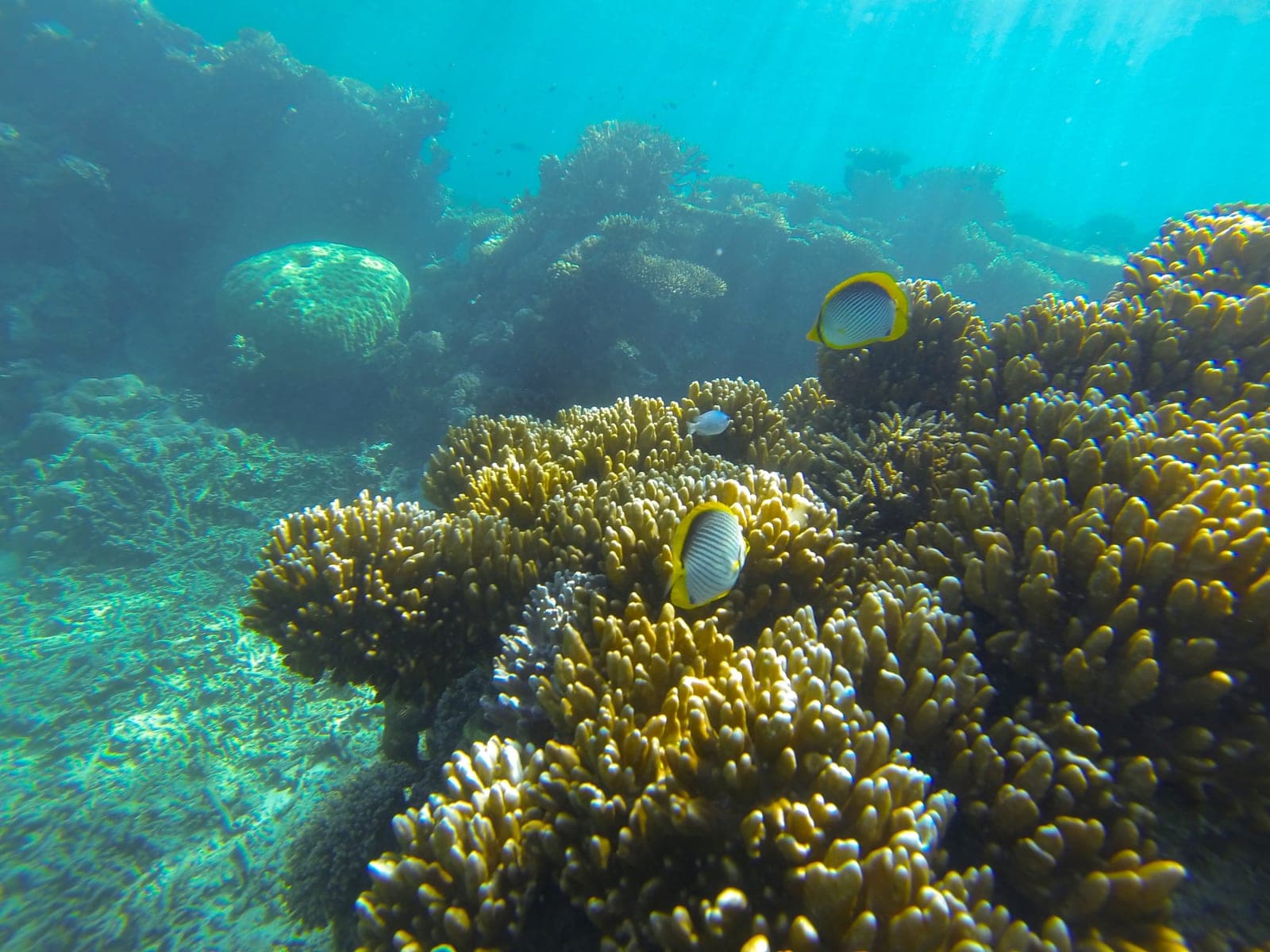

Overview
Snorkeling lets you float face-down at the surface and breathe through a short tube while watching the underwater world below. It needs very little equipment and no special training, which makes it one of the most accessible ways to enjoy the water, particularly over clear, calm and shallow areas.
A gentle mask, snorkel and a pair of fins are enough to get started, and much of the appeal is simply drifting quietly and observing. It can stay entirely relaxed or become more active as you fin along and explore, so it suits a very wide range of ages and abilities.
Why snorkeling is good for your health
- Gentle finning supports light cardiovascular activity
- Floating and moving in the water is very low-impact
- Steady, relaxed breathing encourages calm and focus
- Fin kicks lightly engage the legs, hips and core
The social side
- An easy, low-pressure activity that groups can share together
- Popular on family trips and sociable beach outings
- Guided snorkel tours are a friendly way to explore new spots
How to start as a beginner
- 1Practise breathing through the snorkel in shallow, calm water first
- 2Get a mask that seals comfortably without being too tight
- 3Stay within your depth, keep a buddy nearby and never snorkel alone
- 4Check conditions, currents and local guidance before heading out
Equipment you’ll need
- MaskEssentialA well-fitting mask that seals comfortably is the key to a good experience
- SnorkelEssential
- FinsOptionalHelp you move easily and conserve energy
- Buoyancy aid or floatOptionalUseful for extra support and visibility
- Wetsuit or rash topOptionalFor warmth and sun protection
Where to play
Snorkeling is typically played at:
Explore clubs and venues to understand the different places you can play, or see how to find people to play with.
Related sports to explore
If you enjoy Snorkeling, you might also like these.
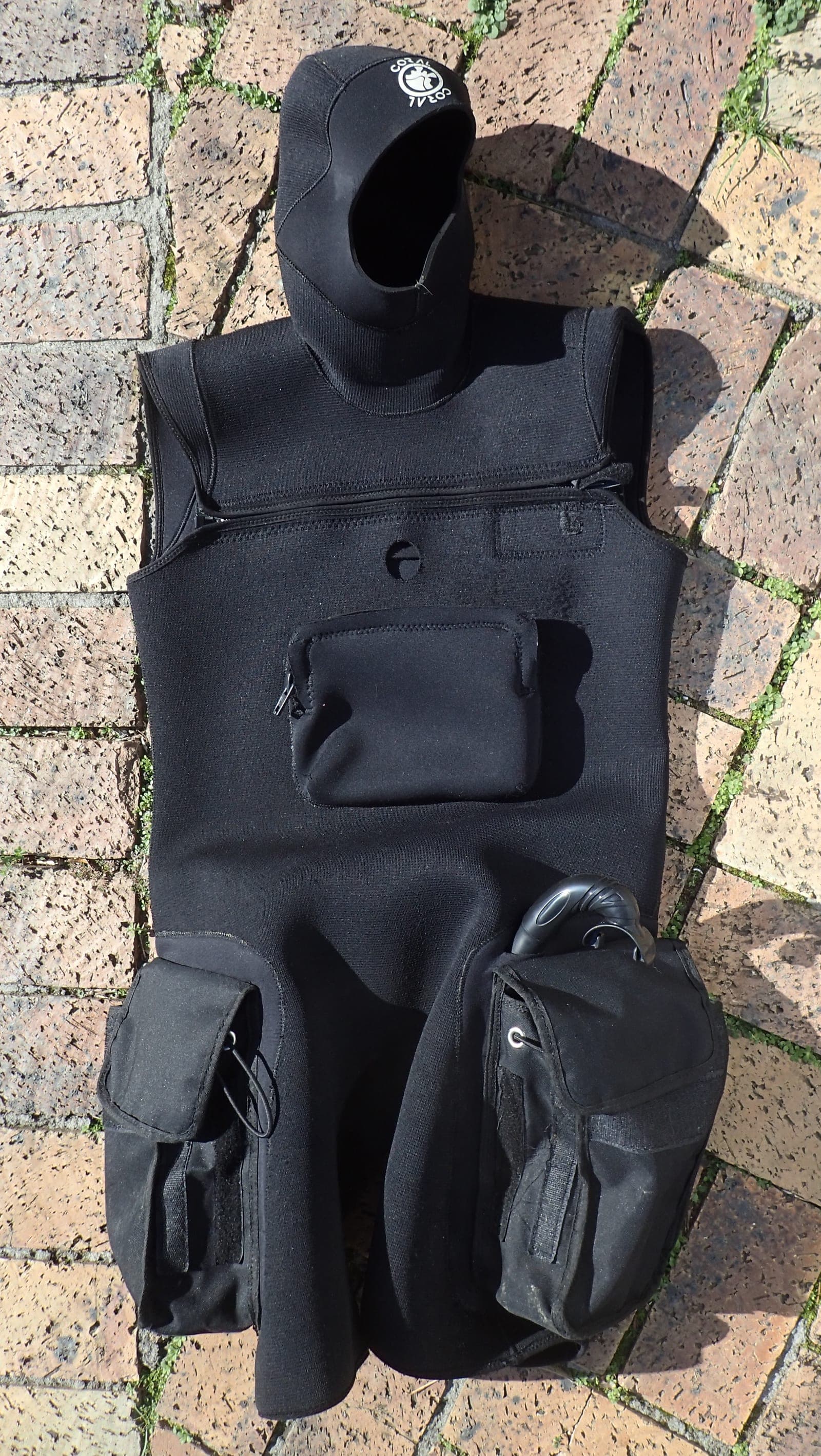
Scuba Diving
An underwater sport using breathing equipment to explore beneath the surface, always learned through qualified training.
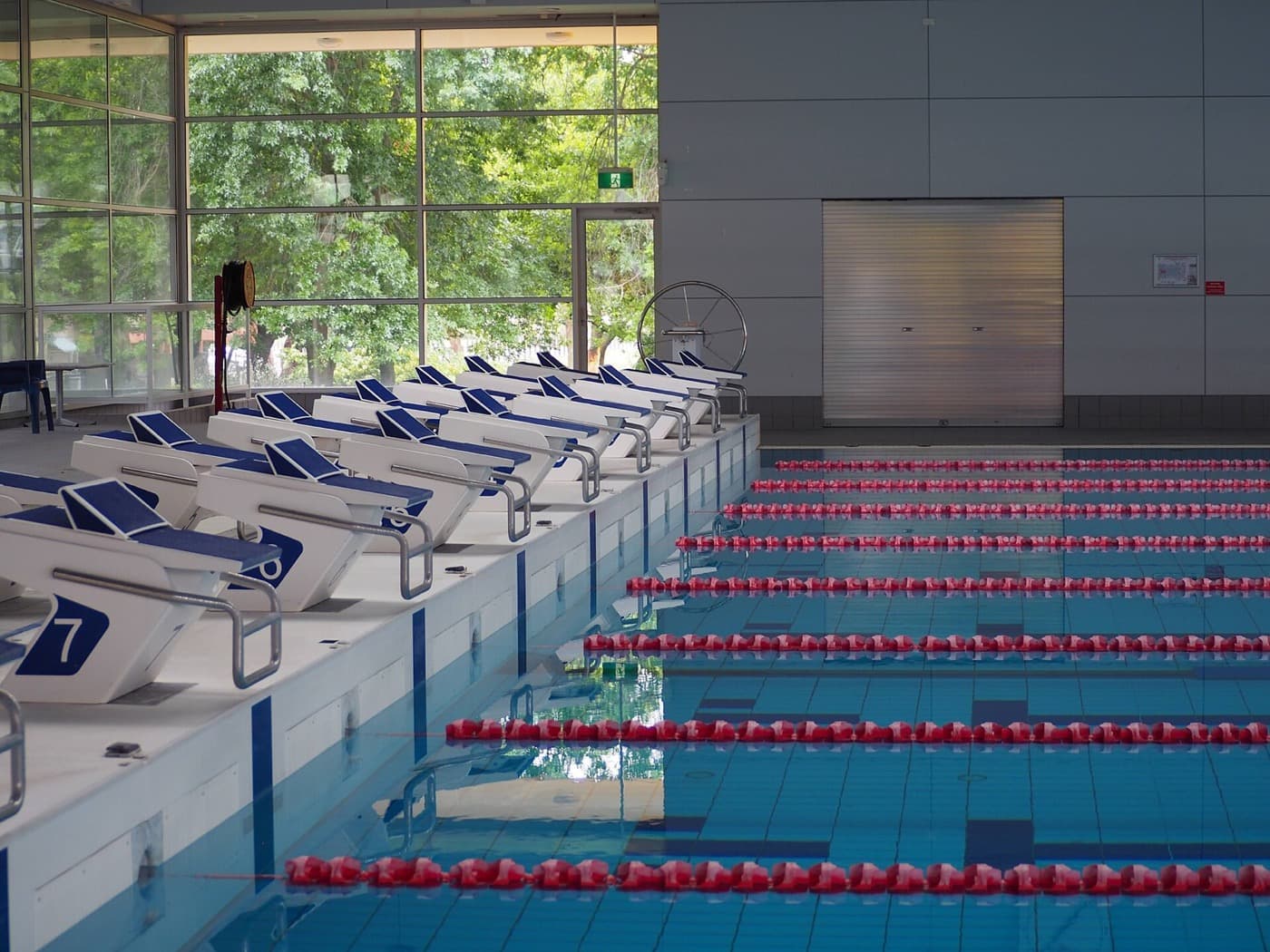
Swimming
A full-body, low-impact endurance sport suitable for almost every age and ability.
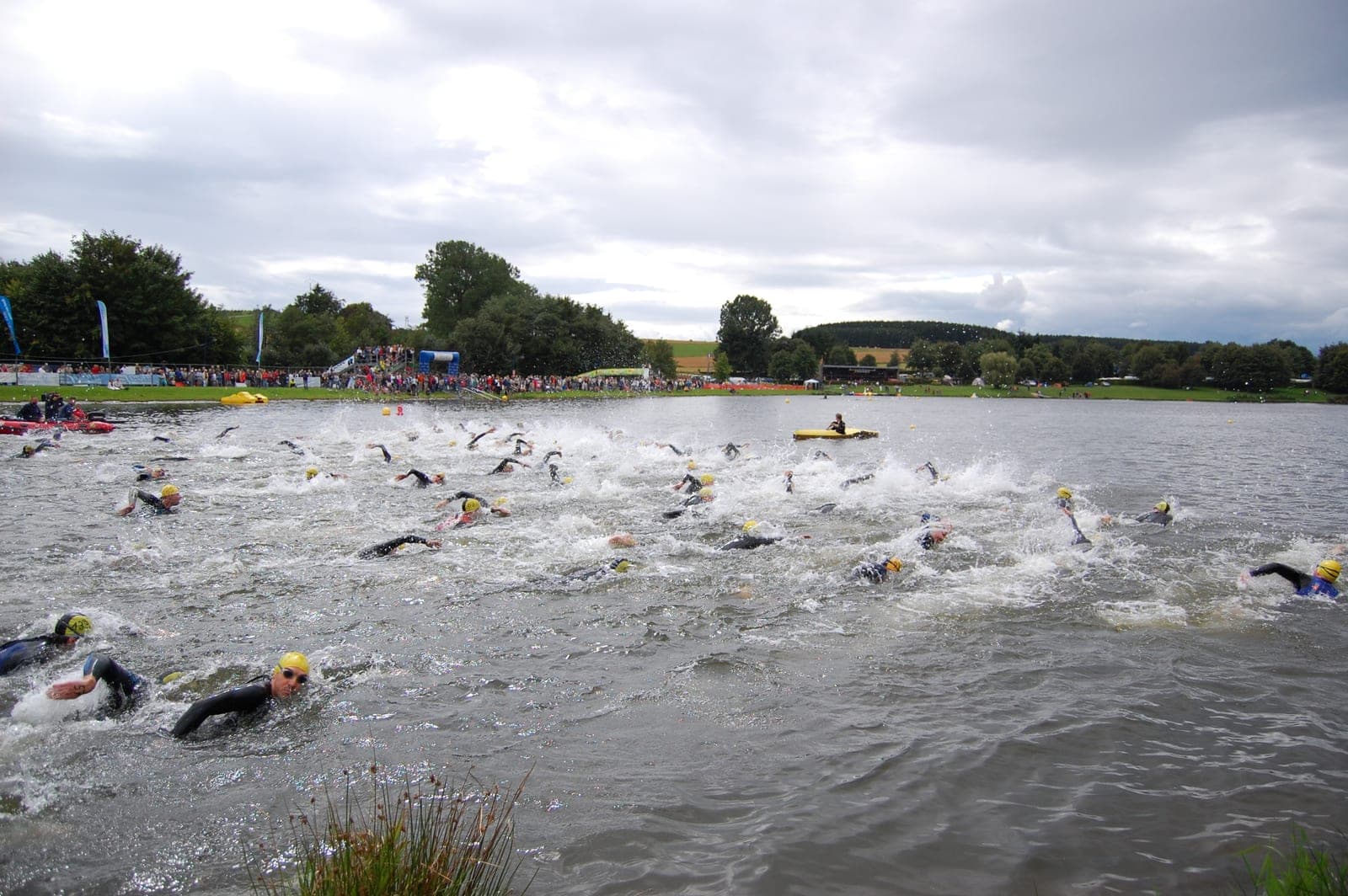
Open-Water Swimming
Swimming in lakes, rivers and the sea, blending endurance training with the experience of being out in nature.
Surfing
An ocean board sport of paddling into waves and riding them toward shore, balancing skill and reading the sea.
Compare Snorkeling with…
Deciding between Snorkeling and something similar? See how they line up side by side.
Bodyboarding vs Snorkeling
How they compare on difficulty, intensity, kit and what suits you.
Open-Water Swimming vs Snorkeling
How they compare on difficulty, intensity, kit and what suits you.
Scuba Diving vs Snorkeling
How they compare on difficulty, intensity, kit and what suits you.
Snorkeling vs Surfing
How they compare on difficulty, intensity, kit and what suits you.
Snorkeling vs Swimming
How they compare on difficulty, intensity, kit and what suits you.
Reach your goals with Snorkeling
People take up Snorkeling for all kinds of reasons. Here is what it can help you work towards.
Who & where Snorkeling fits
Sport should fit your life. Here is who Snorkeling suits and when it works.
How it connects
The meaning-bearing relationships that place Snorkeling in the wider knowledge graph — each one with the reason it exists.
Alternative to
Comparable enough that people choose between them.
- BodyboardingSnorkeling and Bodyboarding are close enough that the platform maintains a side-by-side comparison of them.
- Open-Water SwimmingSnorkeling and Open-Water Swimming are close enough that the platform maintains a side-by-side comparison of them.
- Scuba DivingSnorkeling and Scuba Diving are close enough that the platform maintains a side-by-side comparison of them.
- SurfingSnorkeling and Surfing are close enough that the platform maintains a side-by-side comparison of them.
- SwimmingSnorkeling and Swimming are close enough that the platform maintains a side-by-side comparison of them.
Helps achieve
A recognised route towards these goals.
Explore across the knowledge base
Follow the threads that connect Snorkeling to the rest of SocialSportHub.
Beginner guides
- Your First Informal Game or KickaboutA relaxed kickabout, hit or pick-up game is a genuine way into a sport — you learn by playing, the courtesies are simple, and nobody expects you to be good yet.
- How to Choose a Sport as a BeginnerA calm, practical way to pick a first sport that fits your interests, your body, your budget and your life — with full permission to try a few and change your mind.
Healthy living
- Active recoveryGentle, easy movement on your off days — a relaxed way to keep the body moving while it recovers, instead of doing nothing.
- Recovery walkingEasy, relaxed walking used as a way to recover — a low-effort way to keep moving on off days and after harder sessions.
- Stretching for recoveryUsing gentle, unhurried stretching to feel loosened and relaxed after activity — an easy, calming way to wind down.
- Digital WellbeingBuilding a calmer, more intentional relationship with your devices so technology supports an active, connected life rather than crowding it out.
Skills Academy
Go deeper with Snorkeling
Everywhere else on the platform that covers Snorkeling — assembled from what actually references it, so nothing here is a dead end.
Compare it
Head-to-head studies against the entities people actually weigh it against.
- Snorkeling vs BodyboardingSide by side on the qualities that differ.
- Snorkeling vs Open-Water SwimmingSide by side on the qualities that differ.
- Snorkeling vs Scuba DivingSide by side on the qualities that differ.
- Snorkeling vs SurfingSide by side on the qualities that differ.
- Snorkeling vs SwimmingSide by side on the qualities that differ.
Kit it out
Equipment guidance drawn from the graph, with no brands and no affiliate links.
Take it away
Open data and the whole-platform view of this subject.
How this page is maintained
- Content type
- Sport
- Provenance
- Tier A — evergreen educational
- Verified external sources
- 0
- Content updated
- 2026-07-06
Evergreen, first-party explanation — it makes no claim that needs an external source. How we handle sources and reviews.
Keep going
A sport is most rewarding alongside good habits, sensible nutrition and people to share it with. Here is where to go next.
How movement supports body and mind.
Eat well to feel and perform better.
Build routines that stick.
Ways to meet others and play together.
Where to play and what to expect.
Browse the full list by category.