
Beginner Clothing and Equipment Basics
A calm, practical guide to what to wear and bring for a first session — comfort and freedom of movement first, borrow or hire before you buy, and footwear that matches the surface.
You do not need special or expensive kit to start a sport. Most people already own something that works perfectly well for a first session, and turning up in ordinary, comfortable clothes is completely normal. The goal on day one is simply to move comfortably, take part, and enjoy it.
This guide is about getting ready rather than about gear reviews or brands. A few simple principles cover almost every sport, and wherever safety equipment genuinely matters, the easiest path is to borrow or hire it and ask the people running the session what to bring.
Comfort and movement come first
Choose clothes you can move freely in and that suit the temperature — nothing so tight it restricts you, nothing so loose it gets in the way. Breathable layers you can add or remove usually beat one heavy item. Brand names and matching outfits make no difference to how well you take part or how welcome you are.
The best first-session outfit is often something you already wear and trust. Clean, comfortable clothing that lets you bend, stretch and reach without a second thought is genuinely enough to begin.
- Pick clothing you can bend, stretch and reach in without noticing it
- Avoid brand-new items you have never worn in — a first session is not the time to discover a rub or a pinch
- Tie back long hair and take off loose jewellery that could catch
- Whatever is clean, comfortable and lets you move is a fine place to start
Borrow or hire before you buy
Many clubs, centres and beginner groups keep loan or hire kit precisely so that newcomers can try a sport without spending anything upfront. Trying before buying lets you find out what you actually like and need — how something fits, and whether the sport suits you at all — before committing to anything.
Buying a lot early, before you know what feels right in your hands or on your feet, is easy to do and rarely necessary. Second-hand and handed-down gear is completely ordinary in most sports. When in doubt, ask whoever runs the session what is provided and what you should bring.
- Ask ahead what equipment is loaned, hired or shared at the venue
- Let borrowed kit teach you what fits and feels right before you spend
- Hold off on bigger purchases until you have been along a few times
- Newer or pricier is not a beginner requirement — plenty of people start with second-hand gear
Footwear that matches the surface
Footwear is the one area worth a little thought, because the right shoe for the surface keeps you steadier and more comfortable. Grass, artificial turf, indoor courts, clay, road, trail, ice and water each reward different soles and grip. You usually will not need the specialist version on day one, but something clearly wrong for the surface — smooth soles on wet grass, or studs on a gym floor — makes things harder and less safe.
If you are unsure, ask what people wear at that particular venue, or start in a clean, supportive general sports shoe and refine from there. Many venues also have footwear rules, such as non-marking soles indoors or no metal studs on certain surfaces, so it is worth checking before you go. If a foot problem, injury or health condition affects what you can comfortably wear, a qualified health professional can give advice specific to you.
- Match grip to the ground — soft ground, hard court, road and trail all differ
- Indoor venues often require clean, non-marking soles, so check the rule first
- A comfortable, supportive general sports shoe is a sensible starting point for many sports
- If a sport needs specialist footwear such as studs, cleats, boots or crampons, borrow or hire a pair before buying
Layering for outdoor sports
Outdoors, the weather does half the work of deciding what to wear. Thin layers you can add or take off let you adapt as you warm up, cool down or the conditions change — far more flexible than a single thick garment. A light waterproof or windproof top is often the most useful extra thing to carry.
Think about the parts that feel cold or wet first — hands, head and feet — and bring a spare layer if you can. If a session is genuinely long, remote or in demanding conditions, the people running it will usually tell you what to bring, and that guidance is worth following closely.
- Build warmth from removable layers rather than one heavy item
- Carry a light waterproof or windproof top when the weather is uncertain
- Protect your extremities — a hat, gloves and dry socks make a real difference
- Take water, and sun protection when conditions call for it
Common questions
- Do I need to buy special kit before my first session?
- Almost never. Comfortable clothes you can move in and a supportive pair of trainers cover most first sessions, and many venues loan or hire any specialist equipment. Ask whoever is running the session what is provided so that you only bring what you genuinely need.
- How do I know what footwear is right?
- Match the sole and grip to the surface — grass, indoor courts, road and trail all differ — and check any venue footwear rules before you go. A clean, supportive general sports shoe is a sensible starting point for many sports, and you can move to specialist footwear, which you can often borrow or hire, once you know you are sticking with it. If a foot or health concern affects what you can wear, a qualified professional can advise.
A note for beginners
Sports to explore
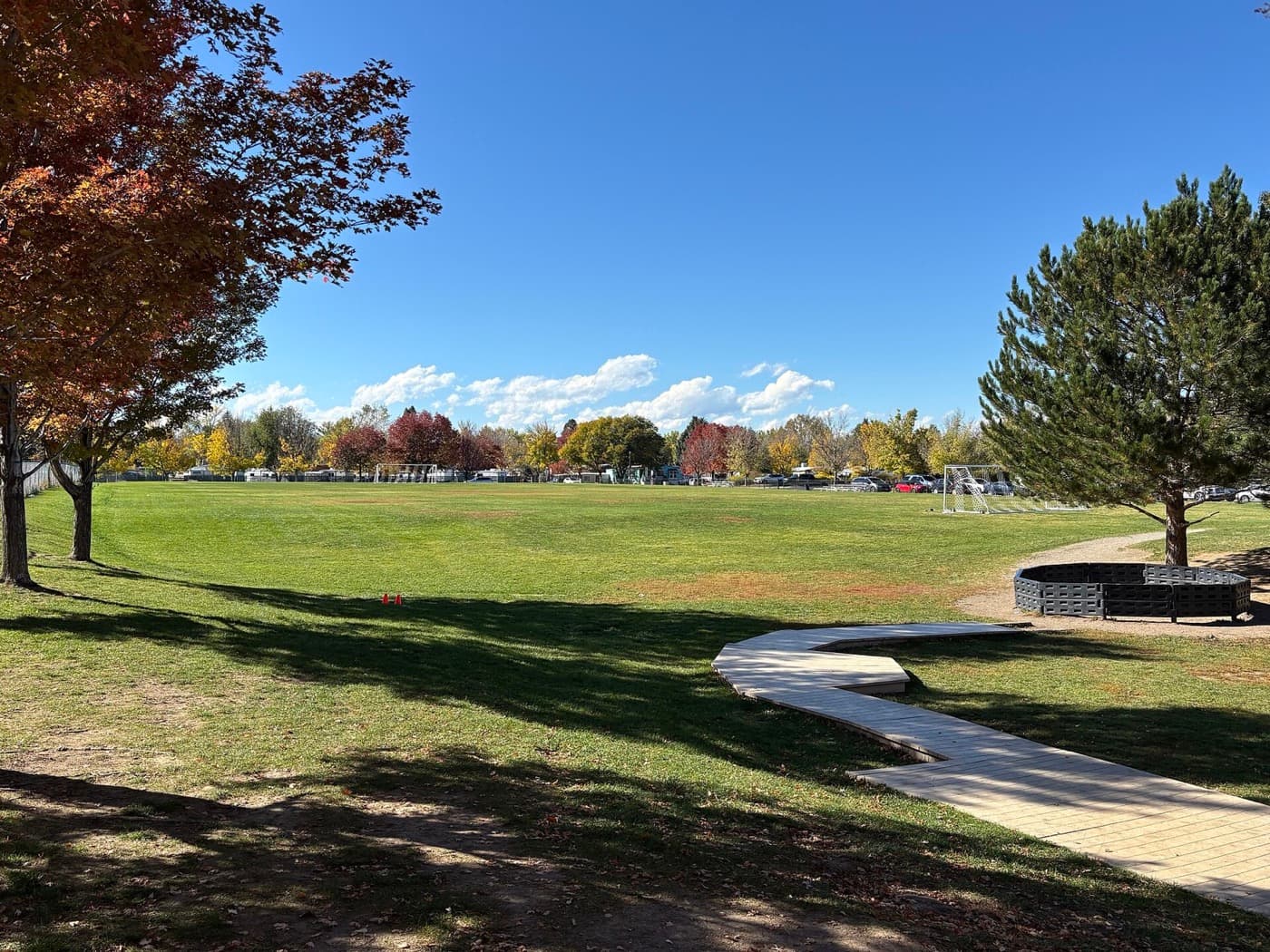
Football
The world’s most popular team sport — endless running, teamwork and community in one game.
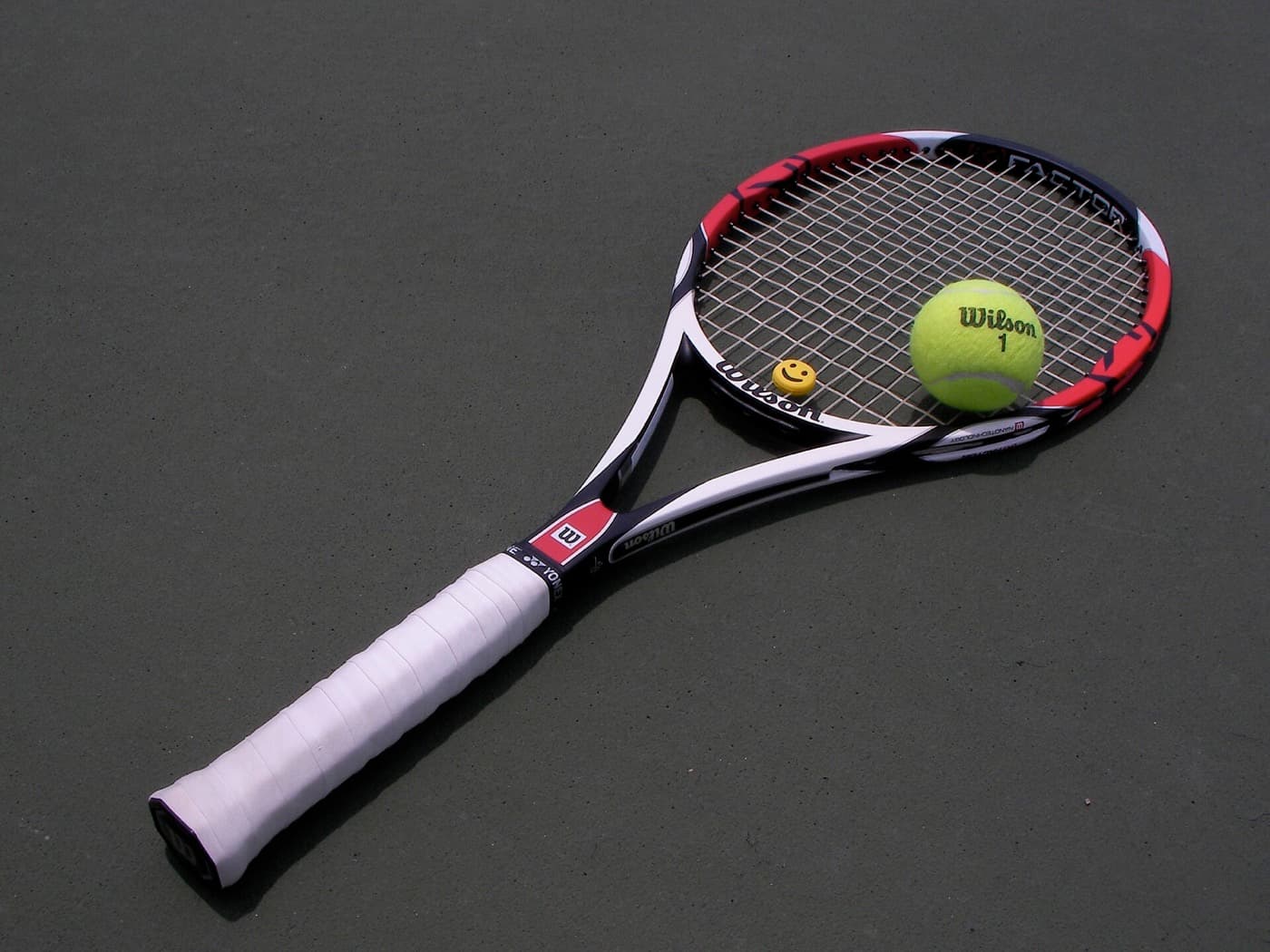
Tennis
A singles or doubles racquet sport that blends agility, strategy and stamina on court.
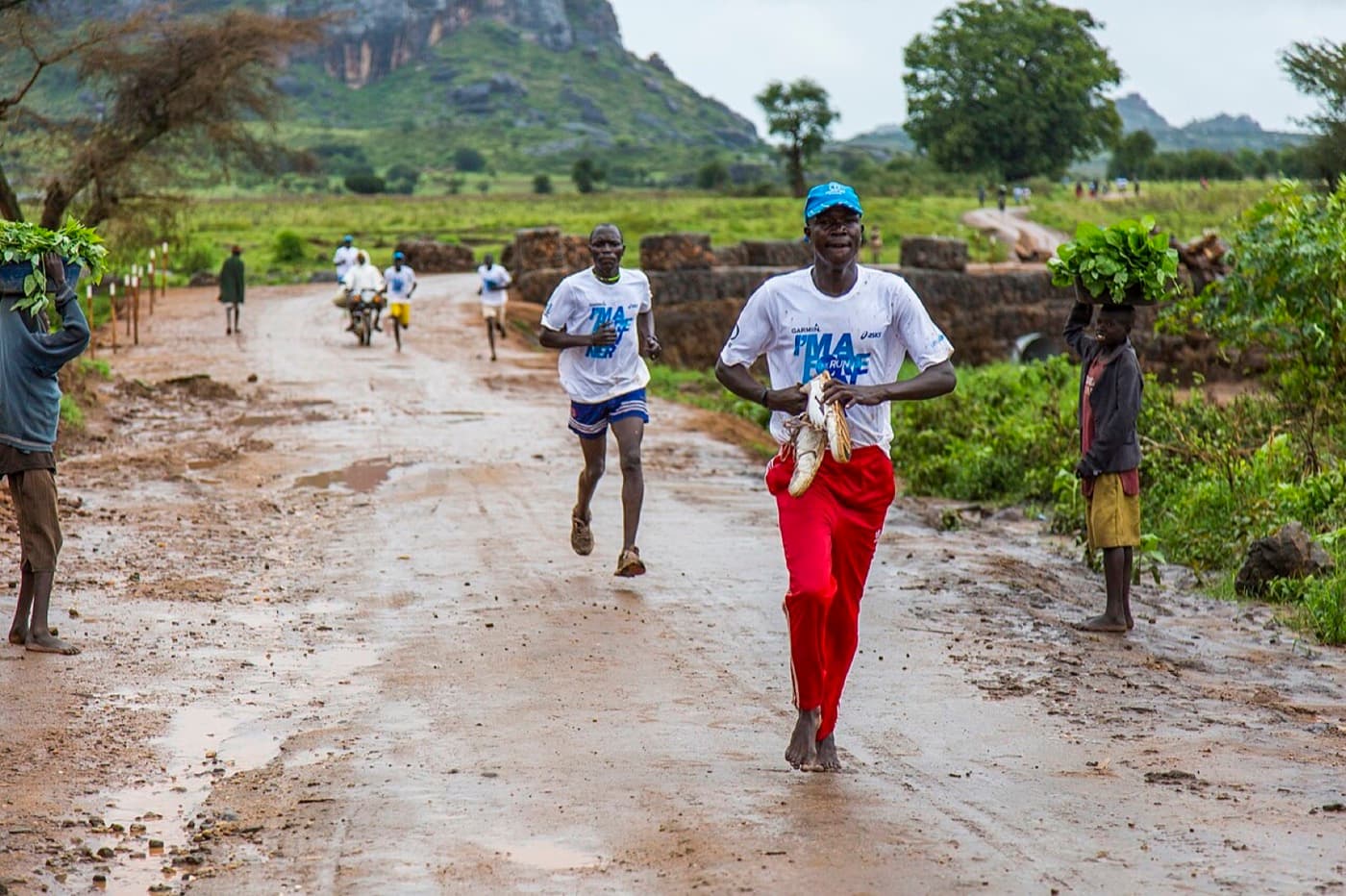
Running
The most accessible endurance sport — no venue, just shoes and the open road or trail.

Hiking
An accessible outdoor sport of walking natural trails and hills at your own pace, solo or in a group.
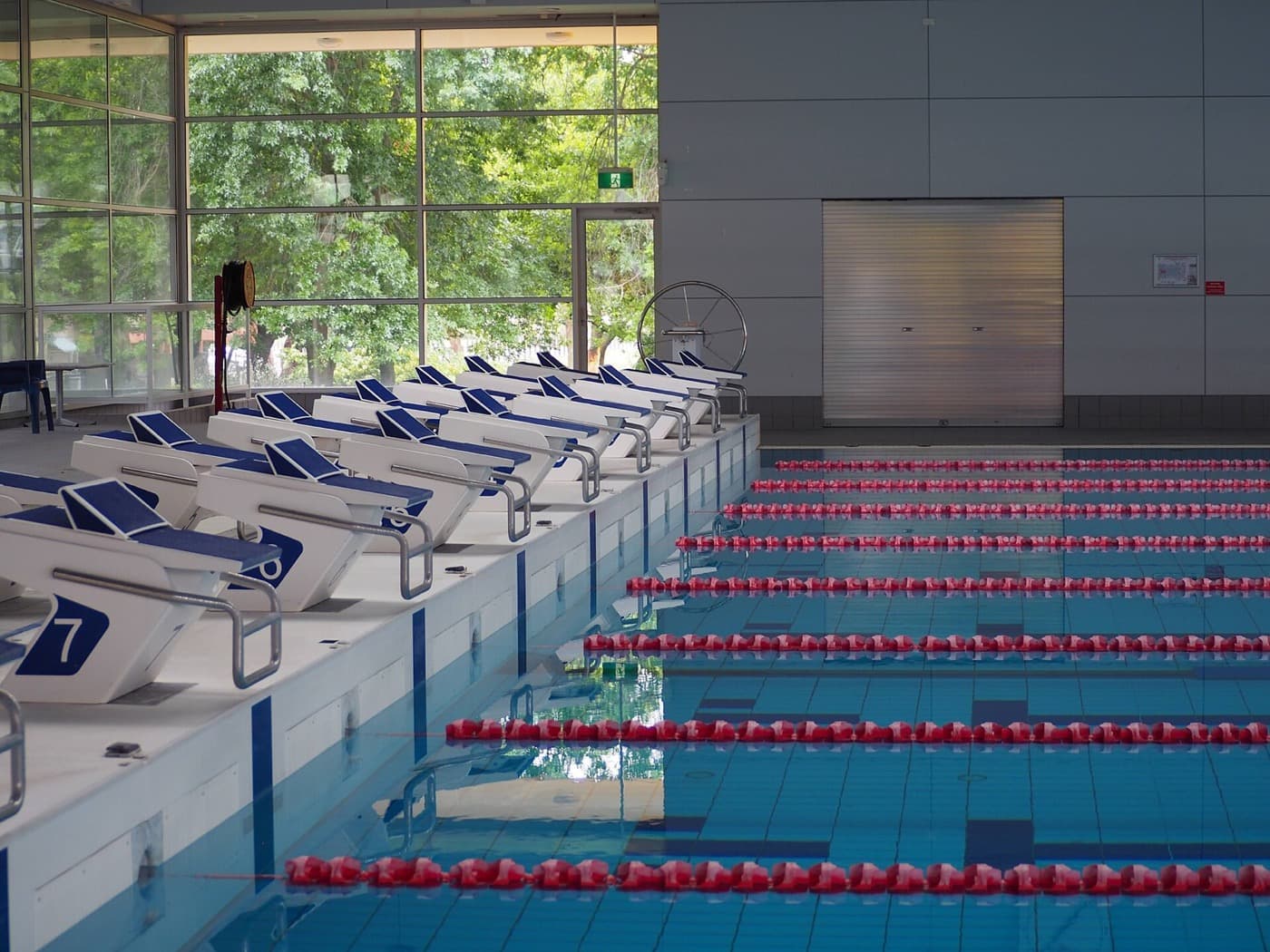
Swimming
A full-body, low-impact endurance sport suitable for almost every age and ability.
Cycling
A low-impact endurance sport that doubles as transport, exercise and adventure.
Words you might hear
Cleats
Cleats are sports shoes fitted with studs or blades on the sole to grip grass and soft ground, and can also mean the studs themselves.
Boot
Sport-specific footwear whose meaning ranges from a studded football boot to a rigid ski boot that clips into a binding.
Crampons
Crampons are metal spiked frames strapped to boots to provide grip on ice and hard, compacted snow.
Artificial Turf
A synthetic playing surface of manufactured grass-like fibres, used as an all-weather alternative to natural grass for football, hockey and other field sports.
Grass (Playing Surface)
A natural turf playing surface of living, mown grass grown on soil, used for tennis, football, cricket and other field sports.
Clay (Court Surface)
A slow tennis court surface of crushed brick, stone or shale that produces a high, slower bounce and lets players slide into their shots.
Gi
A gi is the traditional two-piece uniform, worn with a belt, used in several grappling and striking martial arts.
Bib
A wearable identifier in sport, most often a runner's numbered race bib, a coloured training bib, or a leader's bib in skiing.
More beginner guides
How to Choose a Sport as a Beginner
A calm, practical way to pick a first sport that fits your interests, your body, your budget and your life — with full permission to try a few and change your mind.
How to Prepare for Your First Session
A calm, practical walkthrough of getting ready for your very first session of any sport — arriving prepared, easing the nerves, and setting one small, realistic aim.
What to Bring to Your First Session
Most first sessions need far less than people expect — water, clothes you can move in, footwear that suits the surface and a few personal bits usually cover it, with any sport-specific kit noted on each sport's first-session page.
Venue and Club Etiquette for Beginners
A warm, practical guide to feeling at ease at a new sports venue or club — how to arrive, sign in, share the space, wait your turn, tidy up, and ask for help without any awkwardness.
Explore across the knowledge base
Follow the threads that connect Beginner Clothing and Equipment Basics to the rest of SocialSportHub.
Sports
- FootballThe world’s most popular team sport — endless running, teamwork and community in one game.
- TennisA singles or doubles racquet sport that blends agility, strategy and stamina on court.
- RunningThe most accessible endurance sport — no venue, just shoes and the open road or trail.
- HikingAn accessible outdoor sport of walking natural trails and hills at your own pace, solo or in a group.
- SwimmingA full-body, low-impact endurance sport suitable for almost every age and ability.
Glossary
- CleatsCleats are sports shoes fitted with studs or blades on the sole to grip grass and soft ground, and can also mean the studs themselves.
- BootSport-specific footwear whose meaning ranges from a studded football boot to a rigid ski boot that clips into a binding.
- CramponsCrampons are metal spiked frames strapped to boots to provide grip on ice and hard, compacted snow.
- Artificial TurfA synthetic playing surface of manufactured grass-like fibres, used as an all-weather alternative to natural grass for football, hockey and other field sports.
- Grass (Playing Surface)A natural turf playing surface of living, mown grass grown on soil, used for tennis, football, cricket and other field sports.
Knowledge Atlas
Practice & sessions
How this page is maintained
- Content type
- Beginner guide
- Provenance
- Tier A — evergreen educational
- Verified external sources
- 0
- Content updated
- 2026-07-13
Evergreen, first-party explanation — it makes no claim that needs an external source. How we handle sources and reviews.