
Scuba Diving
Breathe underwater and explore a hidden world

.jpg)
Inside the sport
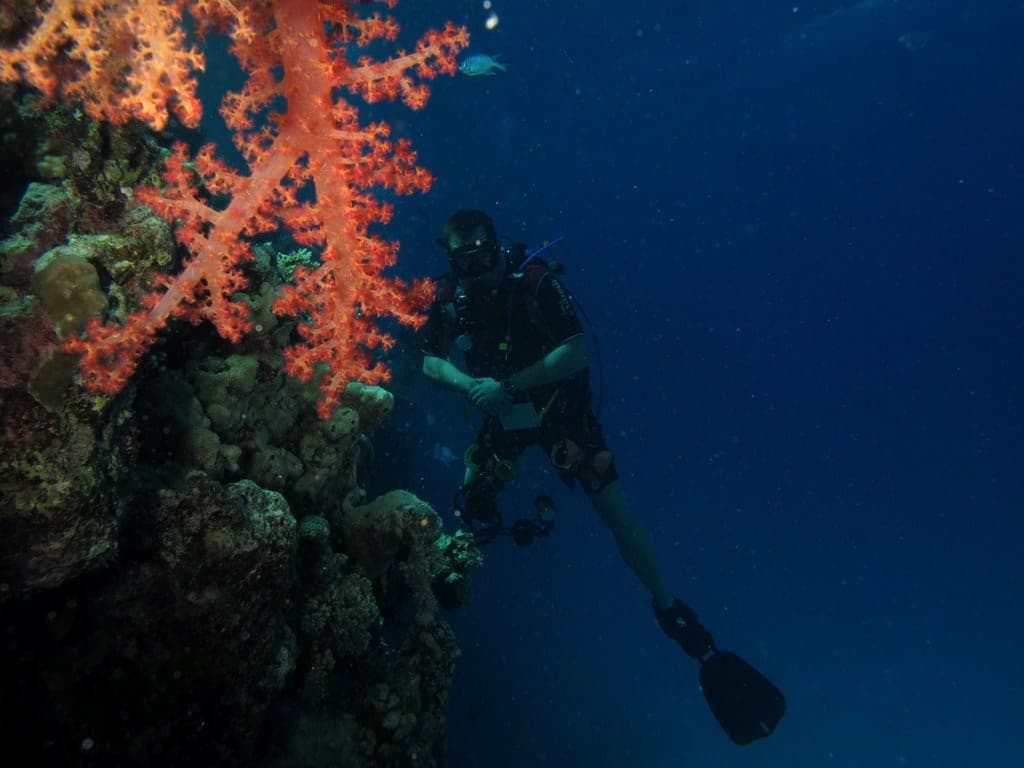
Scuba diving lets you breathe underwater using a cylinder of air and a regulator, so you can spend extended time exploring beneath the surface. Rather than a race or a workout, it is a slow, controlled activity focused on buoyancy, calm breathing and quietly observing the underwater environment.
Overview
Because it involves specialist equipment and managing depth and air, diving is always learned through a recognised course with qualified instructors, and dives are made with a buddy. That structured training and steady, methodical approach are central to the sport and are what make exploring the underwater world accessible and enjoyable.
Why scuba diving is good for your health
- Finning through the water builds gentle leg and core endurance
- Slow, controlled breathing encourages calm and focus
- A low-impact way to stay active that is supported by the water
- Carrying and managing gear develops functional strength
The social side
- The buddy system means diving is naturally done with others
- Dive clubs and centres organise sociable trips and outings
- Shared experiences underwater create a strong sense of community
How to start as a beginner
- 1Try a supervised introductory or discover session at a dive centre
- 2Take a recognised beginner certification course with qualified instructors
- 3Practise the basics in a pool or confined water before open water
- 4Always dive within your training, with a buddy, and follow safety briefings
Equipment you’ll need
- Mask, snorkel and finsEssentialA well-fitting mask that seals comfortably makes a big difference
- Buoyancy device and regulatorEssentialSet up and provided as part of training and centre hire
- Air cylinderEssentialSupplied and filled by the dive centre
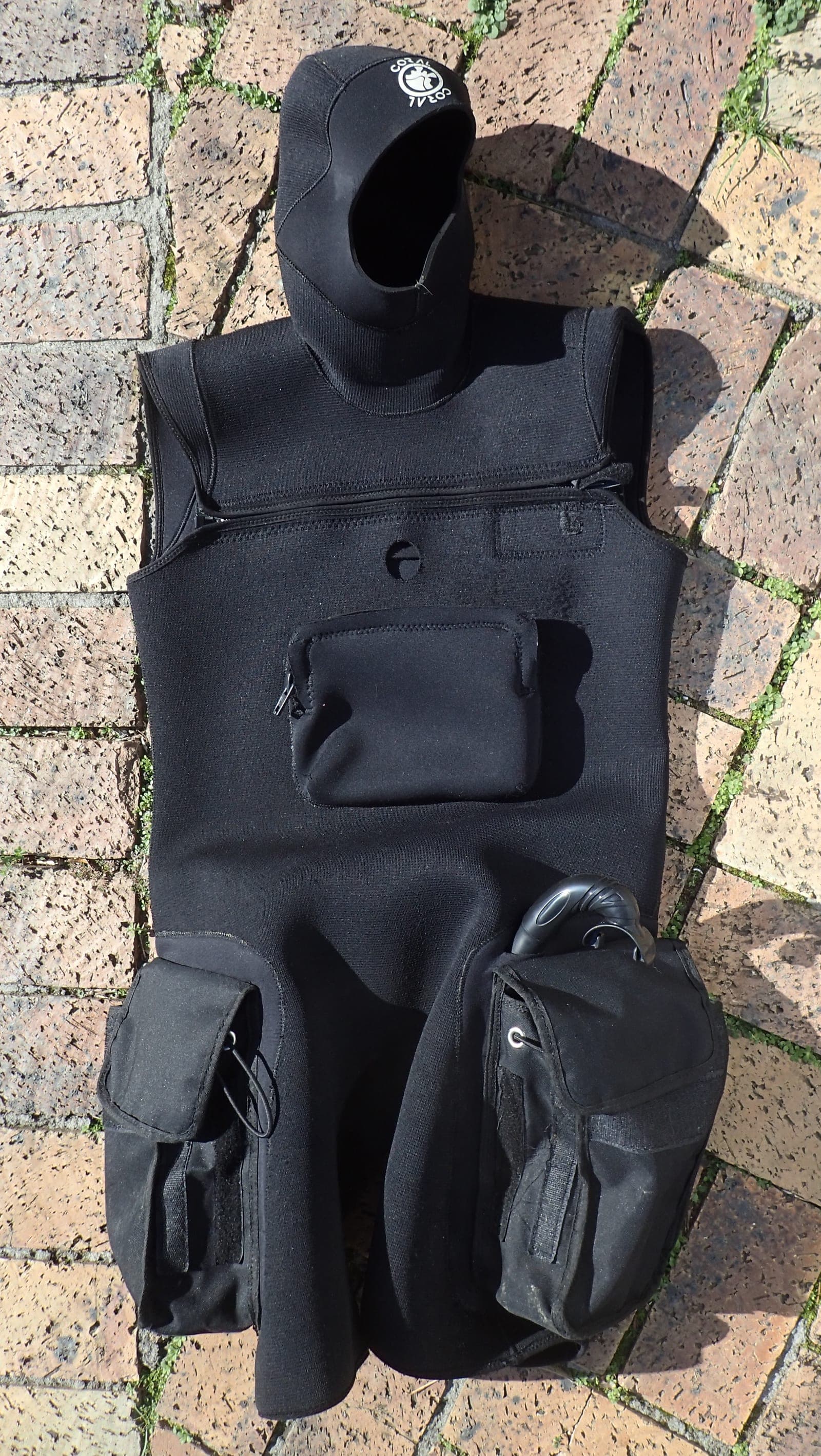
- Wetsuit or drysuitOptionalDepending on water temperature
- Dive computer or depth gaugeOptionalOften introduced during training
Where to play
Scuba Diving is typically played at:
Explore clubs and venues to understand the different places you can play, or see how to find people to play with.
Playing Scuba Diving
The equipment, rules, skills and more that make up the game — each cross-linked into the encyclopedia.
Related sports to explore
If you enjoy Scuba Diving, you might also like these.
Snorkeling
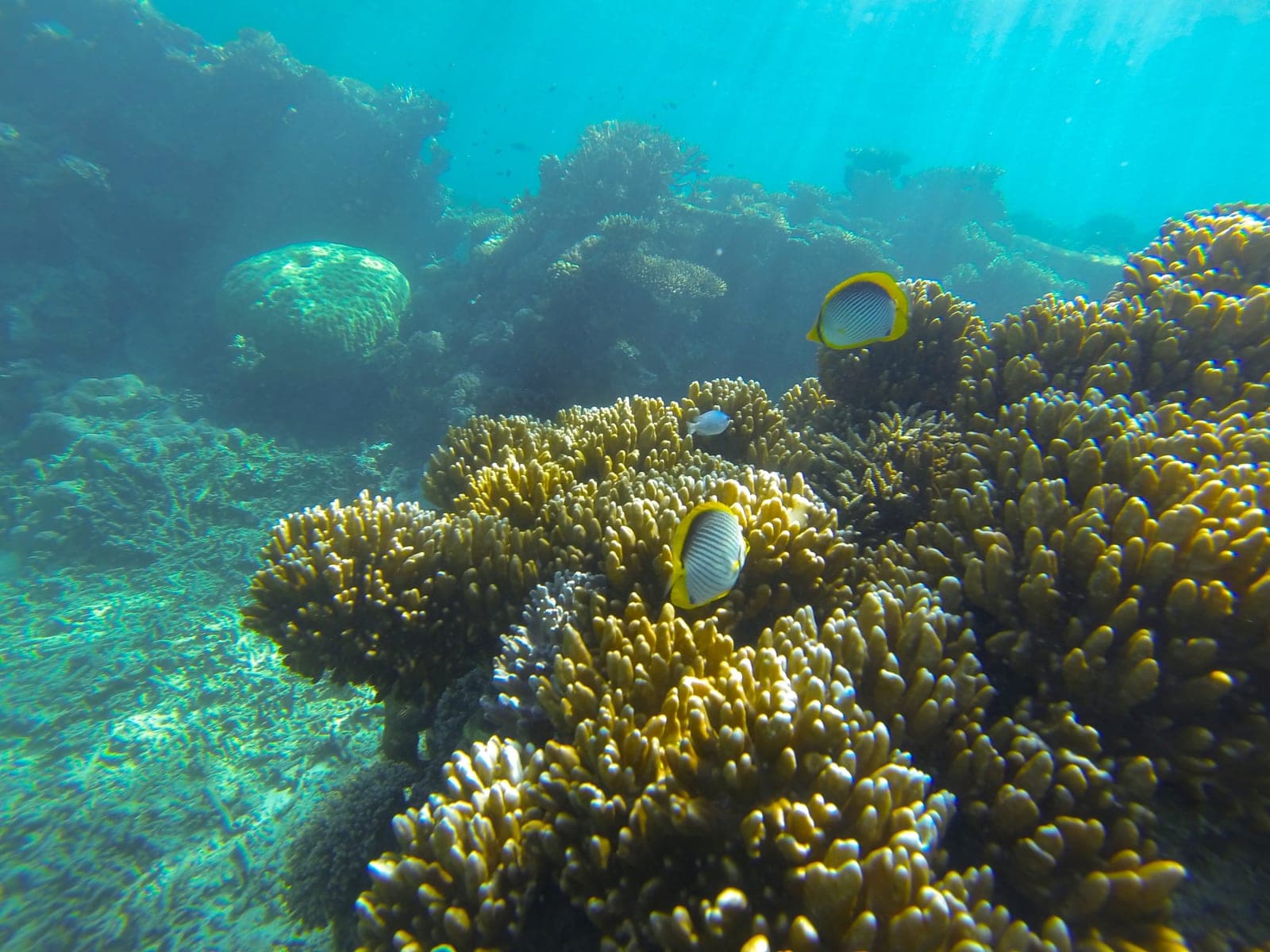
A relaxed way to observe underwater life while floating at the surface with a mask and breathing tube.
Swimming
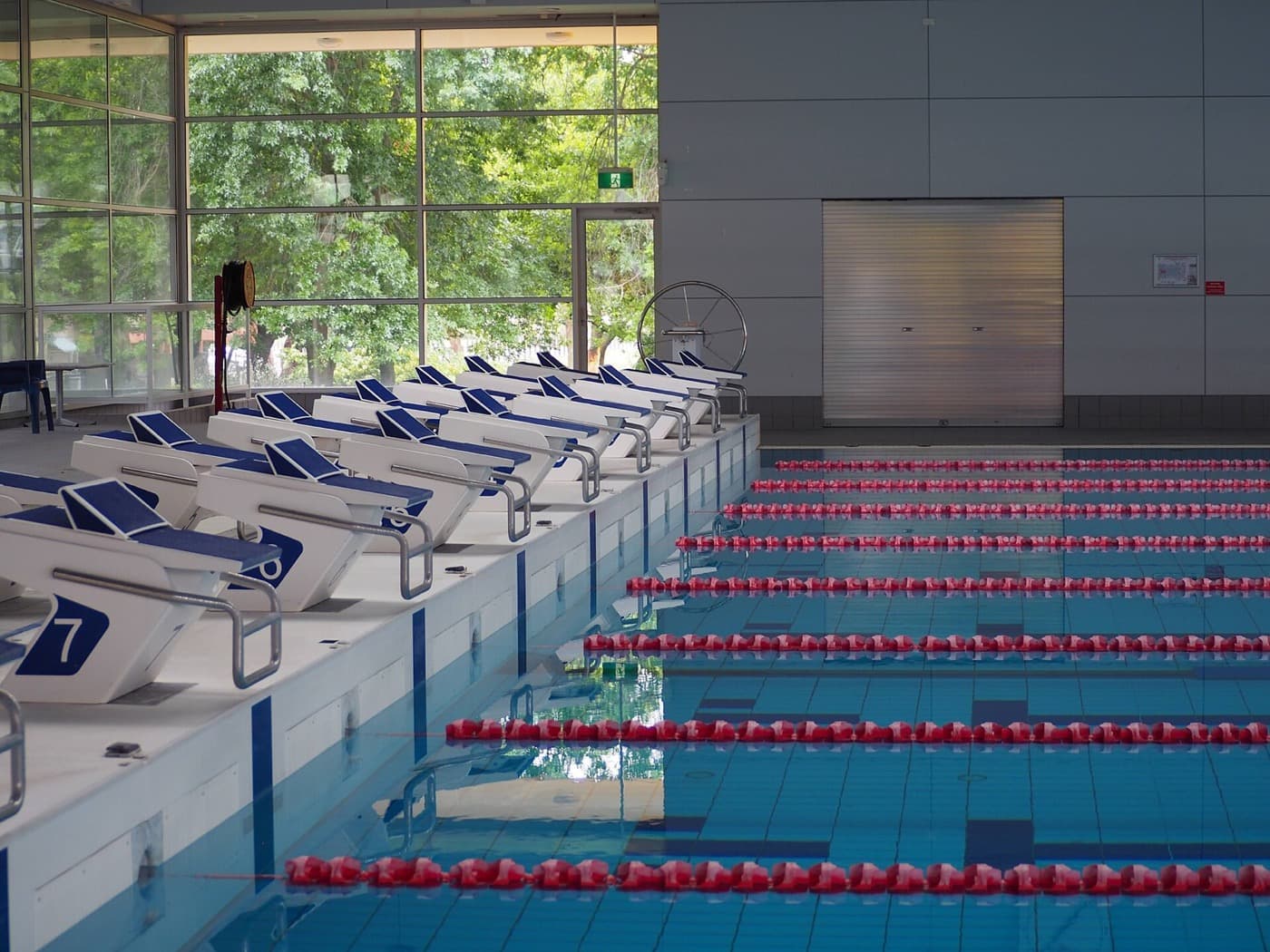
A full-body, low-impact endurance sport suitable for almost every age and ability.
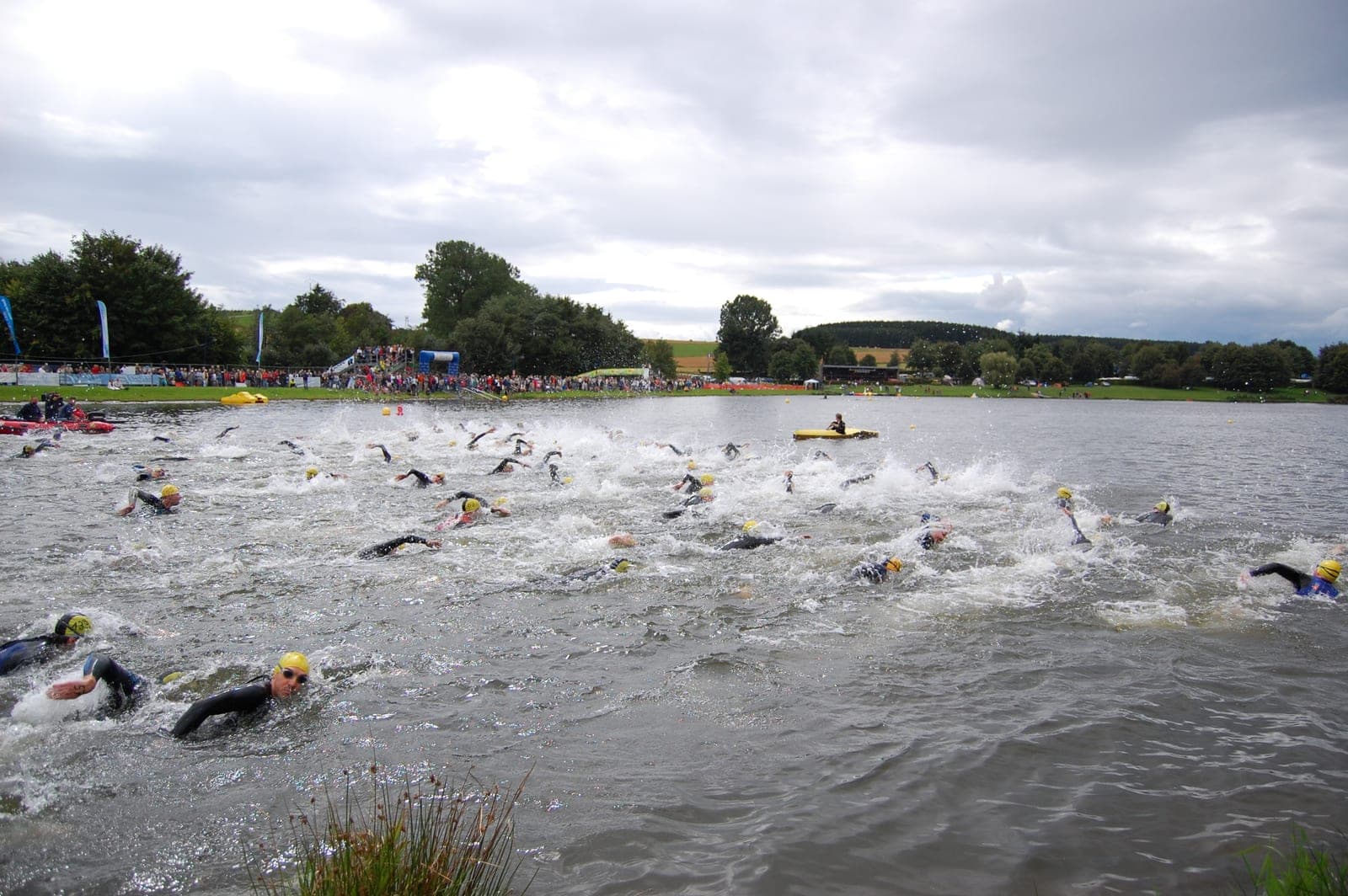
Open-Water Swimming
Swimming in lakes, rivers and the sea, blending endurance training with the experience of being out in nature.
Compare Scuba Diving with…
Deciding between Scuba Diving and something similar? See how they line up side by side.
Open-Water Swimming vs Scuba Diving
How they compare on difficulty, intensity, kit and what suits you.
Scuba Diving vs Snorkeling
How they compare on difficulty, intensity, kit and what suits you.
Scuba Diving vs Swimming
How they compare on difficulty, intensity, kit and what suits you.
How it connects
The meaning-bearing relationships that place Scuba Diving in the wider knowledge graph — each one with the reason it exists.
Alternative to
Comparable enough that people choose between them.
- Open-Water SwimmingScuba Diving and Open-Water Swimming are close enough that the platform maintains a side-by-side comparison of them.
- SnorkelingScuba Diving and Snorkeling are close enough that the platform maintains a side-by-side comparison of them.
- SwimmingScuba Diving and Swimming are close enough that the platform maintains a side-by-side comparison of them.
Explore across the knowledge base
Follow the threads that connect Scuba Diving to the rest of SocialSportHub.
Knowledge Atlas
- Explore by EquipmentThe gear of sport — grouped by kind and linked to the sports and beginner guides that use it.
- Explore by Healthy LivingThe whole healthy-living knowledge base — daily activity, sleep, hydration, eating, recovery and choices.
- Explore by NutritionEating and hydration for an active life — the healthy-eating and hydration topics of the knowledge base.
- Explore by CommunicationHow sport is communicated — in play, within a team, and around the game.
Learning paths
- Learn TennisA structured, educational learning path for tennis — from the rules to skills, techniques, tactics and training.
- Learn FootballA structured, educational learning path for football — from the rules to skills, techniques, tactics and training.
- Learn RunningA structured, educational learning path for running — from the rules to skills, techniques, tactics and training.
- Learn BasketballA structured, educational learning path for basketball — from the rules to skills, techniques, tactics and training.
- Learn SwimmingA structured, educational learning path for swimming — from the rules to skills, techniques, tactics and training.
Go deeper with Scuba Diving
Everywhere else on the platform that covers Scuba Diving — assembled from what actually references it, so nothing here is a dead end.
Compare it
Head-to-head studies against the entities people actually weigh it against.
Kit it out
Equipment guidance drawn from the graph, with no brands and no affiliate links.
Take it away
Open data and the whole-platform view of this subject.
How this page is maintained
- Content type
- Sport
- Provenance
- Tier A — evergreen educational
- Verified external sources
- 0
- Content updated
- 2026-07-06
Evergreen, first-party explanation — it makes no claim that needs an external source. How we handle sources and reviews.
Keep going
A sport is most rewarding alongside good habits, sensible nutrition and people to share it with. Here is where to go next.
How movement supports body and mind.
Eat well to feel and perform better.
Build routines that stick.
Ways to meet others and play together.
Where to play and what to expect.
Browse the full list by category.