
Stretching for recovery
Using gentle, unhurried stretching to feel loosened and relaxed after activity — an easy, calming way to wind down.
Overview
Gentle stretching is a common way to ease from activity back into rest. Moving slowly through a comfortable range and holding easy positions can feel loosening and calming, and many people enjoy it as a quiet moment to wind down after a session. It asks for no equipment and only a few minutes, which makes it simple to keep up.
It helps to keep expectations realistic. Stretching feels good to many people and can be a pleasant part of a recovery habit, but claims about exactly what it does — for soreness, flexibility or injury — vary and are not settled. Keep movements gentle and never force a stretch; if you are working around pain or an injury, that is a matter for a qualified professional rather than a general guide.
What helps
- A gentle, unhurried way to ease from activity into rest.
- Needs no equipment and only a few minutes — easy to keep up.
- Many people find it loosening and calming as a wind-down.
- Keep it comfortable — never force a stretch or push into pain.
- Claims about soreness, flexibility and injury vary; keep expectations realistic.
A note on this guidance
How to start
- 1Try a few easy stretches after activity, while you are still warm.
- 2Move slowly and stay within a comfortable, pain-free range.
- 3Breathe and relax into each position rather than forcing it.
- 4For stretching around an injury or health issue, check with a qualified professional.
Sports that fit
Ways to put this into practice — each with a clear, beginner-friendly guide.
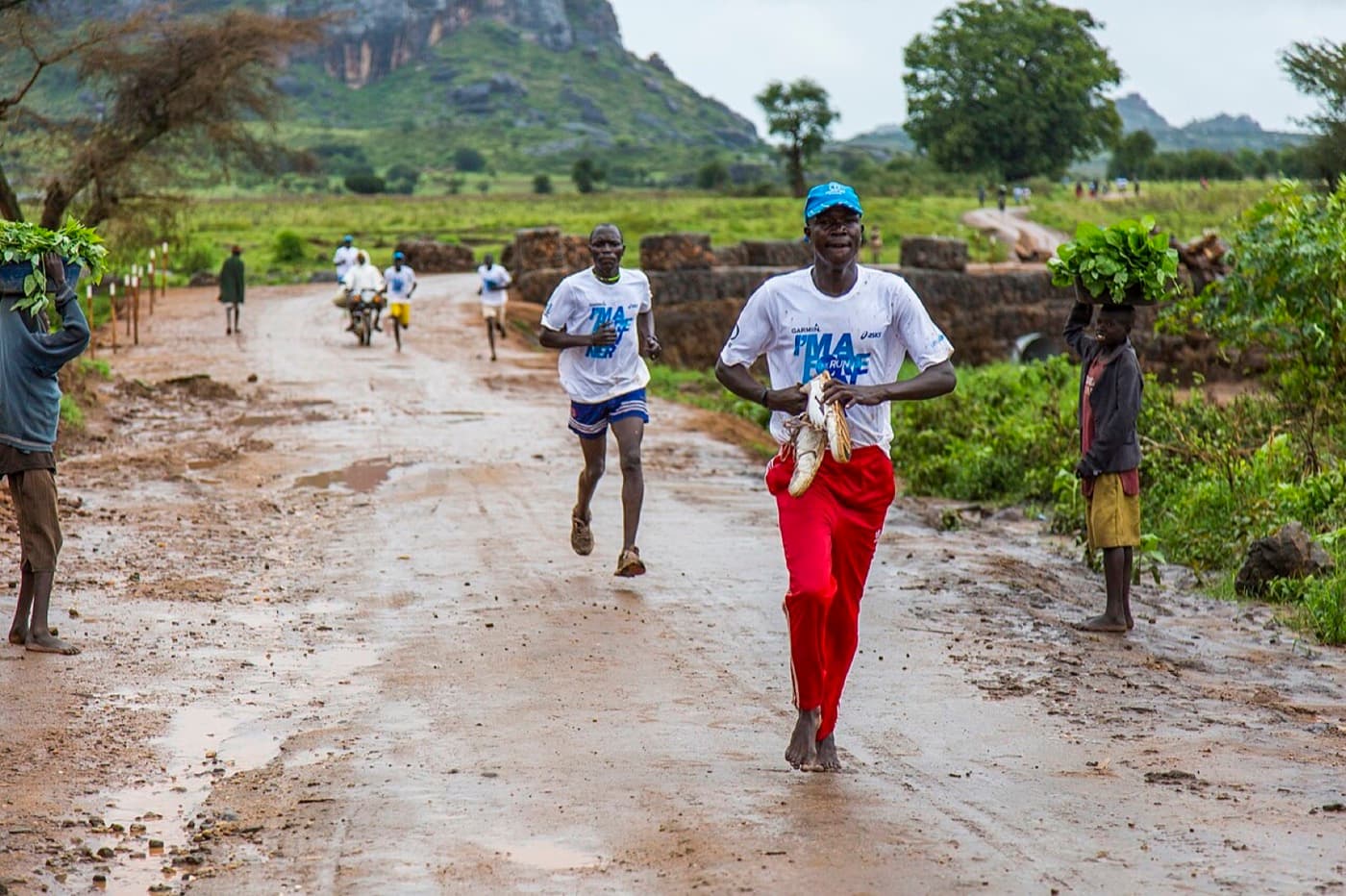
Running
The most accessible endurance sport — no venue, just shoes and the open road or trail.

Fitness
Strength and general fitness training — the foundation that supports every other sport.
Football
The world’s most popular team sport — endless running, teamwork and community in one game.
Goals it supports
Improve flexibility
Lengthen your muscles and widen your range of motion through regular, gentle stretching over time.
Improve mobility
Move your joints more freely and comfortably through their natural range with regular, gentle practice.
Reduce stress
Find calmer, healthier ways to unwind through regular movement, gentle mind-body activity and time outdoors.
Build healthy habits
Using sport and routine to make regular activity a lasting part of everyday life.
Frequently asked questions
Does stretching prevent soreness or injury?
The evidence on exactly what stretching does — for soreness, flexibility or preventing injury — is mixed and not settled, so it is best not to rely on it as a fix. Plenty of people simply find gentle stretching feels good as part of winding down, which is reason enough to enjoy it. For anything involving pain or injury, speak with a qualified professional.
Explore across the knowledge base
Follow the threads that connect Stretching for recovery to the rest of SocialSportHub.
Training guides
- How to cool downA cool-down is a few easy minutes at the end of a session that let your effort taper off gradually before you stop.
- Understanding rest and recoveryRest and recovery are the everyday habits — sleep, rest days and gentle movement — that let the benefits of training take hold between sessions.
Lifestyle
Recovery
- Gentle stretchingGentle stretching means easing into comfortable stretches and holding them in a relaxed way to help you feel less stiff.
- Breathing & winding downWinding down with slow, relaxed breathing is a calming everyday habit that helps you shift from activity towards rest.
- WalkingWalking is simple, low-intensity movement that supports everyday activity and gentle recovery for almost anyone.
- Cool-downA cool-down is a few minutes of easy movement at the end of a session to let the body settle back towards rest.
How this page is maintained
- Content type
- Healthy living topic
- Provenance
- Tier A — evergreen educational
- Verified external sources
- 0
- Content updated
- 2026-07-09
Evergreen, first-party explanation — it makes no claim that needs an external source. How we handle sources and reviews.