
Hydration basics
Why staying hydrated matters for an active life, and simple, sensible habits to drink enough through the day.
Overview
Staying reasonably hydrated helps you feel and perform better day to day, and it matters more when you are active and losing fluid through sweat. The good news is that for most people it is straightforward: drink regularly across the day, have water easily to hand, and drink a little more around exercise and in hot weather. You do not need to overthink it or track every millilitre.
Thirst is a useful guide for most people, and pale-coloured urine is a rough sign of being well hydrated. Needs vary with body size, activity, heat and individual factors, so treat any general advice as a starting point rather than a rule. This page is educational; for specific medical or hydration needs, or if a condition or medication affects your fluids, ask a qualified professional.
What helps
- Regular sips through the day are easier than trying to catch up later.
- Keeping water within reach makes hydration close to automatic.
- Drink a little more around exercise and in hot weather.
- Thirst and pale urine are useful rough guides for most people.
- Needs vary from person to person, so general advice is a starting point.
A note on this guidance
How to start
- 1Keep a water bottle where you will see and use it.
- 2Have a drink with each meal and around activity.
- 3Drink a bit more when it is hot or when you are exercising.
- 4Ask a qualified professional about any specific hydration or medical needs.
Sports that fit
Ways to put this into practice — each with a clear, beginner-friendly guide.
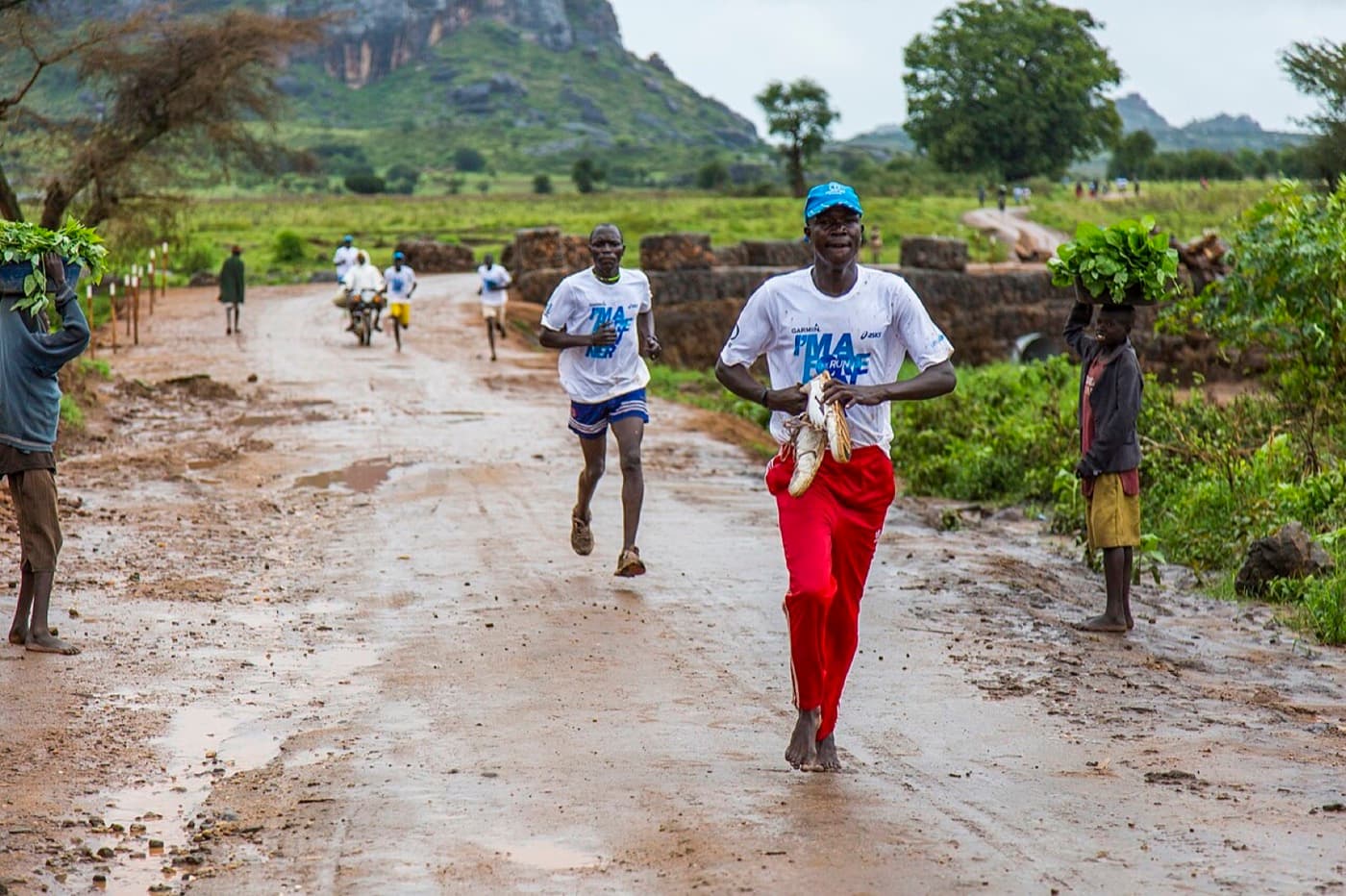
Running
The most accessible endurance sport — no venue, just shoes and the open road or trail.
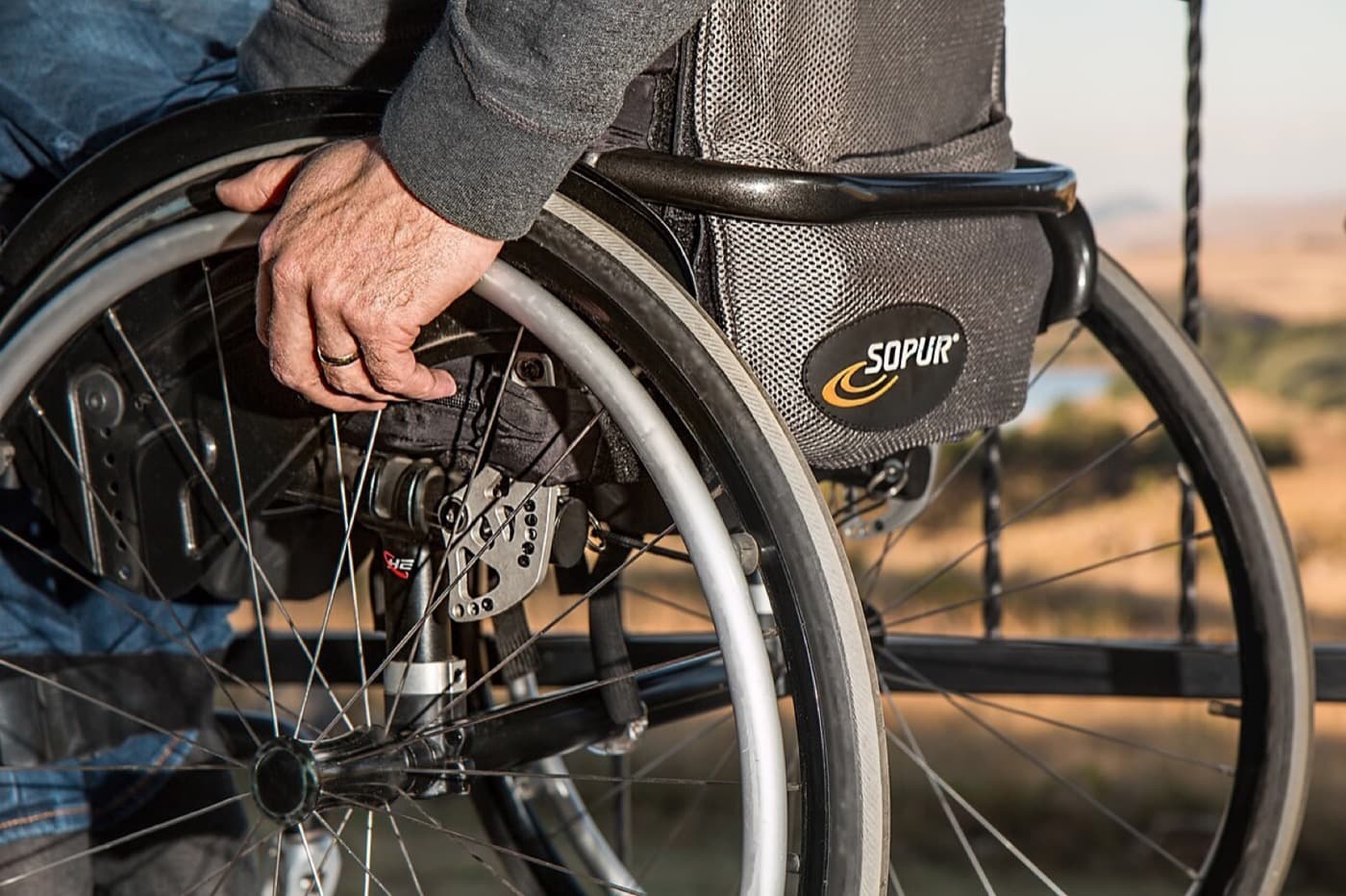
Cycling
A low-impact endurance sport that doubles as transport, exercise and adventure.
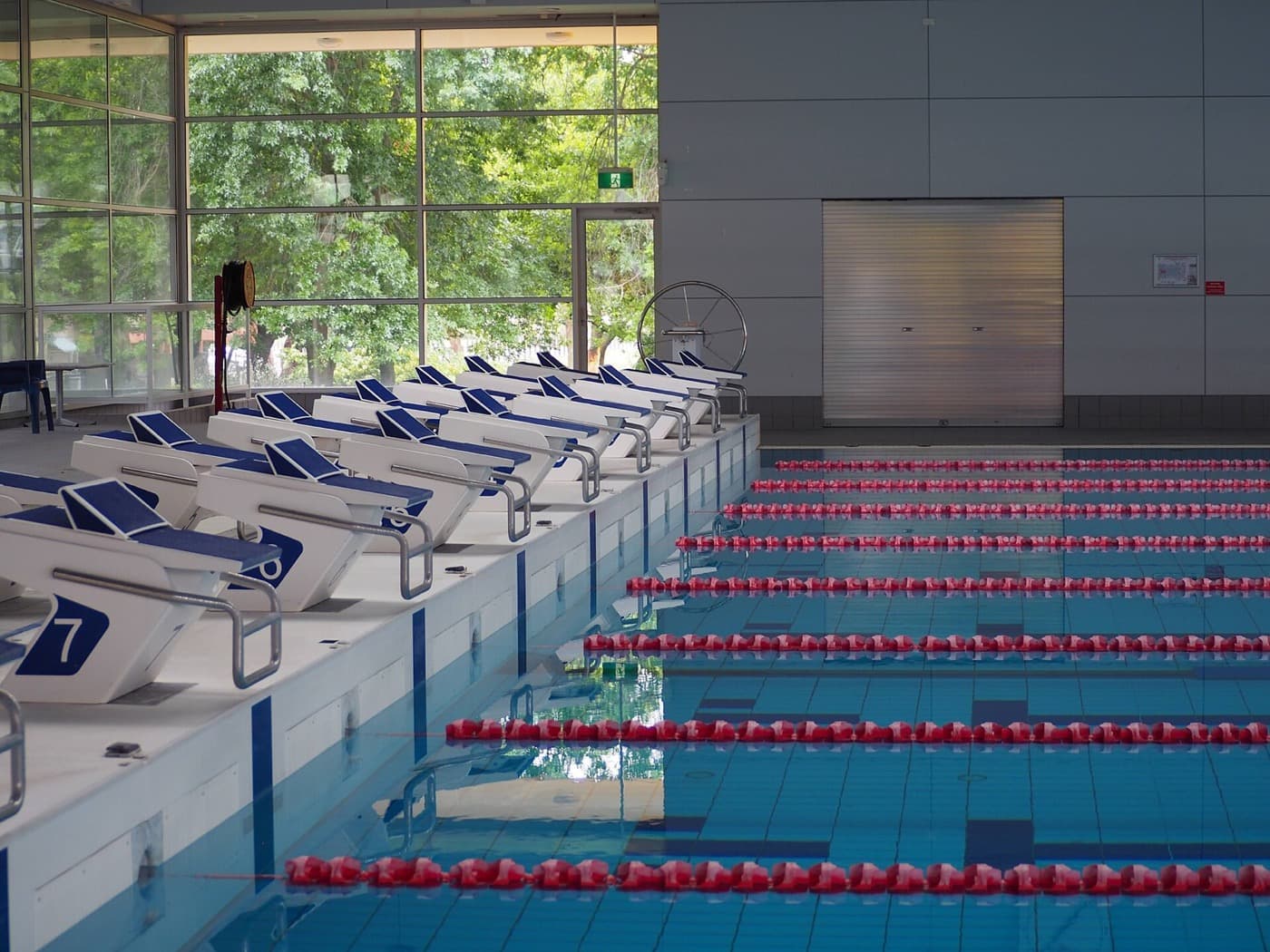
Swimming
A full-body, low-impact endurance sport suitable for almost every age and ability.
Goals it supports
Improve fitness
Build well-rounded fitness — stamina, strength and more — through regular, varied activity you can keep up.
Build an active lifestyle
Make movement a natural, lasting part of daily life through activities and habits you genuinely enjoy.
Become more active
Add regular, gentle movement to your everyday life and build up from a sedentary start at your own pace.
Build healthy habits
Using sport and routine to make regular activity a lasting part of everyday life.
Frequently asked questions
How much water should I drink?
It varies from person to person with body size, activity and climate, so there is no single number that fits everyone. A practical approach is to drink regularly through the day, a little more around exercise and heat, and use thirst and pale urine as rough guides. For specific needs, ask a qualified professional.
Explore across the knowledge base
Follow the threads that connect Hydration basics to the rest of SocialSportHub.
Knowledge Atlas
Go deeper with Hydration basics
Everywhere else on the platform that covers Hydration basics — assembled from what actually references it, so nothing here is a dead end.
Work it out
Deterministic calculators — real published formulas, no estimates dressed as data.
Question it
Research topics that name this entity among their connections.
How this page is maintained
- Content type
- Healthy living topic
- Provenance
- Tier A — evergreen educational
- Verified external sources
- 0
- Content updated
- 2026-07-09
Evergreen, first-party explanation — it makes no claim that needs an external source. How we handle sources and reviews.