
Volleyball
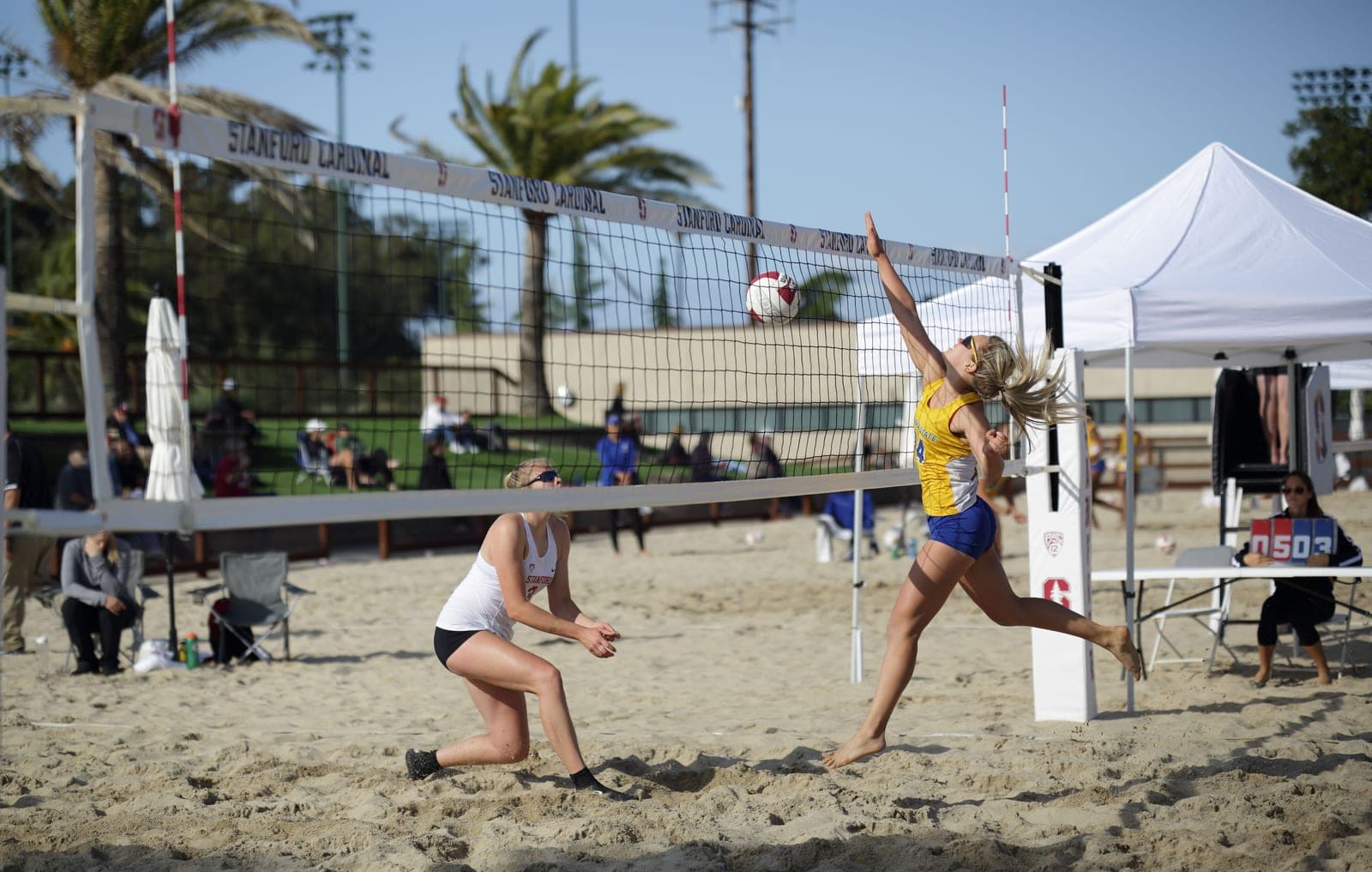
A soft, inflated ball struck with the hands and arms in volleyball, light enough to be played off the forearms without hurting.
Overview
A volleyball is a round, inflated ball with a soft panelled cover, lighter and softer to the touch than many other sports balls so it can be struck cleanly with the hands, forearms and fists.
Its low weight and soft surface suit the passing, setting and spiking of the game, and a beach version is built to handle outdoor conditions.
Good to know
- Softer and lighter than a football or basketball.
- Struck with hands, forearms and fists rather than kicked.
- Beach volleyball uses a slightly different outdoor ball.
Where it’s used
Sports that use volleyball:
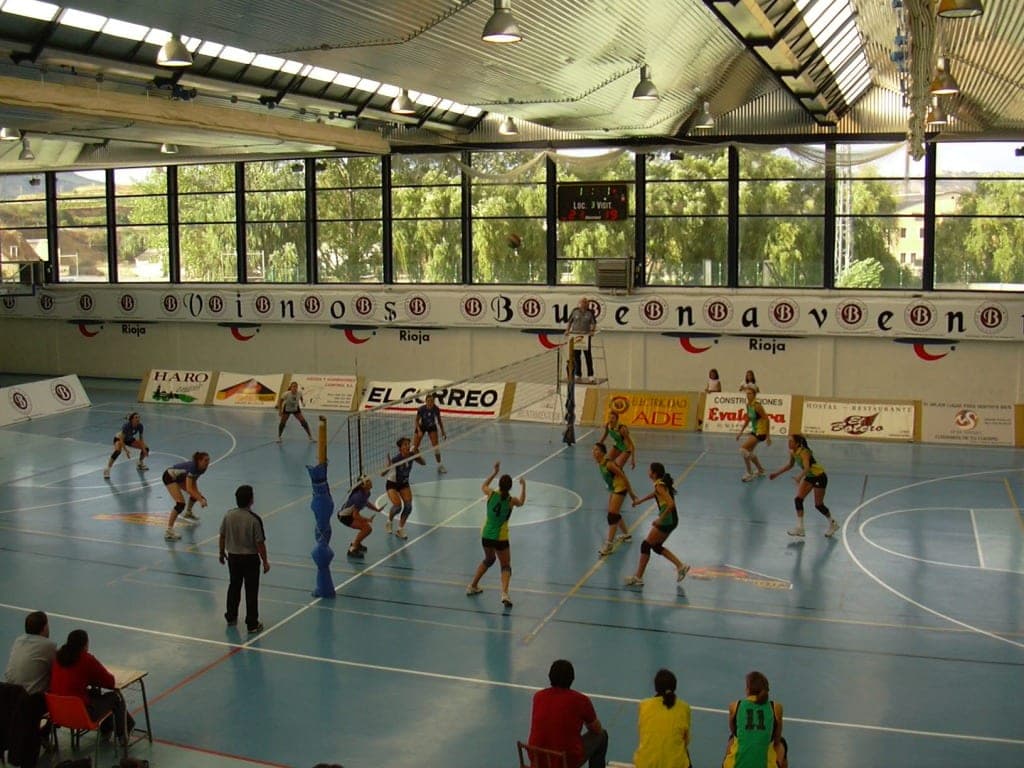
.jpg)
How it connects
The meaning-bearing relationships that place Volleyball in the wider knowledge graph — each one with the reason it exists.
Frequently learned together
Taught side by side in the same stage of a learning path.
- Volleyball courtBoth are taught in the “What you’ll need” stage of the Volleyball learning path.
- Sports hallBoth are taught in the “What you’ll need” stage of the Volleyball learning path.
- Hard courtBoth are taught in the “What you’ll need” stage of the Volleyball learning path.
- WoodBoth are taught in the “What you’ll need” stage of the Volleyball learning path.
- SandBoth are taught in the “What you’ll need” stage of the Volleyball learning path.
Explore across the knowledge base
Follow the threads that connect Volleyball to the rest of SocialSportHub.
Facilities
Playing surfaces
- Hard courtA rigid acrylic, concrete or asphalt court that gives a true, consistent, medium-paced bounce — the standard multi-use outdoor surface.
- WoodAn indoor sprung timber or parquet floor — grippy, consistent and lightly cushioned; the classic surface for indoor court sports.
- SandLoose beach sand: a soft, shifting, energy-sapping surface with no true bounce that rewards balance and footwork, used for beach sports and conditioning.
Techniques
- Volleyball SpikeA powerful attacking hit that drives the ball sharply downward over the net into the opponent's court, usually after an approach and jump.
- Volleyball DigA defensive contact that keeps a hard-driven ball in play by passing it up off the forearms, usually from a low position.
- Volleyball SetAn overhead pass using the fingertips of both hands to place the ball accurately for a teammate to attack.
- Forward and back defenceThe two strokes a batter survives with — the forward defensive and the back defensive — when each is the right choice, and why a defensive stroke is a decision about length rather than intent.
- StickhandlingHow a hockey player carries and protects the puck at speed — why the hands work independently of the feet, the role of soft hands, and how body position beats stick skill.
Go deeper with Volleyball
Everywhere else on the platform that covers Volleyball — assembled from what actually references it, so nothing here is a dead end.
Learn it
Structured courses and paths on the platform that cover this directly.
See it
Diagrams and step-through visualisations drawn for this subject.
Take it away
Open data and the whole-platform view of this subject.
How this page is maintained
- Content type
- Equipment
- Provenance
- Tier A — evergreen educational
- Verified external sources
- 0
- Content updated
- 2026-09-12
Evergreen, first-party explanation — it makes no claim that needs an external source. How we handle sources and reviews.