
Serve
The shot that puts the ball or shuttlecock into play and starts a point in net and racquet sports.
Definition
A serve is the opening shot of every point in sports such as tennis, badminton, table tennis and volleyball. The serving player must send the ball or shuttlecock into the correct area of the opponent’s side, following the rules for where they may stand and how the ball must be struck.
Because the server has full control of how the point begins, the serve is often used to gain an early advantage, whether through speed, spin, placement or disguise. Getting the serve into play legally is essential, since a fault usually gives the server another attempt or hands the point to the opponent.
Where you’ll hear “serve”
Sports that use this term:
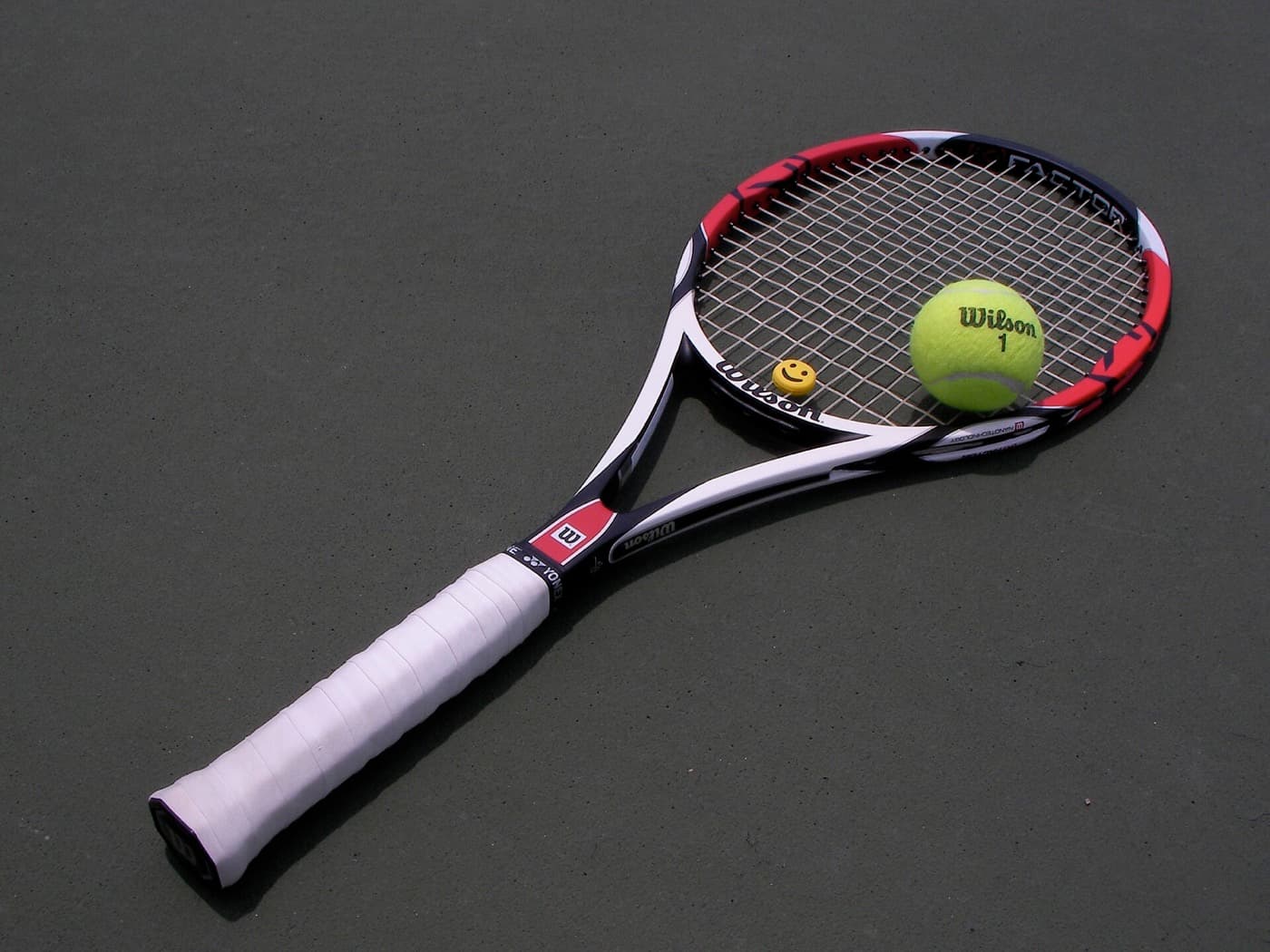
Tennis
A singles or doubles racquet sport that blends agility, strategy and stamina on court.
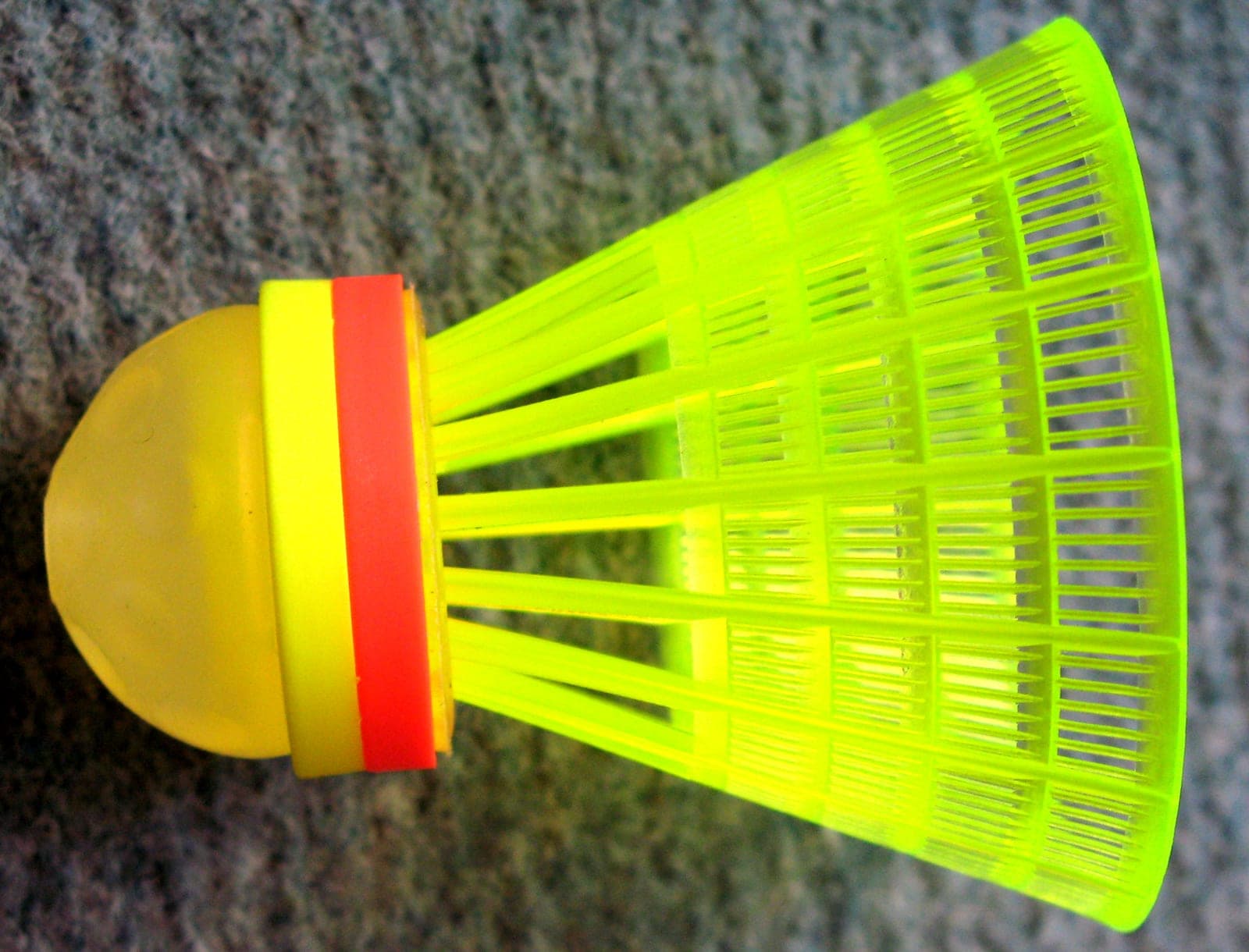
Badminton
A fast indoor racquet sport played with a shuttlecock that rewards agility and touch.
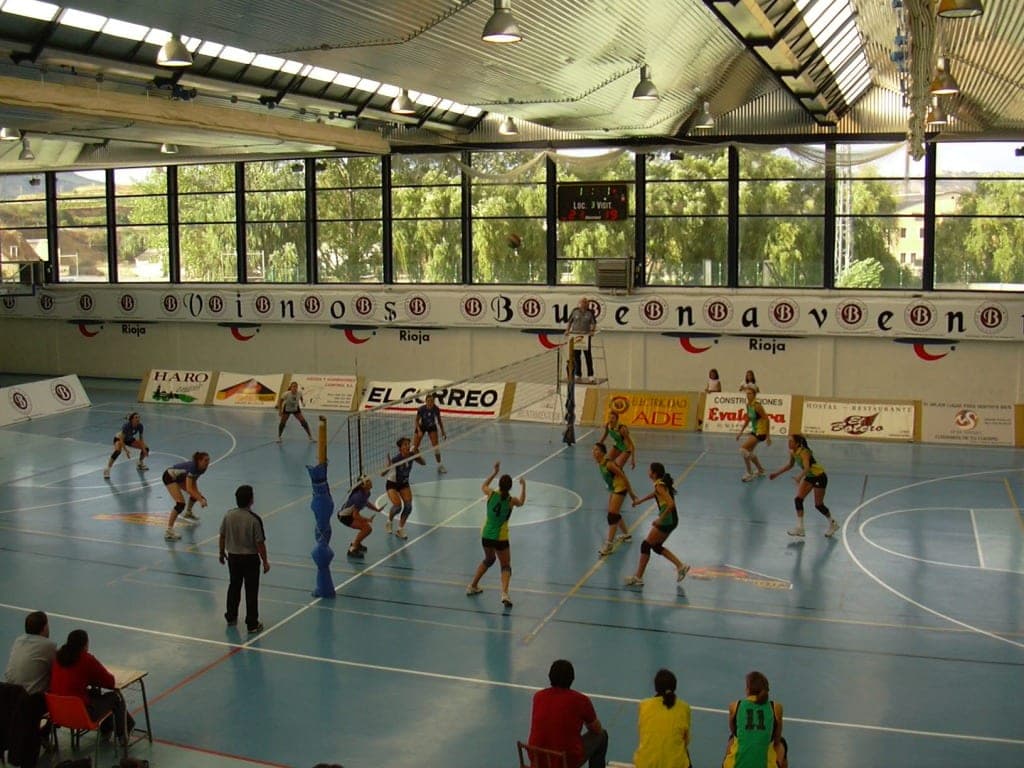
Volleyball
A non-contact team sport of rallies, jumps and teamwork — indoors or on the beach.
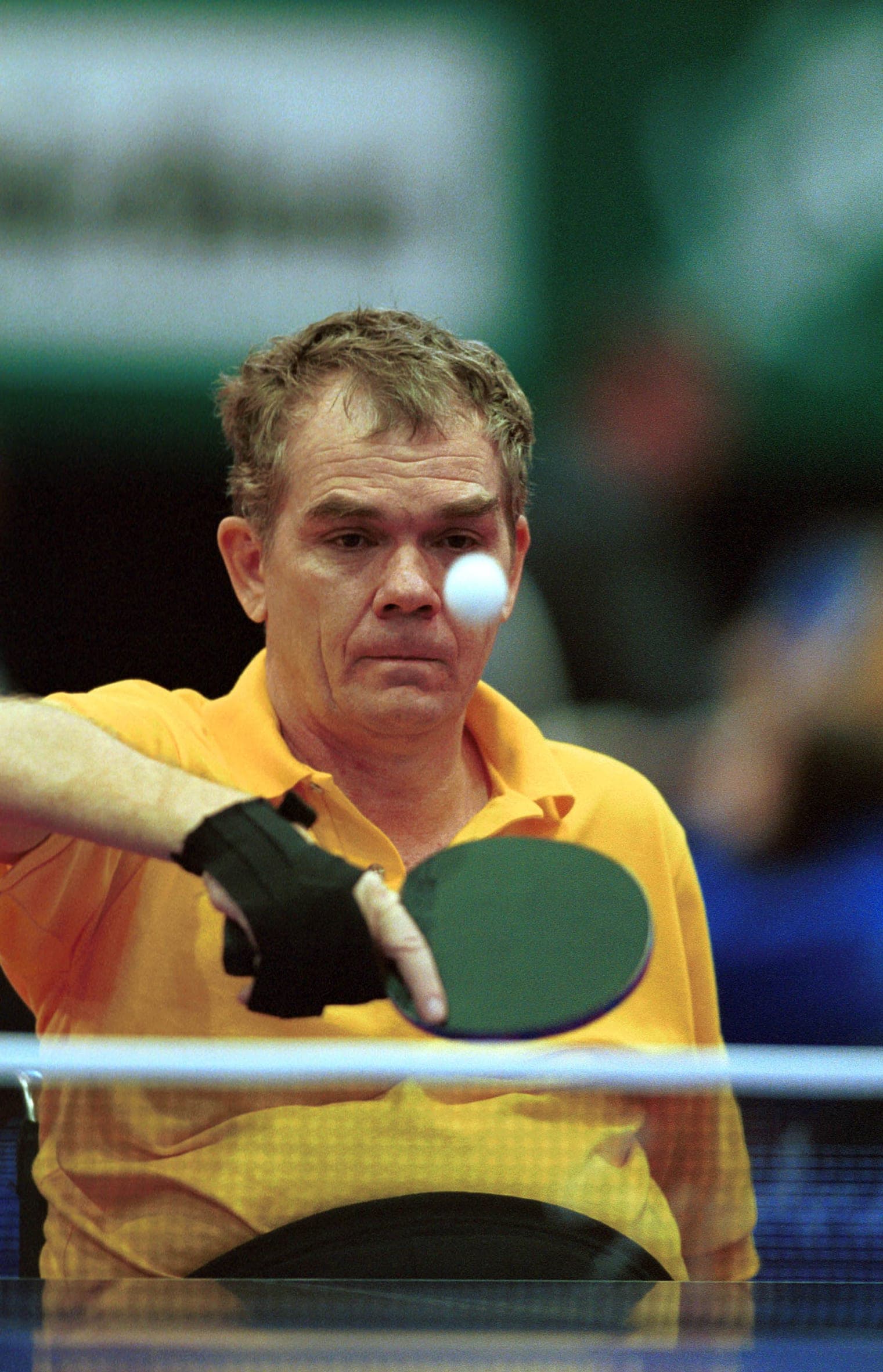
Table Tennis
A fast, low-impact indoor racquet sport that sharpens reflexes and is easy to start.
Explore across the knowledge base
Follow the threads that connect Serve to the rest of SocialSportHub.
Equipment
- Tennis racquetA strung frame with a handle, used to hit the ball in tennis. Head size, weight and balance vary to suit different playing styles.
- Badminton racketA lightweight strung racket used to hit the shuttlecock in badminton, built for quick, whippy swings rather than heavy power.
- Padel racketA solid, stringless racket perforated with holes, used to play padel. The lack of strings gives padel its distinctive shorter, flatter shots.
- Table tennis batA small wooden blade covered with rubber used to hit the ball in table tennis.
- Pickleball paddleA solid, flat paddle used to hit the perforated plastic ball in pickleball.
Rules
- Tennis serving rulesThe rules governing how a tennis point begins, including where the server stands and where the serve must land.
- Foot faultA serving fault called when the server's foot touches the baseline or court before striking the ball.
- LetA call that stops a point and has it replayed without penalty, used across several racket sports.
- Two-bounce ruleA pickleball rule requiring both the serve and the return to bounce once before players may hit the ball out of the air.
- Volleyball rotationThe rule that players rotate one position clockwise each time their team wins back the serve.
Scoring systems
- Volleyball scoringVolleyball uses rally scoring, in which a point is won on every rally, and matches are decided over a best-of-five sets.
- Badminton scoringBadminton uses rally scoring to 21 points per game, with matches decided over the best of three games.
- Table tennis scoringTable tennis is scored on every rally to 11 points per game, won by two clear points, over a best-of odd number of games.
- Tiebreak scoringA tiebreak is a short deciding game used in racket sports to settle a set that has reached an even number of games, scored in simple numbers to a fixed target.
- Tennis scoringTennis is scored in points, games and sets, using the distinctive 15–30–40 point sequence and a win-by-two margin at every level.
Skills
- ServingThe skill of putting the ball or shuttle into play to start a point or rally.
- Returning serveThe skill of reading and playing back an opponent’s serve to stay in the rally.
- Aiming and alignmentThe skill of setting the body and the implement so the shot starts on the line you intend.
- Net playThe skill of controlling points close to the net with volleys and touch shots.
Techniques
- Tennis ServeThe overhead stroke that starts every point, hit from behind the baseline into the diagonally opposite service box.
- Table tennis serve techniqueHow to serve legally and still create an advantage — generating spin within the rules, keeping the ball short, and why disguise must come from contact rather than concealment.
- Flat, slice and kick servesThe three serves and what actually separates them — the contact point on the ball and the toss that makes it possible — plus what each one does to the ball after it bounces.
- The return of serveTennis's most under-coached shot — where to stand against a first and second serve, why blocking beats swinging, and what the Rules allow a returner to do.
- Topspin ForehandA forehand groundstroke hit with a low-to-high swing that puts forward spin on the ball so it dips and kicks up on landing.
Tactics
- Serve and volleyAn attacking tennis tactic where the server follows their serve to the net to finish the point with a volley.
- Doubles formationHow a pair positions itself on court — one up, one back, or both at the net — to control space in doubles.
- Serve-receive formationHow a volleyball team arranges its passers to receive the serve and set up a clean first attack.
- Approaching the netHow a point is moved forward — which balls justify an approach, why the approach is hit down the line, and the transition volley that has to be played from no-man's land.
- Serve +1 and return +1The two-shot patterns that decide short points — how a serve's direction determines where the reply comes from, and how a returner uses the same idea against the server.
Go deeper with Serve
Everywhere else on the platform that covers Serve — assembled from what actually references it, so nothing here is a dead end.
Take it away
Open data and the whole-platform view of this subject.
How this page is maintained
- Content type
- Term
- Provenance
- Tier A — evergreen educational
- Verified external sources
- 0
- Content updated
- 2026-09-01
Evergreen, first-party explanation — it makes no claim that needs an external source. How we handle sources and reviews.