
DOMS
DOMS (delayed onset muscle soreness) is the muscle soreness that appears a day or two after unfamiliar or intense exercise.
DOMS stands for delayed onset muscle soreness.
Definition
DOMS stands for delayed onset muscle soreness — the stiff, tender feeling in the muscles that tends to show up not straight away but a day or two after a workout. It is commonly noticed after trying a new activity, returning after a break, or doing harder or more unfamiliar movements than usual.
The term is used generally in training and fitness to describe this delayed after-effect of hard effort, which typically eases over the following days. It is a broad, everyday label rather than a diagnosis, and it is different from sharp pain felt during exercise itself.
Scope: An everyday training term for a common after-effect of hard exercise — not a medical diagnosis. For pain that is sharp, severe or does not settle, see a qualified professional.
Where you’ll hear “doms”
Sports that use this term:
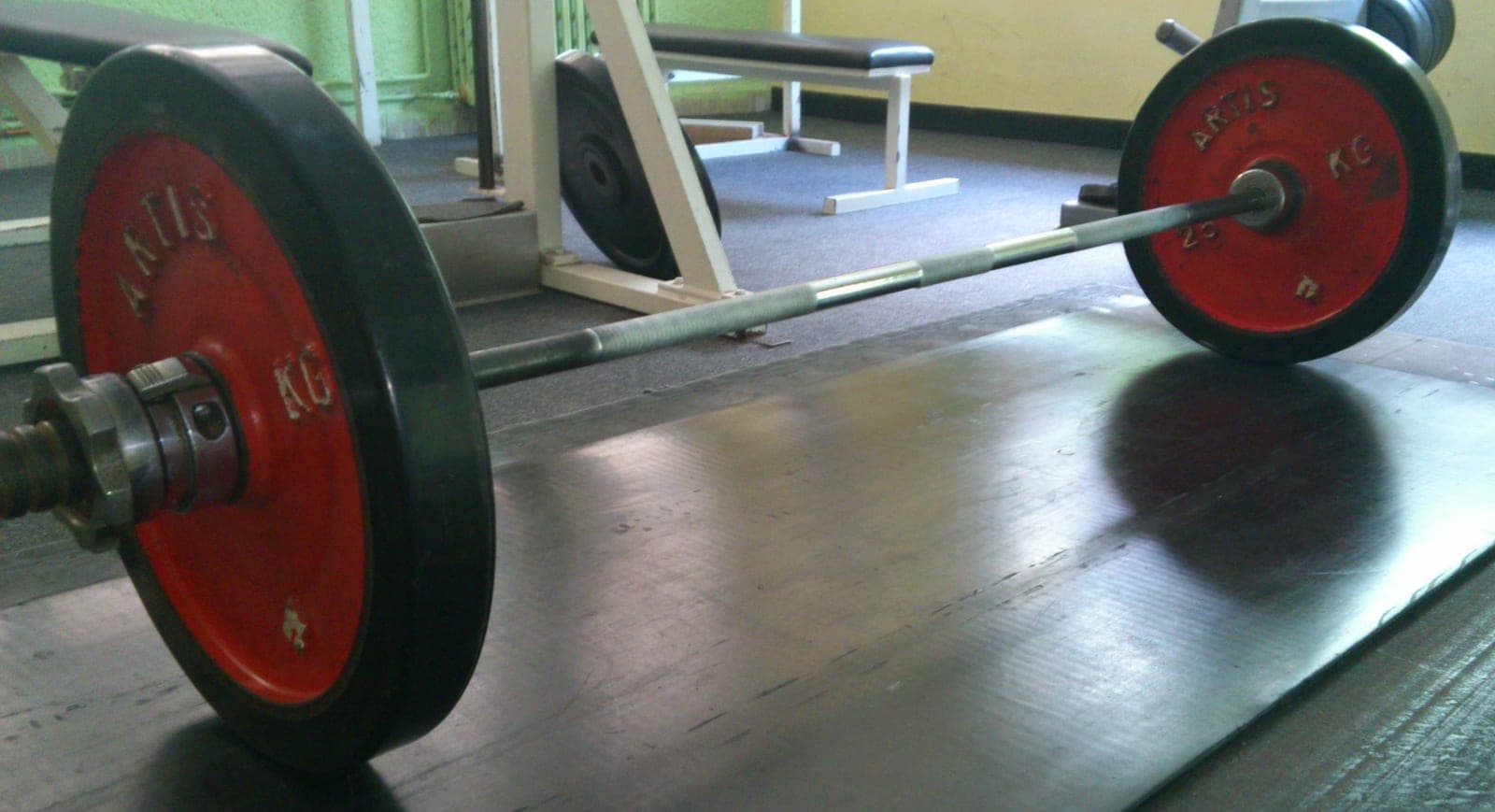
Weightlifting
A technical strength sport built around lifting a loaded barbell overhead with speed and control.
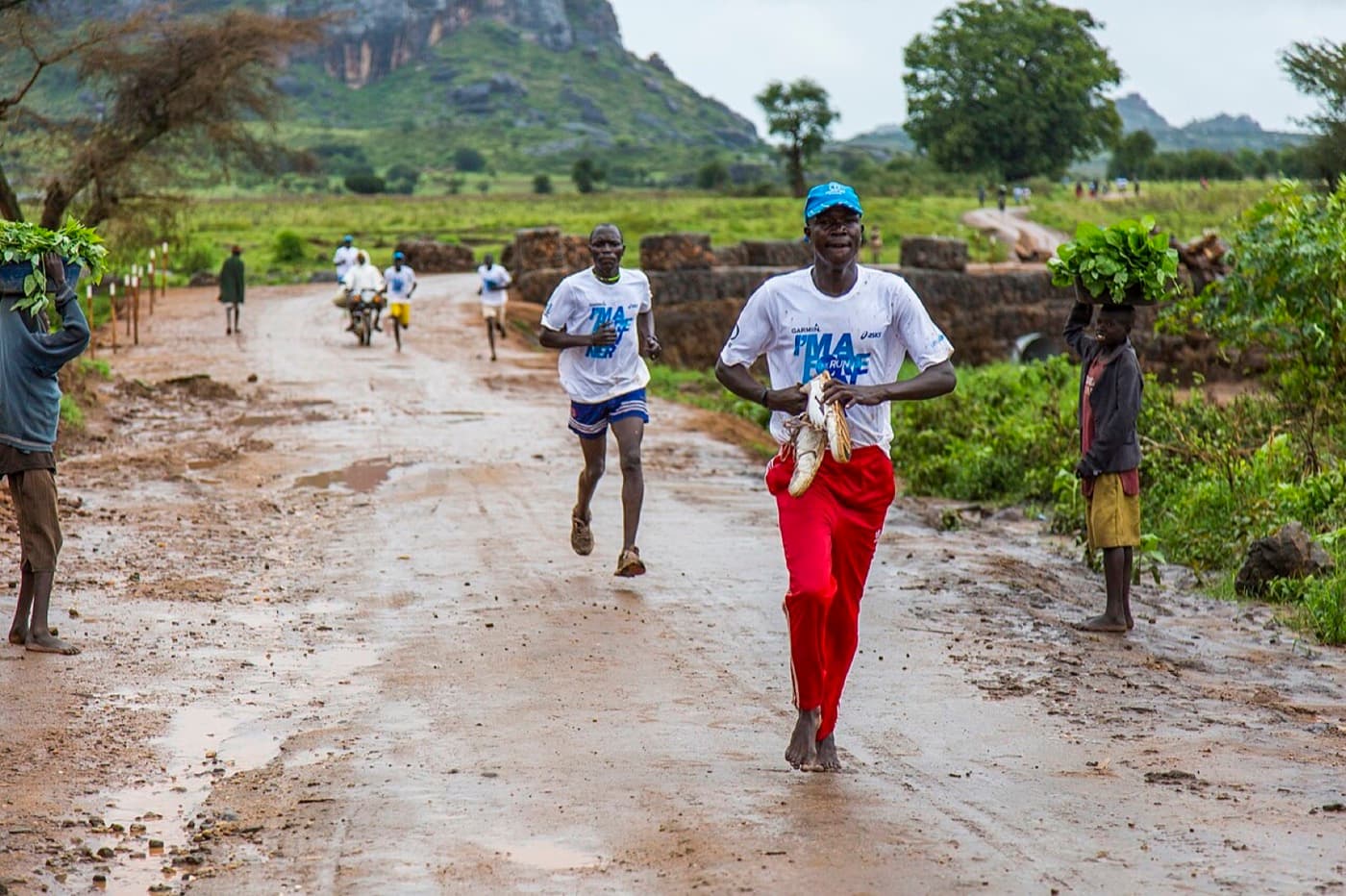
Running
The most accessible endurance sport — no venue, just shoes and the open road or trail.
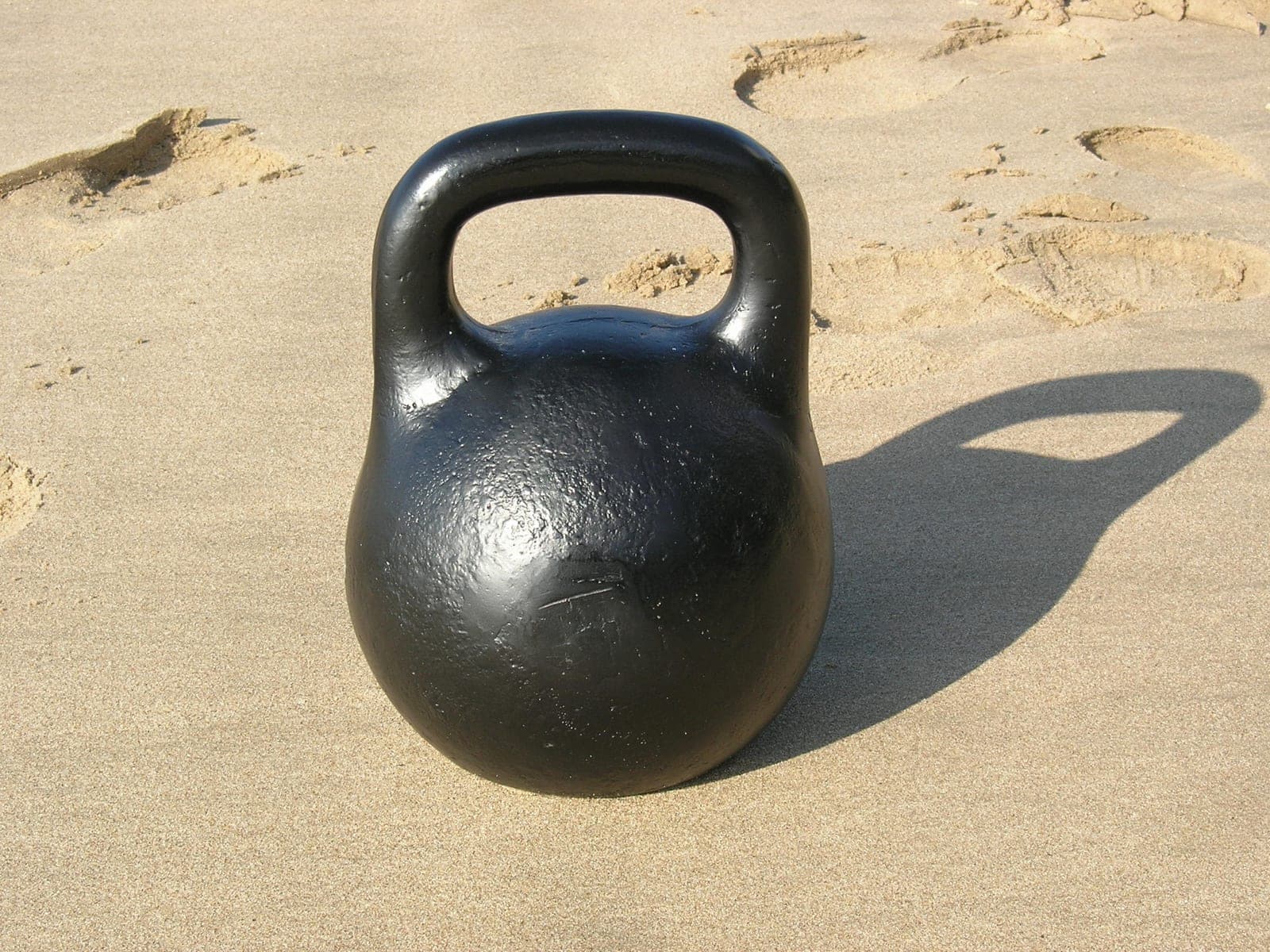
Functional Fitness
Varied, whole-body training built around everyday movement patterns like squatting, lifting and carrying.

Fitness
Strength and general fitness training — the foundation that supports every other sport.
Explore across the knowledge base
Follow the threads that connect DOMS to the rest of SocialSportHub.
Exercises
- SquatA foundational lower-body movement where you bend at the hips and knees to lower down and stand back up.
- LungeA single-leg movement where you step forward and bend both knees to lower your body.
- Romanian deadliftA hinge variation focused on the back of the legs, lowering the weight without returning it to the floor.
- Push-upA classic upper-body pushing exercise where you lower and press your body up from the floor.
Recovery
- SleepRegular, good-quality sleep is the foundation of everyday recovery for anyone who trains or plays sport.
- Rest daysRest days are planned days off from training that give the body and mind time to recover between harder sessions.
- Active recoveryActive recovery means very easy, gentle movement on lighter days to keep the body moving without adding hard training stress.
- Cool-downA cool-down is a few minutes of easy movement at the end of a session to let the body settle back towards rest.
- Gentle stretchingGentle stretching means easing into comfortable stretches and holding them in a relaxed way to help you feel less stiff.
Training guides
- How to cool downA cool-down is a few easy minutes at the end of a session that let your effort taper off gradually before you stop.
- Understanding rest and recoveryRest and recovery are the everyday habits — sleep, rest days and gentle movement — that let the benefits of training take hold between sessions.
Movement patterns
- PullDrawing a load or your own body toward the torso — horizontal rows and vertical pull-ups — building the lats, mid-back and biceps and balancing the push.
- JumpThe plyometric pattern of projecting the body off the ground through explosive triple extension and controlling the landing — the core expression of lower-body power.
- SquatA knee-dominant pattern: bending the hips, knees and ankles to lower and rise while keeping the torso upright — the foundation of lower-body strength.
- LungeA split-stance, single-leg-emphasis pattern: stepping or dropping into a staggered stance and pushing back up to build single-leg strength, balance and stability.
- HingeA hip-dominant pattern: bend forward at the hips with a flat back, minimal knee bend, then drive the hips tall — powers pulling from the floor and jumping.
Go deeper with DOMS
Everywhere else on the platform that covers DOMS — assembled from what actually references it, so nothing here is a dead end.
Take it away
Open data and the whole-platform view of this subject.
How this page is maintained
- Content type
- Term
- Provenance
- Tier A — evergreen educational
- Verified external sources
- 0
- Content updated
- 2026-09-01
Evergreen, first-party explanation — it makes no claim that needs an external source. How we handle sources and reviews.