
Fitness
The training base for every sport

Overview
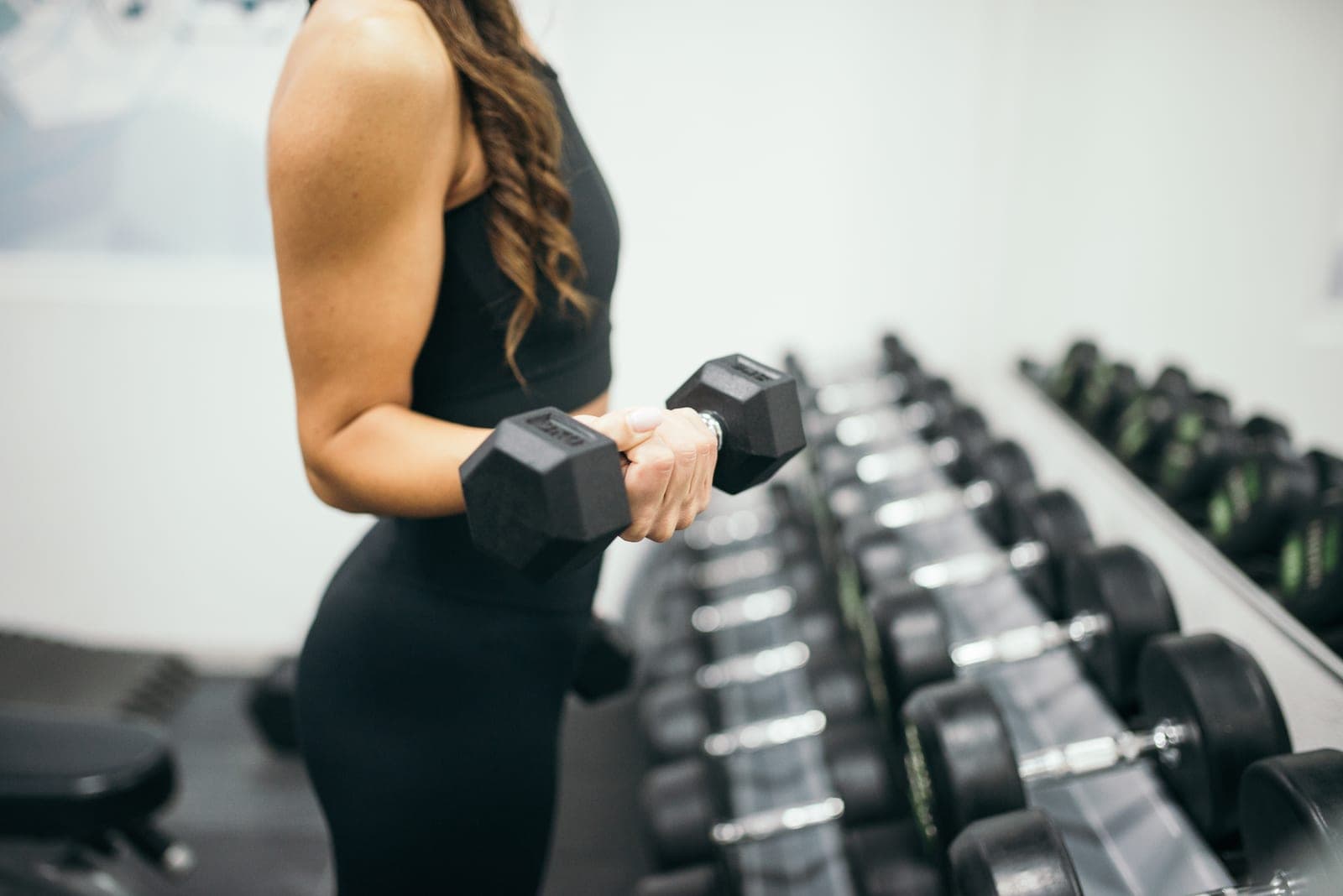
Fitness training covers strength work, mobility, conditioning and general exercise — in a gym, a class or at home. Rather than a single game, it is a flexible practice you shape around your own goals.
It is the foundation beneath every other sport: stronger, more mobile and better-conditioned bodies move better, recover faster and stay more resilient. It is also one of the easiest activities to start at your own level.
Why fitness is good for your health
- Builds muscular strength and supports healthy bones
- Improves mobility, posture and everyday movement
- Supports healthy weight management alongside good nutrition
- Strong, well-conditioned muscles support other sports and daily life
The social side
- Group classes provide motivation and a shared routine
- Training with a friend helps consistency and accountability
- Gyms and studios are welcoming spaces to build a habit
How to start as a beginner
- 1Begin with bodyweight basics: squats, hinges, pushes and pulls
- 2Learn good form first — consider an induction or a few coached sessions
- 3Start light and progress gradually to avoid overdoing it
- 4Pick a simple, repeatable weekly routine you can stick to
Equipment you’ll need
- Comfortable training clothesEssential
- Supportive trainersEssential
- Access to a gym or a little home spaceOptional
- A water bottleOptional
Where to play
Fitness is typically played at:
Explore clubs and venues to understand the different places you can play, or see how to find people to play with.
Fitness in pictures
Action, venues, equipment and moments across fitness — select any photograph to enlarge it.
Playing Fitness
The equipment, rules, skills and more that make up the game — each cross-linked into the encyclopedia.
Training for Fitness
Exercises, methods and example plans that help build what Fitness needs — educational, not personalised prescriptions.
Related sports to explore
If you enjoy Fitness, you might also like these.
Running
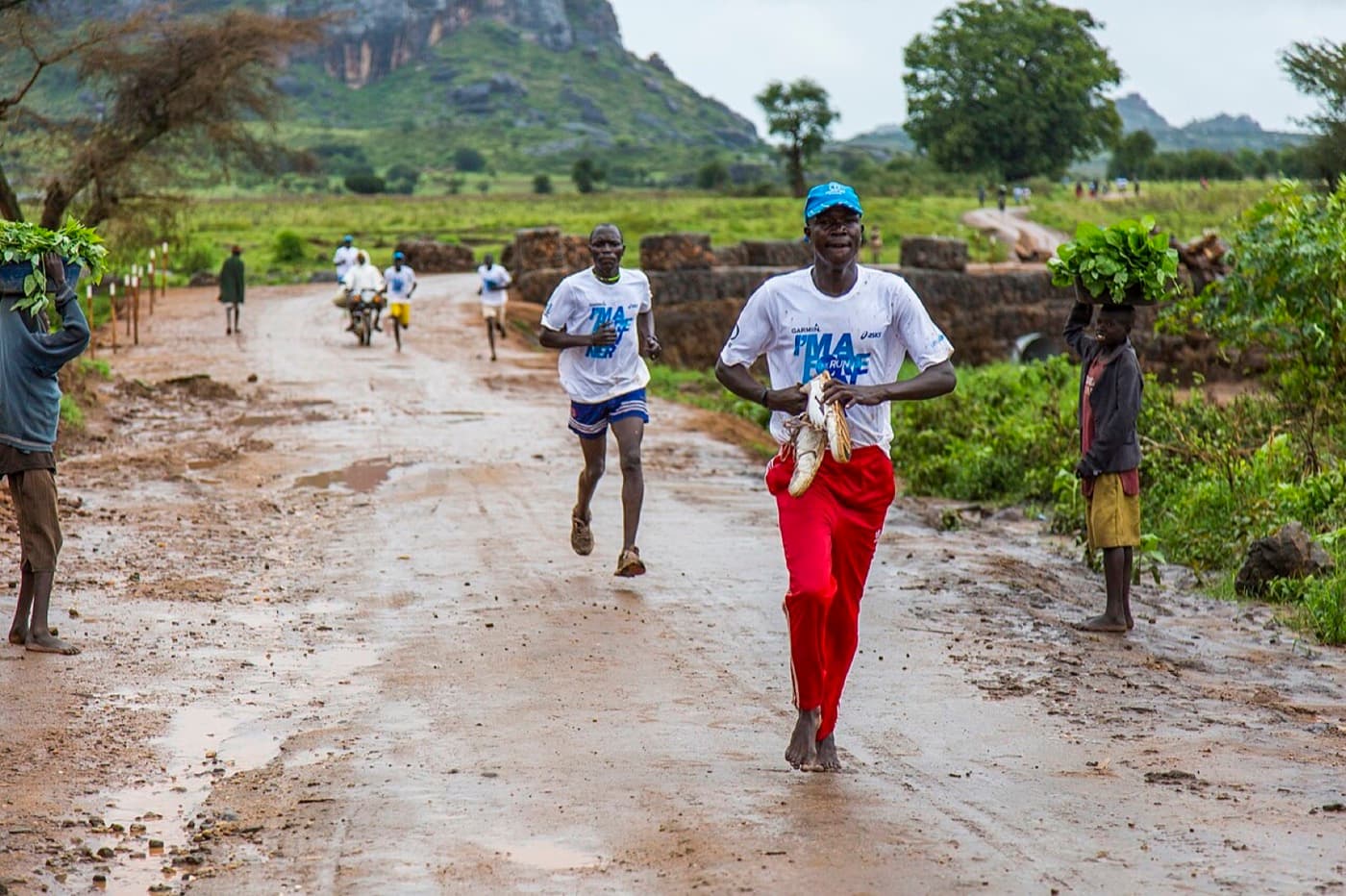
The most accessible endurance sport — no venue, just shoes and the open road or trail.
Cycling
A low-impact endurance sport that doubles as transport, exercise and adventure.
Basketball
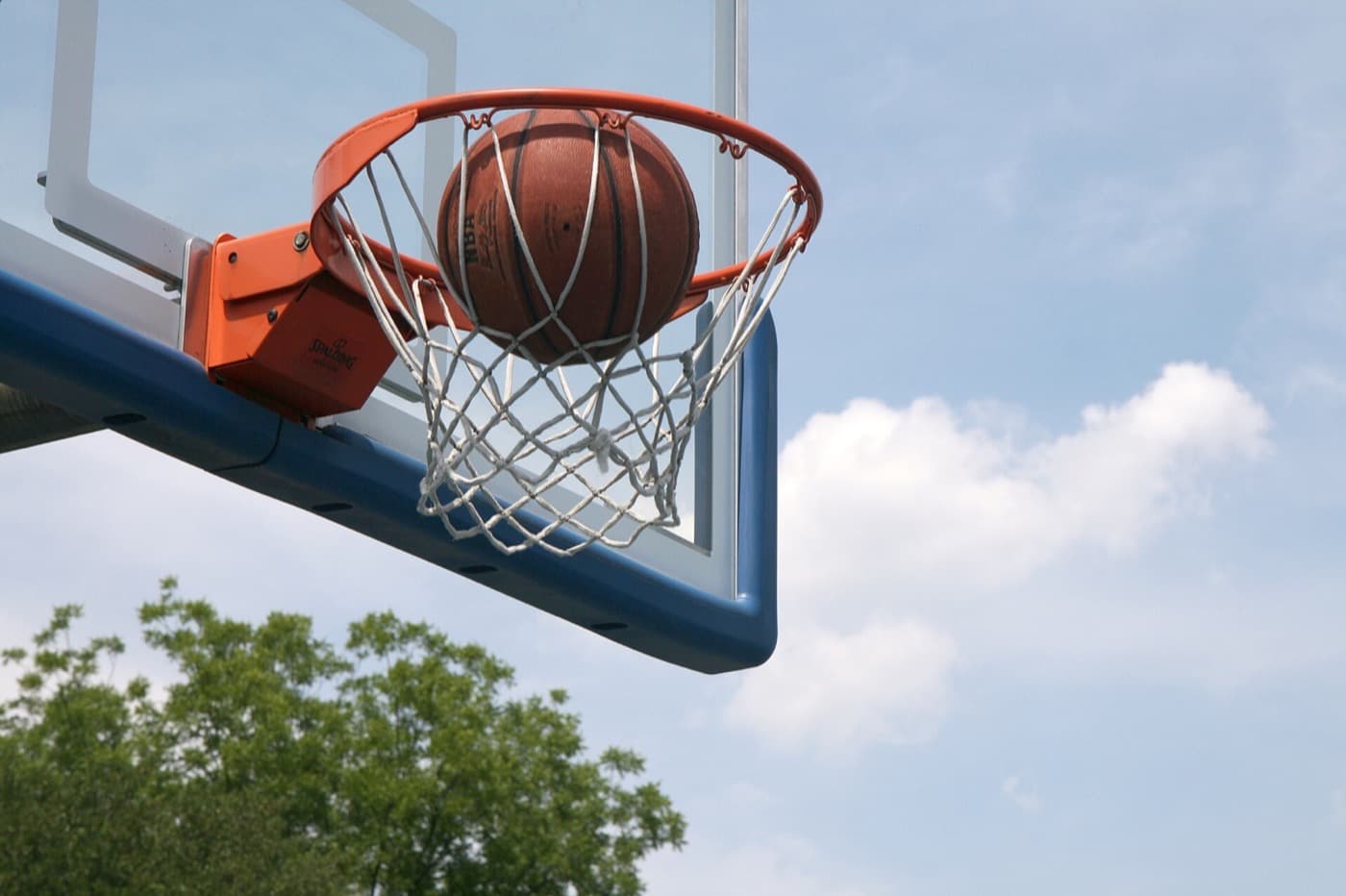
A fast, dynamic team sport of running, jumping and quick decisions on court.
Compare Fitness with…
Deciding between Fitness and something similar? See how they line up side by side.
Aerobics vs Fitness
How they compare on difficulty, intensity, kit and what suits you.
Basketball vs Fitness
How they compare on difficulty, intensity, kit and what suits you.
Bodybuilding vs Fitness
How they compare on difficulty, intensity, kit and what suits you.
Calisthenics vs Fitness
How they compare on difficulty, intensity, kit and what suits you.
Cycling vs Fitness
How they compare on difficulty, intensity, kit and what suits you.
Fitness vs Functional Fitness
How they compare on difficulty, intensity, kit and what suits you.
Reach your goals with Fitness
People take up Fitness for all kinds of reasons. Here is what it can help you work towards.
Lose weight
Combine regular, enjoyable movement with balanced habits to work toward a healthier weight in a way that lasts.
Build muscle
Challenge your muscles with regular resistance training and steady recovery to build strength over time.
Improve fitness
Build well-rounded fitness — stamina, strength and more — through regular, varied activity you can keep up.
Become more active
Add regular, gentle movement to your everyday life and build up from a sedentary start at your own pace.
Healthy aging
Stay active, steady and independent as you get older with a sustainable mix of gentle cardio, strength and balance work.
Build healthy habits
Using sport and routine to make regular activity a lasting part of everyday life.
Who & where Fitness fits
Sport should fit your life. Here is who Fitness suits and when it works.
Students
How sport can fit around study, a tight budget and a changing timetable to support focus, energy and social life.
Parents
How busy parents can fit sport around family life with flexible, home-friendly and time-efficient options.
Remote workers
How sport can fit a work-from-home life — replacing the movement a commute used to provide and breaking up long spells at a home desk.
Shift workers
How sport can fit irregular hours and changing sleep — portable, flexible activity that adapts to a rota rather than a fixed timetable.
At home
Movement you can do in your living room — from bodyweight strength to yoga — with little or no equipment.
5 minutes
Even five minutes counts — a quick movement snack that breaks up sitting and keeps a little activity in a packed day.
How it connects
The meaning-bearing relationships that place Fitness in the wider knowledge graph — each one with the reason it exists.
Alternative to
Comparable enough that people choose between them.
- AerobicsFitness and Aerobics are close enough that the platform maintains a side-by-side comparison of them.
- BasketballFitness and Basketball are close enough that the platform maintains a side-by-side comparison of them.
- BodybuildingFitness and Bodybuilding are close enough that the platform maintains a side-by-side comparison of them.
- CalisthenicsFitness and Calisthenics are close enough that the platform maintains a side-by-side comparison of them.
- CyclingFitness and Cycling are close enough that the platform maintains a side-by-side comparison of them.
Helps achieve
A recognised route towards these goals.
- Lose weightFitness is one of the sports listed under the “Lose weight” goal.
- Build muscleFitness is one of the sports listed under the “Build muscle” goal.
- Improve fitnessFitness is one of the sports listed under the “Improve fitness” goal.
- Become more activeFitness is one of the sports listed under the “Become more active” goal.
- Healthy agingFitness is one of the sports listed under the “Healthy aging” goal.
Explained by
The underlying "why" behind this.
- Range of motionRange of motion is one of the sports-science concepts that covers Fitness.
- Training adaptationTraining adaptation is one of the sports-science concepts that covers Fitness.
- SupercompensationSupercompensation is one of the sports-science concepts that covers Fitness.
- Recovery and adaptationRecovery and adaptation is one of the sports-science concepts that covers Fitness.
- Managing fatigue and loadManaging fatigue and load is one of the sports-science concepts that covers Fitness.
Supported by
These help the training or recovery side of this.
- SleepSleep is listed as a recovery method used around Fitness.
- Rest daysRest days is listed as a recovery method used around Fitness.
- Active recoveryActive recovery is listed as a recovery method used around Fitness.
- Cool-downCool-down is listed as a recovery method used around Fitness.
- Gentle mobilityGentle mobility is listed as a recovery method used around Fitness.
Explore across the knowledge base
Follow the threads that connect Fitness to the rest of SocialSportHub.
Sports science
- Range of motionHow far a joint can travel through its movement — the arc available at a joint, and the foundation of flexibility and mobility.
- Training adaptationThe process by which the body changes in response to repeated training — the underlying reason exercise makes you fitter, stronger or more skilful over time.
- SupercompensationA widely taught model of how the body, after a bout of training and enough recovery, can rebuild to a slightly higher level than before.
- Recovery and adaptationThe idea that the body adapts during recovery, not during the effort itself — which is why rest is treated as part of training rather than a break from it.
- Managing fatigue and loadThe educational idea of balancing how much training you do against how well you recover, so effort turns into progress rather than into excess fatigue.
Glossary
- ActivationActivation refers to warm-up exercises that switch on and prime specific muscles so they contribute properly during the main session.
- AerobicRelating to energy production that uses oxygen, powering sustained, lower-intensity activity over minutes to hours.
- AnaerobicRelating to energy production without oxygen, powering short, high-intensity efforts lasting from a few seconds up to about two minutes.
- BalanceThe ability to control the body's position by keeping its centre of gravity over the base of support, whether still or moving.
- BiomechanicsThe scientific study of the mechanical principles, such as forces, motion and structure, that govern how living bodies move.
Barriers
- No timeWhen your days are full, sport has to fit into small windows rather than replace them — short, flexible activity that adds up.
- An unpredictable scheduleWhen no two weeks look the same, sport needs to be flexible and portable rather than tied to a fixed class time.
- Sitting all dayWhen work keeps you at a desk, the priority is breaking up long sitting and adding movement around the working day.
- Always travellingWhen you are often away from home, sport has to travel with you — bodyweight options, hotel-room routines and activity that needs no local club.
- Nervous about startingWhen starting feels intimidating, beginner-friendly, low-pressure settings and a gentle first step make the first move far easier.
Motivations
- To stay healthyWhen health is the driver, regular, sustainable activity across fitness, strength and mobility supports an active life for the long term.
- For a personal challengeWhen you play to set and reach goals, sports with visible progress and clear milestones give you something concrete to work towards.
Experience levels
- Starting outThe very first stage — no experience needed. It is about turning up, learning to move and building the habit before anything else.
- BeginnerYou have started and the habit is forming — now it is about learning the fundamentals and building a base of fitness and skill.
- EliteThe highest level of performance — a full, individualised, professionally supported pursuit far beyond what a general guide can direct.
Recommendations
- Recommended for “Lose weight”Sports, qualities, a learning path and first steps for “Lose weight” — every suggestion a real graph link, shown with its reason.
- Recommended for “Build muscle”Sports, qualities, a learning path and first steps for “Build muscle” — every suggestion a real graph link, shown with its reason.
- Recommended for “Improve fitness”Sports, qualities, a learning path and first steps for “Improve fitness” — every suggestion a real graph link, shown with its reason.
- Recommended for “Become more active”Sports, qualities, a learning path and first steps for “Become more active” — every suggestion a real graph link, shown with its reason.
- Recommended for “Healthy aging”Sports, qualities, a learning path and first steps for “Healthy aging” — every suggestion a real graph link, shown with its reason.
Go deeper with Fitness
Everywhere else on the platform that covers Fitness — assembled from what actually references it, so nothing here is a dead end.
Compare it
Head-to-head studies against the entities people actually weigh it against.
- Fitness vs AerobicsSide by side on the qualities that differ.
- Fitness vs BasketballSide by side on the qualities that differ.
- Fitness vs BodybuildingSide by side on the qualities that differ.
- Fitness vs CalisthenicsSide by side on the qualities that differ.
- Fitness vs CyclingSide by side on the qualities that differ.
- Fitness vs Functional FitnessSide by side on the qualities that differ.
Kit it out
Equipment guidance drawn from the graph, with no brands and no affiliate links.
Take it away
Open data and the whole-platform view of this subject.
How this page is maintained
- Content type
- Sport
- Provenance
- Tier A — evergreen educational
- Verified external sources
- 0
- Content updated
- 2026-07-06
Evergreen, first-party explanation — it makes no claim that needs an external source. How we handle sources and reviews.
Keep going
A sport is most rewarding alongside good habits, sensible nutrition and people to share it with. Here is where to go next.
How movement supports body and mind.
Eat well to feel and perform better.
Build routines that stick.
Ways to meet others and play together.
Where to play and what to expect.
Browse the full list by category.