
Active recovery
Active recovery means very easy, gentle movement on lighter days to keep the body moving without adding hard training stress.
Overview
Active recovery is the idea that gentle movement — an easy walk, a relaxed spin on a bike, a slow swim — can feel better than sitting completely still on a lighter day. The key word is easy: the effort stays comfortable and conversational, well below a normal training session.
The aim is simply to move, loosen up and enjoy being active without piling on fatigue. Whether you choose active recovery or a full rest day often comes down to how you feel and what you find relaxing on the day.
Good to know
- The effort should stay easy enough to hold a relaxed conversation.
- Common choices are a gentle walk, an easy bike spin or a slow swim.
- It’s a lighter alternative to a full rest day, not a replacement for real training.
- Cross-training — using a different activity than your main sport — fits well here.
- If easy movement doesn’t appeal, a complete rest day is perfectly fine too.
A note on training information
Where it’s used
Sports this relates to:
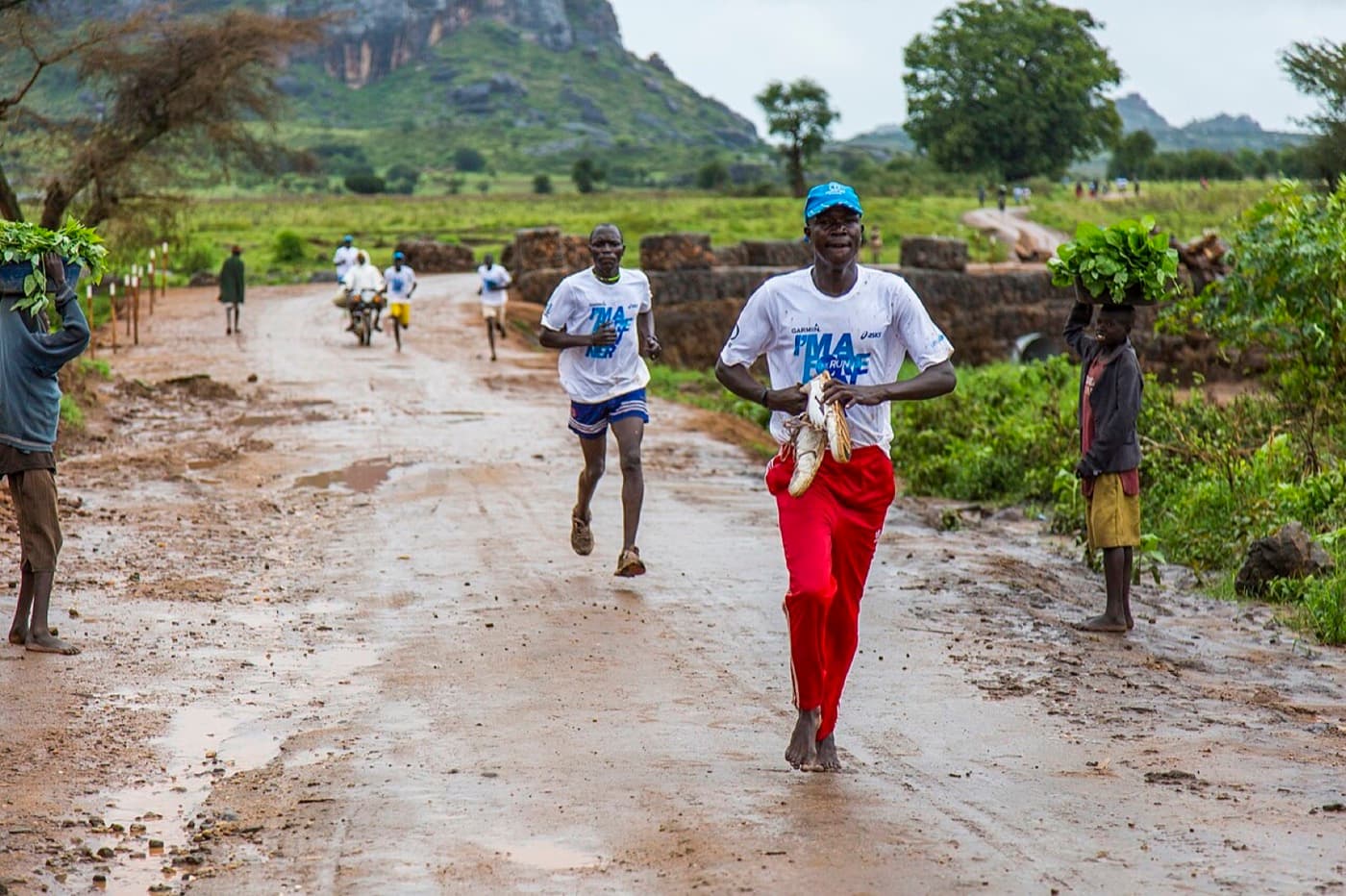
Running
The most accessible endurance sport — no venue, just shoes and the open road or trail.
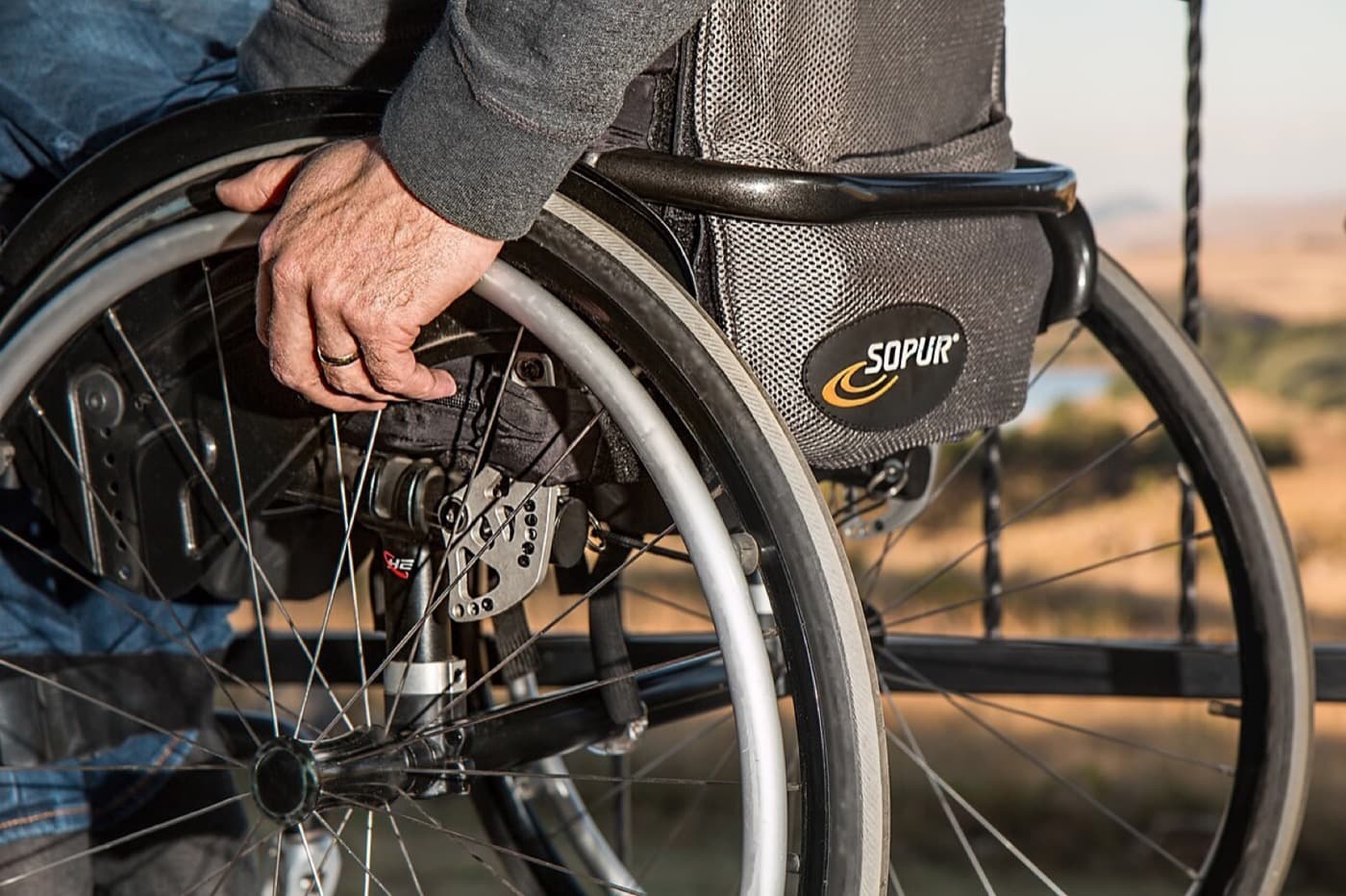
Cycling
A low-impact endurance sport that doubles as transport, exercise and adventure.
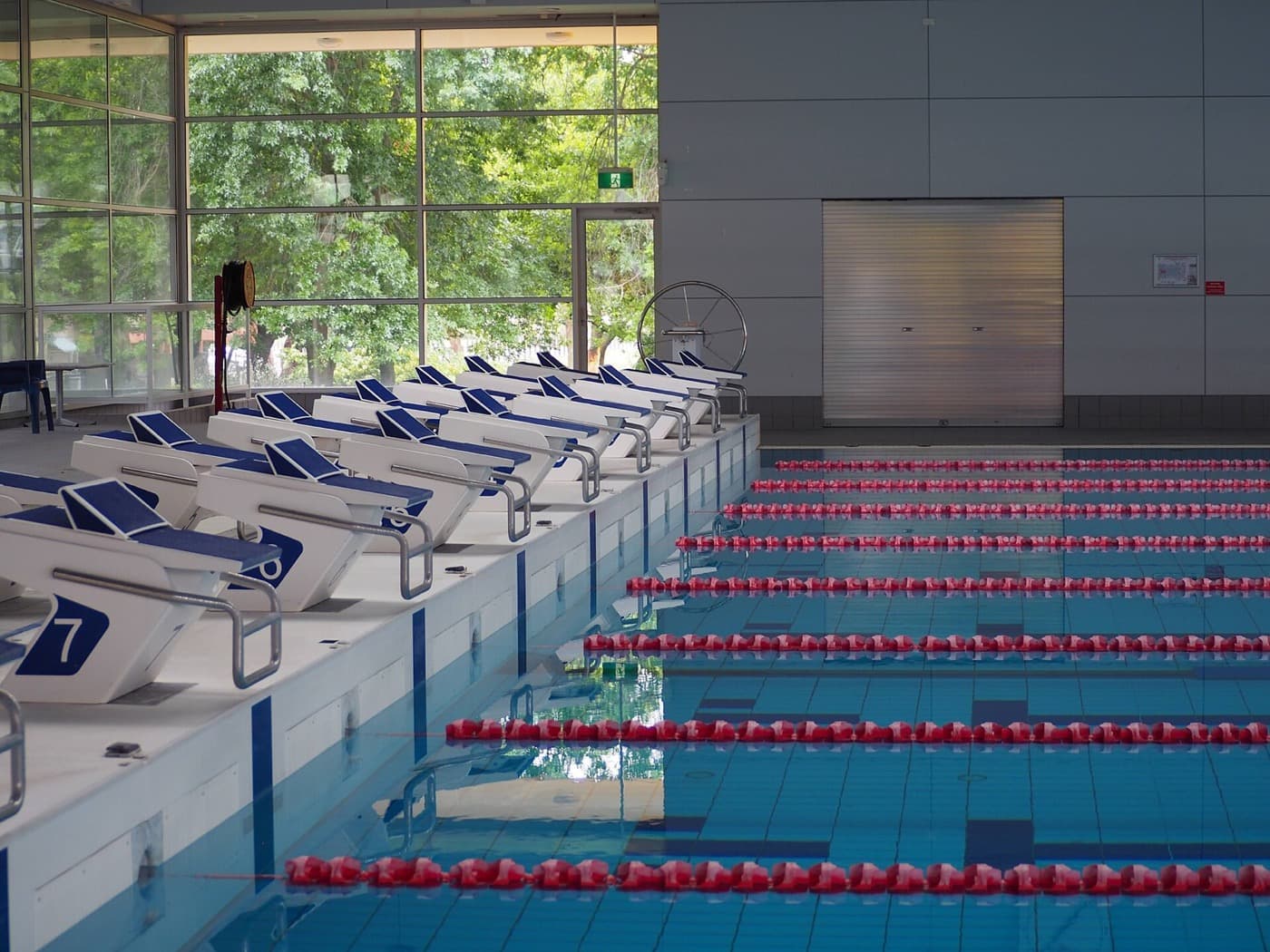
Swimming
A full-body, low-impact endurance sport suitable for almost every age and ability.

Fitness
Strength and general fitness training — the foundation that supports every other sport.
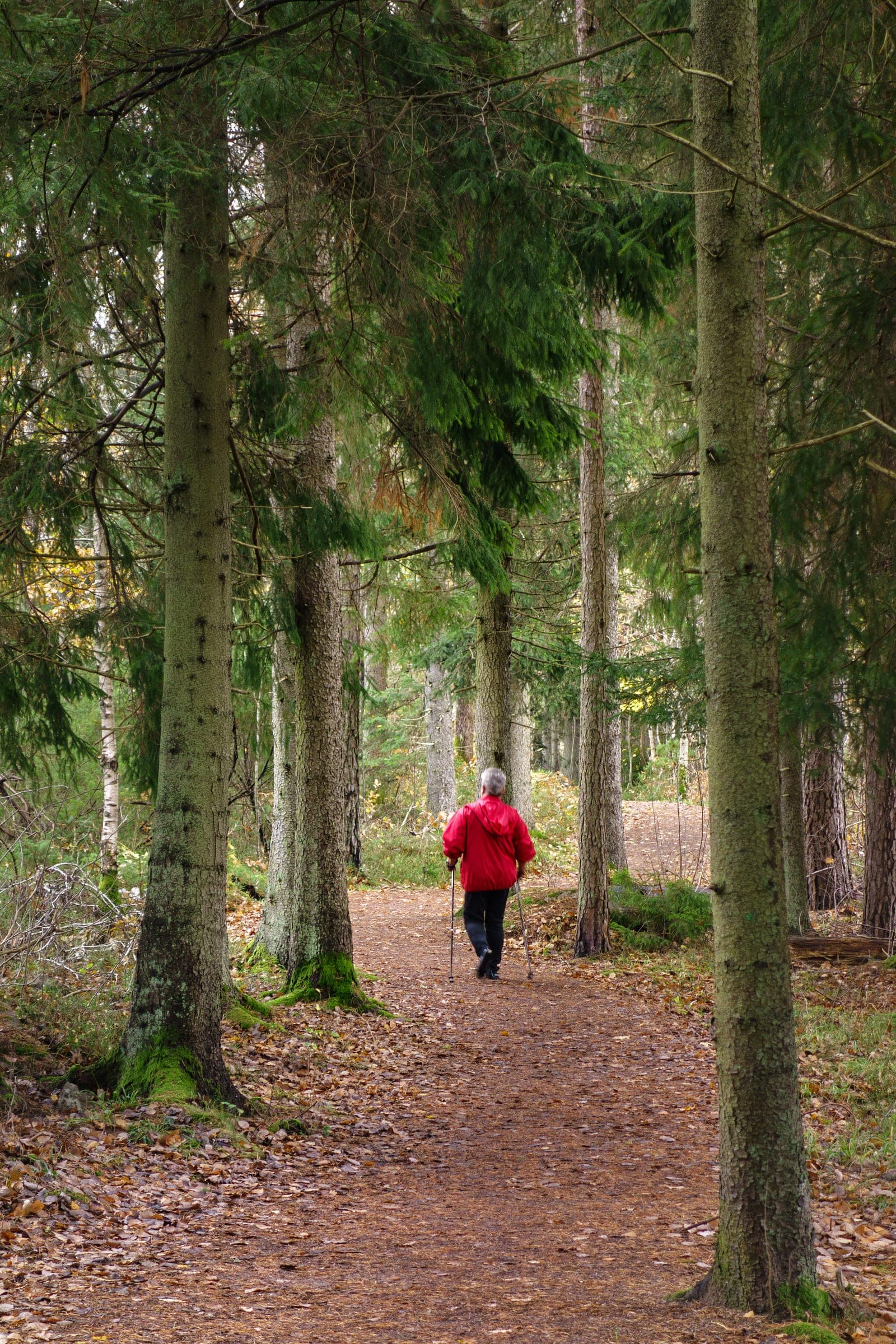
Nordic Walking
A gentle, accessible endurance activity that adds poles to bring the upper body into every walk.
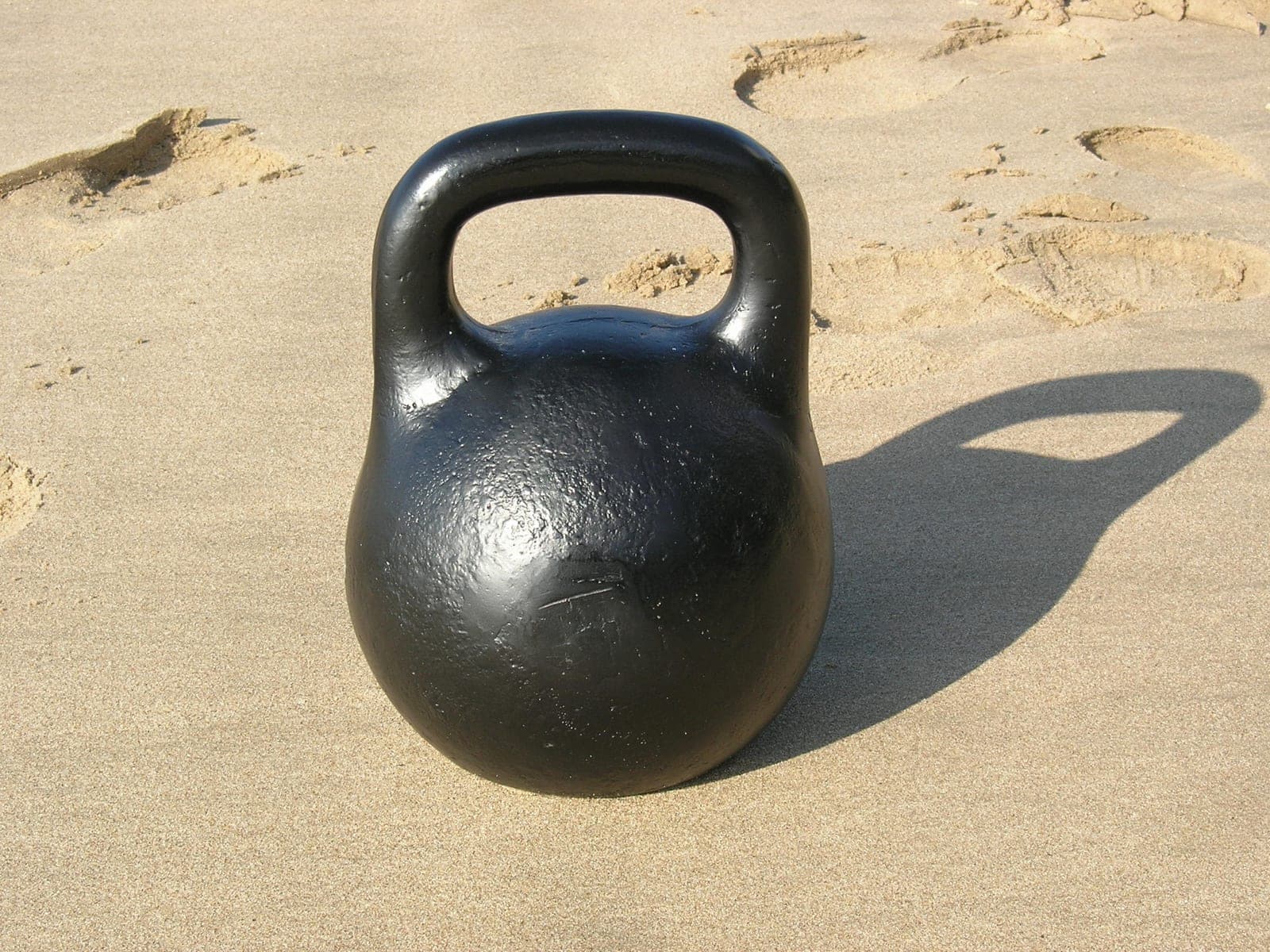
Functional Fitness
Varied, whole-body training built around everyday movement patterns like squatting, lifting and carrying.
Related recovery
Sleep
Regular, good-quality sleep is the foundation of everyday recovery for anyone who trains or plays sport.
Rest days
Rest days are planned days off from training that give the body and mind time to recover between harder sessions.
Cool-down
A cool-down is a few minutes of easy movement at the end of a session to let the body settle back towards rest.
How it connects
The meaning-bearing relationships that place Active recovery in the wider knowledge graph — each one with the reason it exists.
Supports
Helps the training or recovery side of these.
- RunningActive recovery is listed as a recovery method used around Running.
- CyclingActive recovery is listed as a recovery method used around Cycling.
- SwimmingActive recovery is listed as a recovery method used around Swimming.
- FitnessActive recovery is listed as a recovery method used around Fitness.
- Nordic WalkingActive recovery is listed as a recovery method used around Nordic Walking.
Explore across the knowledge base
Follow the threads that connect Active recovery to the rest of SocialSportHub.
Healthy living
- Evening Wind-DownEasing gently from a busy day toward rest, with calm movement and habits that help the body settle.
- Recovery SleepThe role rest plays in helping your body recover, adapt and feel ready after training and active days.
- Hydration and exerciseSensible fluid habits before, during and after activity — so you feel good and recover well without overthinking it.
- Recovery MealsThe general idea of eating after activity to help your body refuel and recover — simple, not scientific.
- Rest daysThe planned days off that let the body recover and adapt — an ordinary, valuable part of staying active, not a sign of slacking.
Practice & sessions
Go deeper with Active recovery
Everywhere else on the platform that covers Active recovery — assembled from what actually references it, so nothing here is a dead end.
Work it out
Deterministic calculators — real published formulas, no estimates dressed as data.
Question it
Research topics that name this entity among their connections.
Take it away
Open data and the whole-platform view of this subject.
How this page is maintained
- Content type
- Recovery method
- Provenance
- Tier A — evergreen educational
- Verified external sources
- 0
- Content updated
- 2026-07-06
Evergreen, first-party explanation — it makes no claim that needs an external source. How we handle sources and reviews.