
Lunge
A split-stance, single-leg-emphasis pattern: stepping or dropping into a staggered stance and pushing back up to build single-leg strength, balance and stability.
Overview
The lunge is a split-stance movement pattern that loads one leg at a time. From a tall standing position the body moves into a staggered stance — one foot planted forward, the other behind on the ball of the foot — and lowers by flexing the front hip, knee and ankle together while the trunk stays upright. The rear leg travels with it, its knee dropping toward the floor and its hip flexors lengthening. Reversing the motion, the front leg drives back up through hip, knee and ankle extension to return to the start. Whether the stride is taken forward, backward, to the side, or in place, the defining feature is the same: a long base with the load concentrated on the front leg.
Because the base is narrow and the work is unilateral, the lunge develops single-leg strength through the quadriceps, glutes and hamstrings while the calves, hip muscles and trunk stabilise a body that wants to tip sideways. This blend of strength, balance and coordination is why the pattern underpins so many split-stance actions: reaching for a low ball, changing direction, catching a barbell in a split, or climbing and descending stairs. It sits alongside the squat as a foundational lower-body pattern, but trades the squat's symmetry for the balance and stability demands of standing largely on one leg.
What defines it
- Split stance, single-leg emphasis: unlike the bilateral squat, the load sits mainly on the front leg while the rear leg supports balance, training each side of the body independently.
- Triple flexion and extension: the front hip, knee and ankle flex together to lower the body and extend together to rise, coordinated with the rear knee dropping and driving.
- Balance and frontal-plane control: the narrow base makes stability and coordination central to the pattern, recruiting the trunk and hip stabilisers alongside the prime movers.
- Directional variety: the same core action covers forward, reverse, lateral and walking strides, plus elevated variants such as the split squat and the step-up.
- Sport carryover: the pattern appears wherever an athlete drops into a staggered stance — reaching lunging volleys and digs, retrieving wide balls on court, catching a split jerk, and everyday stepping.
Athletic movements built on it
Cross-sport movements that use this pattern as a base.
A note on this information
Exercises that train the lunge
Movements built on this pattern — educational examples, not a prescription.
Sports techniques that use it
How the movement shows up in the specific techniques of a sport.
Sports that rely on it
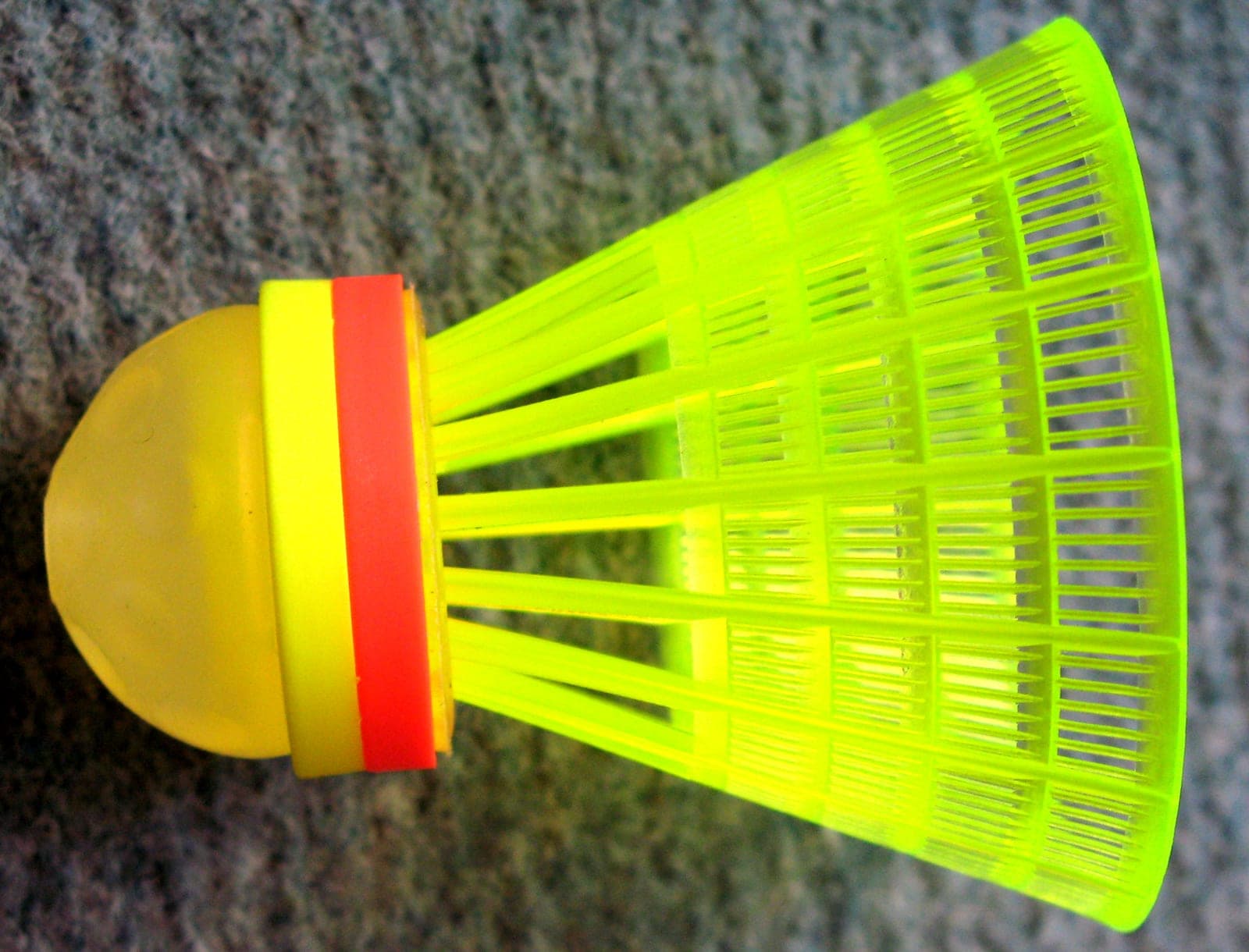
Badminton
A fast indoor racquet sport played with a shuttlecock that rewards agility and touch.
Squash
A fast, high-intensity indoor racquet sport played inside an enclosed court where the walls stay in play.
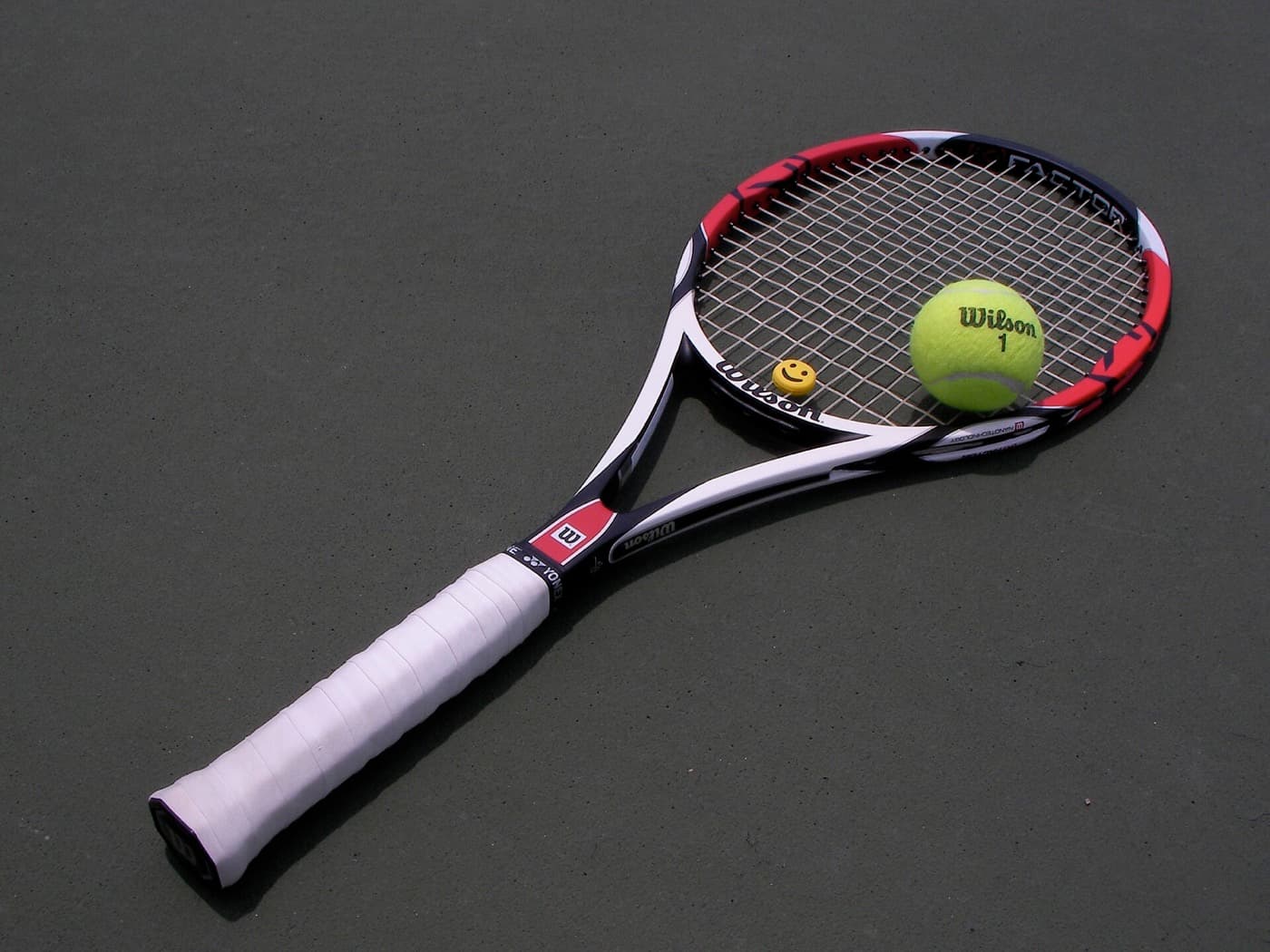
Tennis
A singles or doubles racquet sport that blends agility, strategy and stamina on court.

Padel
A sociable, doubles-first racquet sport played in an enclosed court where the walls stay in play.
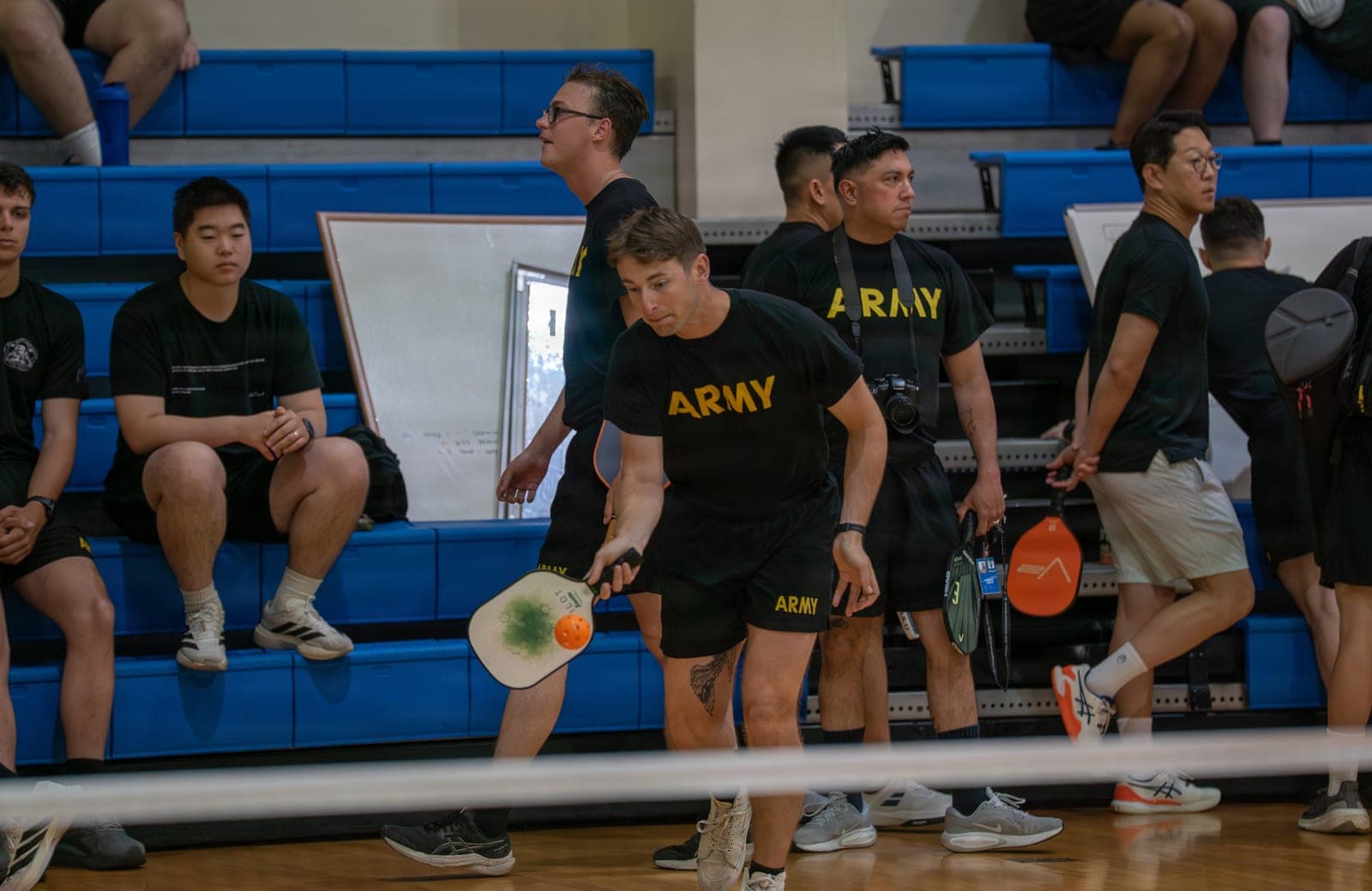
Pickleball
A friendly, easy-to-learn paddle sport played on a small court with a solid paddle and a light, perforated ball.
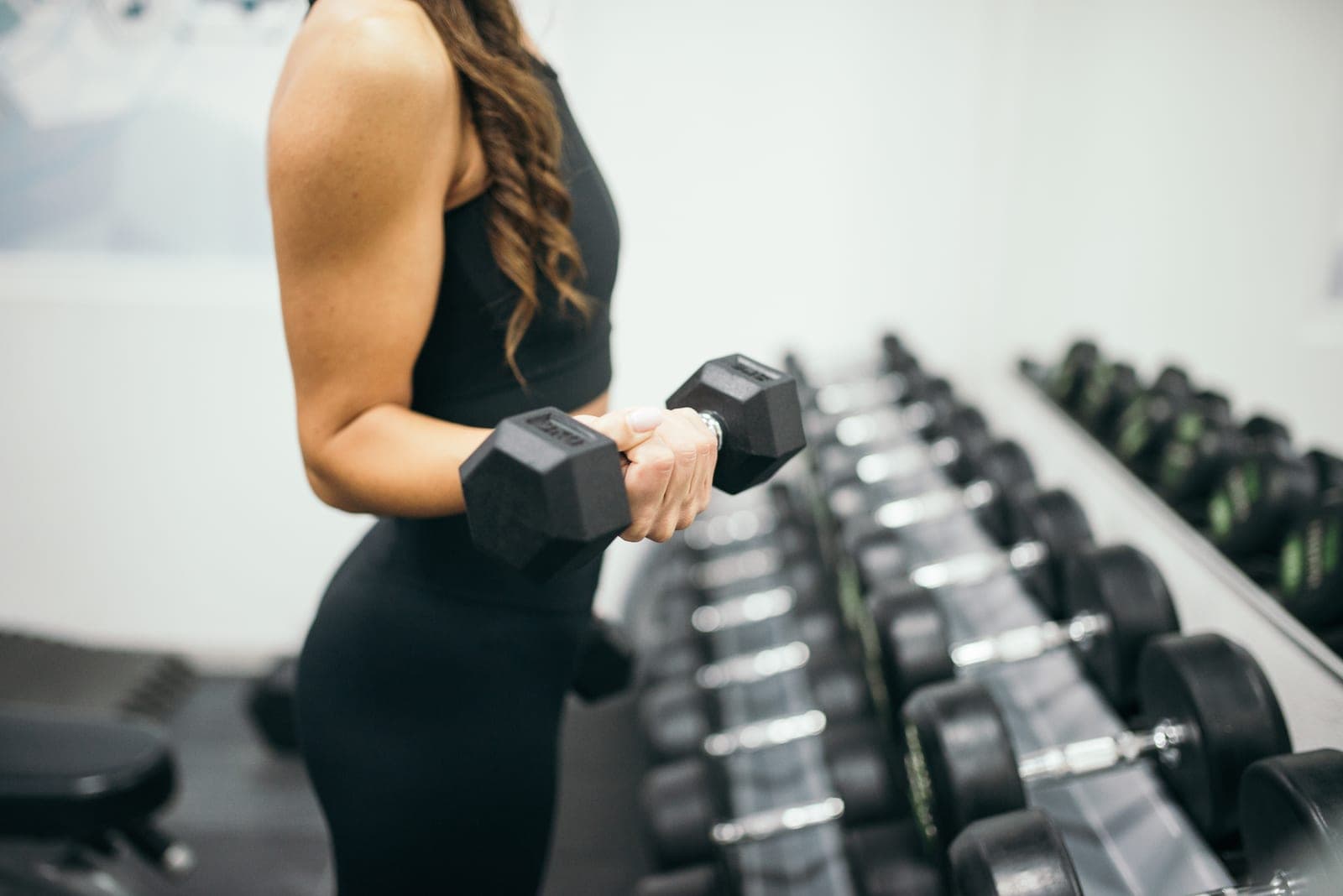
Fitness
Strength and general fitness training — the foundation that supports every other sport.
Functional Fitness
Varied, whole-body training built around everyday movement patterns like squatting, lifting and carrying.
Weightlifting
A technical strength sport built around lifting a loaded barbell overhead with speed and control.
Compare lunge with…
Movements it is often confused with — see exactly how they differ.
How it connects
The meaning-bearing relationships that place Lunge in the wider knowledge graph — each one with the reason it exists.
Foundation of
These build directly on this one.
Commonly confused with
Close enough to be mixed up — the distinction is worth knowing.
Explore across the knowledge base
Follow the threads that connect Lunge to the rest of SocialSportHub.
Movement comparisons
- Crossover Step vs LungeCrossover Step vs Lunge: how these two movements differ, what they share, and how to tell them apart — from mechanics to the sports that use them.
- Hinge vs LungeHinge vs Lunge: how these two movements differ, what they share, and how to tell them apart — from mechanics to the sports that use them.
- Kick vs LungeKick vs Lunge: how these two movements differ, what they share, and how to tell them apart — from mechanics to the sports that use them.
- Lunge vs ReachLunge vs Reach: how these two movements differ, what they share, and how to tell them apart — from mechanics to the sports that use them.
- Lunge vs Shuffle (Lateral Shuffle)Lunge vs Shuffle (Lateral Shuffle): how these two movements differ, what they share, and how to tell them apart — from mechanics to the sports that use them.
Sports science
Practice & sessions
Knowledge Atlas
Training methods
- Strength TrainingStrength training uses resistance — bodyweight, bands or weights — to challenge your muscles so they gradually adapt and get stronger over time.
- Hypertrophy TrainingHypertrophy training is resistance work structured to encourage muscle growth, typically using moderate repetitions and a steady, controlled tempo.
- Circuit TrainingCircuit training moves you through a series of stations back to back with little rest, blending strength and cardio into one time-efficient session.
- PlyometricsPlyometrics are jumping and bounding drills that train muscles to produce force quickly, developing power and springiness through explosive movement.
- Cross-TrainingCross-training mixes different activities into your routine so you build all-round fitness and give repeatedly-used muscles a change of stimulus.
Goals
- Build muscleChallenge your muscles with regular resistance training and steady recovery to build strength over time.
- Improve balanceTrain steadiness and control at any age with simple, progressive balance practice done safely.
- Improve coordinationSharpen how smoothly your body works together — like tracking and hitting a ball — through skill practice.
- Healthy agingStay active, steady and independent as you get older with a sustainable mix of gentle cardio, strength and balance work.
Go deeper with Lunge
Everywhere else on the platform that covers Lunge — assembled from what actually references it, so nothing here is a dead end.
Take it away
Open data and the whole-platform view of this subject.
How this page is maintained
- Content type
- Movement pattern
- Provenance
- Tier A — evergreen educational
- Verified external sources
- 0
- Content updated
- 2026-07-13
Evergreen, first-party explanation — it makes no claim that needs an external source. How we handle sources and reviews.