
Gentle stretching
Gentle stretching means easing into comfortable stretches and holding them in a relaxed way to help you feel less stiff.
Overview
Stretching is the familiar habit of easing a muscle into a lengthened position and holding it comfortably for a short while. Kept gentle and relaxed, it’s a low-effort way to feel less stiff and to wind down after activity or at the end of the day.
The theme throughout is comfort. You ease to a mild, comfortable stretch and hold it gently, breathe steadily, and relax rather than bounce or push into it. It’s meant to feel good.
Good to know
- Ease to a mild, comfortable stretch — gentle and relaxed, never pushed too far.
- Slow, steady breathing helps you relax into the position.
- Common areas include the calves, hamstrings, hips and shoulders.
- A yoga mat makes floor stretches more comfortable.
- Little and often generally suits most people better than rare, forceful sessions.
A note on training information
Where it’s used
Sports this relates to:
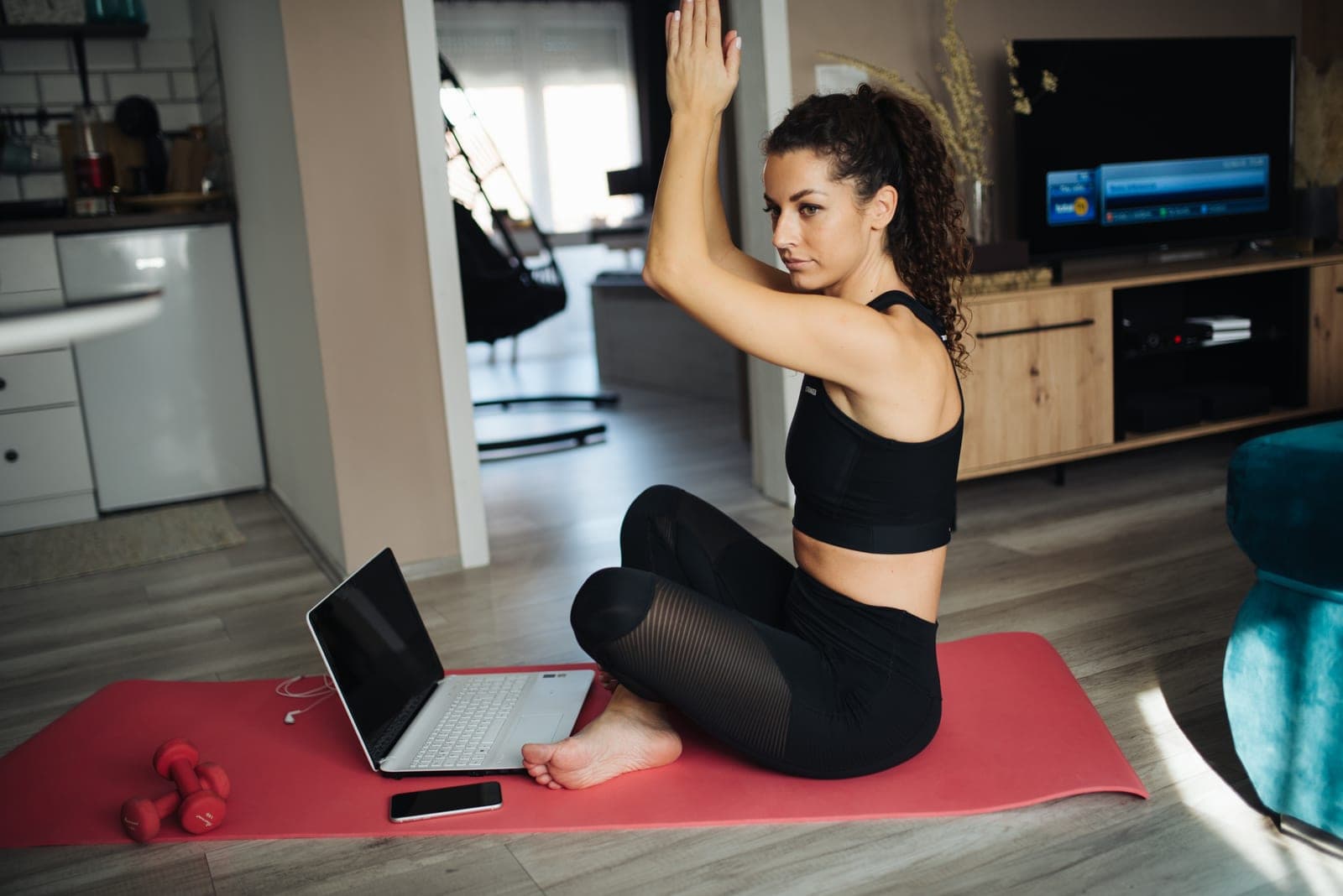
Yoga
A mind-body practice that links postures, breathing and focus to build flexibility, strength and calm.
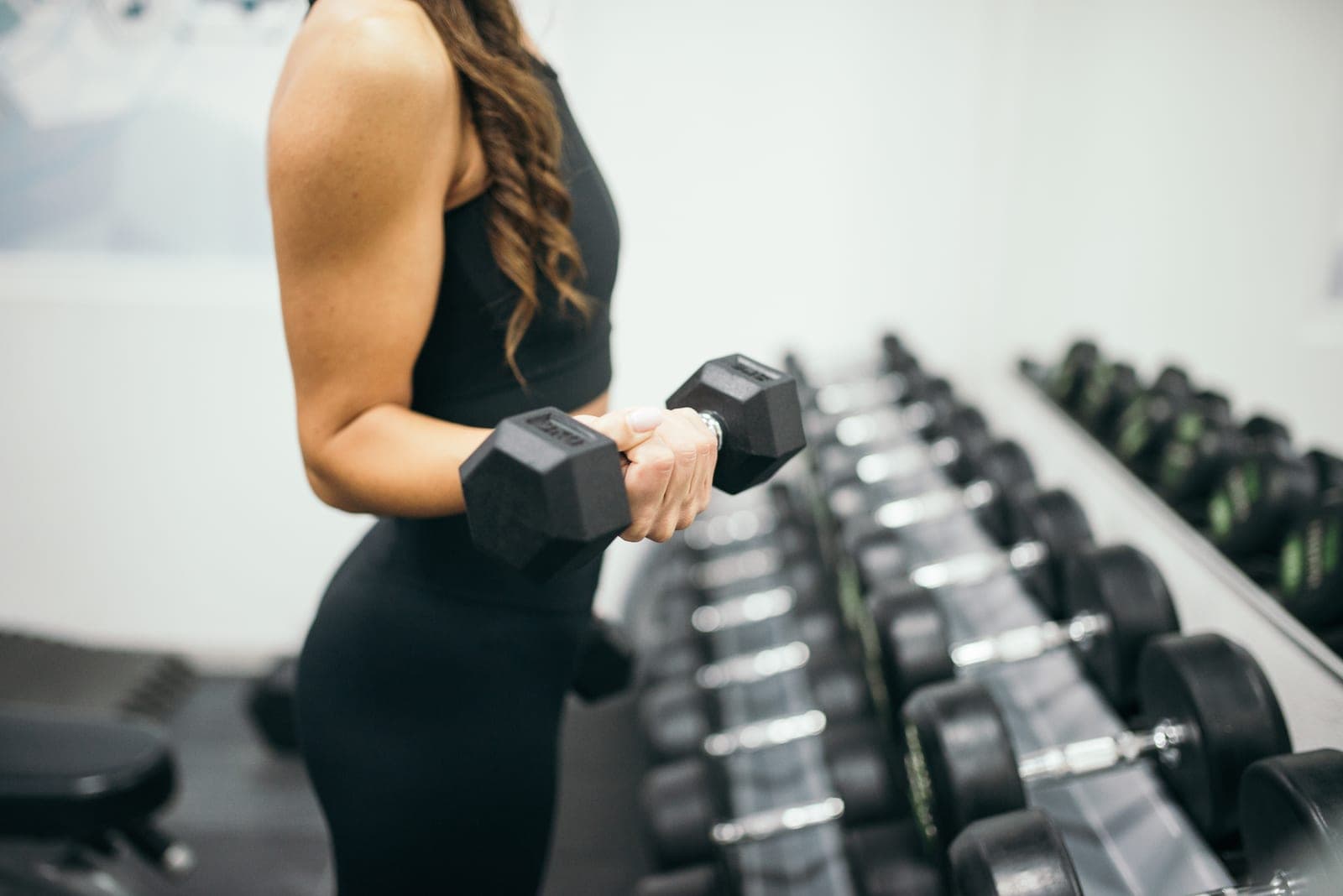
Fitness
Strength and general fitness training — the foundation that supports every other sport.

Running
The most accessible endurance sport — no venue, just shoes and the open road or trail.
Pilates
A low-impact mind-body method that builds core strength, control and posture through precise, controlled movement.

Swimming
A full-body, low-impact endurance sport suitable for almost every age and ability.
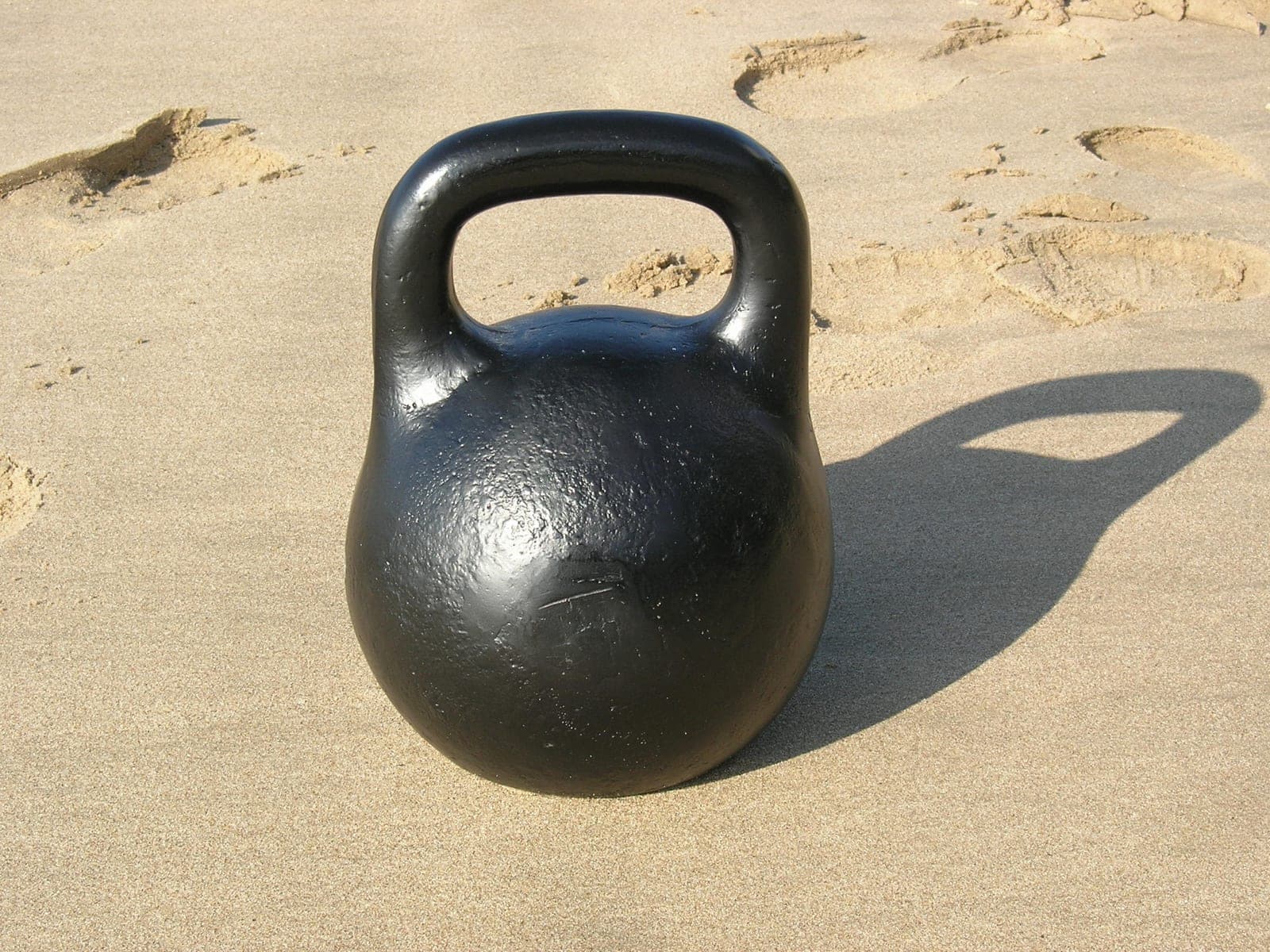
Functional Fitness
Varied, whole-body training built around everyday movement patterns like squatting, lifting and carrying.
Related recovery
Sleep
Regular, good-quality sleep is the foundation of everyday recovery for anyone who trains or plays sport.
Rest days
Rest days are planned days off from training that give the body and mind time to recover between harder sessions.
Active recovery
Active recovery means very easy, gentle movement on lighter days to keep the body moving without adding hard training stress.
How it connects
The meaning-bearing relationships that place Gentle stretching in the wider knowledge graph — each one with the reason it exists.
Supports
Helps the training or recovery side of these.
- YogaGentle stretching is listed as a recovery method used around Yoga.
- FitnessGentle stretching is listed as a recovery method used around Fitness.
- RunningGentle stretching is listed as a recovery method used around Running.
- PilatesGentle stretching is listed as a recovery method used around Pilates.
- SwimmingGentle stretching is listed as a recovery method used around Swimming.
Explore across the knowledge base
Follow the threads that connect Gentle stretching to the rest of SocialSportHub.
Healthy living
- Stretching for recoveryUsing gentle, unhurried stretching to feel loosened and relaxed after activity — an easy, calming way to wind down.
- Active recoveryGentle, easy movement on your off days — a relaxed way to keep the body moving while it recovers, instead of doing nothing.
- Evening Wind-DownEasing gently from a busy day toward rest, with calm movement and habits that help the body settle.
Training plans
- Mobility Routine WeekA gentle example week of short mobility sessions that move the main joints through easy, comfortable ranges to help you feel loose and move well.
- Gentle Return to ActivityA relaxed example of easing back into a routine after time away, restarting well below where you left off and rebuilding gradually.
- Walk-to-Jog PlanA gentle example of easing from walking into jogging by gradually mixing short, easy jogs into regular walks over several weeks.
Practice & sessions
Go deeper with Gentle stretching
Everywhere else on the platform that covers Gentle stretching — assembled from what actually references it, so nothing here is a dead end.
Take it away
Open data and the whole-platform view of this subject.
How this page is maintained
- Content type
- Recovery method
- Provenance
- Tier A — evergreen educational
- Verified external sources
- 0
- Content updated
- 2026-07-06
Evergreen, first-party explanation — it makes no claim that needs an external source. How we handle sources and reviews.