
Curling
Precision, teamwork and stones on ice

Overview
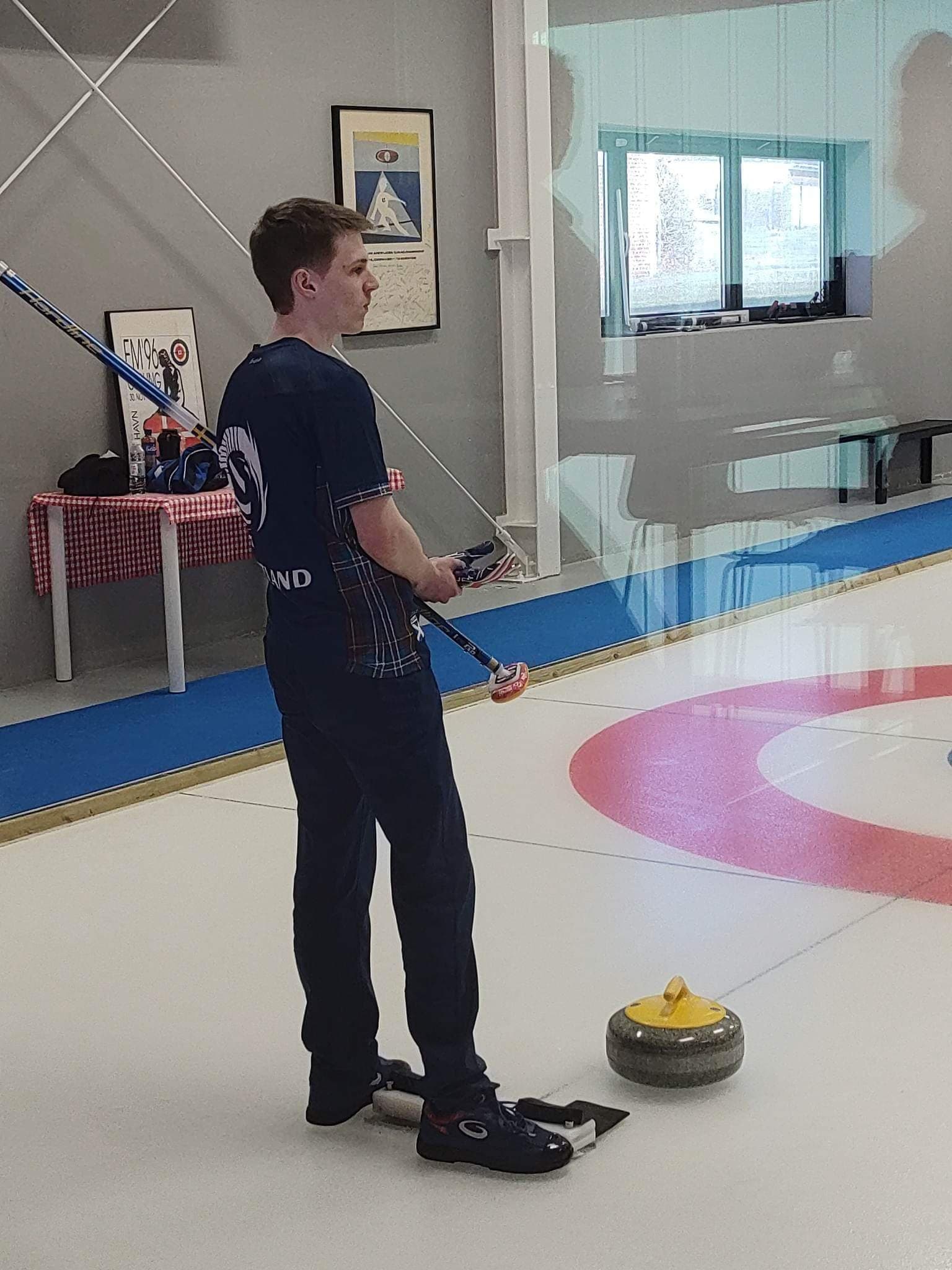
Curling is played on a long, prepared sheet of ice where players take turns sliding heavy, polished stones toward a set of circular targets at the far end. Teammates use brushes to sweep the ice ahead of a moving stone, subtly influencing how far and how straight it travels. Points come from finishing with stones closer to the centre of the target than the opposing team.
It is often described as a game of strategy on ice, sometimes likened to chess for the way each shot sets up the next. The physical demands are gentler than many winter sports, which makes it welcoming across a wide range of ages and abilities, while the tactics and teamwork keep it endlessly engaging as you improve.
Why curling is good for your health
- Sweeping and delivering stones engages the legs, core and shoulders
- Gliding into each shot develops balance and stability
- Low-impact movement that is gentle on the joints
- Encourages focus, patience and steady concentration
The social side
- A team game built on communication and shared strategy
- Clubs and drop-in sessions have a famously friendly, welcoming culture
- Suits mixed-ability groups playing together on the same rink
How to start as a beginner
- 1Join a beginner “learn to curl” session at a local curling rink
- 2Practise a stable, balanced delivery slide before worrying about accuracy
- 3Learn the basics of sweeping and how it affects the stone
- 4Play a friendly game to pick up the scoring and simple tactics
Equipment you’ll need
- Curling shoes or a grip-and-slider setEssentialOne sole grips the ice while the other lets you slide; often available to borrow
- A curling brushEssentialUsually provided at the rink for beginners
- Warm, flexible clothingEssentialLayers you can move freely in
- Access to prepared curling iceEssential
- Curling stonesOptionalSupplied by the rink
Where to play
Curling is typically played at:
Explore clubs and venues to understand the different places you can play, or see how to find people to play with.
Playing Curling
The equipment, rules, skills and more that make up the game — each cross-linked into the encyclopedia.
Related sports to explore
If you enjoy Curling, you might also like these.
Ice Skating
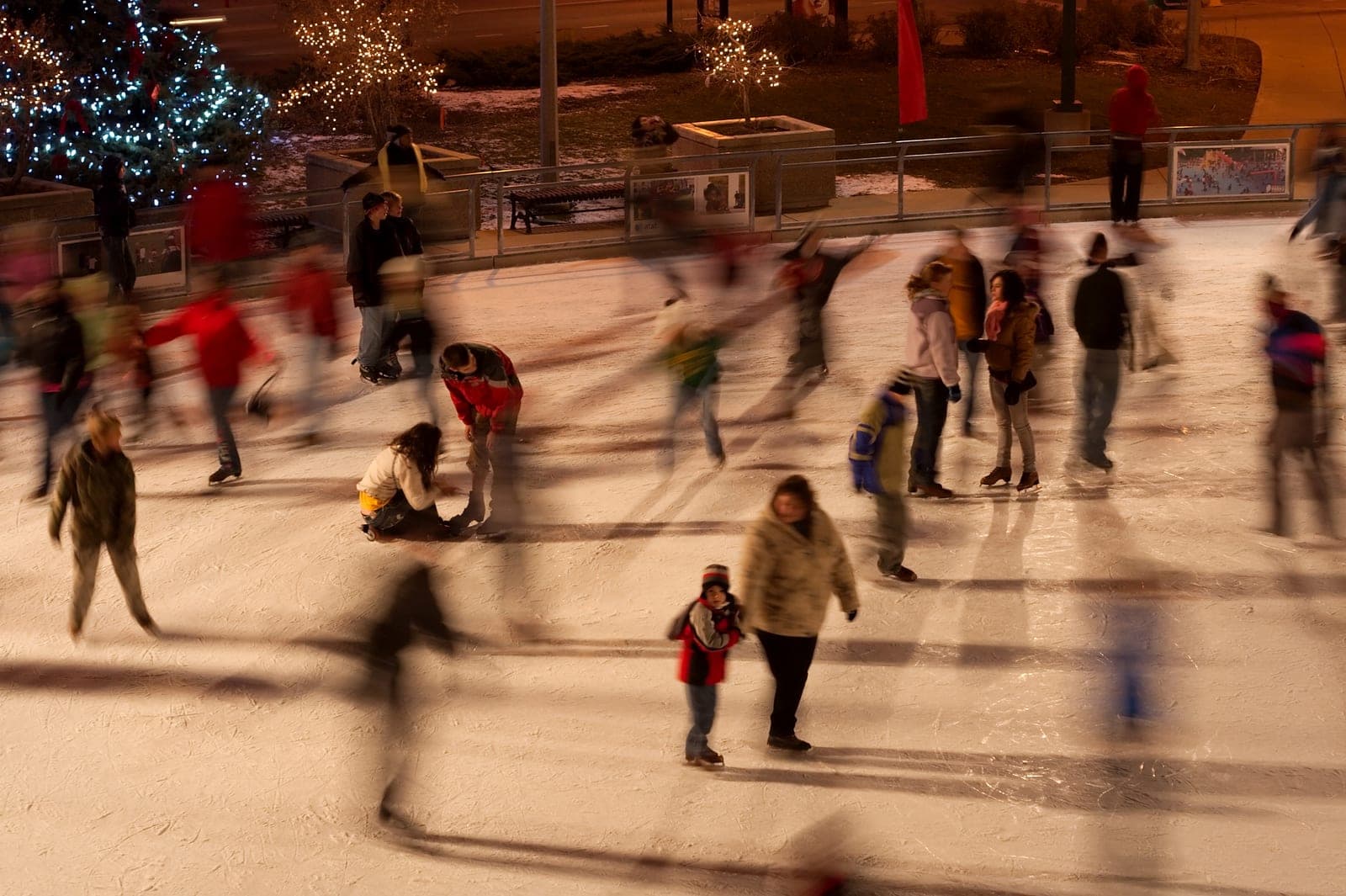
A graceful winter activity of gliding across ice on skates, from casual laps to disciplined skating.
Speed Skating
A racing sport on long-bladed skates, powering around an ice oval or tight indoor track with long, rhythmic strides.
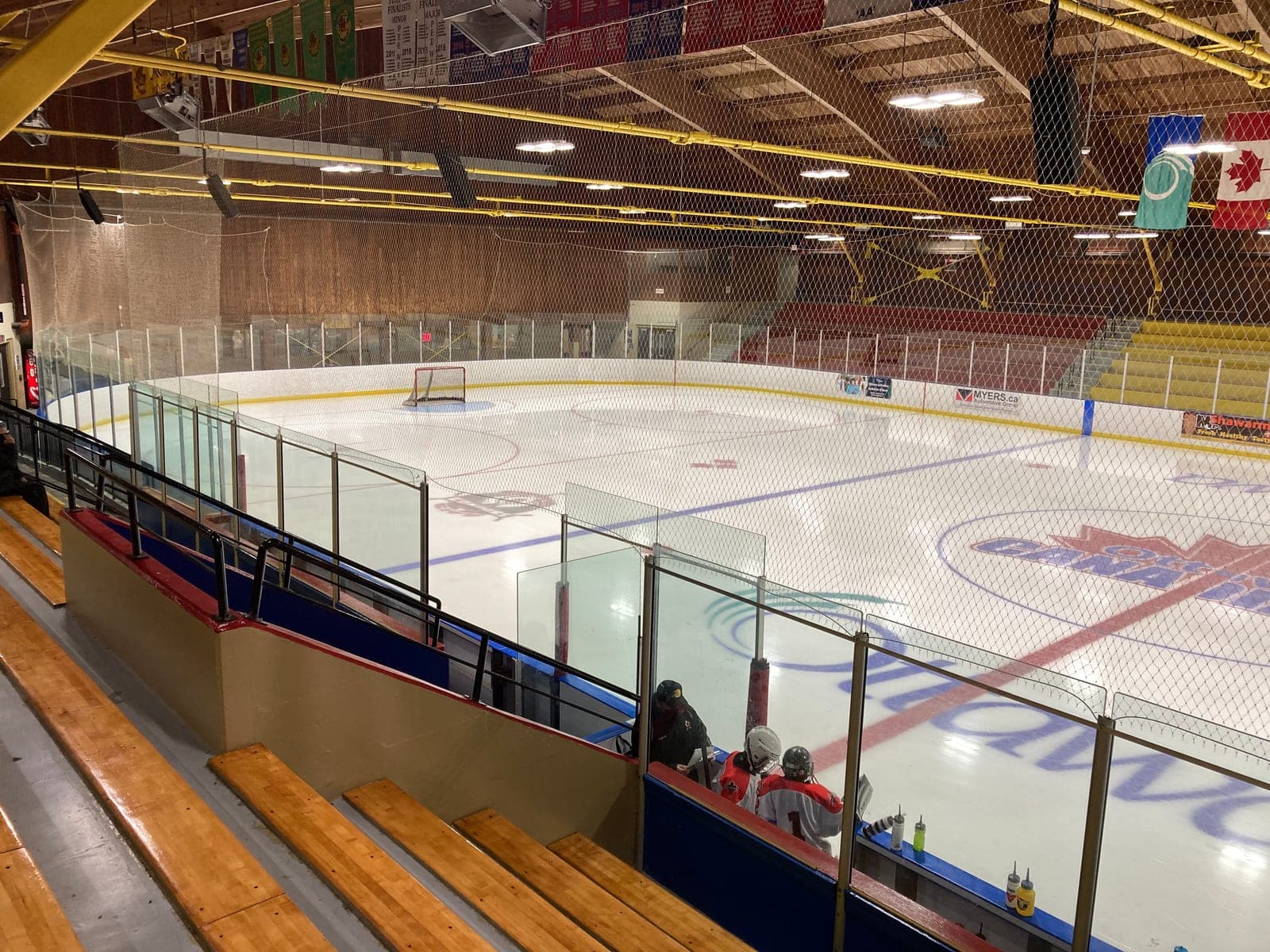
Figure Skating
An artistic ice sport combining glides, spins, jumps and footwork into flowing routines.
Compare Curling with…
Deciding between Curling and something similar? See how they line up side by side.
Curling vs Figure Skating
How they compare on difficulty, intensity, kit and what suits you.
Curling vs Ice Skating
How they compare on difficulty, intensity, kit and what suits you.
Curling vs Speed Skating
How they compare on difficulty, intensity, kit and what suits you.
Reach your goals with Curling
People take up Curling for all kinds of reasons. Here is what it can help you work towards.
How it connects
The meaning-bearing relationships that place Curling in the wider knowledge graph — each one with the reason it exists.
Alternative to
Comparable enough that people choose between them.
- Figure SkatingCurling and Figure Skating are close enough that the platform maintains a side-by-side comparison of them.
- Ice SkatingCurling and Ice Skating are close enough that the platform maintains a side-by-side comparison of them.
- Speed SkatingCurling and Speed Skating are close enough that the platform maintains a side-by-side comparison of them.
Helps achieve
A recognised route towards these goals.
Explore across the knowledge base
Follow the threads that connect Curling to the rest of SocialSportHub.
Glossary
- RinkAn enclosed sheet of ice, or a comparable bounded surface, on which sports such as ice hockey, figure skating and curling are contested.
- Time-outA short, rules-permitted stoppage a team or official can call to pause play for rest, coaching, or tactical reasons.
- Clean SheetA match in which a team or goalkeeper prevents the opposition from scoring at all.
- BreakawayA situation where an attacker gets clear of the defenders and races toward the goal with few or no opponents in the way.
- Roundhouse KickA kick delivered in a circular, sweeping arc that strikes with the shin or the top of the foot.
Practice & sessions
Go deeper with Curling
Everywhere else on the platform that covers Curling — assembled from what actually references it, so nothing here is a dead end.
Compare it
Head-to-head studies against the entities people actually weigh it against.
Kit it out
Equipment guidance drawn from the graph, with no brands and no affiliate links.
Take it away
Open data and the whole-platform view of this subject.
How this page is maintained
- Content type
- Sport
- Provenance
- Tier A — evergreen educational
- Verified external sources
- 0
- Content updated
- 2026-07-06
Evergreen, first-party explanation — it makes no claim that needs an external source. How we handle sources and reviews.
Keep going
A sport is most rewarding alongside good habits, sensible nutrition and people to share it with. Here is where to go next.
How movement supports body and mind.
Eat well to feel and perform better.
Build routines that stick.
Ways to meet others and play together.
Where to play and what to expect.
Browse the full list by category.