
Time-out
A short, rules-permitted stoppage a team or official can call to pause play for rest, coaching, or tactical reasons.
Definition
A time-out is a break in play requested by a team, or sometimes mandated by the competition, that pauses the action to let players rest, receive coaching instructions, or disrupt an opponent's momentum. The number, length, and permitted timing of time-outs are strictly limited by each sport's rules, and calling more than allowed can itself be penalised.
Basketball, volleyball, and American football build time-outs into their structure as tactical tools, frequently used at decisive moments late in a close game. Many competitions also schedule official or 'television' time-outs for broadcast and administrative purposes, and medical stoppages are usually treated separately from a team's tactical allowance.
Where you’ll hear “time-out”
Sports that use this term:

Basketball
A fast, dynamic team sport of running, jumping and quick decisions on court.
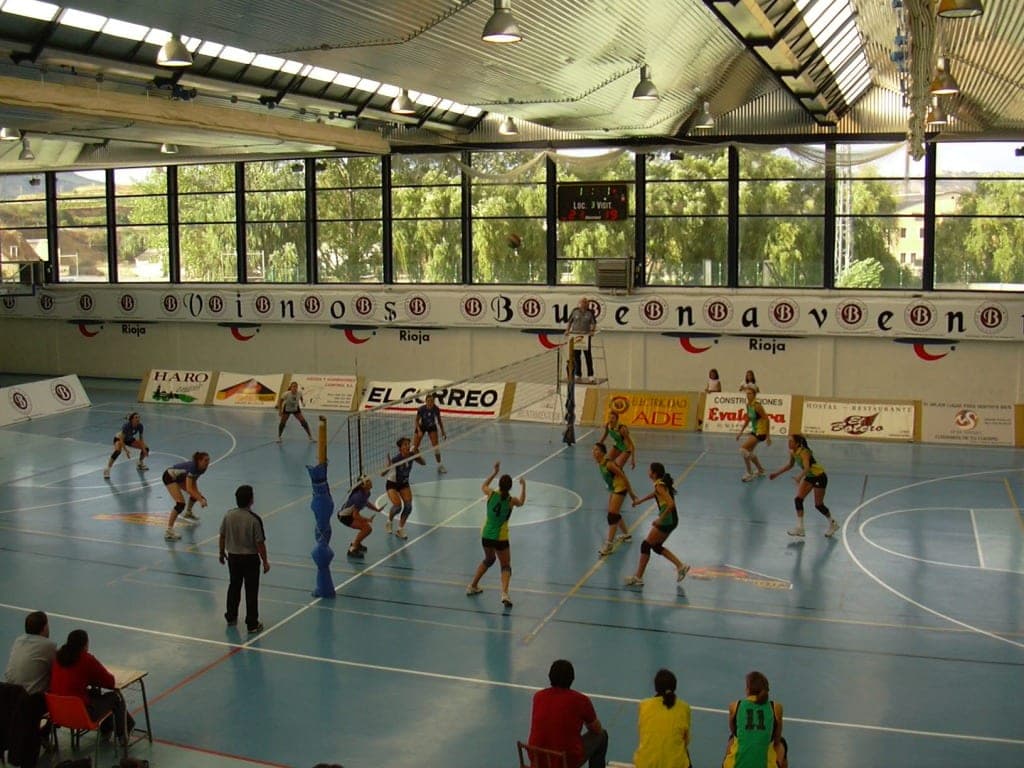
Volleyball
A non-contact team sport of rallies, jumps and teamwork — indoors or on the beach.
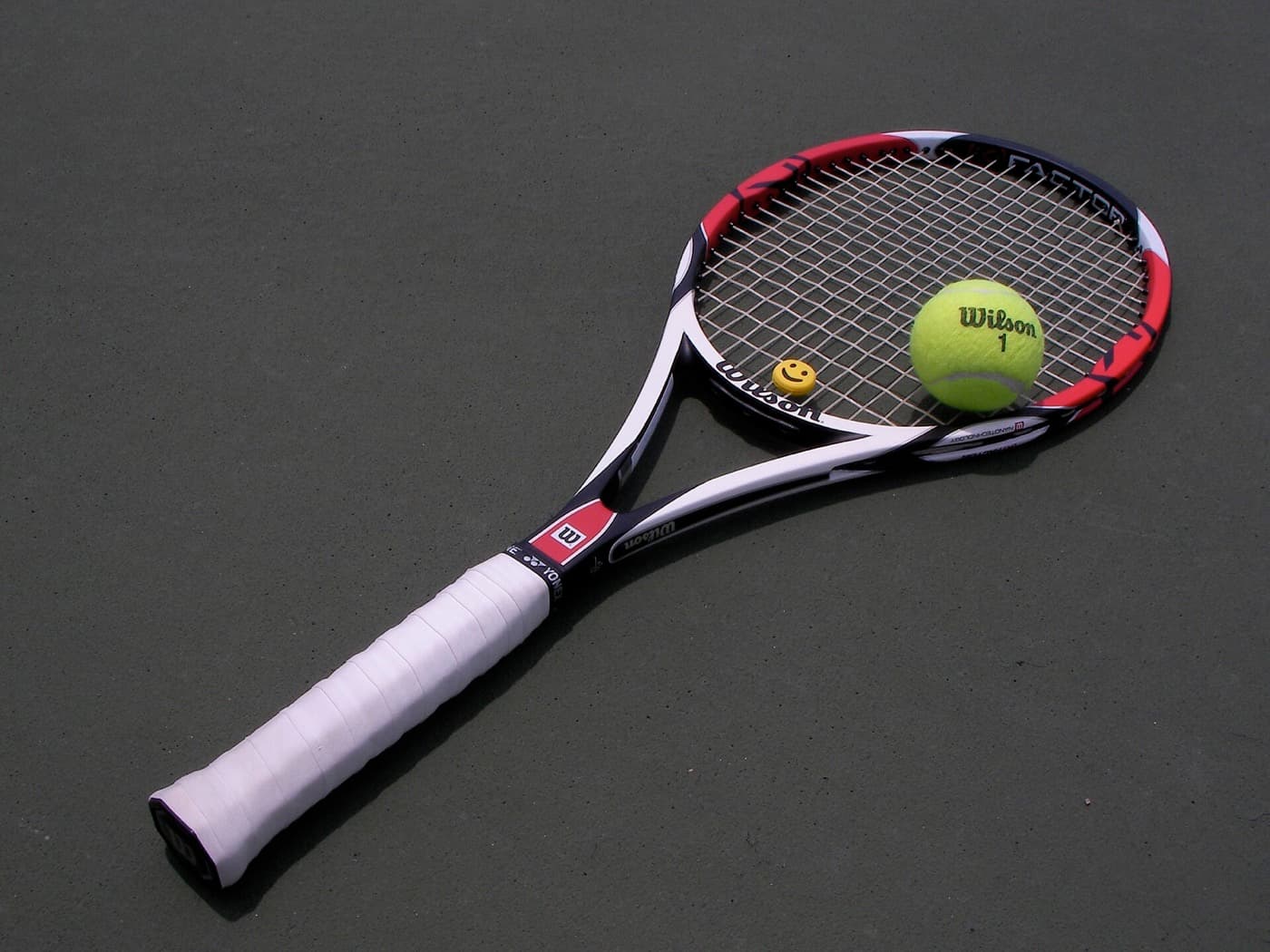
Tennis
A singles or doubles racquet sport that blends agility, strategy and stamina on court.
American Football
A strategic, position-based team sport of set plays, sprinting and coordinated teamwork on a marked field.
Explore across the knowledge base
Follow the threads that connect Time-out to the rest of SocialSportHub.
Sports communication
Officiating
- Out-of-Bounds CallAn official's ruling that the ball or a player in possession has left the legal playing area, stopping play and handing a restart or possession to the opponent.
- Self-OfficiatingThe convention, central to golf and common in other sports, that players apply the rules to themselves and call their own penalties.
- Line JudgeA boundary-line official who calls whether the ball or player is in or out and flags foot faults, working under the head referee across many sports.
- Penalty SignalA standardized hand or flag signal an official uses to announce a foul, penalty, or restart so players, teammates, and spectators can read the call.
- Foul callA foul call is an official's ruling that a player broke a rule of contact or conduct, triggering a penalty such as a free kick, free throw or penalty.
Knowledge Atlas
Healthy living
Rules
Go deeper with Time-out
Everywhere else on the platform that covers Time-out — assembled from what actually references it, so nothing here is a dead end.
Take it away
Open data and the whole-platform view of this subject.
How this page is maintained
- Content type
- Term
- Provenance
- Tier A — evergreen educational
- Verified external sources
- 0
- Content updated
- 2026-09-01
Evergreen, first-party explanation — it makes no claim that needs an external source. How we handle sources and reviews.