
Speed Skating
Long, powerful strides on the ice
Overview
Speed skating is racing on ice using skates with long, low blades that let you carry speed efficiently. It is skated on a large outdoor or indoor oval with long, sweeping strides, or on a shorter, tighter indoor track where skaters race in a pack and cornering technique matters. The low, crouched posture and rhythmic push are distinctive to the sport.
Reaching a smooth, powerful glide takes practice, so early sessions focus on balance, edges and a stable position rather than outright speed. As technique develops it becomes a genuine endurance and power sport, rewarding patience with a fast, flowing feeling on the ice.
Why speed skating is good for your health
- Builds cardiovascular fitness and endurance through sustained skating
- Develops powerful leg and glute strength from the skating stride
- The low, balanced posture strengthens the core
- Improves balance, coordination and control on edges
Physical qualities you’ll build
Speed Skating is especially good for developing these qualities:
The social side
- Clubs and rink sessions bring skaters together to train and race
- A supportive community that helps newcomers learn technique
- Group training and friendly races add shared motivation
How to start as a beginner
- 1Get comfortable and confident on ice before trying speed skates
- 2Take coached sessions to learn a safe posture and how to stop and fall
- 3Focus on smooth, balanced strides and edges before adding speed
- 4Join a club that offers beginner ice time and loaner skates
Equipment you’ll need
- Speed skatesEssentialLong-bladed skates; clubs often have pairs to borrow when starting
- Comfortable, flexible clothingEssentialLayers that let you move in a low posture
- GlovesEssentialProtect the hands on the ice
- A helmetOptionalRecommended, and standard for pack-style short-track skating
- Access to an ice rink or ovalEssential
Where to play
Speed Skating is typically played at:
Explore clubs and venues to understand the different places you can play, or see how to find people to play with.
Speed Skating disciplines
Speed Skating isn’t one thing — it takes several distinct forms, each with its own character. Explore the disciplines within it.
Playing Speed Skating
The equipment, rules, skills and more that make up the game — each cross-linked into the encyclopedia.
Related sports to explore
If you enjoy Speed Skating, you might also like these.
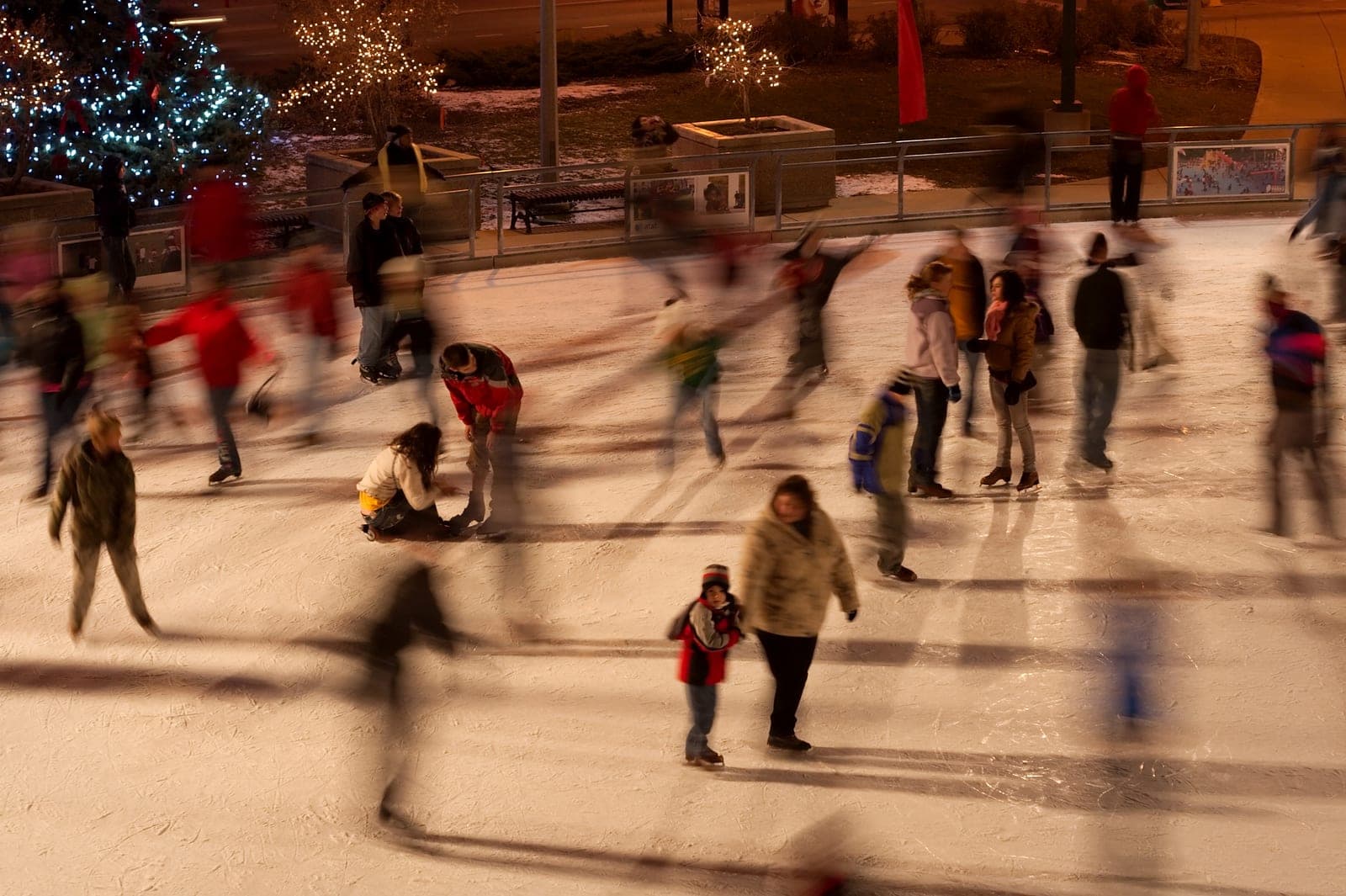
Ice Skating
A graceful winter activity of gliding across ice on skates, from casual laps to disciplined skating.
Figure Skating
An artistic ice sport combining glides, spins, jumps and footwork into flowing routines.
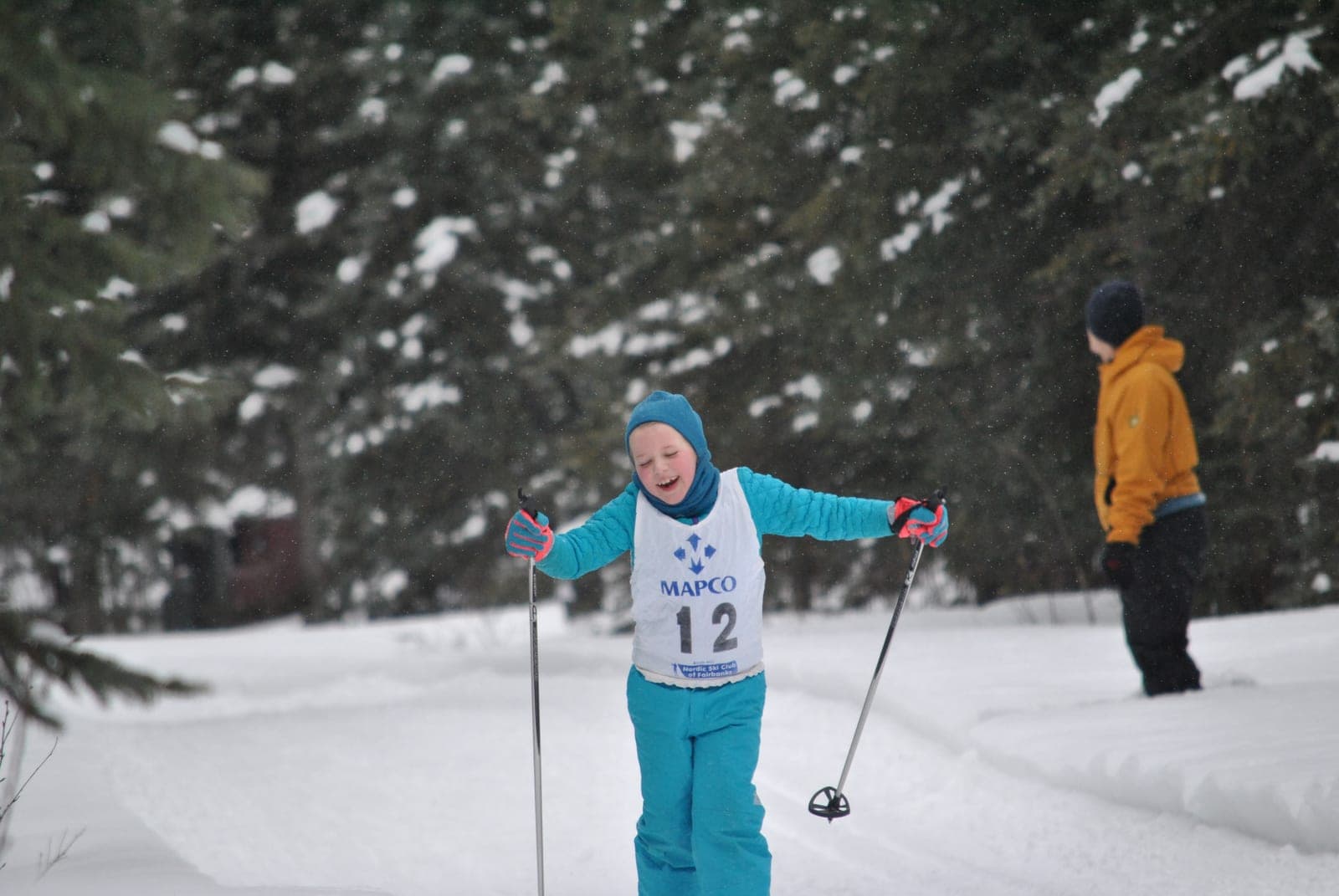
Cross-Country Skiing
A low-impact endurance snow sport where you propel yourself across flat and rolling terrain on skis.
Cycling
A low-impact endurance sport that doubles as transport, exercise and adventure.
Compare Speed Skating with…
Deciding between Speed Skating and something similar? See how they line up side by side.
Cross-Country Skiing vs Speed Skating
How they compare on difficulty, intensity, kit and what suits you.
Curling vs Speed Skating
How they compare on difficulty, intensity, kit and what suits you.
Cycling vs Speed Skating
How they compare on difficulty, intensity, kit and what suits you.
Figure Skating vs Speed Skating
How they compare on difficulty, intensity, kit and what suits you.
Ice Hockey vs Speed Skating
How they compare on difficulty, intensity, kit and what suits you.
Ice Skating vs Speed Skating
How they compare on difficulty, intensity, kit and what suits you.
How it connects
The meaning-bearing relationships that place Speed Skating in the wider knowledge graph — each one with the reason it exists.
Alternative to
Comparable enough that people choose between them.
- Cross-Country SkiingSpeed Skating and Cross-Country Skiing are close enough that the platform maintains a side-by-side comparison of them.
- CurlingSpeed Skating and Curling are close enough that the platform maintains a side-by-side comparison of them.
- CyclingSpeed Skating and Cycling are close enough that the platform maintains a side-by-side comparison of them.
- Figure SkatingSpeed Skating and Figure Skating are close enough that the platform maintains a side-by-side comparison of them.
- Ice HockeySpeed Skating and Ice Hockey are close enough that the platform maintains a side-by-side comparison of them.
Explore across the knowledge base
Follow the threads that connect Speed Skating to the rest of SocialSportHub.
Glossary
- DraftingRiding, running or swimming closely behind another competitor to sit in their slipstream and save energy.
- False startAn infringement in racing when a competitor begins to move before the official starting signal.
- TrackA prepared oval or closed circuit around which running, cycling and other racing events are contested.
- RinkAn enclosed sheet of ice, or a comparable bounded surface, on which sports such as ice hockey, figure skating and curling are contested.
- AerobicRelating to energy production that uses oxygen, powering sustained, lower-intensity activity over minutes to hours.
Movement patterns
- SquatA knee-dominant pattern: bending the hips, knees and ankles to lower and rise while keeping the torso upright — the foundation of lower-body strength.
- BoundAn exaggerated, horizontal springing stride that transfers from one leg to the opposite leg with a long flight phase, amplifying the mechanics of running.
- Crossover StepA lateral or diagonal travelling step in which one leg crosses over the other with accompanying hip and trunk rotation, trading a stable base for greater reach and speed.
- GlideGlide is continuous, low-resistance locomotion in which the body holds a streamlined shape so that momentum generated by a preceding propulsive action carries it smoothly across a surface or through a medium.
- BackpedalControlled backward locomotion performed while facing forward, staying low and pushing off the balls of the feet in short strides to stay reactive and keep play in view.
Go deeper with Speed Skating
Everywhere else on the platform that covers Speed Skating — assembled from what actually references it, so nothing here is a dead end.
Compare it
Head-to-head studies against the entities people actually weigh it against.
- Speed Skating vs Cross-Country SkiingSide by side on the qualities that differ.
- Speed Skating vs CurlingSide by side on the qualities that differ.
- Speed Skating vs CyclingSide by side on the qualities that differ.
- Speed Skating vs Figure SkatingSide by side on the qualities that differ.
- Speed Skating vs Ice HockeySide by side on the qualities that differ.
- Speed Skating vs Ice SkatingSide by side on the qualities that differ.
Kit it out
Equipment guidance drawn from the graph, with no brands and no affiliate links.
Take it away
Open data and the whole-platform view of this subject.
How this page is maintained
- Content type
- Sport
- Provenance
- Tier A — evergreen educational
- Verified external sources
- 0
- Content updated
- 2026-07-06
Evergreen, first-party explanation — it makes no claim that needs an external source. How we handle sources and reviews.
Keep going
A sport is most rewarding alongside good habits, sensible nutrition and people to share it with. Here is where to go next.
How movement supports body and mind.
Eat well to feel and perform better.
Build routines that stick.
Ways to meet others and play together.
Where to play and what to expect.
Browse the full list by category.