
Foul
An action that breaks the rules of play and for which the offending player or team is penalised.
Definition
A foul is any illegal act during play, such as illegal contact, obstruction or handling the ball, that an official penalises. Depending on the sport, the penalty might be a free kick, a free throw, a penalty shot or possession being given to the other side.
In many team sports, repeated or serious fouls can bring further sanctions, including a formal caution, a card or a player being removed from the game. Exactly what counts as a foul varies widely from one sport to another.
Where you’ll hear “foul”
Sports that use this term:

Football
The world’s most popular team sport — endless running, teamwork and community in one game.
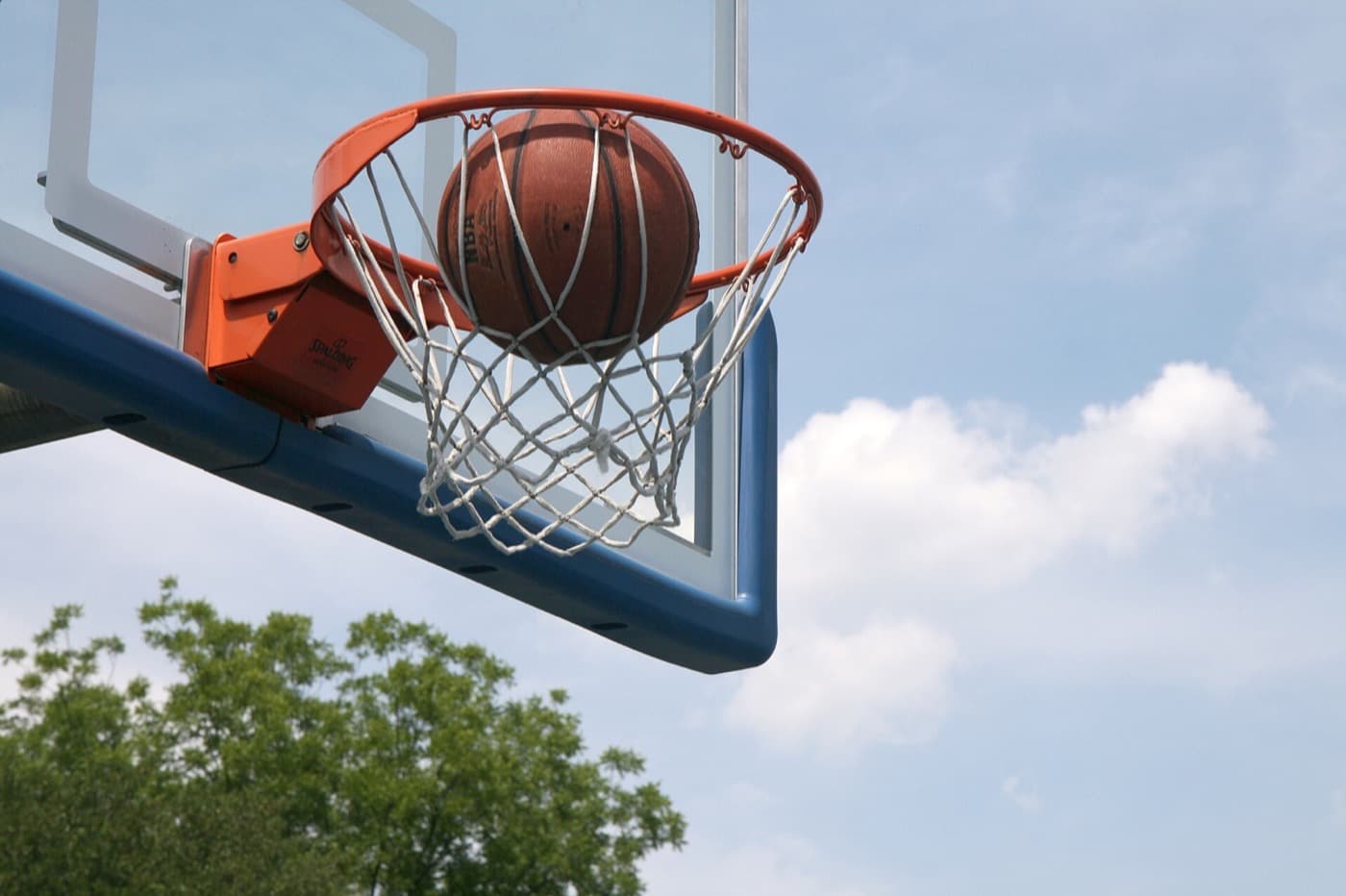
Basketball
A fast, dynamic team sport of running, jumping and quick decisions on court.
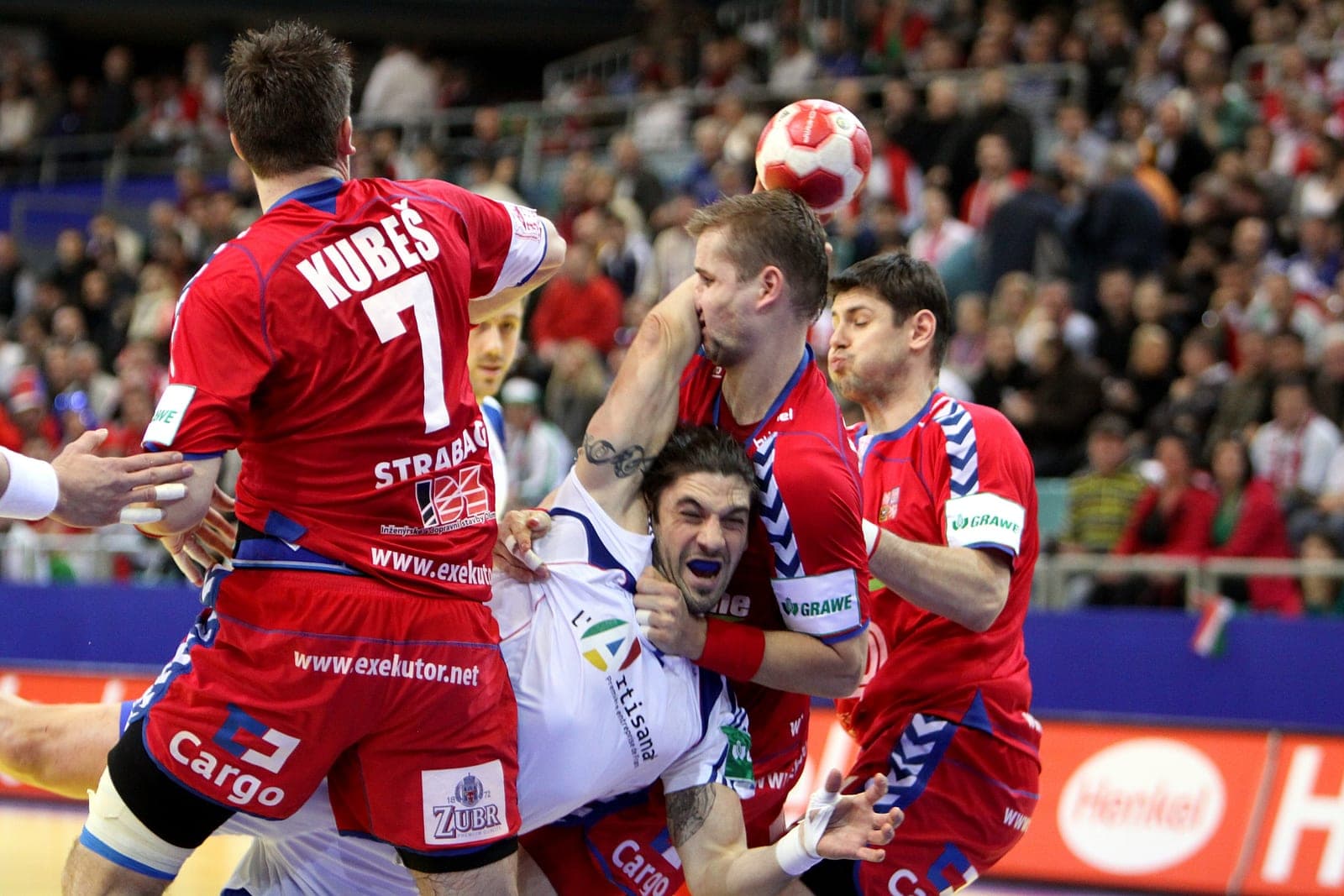
Handball
A fast indoor team sport of passing, jumping and throwing to score with the hands.
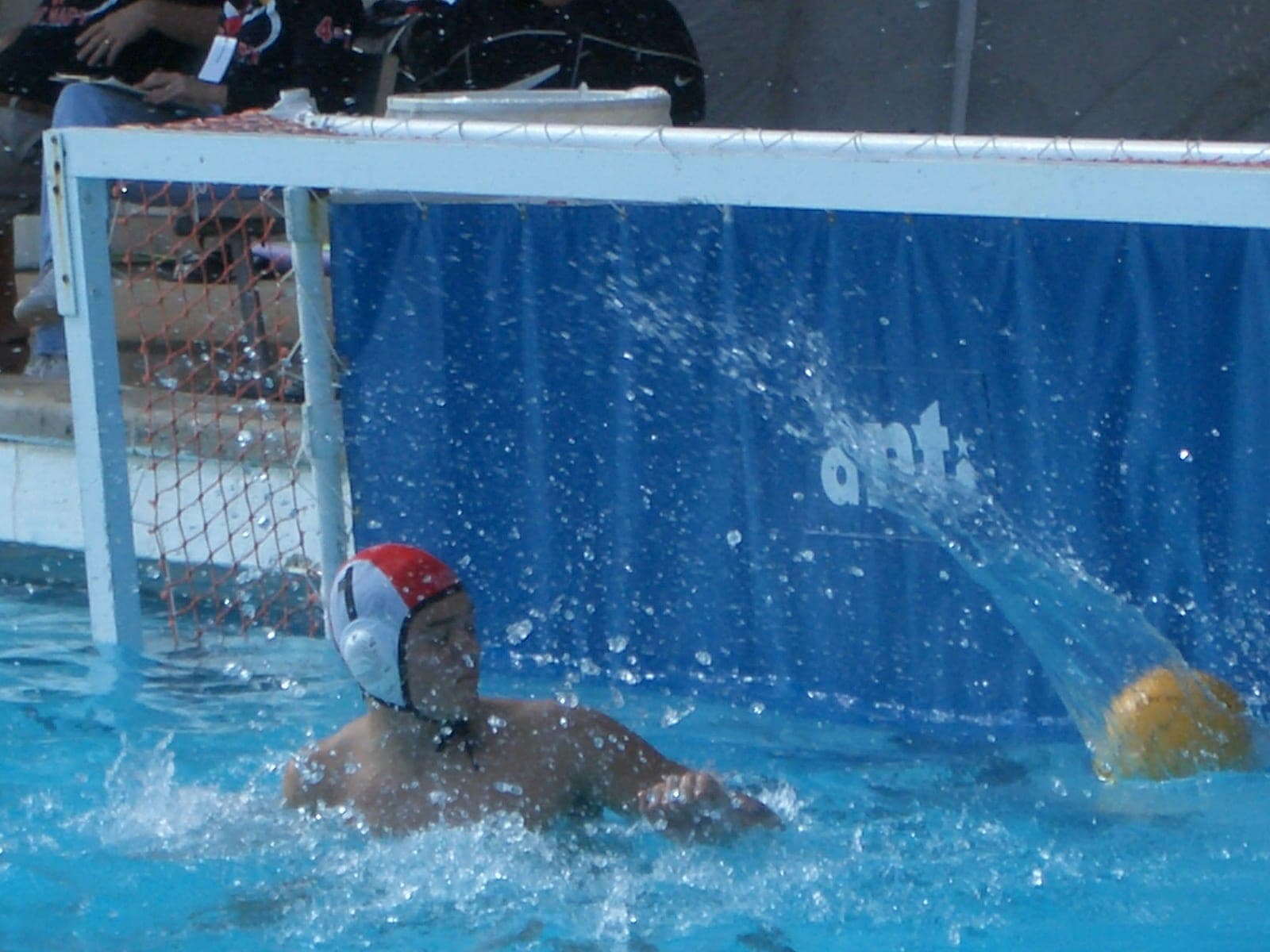
Water Polo
A demanding team sport played in deep water, blending swimming endurance with tactics.
Explore across the knowledge base
Follow the threads that connect Foul to the rest of SocialSportHub.
Rules
- OffsideA rule that prevents an attacker from gaining an advantage by being positioned too close to the opponents' goal ahead of the ball and the last defenders.
- Handball offenceA foul in football committed when an outfield player deliberately handles or controls the ball with the hand or arm.
- Direct and indirect free kicksThe two types of free kick awarded in football to restart play after a foul or other stoppage.
- Penalty kick awardA one-on-one kick against the goalkeeper awarded when a defending player commits a direct-free-kick foul inside their own penalty area.
- Yellow and red cardsThe disciplinary cards a football referee shows to caution or send off a player for misconduct.
Skills
Player roles
- Ball-winnerA ball-winner is the player tasked with regaining possession through pressing, tackling and interceptions — a team's tireless defensive workhorse.
- Utility playerA dependable, versatile player who can competently fill several different positions as the team needs, rather than specialising in just one.
- PlaymakerThe playmaker is a team's creative hub — the player who orchestrates attacks, controls the tempo and distributes the ball so teammates can score.
Officiating
- RefereeThe primary on-field official who enforces the rules, controls play, penalises fouls, awards restarts, and blows the whistle to start and stop a match.
- UmpireA match official who rules on lines, serves and dismissals in racket, bat-and-ball and net sports such as tennis, cricket and baseball — and, in racket sports, also keeps the running score.
- JudgeA judge is an official who scores performance in judged sports, awarding marks for execution and difficulty rather than counting goals or timing a race.
- Line JudgeA boundary-line official who calls whether the ball or player is in or out and flags foot faults, working under the head referee across many sports.
- ScorekeeperThe official who keeps the authoritative record of a contest — score, fouls, and statistics — usually seated at a scorer's table beside the timekeeper.
Tactics
- Pick and rollA two-player basketball action where one player screens for the ball-handler, then rolls to the basket.
- The power playWhat a team does with a one-player advantage — the umbrella and 1-3-1 setups, why the extra player creates a passing triangle a penalty kill cannot cover, and what the clock is worth.
Go deeper with Foul
Everywhere else on the platform that covers Foul — assembled from what actually references it, so nothing here is a dead end.
Take it away
Open data and the whole-platform view of this subject.
How this page is maintained
- Content type
- Term
- Provenance
- Tier A — evergreen educational
- Verified external sources
- 0
- Content updated
- 2026-09-01
Evergreen, first-party explanation — it makes no claim that needs an external source. How we handle sources and reviews.