
Ice
A prepared, frozen sheet kept hard and smooth; its extremely low friction lets skaters, pucks and stones glide with very little resistance.
Overview
Ice is a prepared, frozen sheet of water kept hard and smooth for skating and sliding sports. Because a very thin, slick layer forms between a blade or stone and the surface, friction is extremely low, so almost anything moving across it glides with little resistance. The sheet is kept level and resurfaced regularly, so it stays even and predictable underfoot.
The defining feature of ice is speed with almost no grip. Skaters build momentum by pushing against the edges of their blades rather than gripping the surface, and they carry that speed a long way once moving. A puck or curling stone released onto the ice keeps travelling until friction and any contact slow it, which puts a premium on balance, timing and controlling a glide rather than running or planting the feet as on solid ground.
How it plays
- Friction is extremely low, so skaters, pucks and stones glide across the surface with very little resistance.
- Grip comes from the edges of skate blades biting into the ice rather than from the sole of a foot, so balance and edge control matter more than on firm ground.
- Momentum carries a long way: a moving skater or a released stone keeps travelling until friction gradually slows it.
- The sheet is kept hard, level and smooth, and is resurfaced periodically so it stays even and predictable.
- It rewards gliding, fast changes of direction and controlled sliding rather than running or jumping off a fixed footing.
Where it’s used
Sports that use ice:
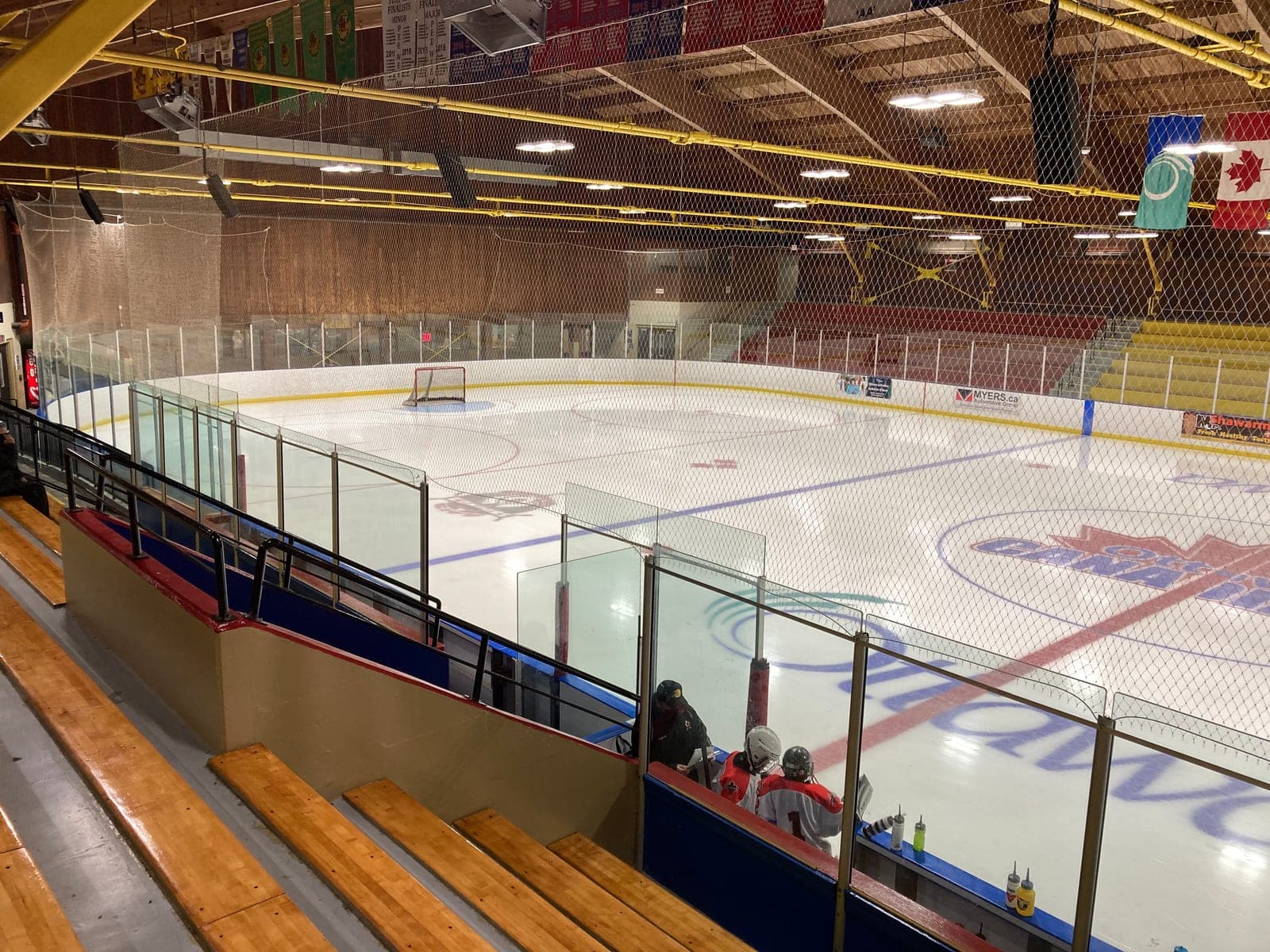
Ice Hockey
A fast team sport on ice that combines skating skill with quick passing and goal-scoring.
Figure Skating
An artistic ice sport combining glides, spins, jumps and footwork into flowing routines.
Speed Skating
A racing sport on long-bladed skates, powering around an ice oval or tight indoor track with long, rhythmic strides.
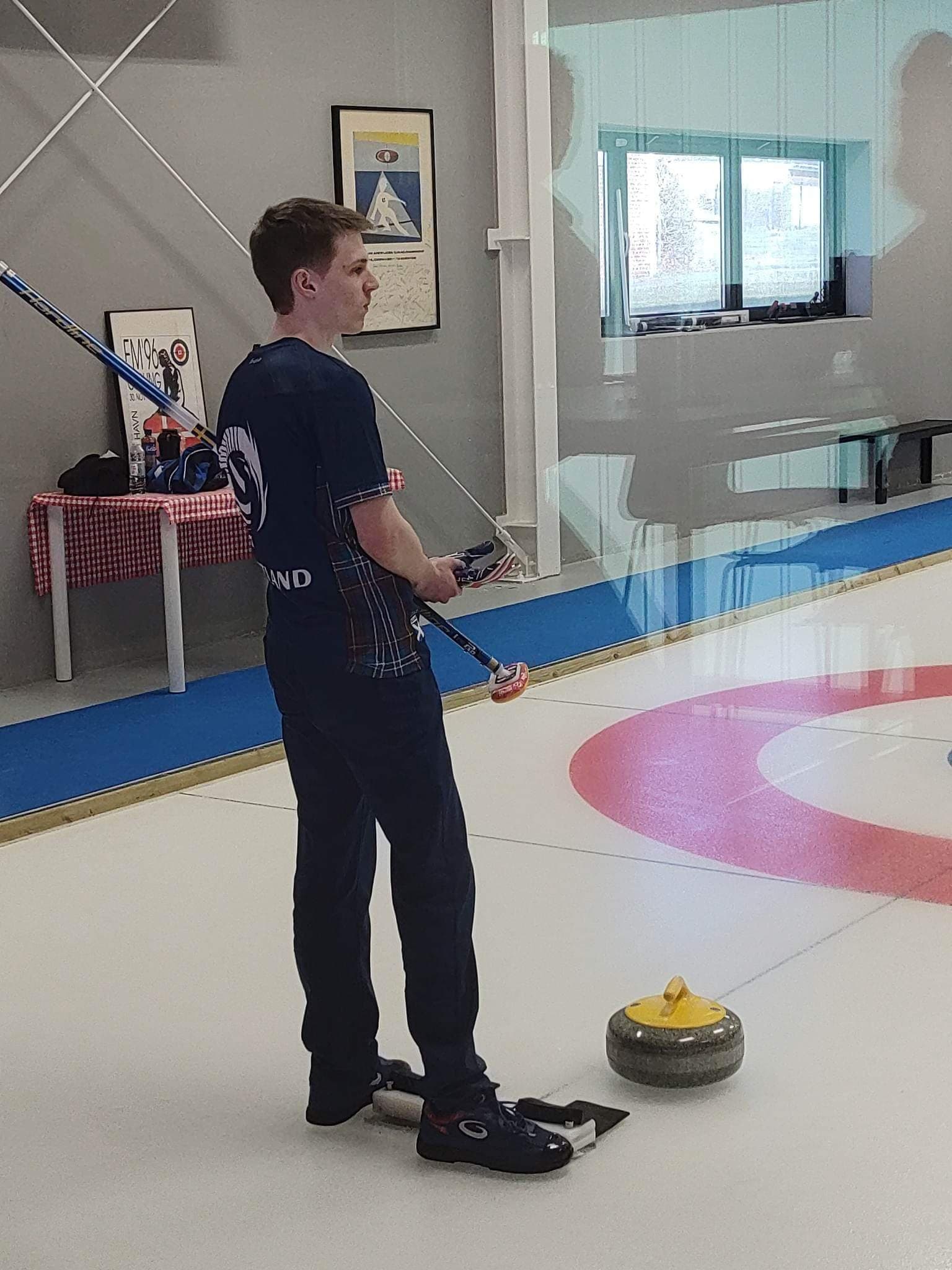
Curling
A tactical team sport of sliding polished stones down a sheet of ice toward a target, with teammates sweeping to guide them.
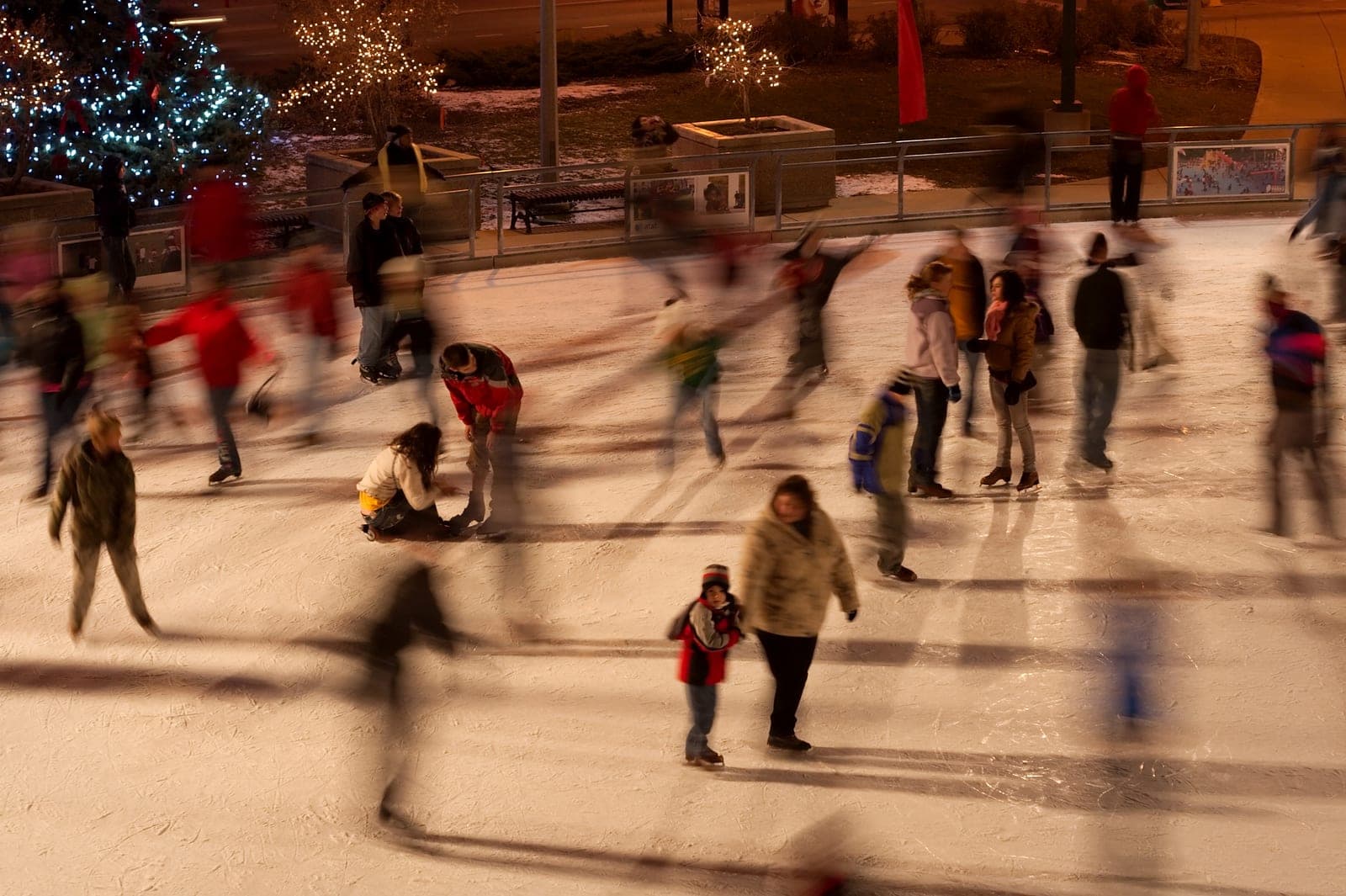
Ice Skating
A graceful winter activity of gliding across ice on skates, from casual laps to disciplined skating.
How it connects
The meaning-bearing relationships that place Ice in the wider knowledge graph — each one with the reason it exists.
Frequently learned together
Taught side by side in the same stage of a learning path.
Explore across the knowledge base
Follow the threads that connect Ice to the rest of SocialSportHub.
Equipment
Disciplines
- Long TrackLong track speed skating is contested on a 400-metre two-lane oval, with skaters usually racing in pairs and ranked mostly by their times.
- Short TrackShort track speed skating is contested on a compact oval of about 111 metres, where several skaters race together in a pack and finishing position decides the result.
- SinglesSingles is figure skating performed alone, with one skater presenting jumps, spins, and step sequences to music in separate men's and women's events.
- PairsPairs is skated by two partners who combine unison elements with lifts, throw jumps, twist lifts, and death spirals that are unique to the discipline.
- Ice danceIce dance is a couples discipline focused on rhythm, musical interpretation, and intricate footwork, without the throw jumps or overhead lifts of pairs.
Go deeper with Ice
Everywhere else on the platform that covers Ice — assembled from what actually references it, so nothing here is a dead end.
Learn it
Structured courses and paths on the platform that cover this directly.
How this page is maintained
- Content type
- Playing surface
- Provenance
- Tier A — evergreen educational
- Verified external sources
- 0
- Content updated
- 2026-09-12
Evergreen, first-party explanation — it makes no claim that needs an external source. How we handle sources and reviews.