
Player-to-coach communication
How a player shares information back to a coach — questions, how something felt, or a heads-up about availability — so coaching becomes a two-way exchange.
Overview
Player-to-coach communication is the return direction of the coaching relationship: a player telling a coach what they understood, how a drill or a niggle feels, or asking a question when something is unclear. It turns coaching from a one-way broadcast into a two-way exchange, and it often helps a coach adjust what they ask for next.
This is about sharing sport-relevant information — understanding, effort, comfort, availability — not personal counselling or therapy. What players feel able to say, and how, varies a great deal by sport, age, level and team culture, and it tends to grow as trust and shared language build over time.
How it works
- It is a player passing information back to a coach — questions, understanding, how something feels, or availability.
- It makes coaching two-way, helping a coach adjust rather than guess.
- Simple things help: asking when unclear, or flagging fatigue or a niggle early.
- It is about sport-relevant information, not personal counselling or therapy.
- What players feel able to say varies by sport, age, level and team culture, and grows with trust.
In practice
- In an individual sport like swimming or running, a player might tell a coach how a session felt so load can be adjusted.
- In team sports it may run through a captain, or happen in a quick word at training rather than mid-game.
- Younger or newer players often need more of an invitation to speak up than experienced competitive athletes.
Educational — and it varies
Where it shows up
Sports where this communication is especially visible — each with a clear guide.
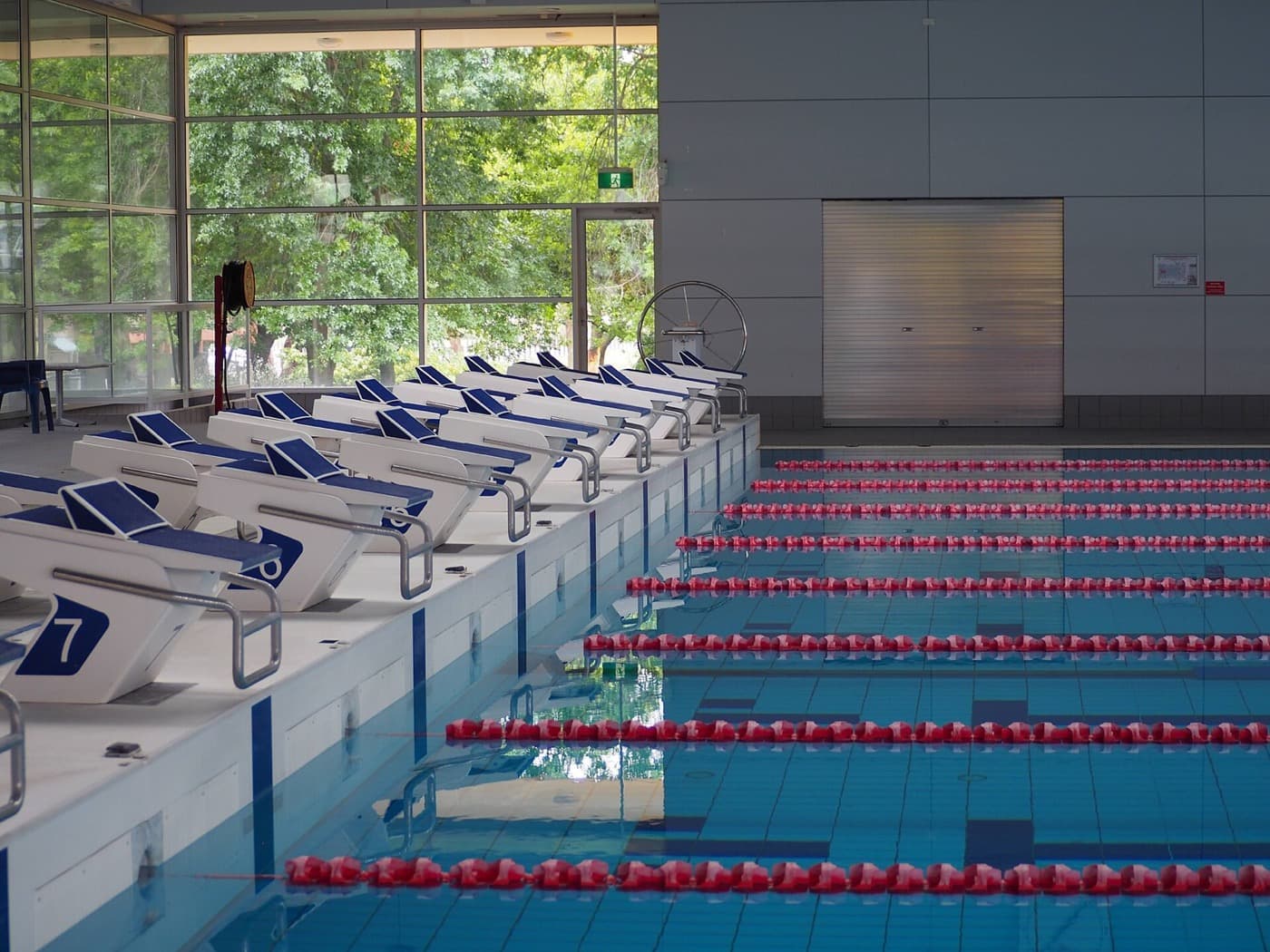
Swimming
A full-body, low-impact endurance sport suitable for almost every age and ability.

Running
The most accessible endurance sport — no venue, just shoes and the open road or trail.

Football
The world’s most popular team sport — endless running, teamwork and community in one game.
Frequently asked questions
Why does player-to-coach communication matter?
When a player tells a coach what they understood, how something feels, or when they are unavailable, the coach can adjust rather than guess, which tends to make sessions more useful. It is about sharing sport-relevant information rather than personal counselling, and how comfortable players are speaking up varies by sport, age, level and team culture.
Explore across the knowledge base
Follow the threads that connect Player-to-coach communication to the rest of SocialSportHub.
Coaching concepts
- Feedback and CueingFeedback from your senses, a coach, or video plus short instructional cues guide skill learning — including internal vs external focus of attention.
- Goal-Setting for PracticeSetting clear practice goals directs effort and makes progress visible — separating results-based outcome goals from controllable process goals.
Knowledge Atlas
Experience levels
How this page is maintained
- Content type
- Communication concept
- Provenance
- Tier A — evergreen educational
- Verified external sources
- 0
- Content updated
- 2026-07-12
Evergreen, first-party explanation — it makes no claim that needs an external source. How we handle sources and reviews.