
Goal-Setting for Practice
Setting clear practice goals directs effort and makes progress visible — separating results-based outcome goals from controllable process goals.
Overview
Goal-setting for practice is the habit of deciding, before a session begins, what that session is meant to accomplish and how success will be recognised. A widely used distinction separates outcome goals — results such as winning, ranking, or reaching a target score — from process goals, which describe the specific actions and qualities a performer can control, such as a particular technique cue, a movement pattern, or a level of focus during drills. Outcome goals can motivate and give long-range direction, but they depend partly on factors outside anyone's control, whereas process goals point directly at what to do in the next repetition.
Framing practice around process goals tends to keep attention on controllable behaviour, so effort is directed at the parts of performance most likely to improve with repetition. Clear goals also make progress visible: when a session has a defined focus, a performer and coach can tell whether that focus was met, rather than judging a whole practice by a vague sense of how it felt. In general, useful practice goals are specific enough to guide action, meaningful to the person training, and revisited over time as skill develops — with outcome goals providing direction and process goals shaping what happens in each session.
In practice
- Outcome versus process: outcome goals describe results (a score, a placing, a personal best), while process goals describe controllable actions and technique cues. Both have a role, but only process goals can be executed directly in the next repetition.
- Specific and observable goals help: naming a concrete focus — a footwork pattern, a contact point, a level of attention — is easier to act on and to review than broad intentions such as 'play better'.
- Directing effort: a defined session goal concentrates practice on one or two priorities, reducing scattered effort and clarifying which repetitions count toward improvement.
- Making progress visible: because a clear goal can be checked against what actually happened, it turns a session into feedback and supports simple progress tracking rather than relying on how practice felt.
- Revisiting and adjusting: practice goals are not fixed — as skills develop, process goals are updated and longer-range outcome goals are broken into nearer, more controllable steps.
A note on this information
What it applies to
Goal-Setting for Practice shapes how you develop these across the platform.
Sports where it matters
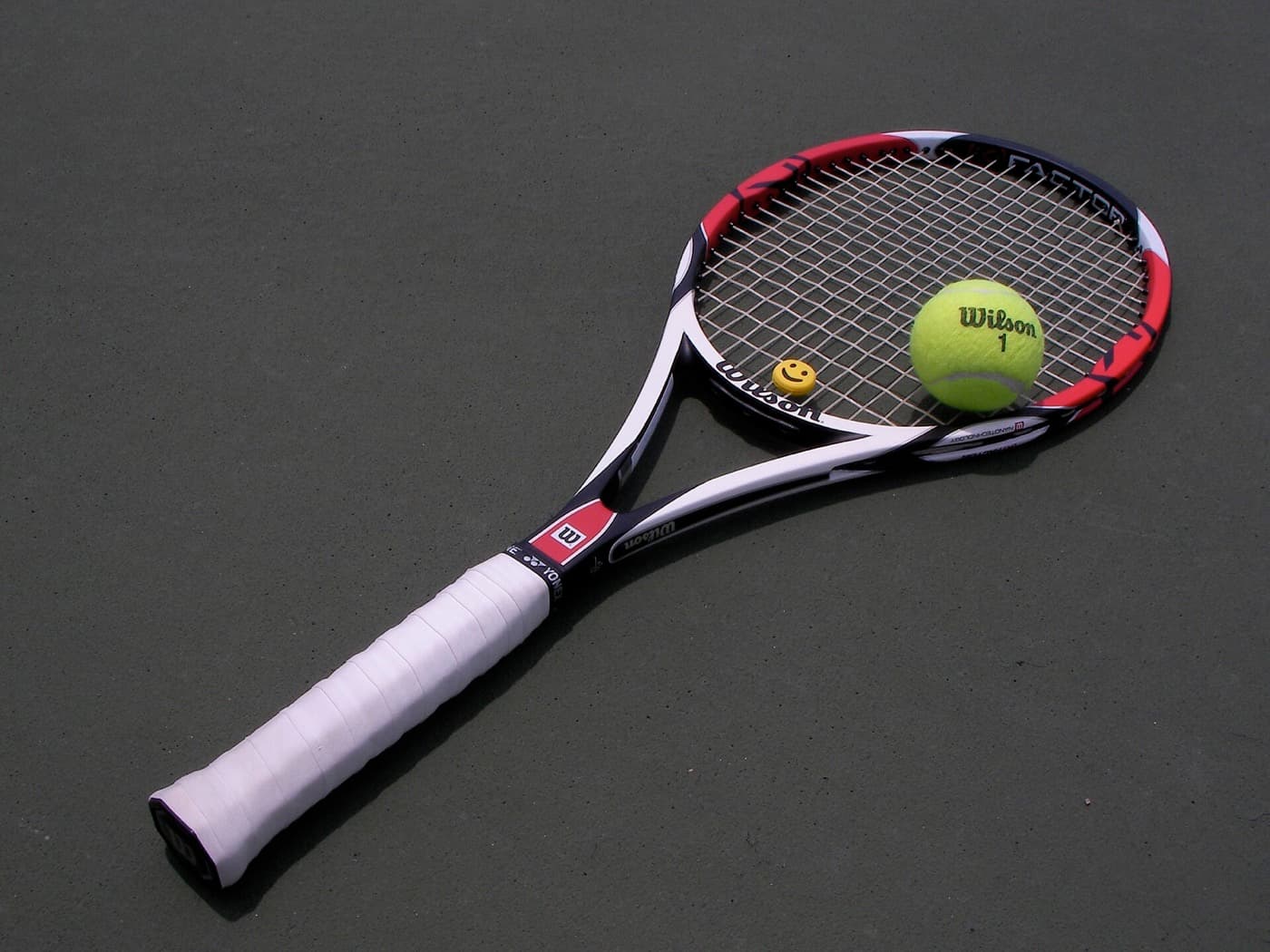
Tennis
A singles or doubles racquet sport that blends agility, strategy and stamina on court.
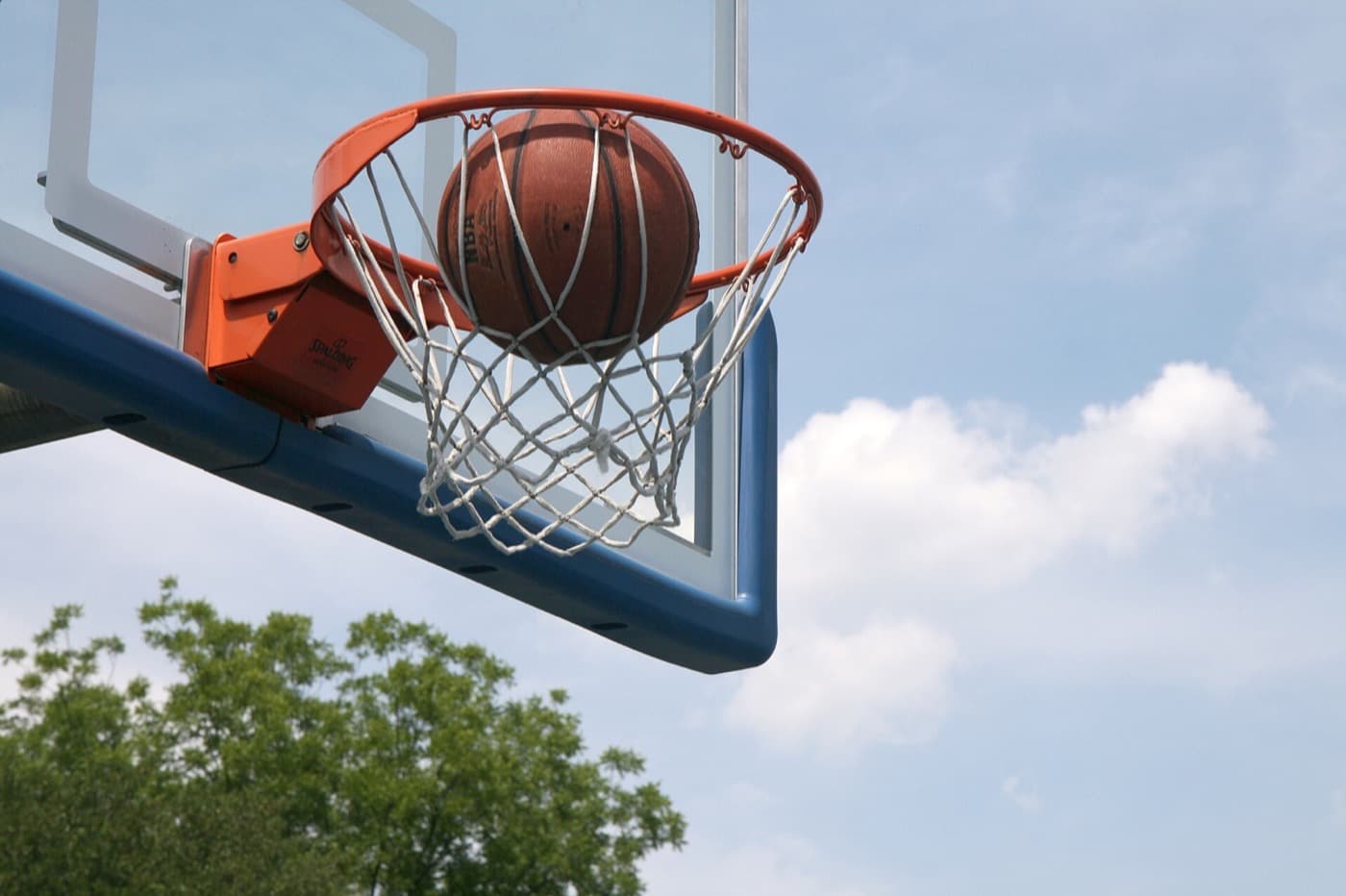
Basketball
A fast, dynamic team sport of running, jumping and quick decisions on court.

Running
The most accessible endurance sport — no venue, just shoes and the open road or trail.
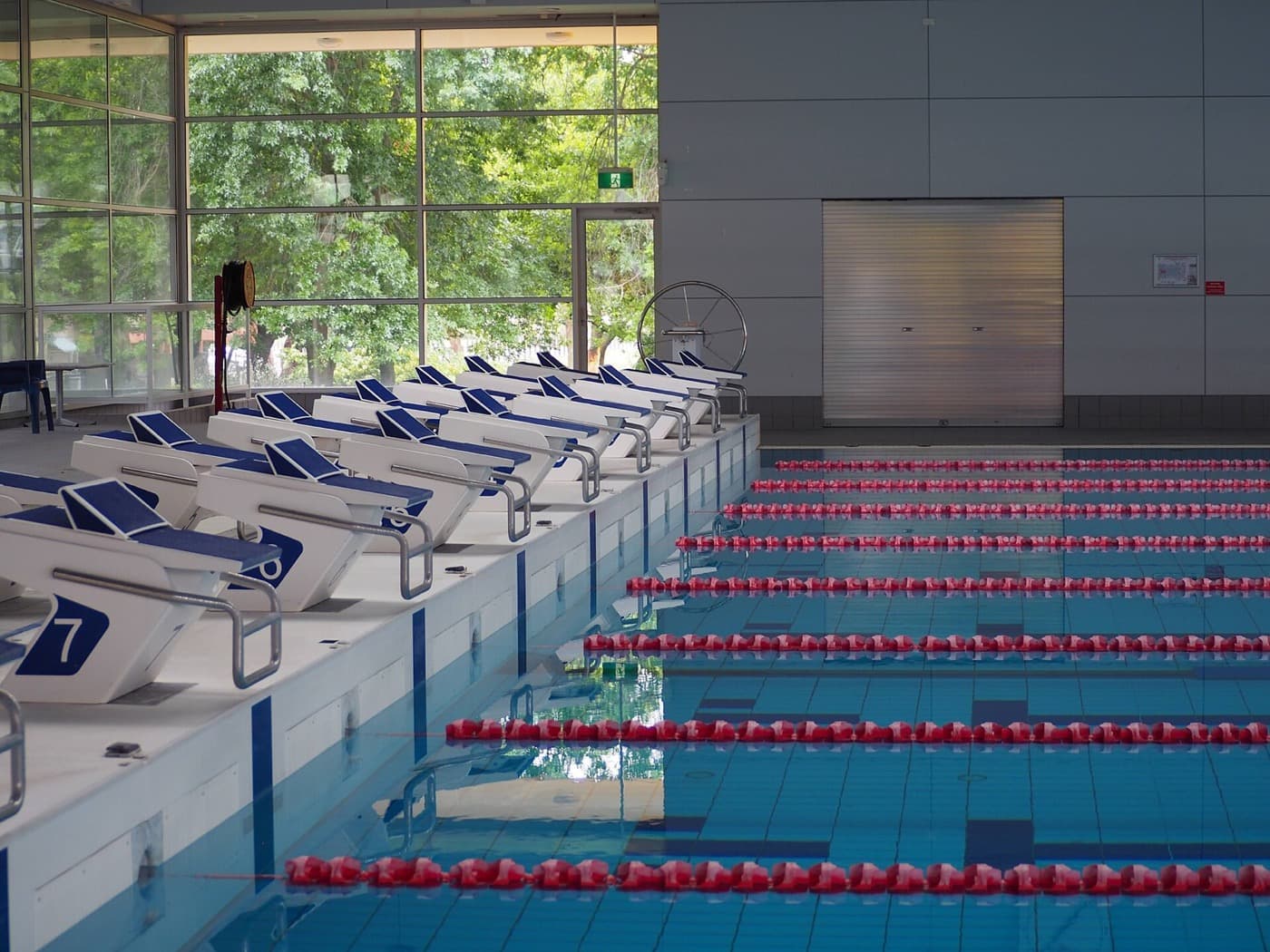
Swimming
A full-body, low-impact endurance sport suitable for almost every age and ability.
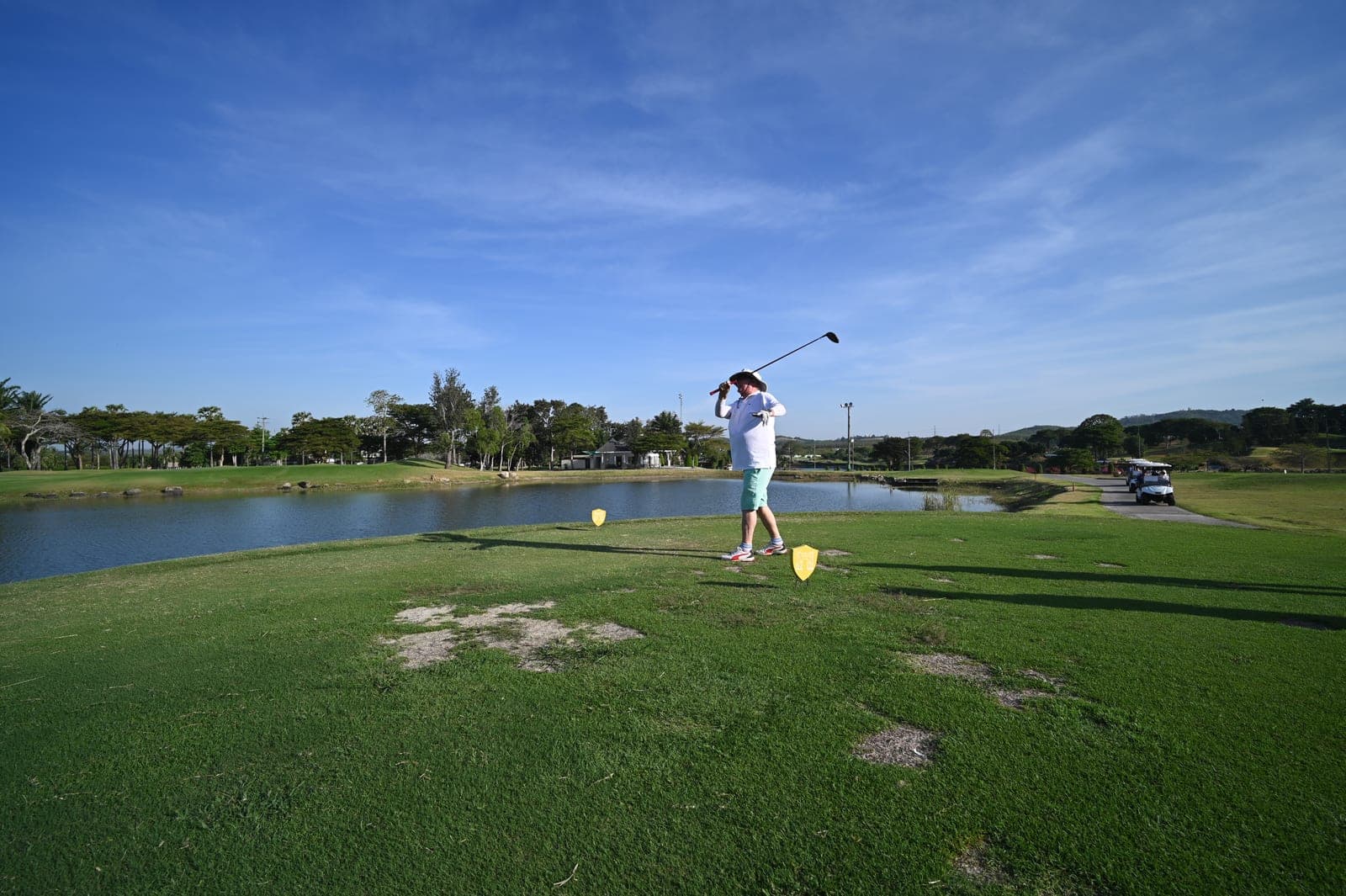
Golf
A precision target sport played across an outdoor course, blending skill, strategy and a long walk in the open air.
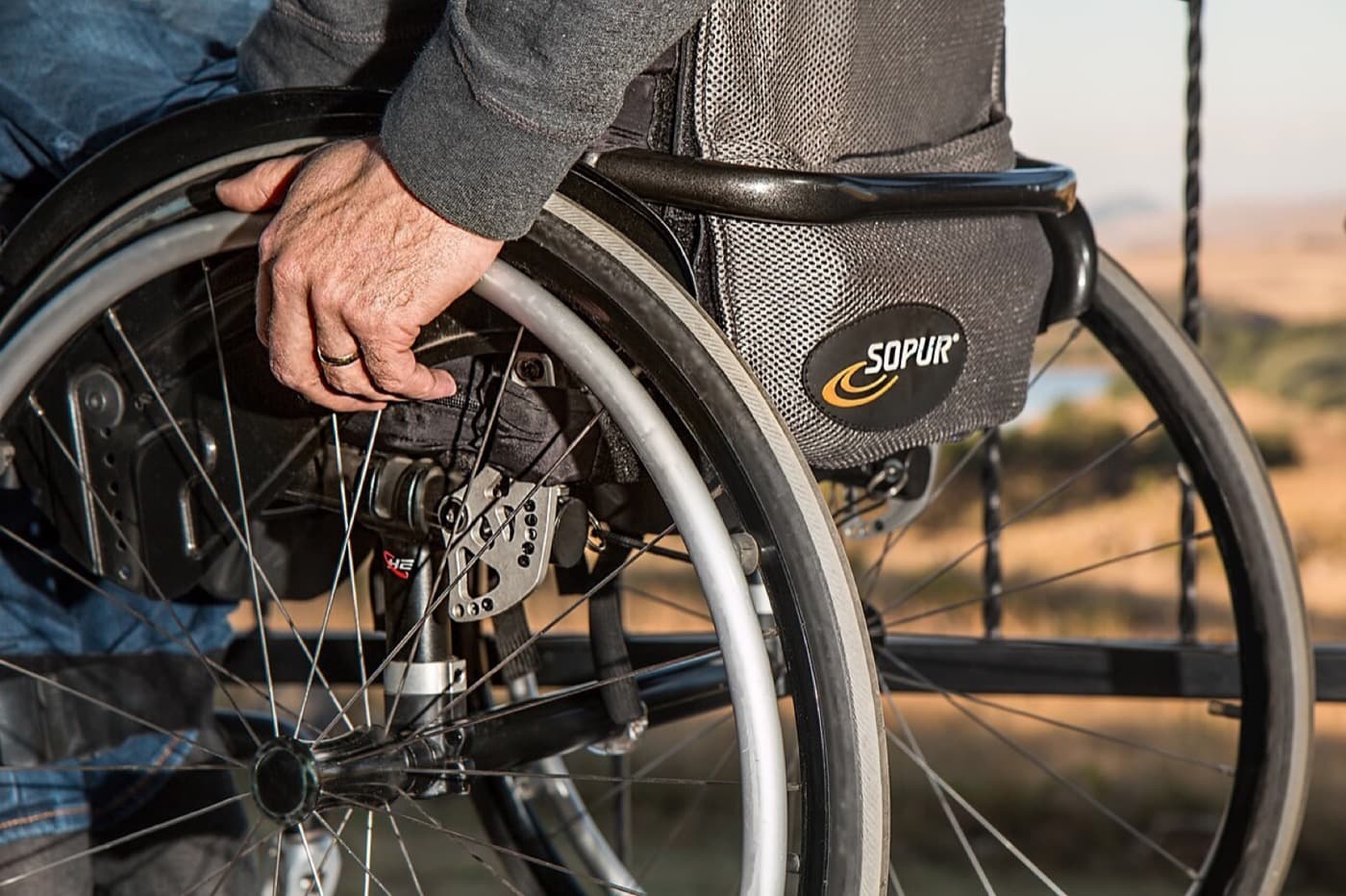
Cycling
A low-impact endurance sport that doubles as transport, exercise and adventure.
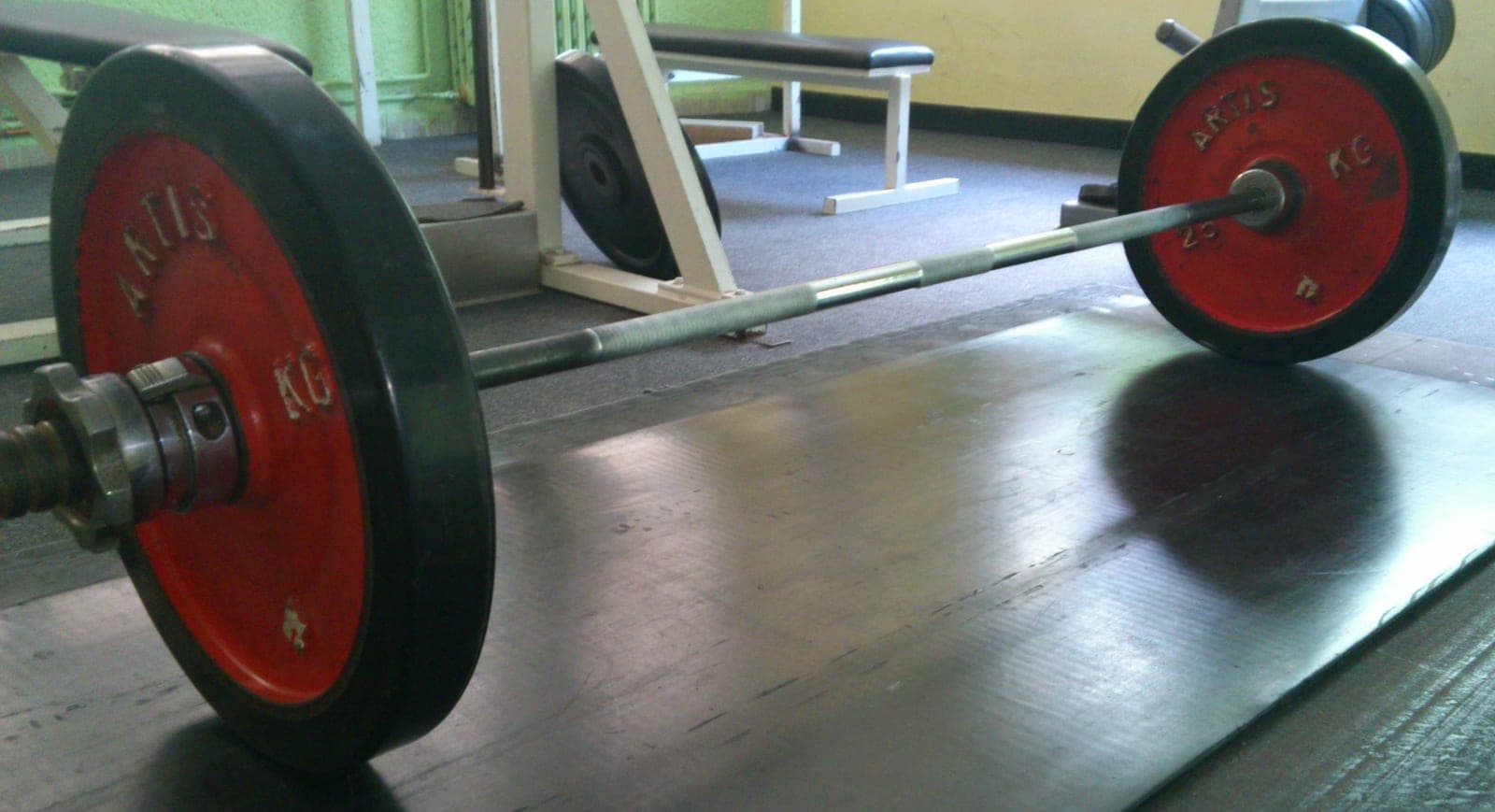
Weightlifting
A technical strength sport built around lifting a loaded barbell overhead with speed and control.
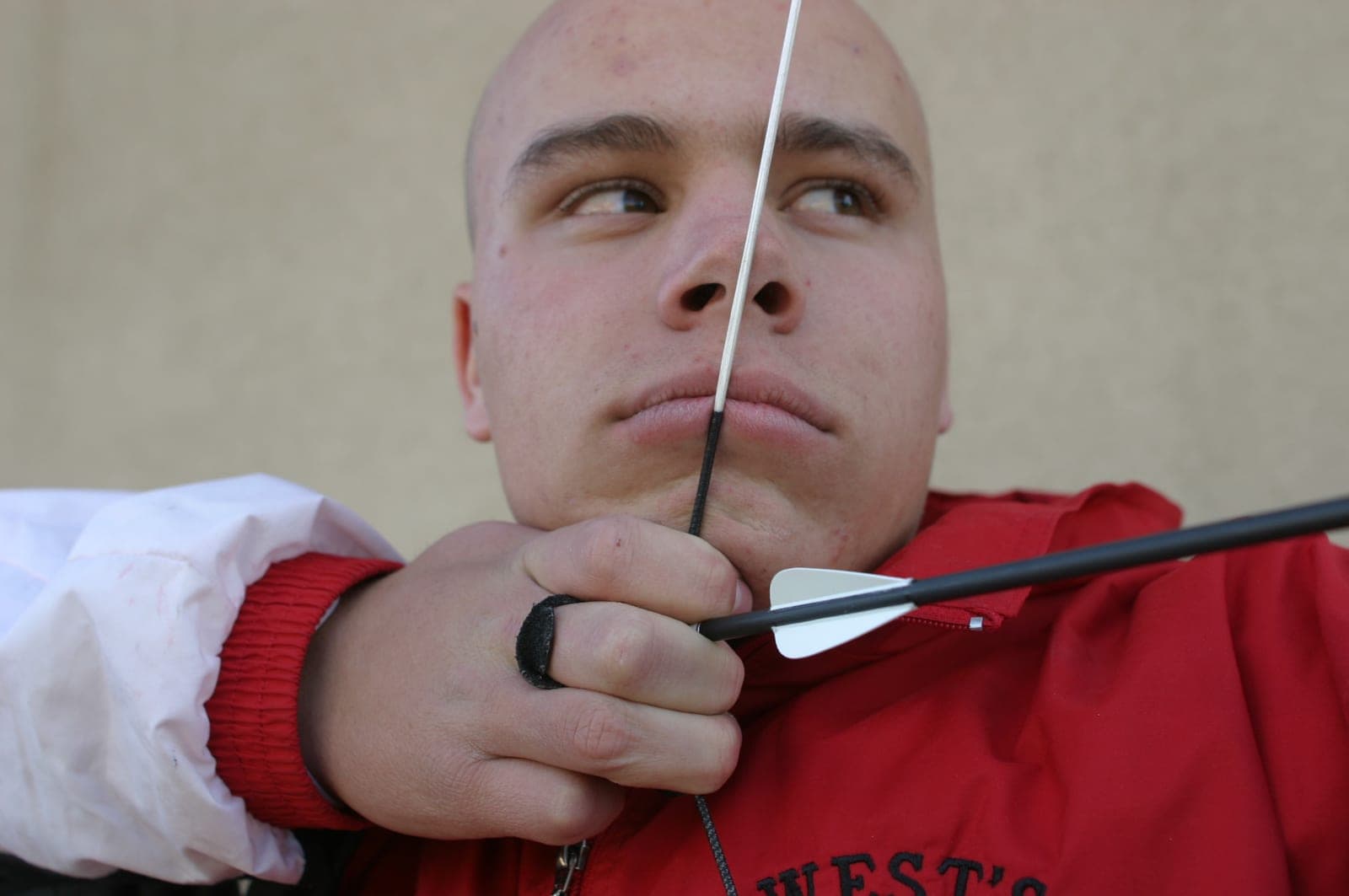
Archery
A precision target sport of drawing a bow and aiming at a target, rewarding focus, control and a steady hand.

Fitness
Strength and general fitness training — the foundation that supports every other sport.
Explore across the knowledge base
Follow the threads that connect Goal-Setting for Practice to the rest of SocialSportHub.
Barriers
- Low motivationWhen motivation is hard to find, the fix is rarely more willpower — it is making the activity smaller, easier and more enjoyable so starting is simple.
- Low confidenceWhen self-consciousness gets in the way, private or beginner-friendly settings and steady, visible progress help confidence grow through doing.
Motivations
- For a personal challengeWhen you play to set and reach goals, sports with visible progress and clear milestones give you something concrete to work towards.
- To get better at my sportWhen you already play and want to improve, structured practice, coaching concepts and targeted training turn effort into measurable progress.
Sports science
- Individual differencesThe idea that people respond to the same training differently — so what works well for one person may not suit another.
- Training adaptationThe process by which the body changes in response to repeated training — the underlying reason exercise makes you fitter, stronger or more skilful over time.
- Motor learningThe process by which practice and experience produce lasting improvements in how well a movement skill can be performed.
- Managing fatigue and loadThe educational idea of balancing how much training you do against how well you recover, so effort turns into progress rather than into excess fatigue.
Sports communication
- Player-to-coach communicationHow a player shares information back to a coach — questions, how something felt, or a heads-up about availability — so coaching becomes a two-way exchange.
- Post-match reflectionLooking back after play — as an individual or a group — to notice what happened and what to work on, calmly rather than in the heat of the moment.
Practice & sessions
- Individual practicePractising on your own — you set the focus, run the drills and work at your own pace, with no partner or coach present.
- Self-guided sessionA session you plan and run yourself, without a coach directing it — you decide the focus, set it up and rely on your own judgement.
- Match review sessionA session for looking back at a completed match — what worked, what didn't and why — to turn the experience into things to practise.
Goals
- Build healthy habitsUsing sport and routine to make regular activity a lasting part of everyday life.
- DisciplineBuild consistency, focus and self-discipline through the routines that sport and training encourage.
- Build confidenceUse sport and steady progress to feel more capable, comfortable and self-assured over time.
- Return to sportEasing back into activity after time away, a long break or a period off through injury.
How this page is maintained
- Content type
- Coaching concept
- Provenance
- Tier A — evergreen educational
- Verified external sources
- 0
- Content updated
- 2026-07-09
Evergreen, first-party explanation — it makes no claim that needs an external source. How we handle sources and reviews.