
Advanced
A high level of skill and fitness — progress becomes finer, more individual, and increasingly benefits from expert coaching.
Overview
An advanced player has strong skills, good sport-specific fitness and a real understanding of their activity. Gains at this level are smaller and harder-won than earlier on, and they become highly individual — the things that will move you forward are specific to you, your sport and your weaknesses. Refinement, consistency and smart training matter more than raw effort.
This is the stage where good coaching and careful planning earn their keep. Balancing hard work with adequate recovery, periodising training sensibly, and getting expert eyes on the fine details all help. Because the demands are higher, it is also where working with qualified coaches and professionals becomes genuinely valuable rather than optional.
What this stage looks like
- Gains are smaller, finer and highly individual at this level.
- Refinement and consistency matter more than raw effort.
- Balancing hard training with recovery becomes essential.
- Expert coaching adds real value for the fine details.
Getting started
- 1Get expert eyes on the details that are specific to you.
- 2Plan training sensibly, balancing hard work with recovery.
- 3Refine and sharpen rather than simply adding volume.
- 4Work with qualified coaches for individualised guidance.
Sports that suit this stage
Great places to start — each with a clear, beginner-friendly guide.
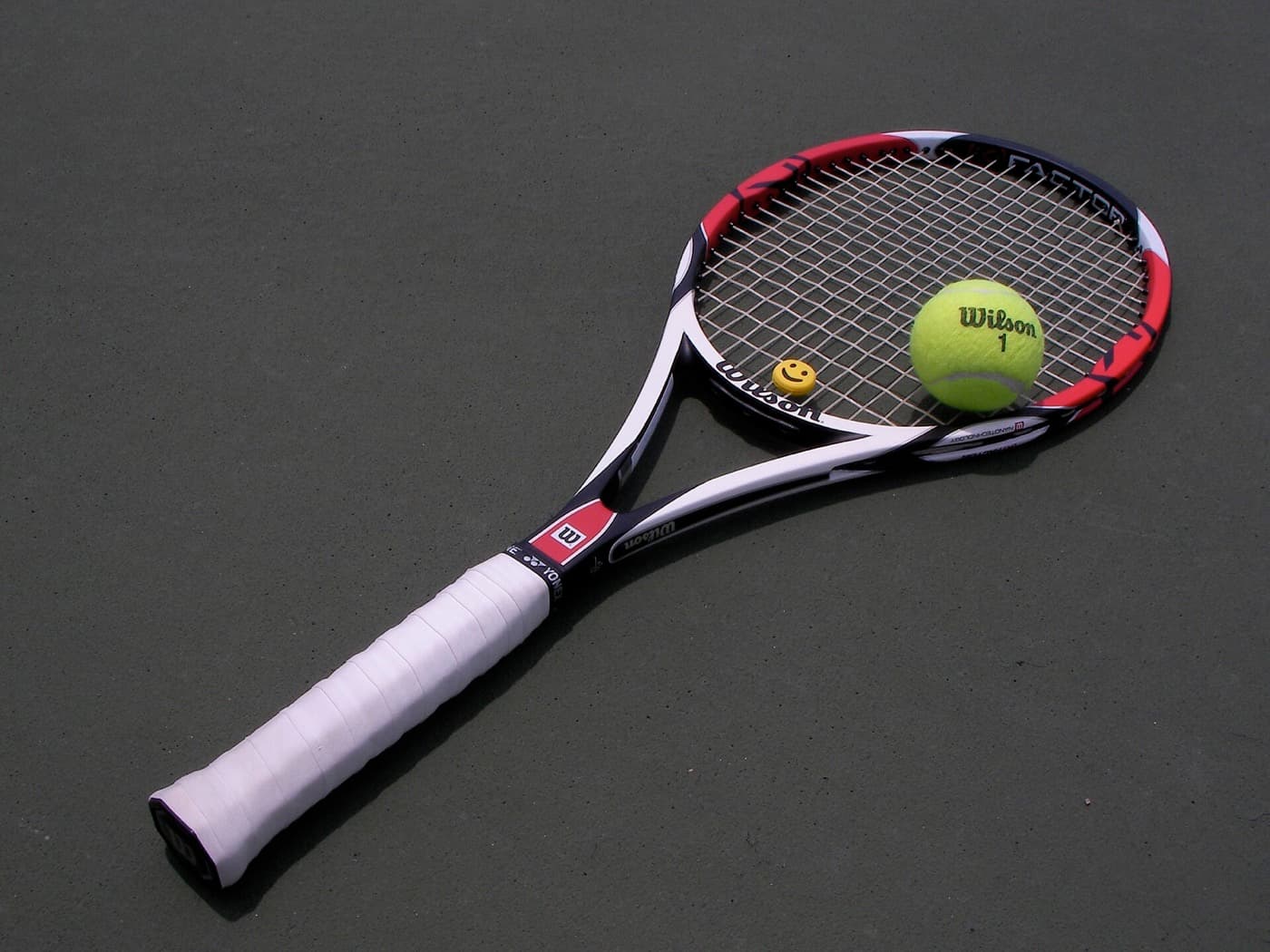
Tennis
A singles or doubles racquet sport that blends agility, strategy and stamina on court.

Badminton
A fast indoor racquet sport played with a shuttlecock that rewards agility and touch.

Football
The world’s most popular team sport — endless running, teamwork and community in one game.
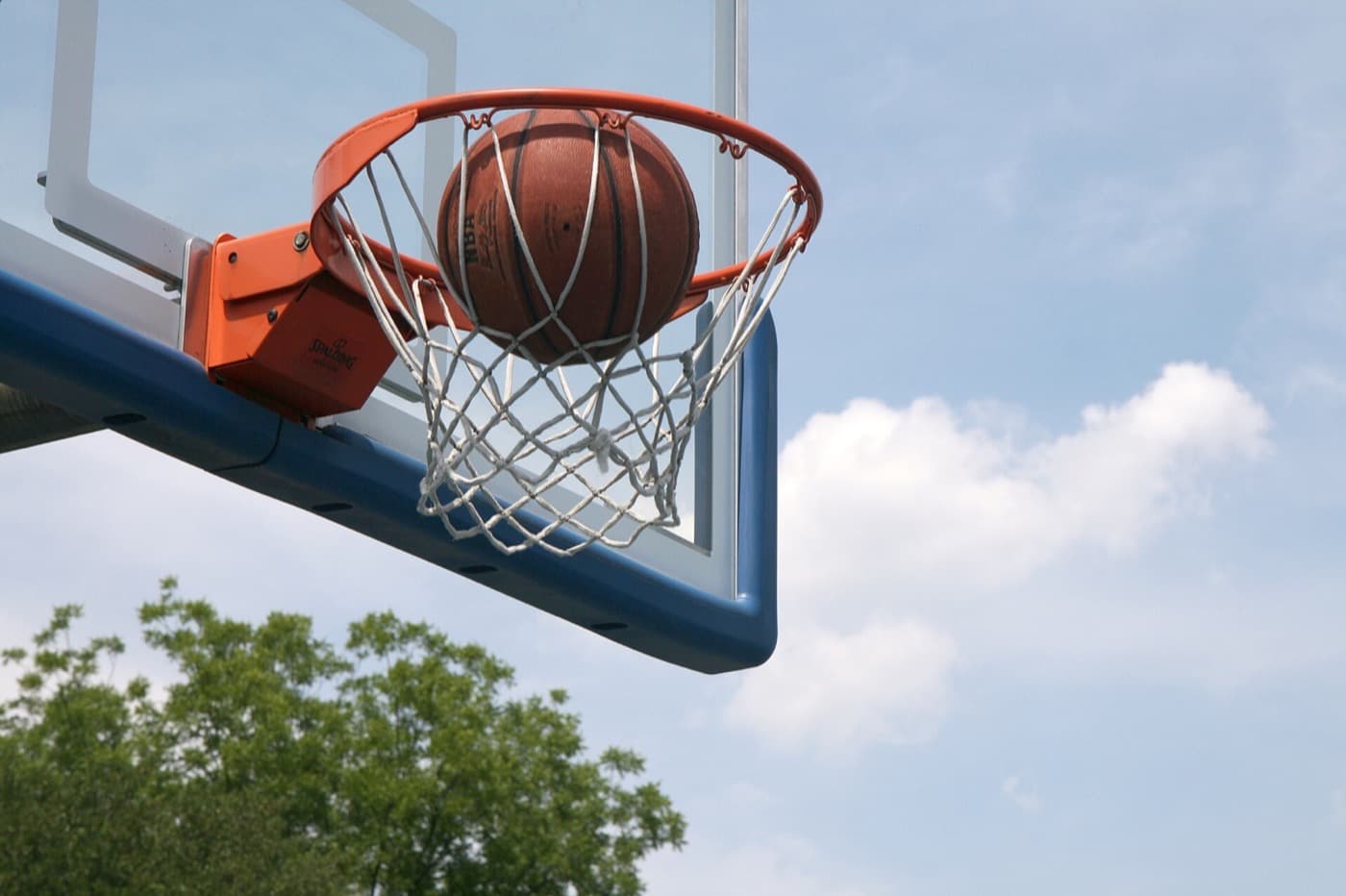
Basketball
A fast, dynamic team sport of running, jumping and quick decisions on court.

Running
The most accessible endurance sport — no venue, just shoes and the open road or trail.

Swimming
A full-body, low-impact endurance sport suitable for almost every age and ability.
Goals that fit
Improve reaction speed
Respond faster to what you see, hear and feel by training with fast, unpredictable activities and drills.
Improve fitness
Build well-rounded fitness — stamina, strength and more — through regular, varied activity you can keep up.
Discipline
Build consistency, focus and self-discipline through the routines that sport and training encourage.
Return to sport
Easing back into activity after time away, a long break or a period off through injury.
Ways to train
Exercises and methods that fit — educational, not a prescription.
Jump squat
An explosive squat variation where you spring off the floor at the top of the movement.
Deadlift
A hinge movement where you lift a weight from the floor by driving your hips forward to stand tall.
Hip thrust
A loaded hip-extension exercise with your upper back on a bench and a weight across the hips.
Kettlebell swing
A dynamic hinge where you swing a kettlebell to shoulder height using a snap of the hips.
Bench press
A pressing exercise lying on a bench, lowering a weight to the chest and pushing it back up.
Overhead press
A standing press that drives a weight from the shoulders to overhead until the arms lock out.
Frequently asked questions
What does it take to progress at an advanced level?
At an advanced level gains are small and individual, so progress comes from refinement, consistency and smart training rather than simply doing more. Balancing hard work with recovery and getting expert coaching on the details specific to you is what tends to move the needle.
Explore across the knowledge base
Follow the threads that connect Advanced to the rest of SocialSportHub.
Coaching concepts
- Deliberate PracticeFocused, effortful practice that targets a specific weakness with full attention and immediate feedback — not just repeating what you already do well.
- Transfer of TrainingWhether practice carries over to real performance — and why game-like, varied practice tends to transfer better than isolated, repetitive drills.
Sports science
- Individual differencesThe idea that people respond to the same training differently — so what works well for one person may not suit another.
- SupercompensationA widely taught model of how the body, after a bout of training and enough recovery, can rebuild to a slightly higher level than before.
- Managing fatigue and loadThe educational idea of balancing how much training you do against how well you recover, so effort turns into progress rather than into excess fatigue.
How this page is maintained
- Content type
- Your stage
- Provenance
- Tier A — evergreen educational
- Verified external sources
- 0
- Content updated
- 2026-07-09
Evergreen, first-party explanation — it makes no claim that needs an external source. How we handle sources and reviews.