
Feedback and Cueing
Feedback from your senses, a coach, or video plus short instructional cues guide skill learning — including internal vs external focus of attention.
Overview
Feedback is the information a performer receives about a movement and its result. Some of it is intrinsic — the sensations that arise naturally from doing the action, such as what a swing feels like, where the limbs sit in space, and what the eyes and ears pick up. The rest is augmented, meaning it is added by an outside source: a coach's comment, a video replay, a mirror, a training partner, or a measurement. Augmented feedback is often split into knowledge of results, which describes the outcome such as whether the ball reached the target, and knowledge of performance, which describes the quality or form of the movement itself. Both kinds let a learner compare what they actually did with what they intended and adjust the next attempt.
A cue is a short instructional prompt that directs attention to one key feature of a movement. Because attention and working memory are limited, brief cues of only a few words tend to be more useful than long explanations, and giving one cue at a time is generally more effective than a list of corrections. Cues also shape the focus of attention. An internal focus points attention at the body itself ("bend the elbow", "squeeze the shoulder blades"), while an external focus points it at the effect of the movement on the environment, an implement, or a target ("push the floor away", "send the ball through the gap"). A widely reported general idea in coaching is that an external focus tends to produce more automatic, efficient movement and better retention, though some explicit guidance can help when a skill is entirely new. How feedback is delivered matters too: constant feedback can speed early performance but breed dependence, so it is commonly faded, summarised across several attempts, or delayed so the learner first tries to sense and correct their own error.
In practice
- Two sources of feedback: intrinsic feedback comes from the performer's own senses — sight, sound, and the feel of the movement — while augmented feedback is added from outside by a coach, a video, a mirror, a partner, or a measurement.
- Outcome versus form: knowledge of results describes what happened (did the shot go in), while knowledge of performance describes how the movement was made; both let the learner compare intention with reality and adjust the next try.
- Keep cues short and singular: a few well-chosen words aimed at one key feature usually work better than long instructions, because attention and working memory can only hold so much at once.
- Focus of attention: an internal focus attends to the body ("snap the wrist"), while an external focus attends to the movement's effect on a target or implement ("aim through the ball") — the external focus is widely reported to encourage more automatic, effective movement.
- How often, not just what: frequent feedback can lift performance in the moment but create dependence, so it is often faded, summarised, or delayed to let the learner sense and correct their own errors, which tends to support longer-term learning.
A note on this information
What it applies to
Feedback and Cueing shapes how you develop these across the platform.
Techniques
Movement patterns
Training methods
For people
Sports where it matters
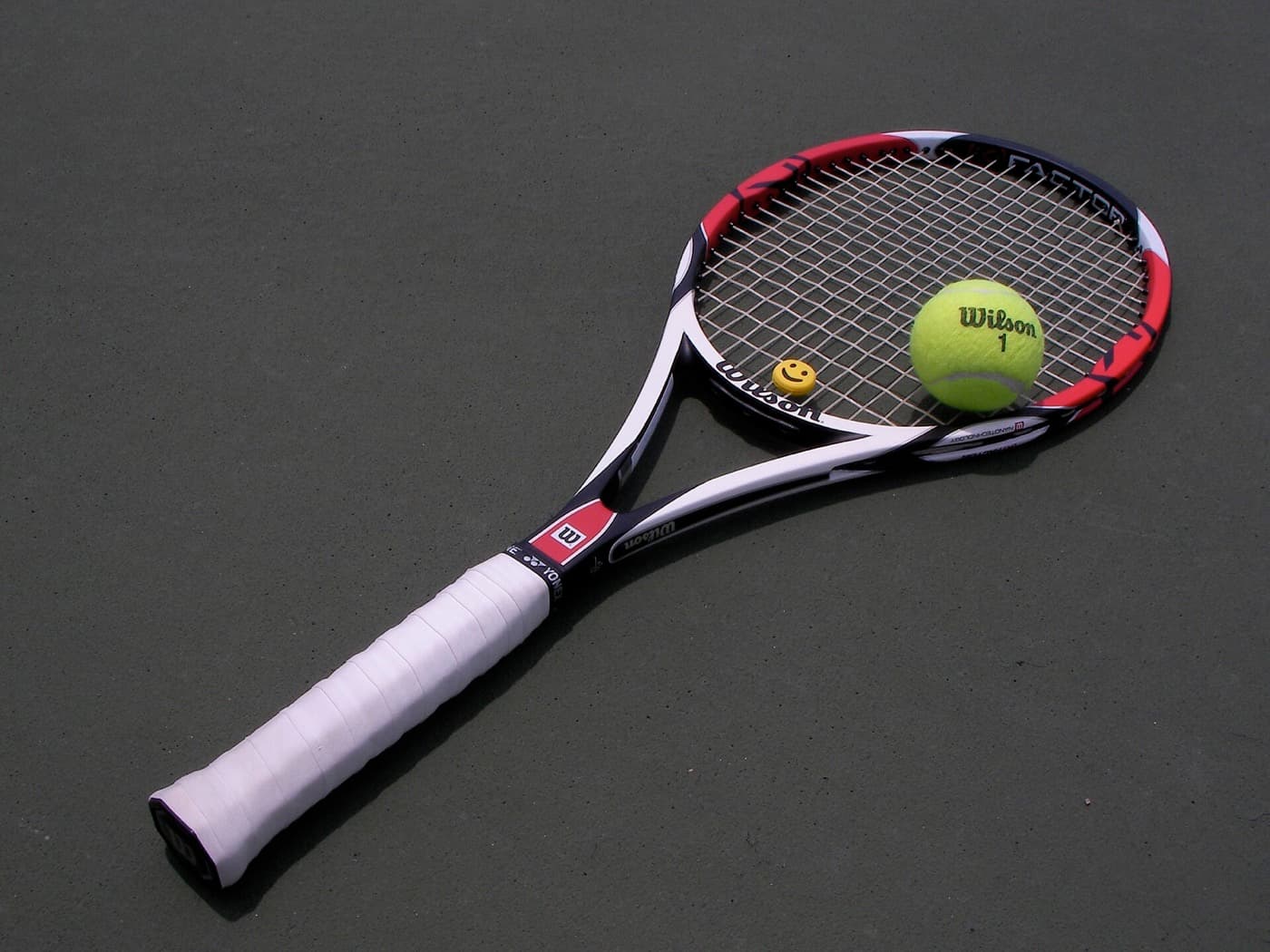
Tennis
A singles or doubles racquet sport that blends agility, strategy and stamina on court.
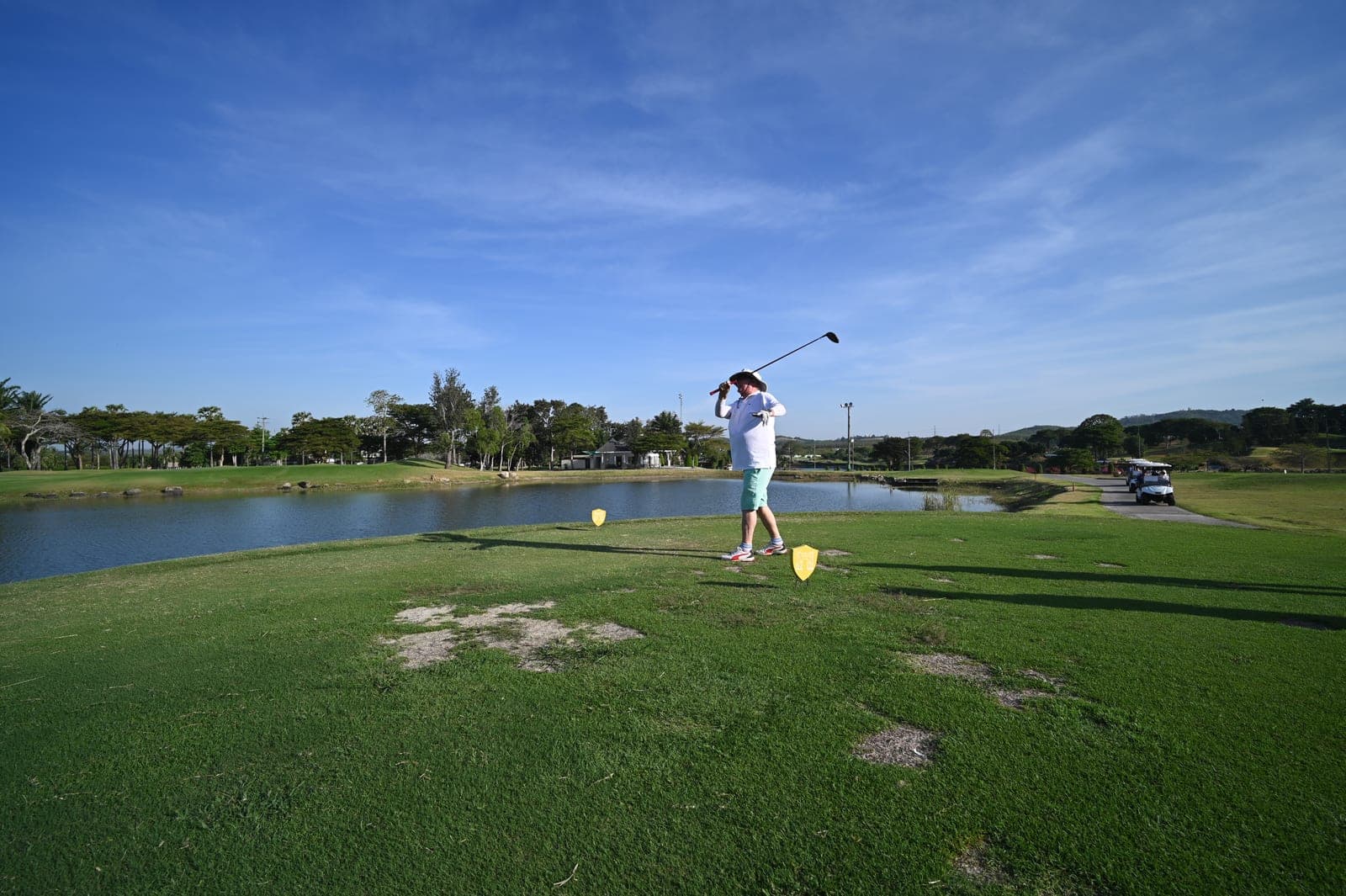
Golf
A precision target sport played across an outdoor course, blending skill, strategy and a long walk in the open air.
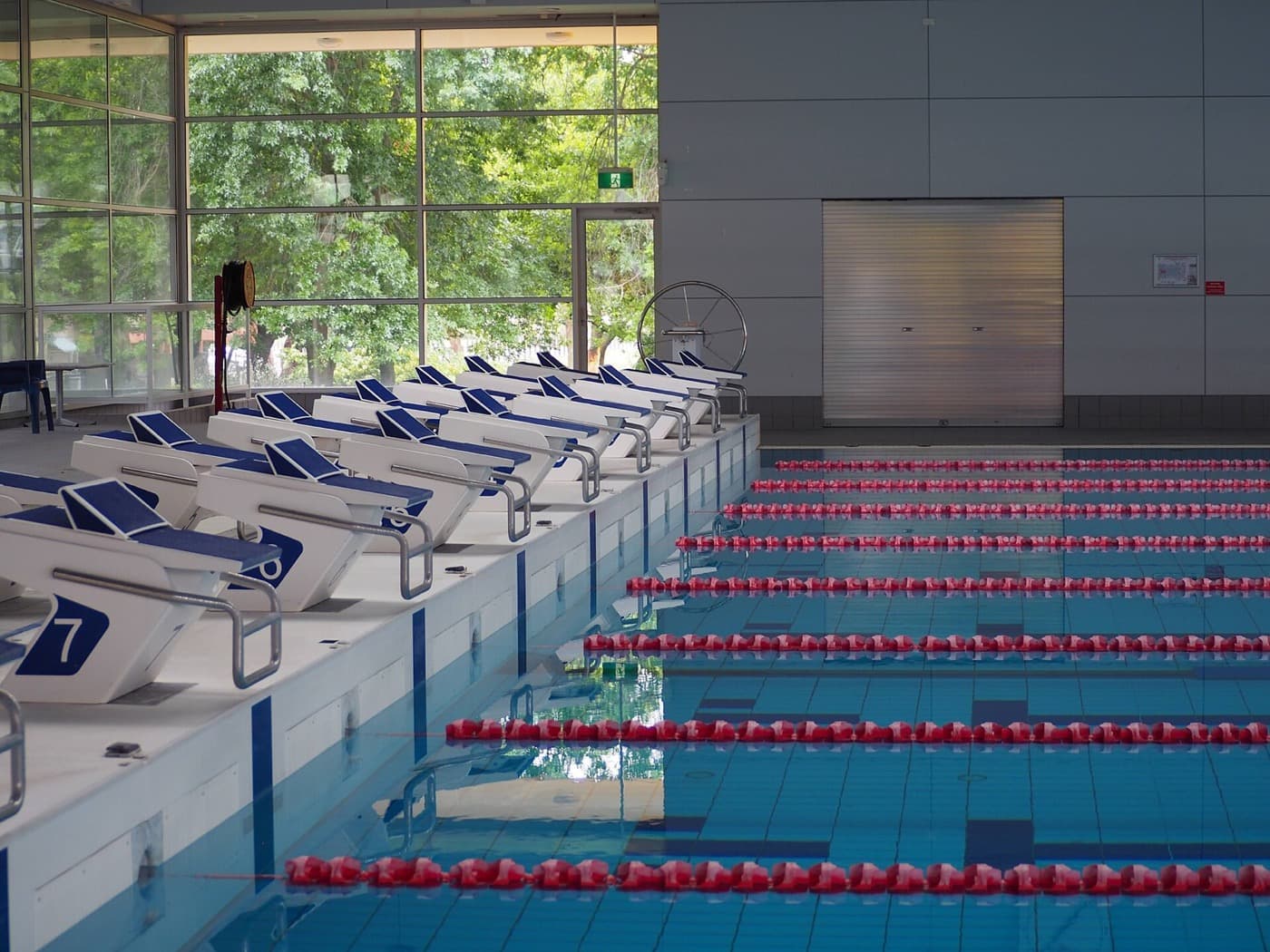
Swimming
A full-body, low-impact endurance sport suitable for almost every age and ability.

Basketball
A fast, dynamic team sport of running, jumping and quick decisions on court.
Football
The world’s most popular team sport — endless running, teamwork and community in one game.
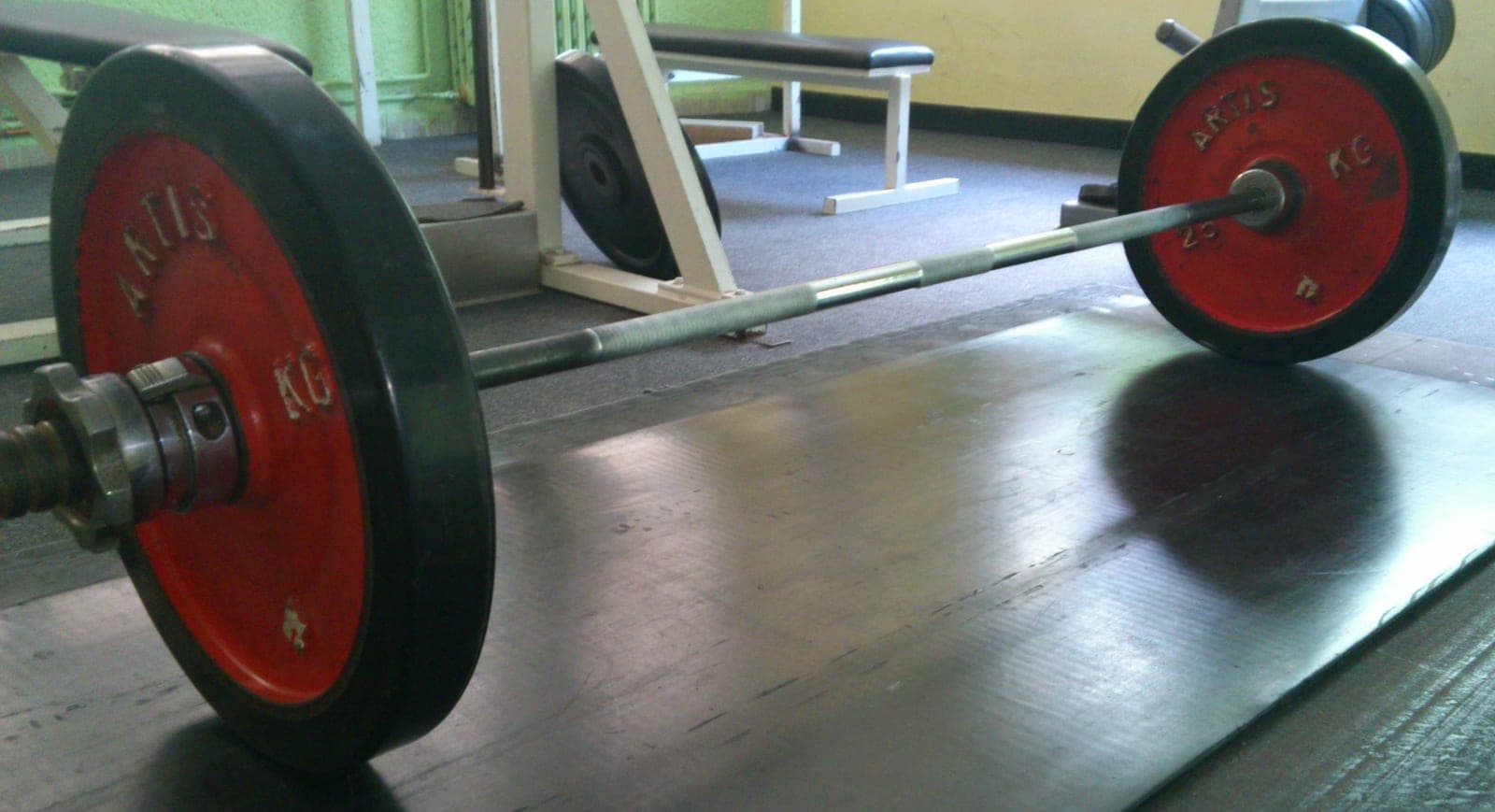
Weightlifting
A technical strength sport built around lifting a loaded barbell overhead with speed and control.

Running
The most accessible endurance sport — no venue, just shoes and the open road or trail.
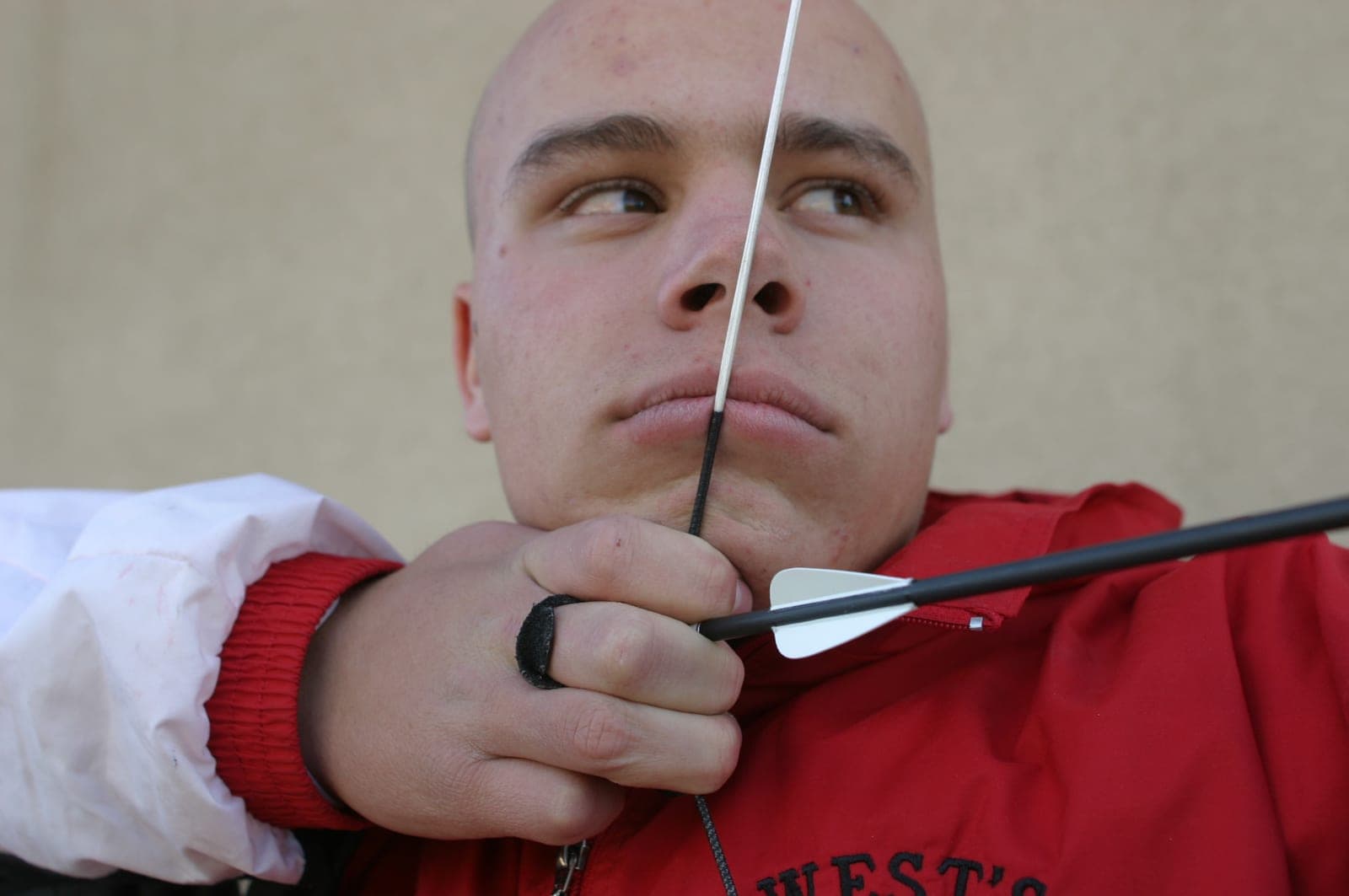
Archery
A precision target sport of drawing a bow and aiming at a target, rewarding focus, control and a steady hand.
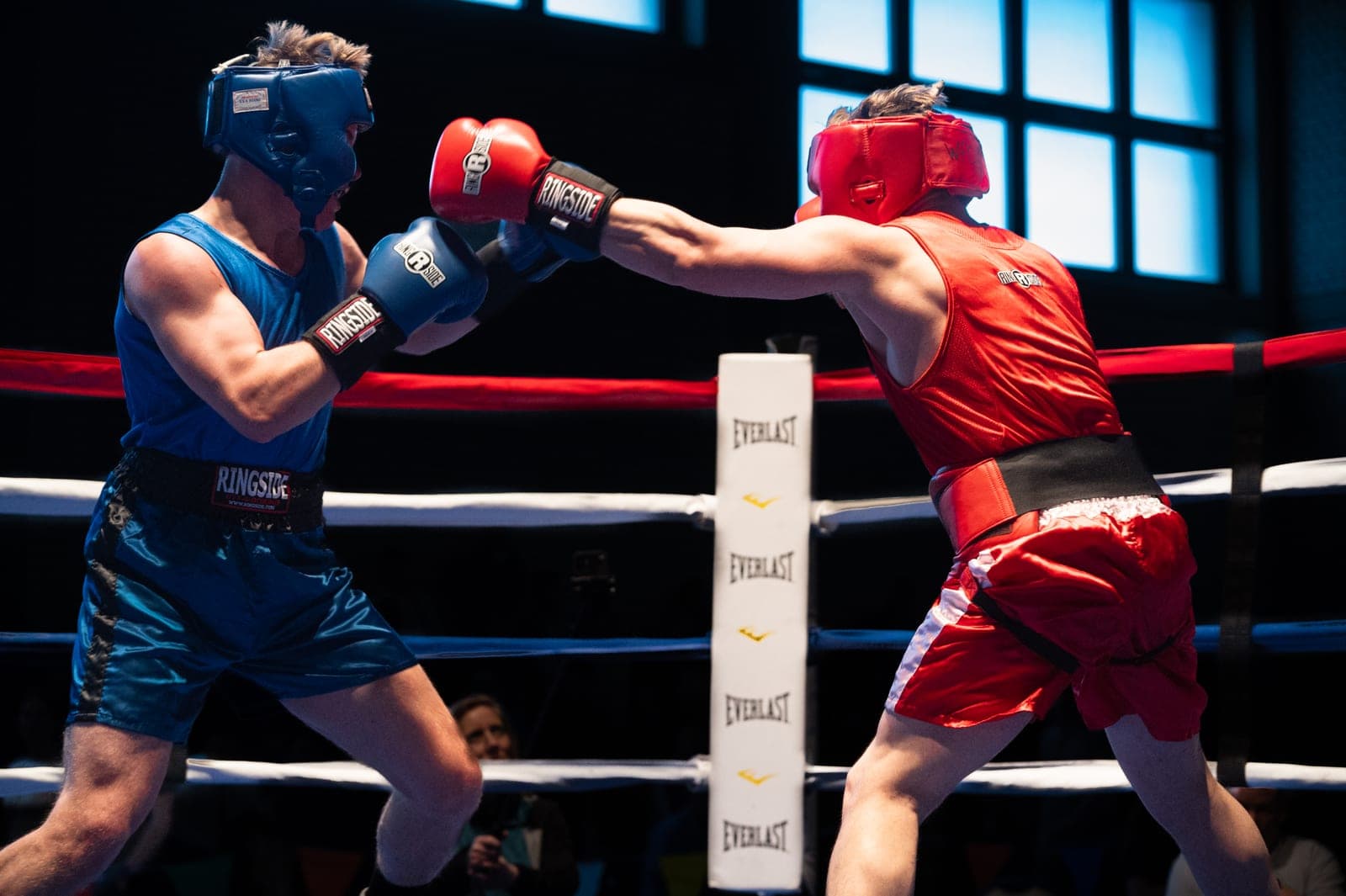
Boxing
A striking combat sport built on footwork, timing and conditioning, practised from fitness drills to controlled sparring.

Fitness
Strength and general fitness training — the foundation that supports every other sport.
Explore across the knowledge base
Follow the threads that connect Feedback and Cueing to the rest of SocialSportHub.
Skills
- Running formThe skill of running with efficient, relaxed and balanced movement, so that more of the effort you put in goes into travelling forward.
- ServingThe skill of putting the ball or shuttle into play to start a point or rally.
- Ball controlThe skill of receiving and settling the ball quickly so it is ready to use.
- FootworkThe skill of moving efficiently around the playing area to be in position for each shot or action.
Sports science
- The kinetic chainThe idea that the body’s segments work as a linked chain, passing force from the ground up through the hips, trunk and limbs.
- Motor learningThe process by which practice and experience produce lasting improvements in how well a movement skill can be performed.
- Motor controlHow the brain and nervous system organise the muscles to produce coordinated, controlled movement.
- ProprioceptionThe body’s internal sense of where its parts are and how they are moving — the awareness behind balance and coordinated movement.
Sports communication
- Leadership communicationHow players who lead — captains or not — communicate to organise, encourage and give direction, drawing teammates into a shared plan.
- Shared terminologyA common vocabulary — agreed words, calls and play names — so a single word means the same thing to everyone on the team.
- Teammate feedbackPlayers giving each other useful, respectful feedback as peers — encouragement, quick corrections and honest reads — distinct from a coach's feedback.
- Active listeningGenuinely taking in what a teammate or coach is communicating — not just hearing it — so the message actually lands.
- Coach-to-player feedbackHow a coach shares usable information with a player about what they did and what to try next — usually specific, well timed and focused on one thing at a time.
Practice & sessions
- Coached sessionA session led by a coach, who sets the focus, gives feedback and shapes the practice around what you need.
- Technical sessionA session built around technique — grooving and refining the mechanics of how a movement or shot is executed.
- Video analysis sessionA session that uses recorded footage to slow play down and see clearly what happened — technique, positioning and decisions — as a basis for feedback.
- Beginner orientation sessionA gentle first session for someone completely new — an introduction to the basics, the setting and the equipment, with a relaxed first go.
- Individual practicePractising on your own — you set the focus, run the drills and work at your own pace, with no partner or coach present.
Movement patterns
- GlideGlide is continuous, low-resistance locomotion in which the body holds a streamlined shape so that momentum generated by a preceding propulsive action carries it smoothly across a surface or through a medium.
- LandingThe controlled absorption of force at ground contact that ends an airborne phase, dissipating impact through eccentric triple flexion of the ankle, knee and hip.
- PivotA rotation of the body about one planted foot, reorienting the trunk and hips around a vertical axis without travelling to a new location.
- StrikeA ballistic, whole-body hitting action that channels ground-generated force through a proximal-to-distal kinetic chain to deliver momentum to a target via the hand, an implement or a body part at the moment of contact.
- ThrowPropelling an object by releasing it from the hand, driven by a proximal-to-distal kinetic-chain sequence that summates speed from the legs through the trunk and arm to the release point.
How this page is maintained
- Content type
- Coaching concept
- Provenance
- Tier A — evergreen educational
- Verified external sources
- 0
- Content updated
- 2026-07-09
Evergreen, first-party explanation — it makes no claim that needs an external source. How we handle sources and reviews.