
Competitive athletes
How the platform fits someone who trains and plays to compete — structured, goal-directed preparation with coaching and recovery central.
Overview
A competitive athlete trains with a purpose beyond general fitness: to perform in matches, races or contests. Sessions are structured and goal-directed, built around events and organised over weeks and months so that fitness and skill peak when they need to. Recovery, consistency and planning are treated as part of the work rather than extras.
At this level the details are individual and the value of qualified coaching is high. The platform connects the pieces — skills, tactics, physical qualities, training methods and coaching concepts — but personalised planning and the specifics of hard training belong with a qualified coach who knows the athlete and the sport.
What works
- Training is structured and goal-directed around events.
- Fitness and skill are planned to peak at the right time.
- Recovery and consistency are part of the preparation, not extras.
- Individual details are best guided by a qualified coach.
Getting started
- 1Set your key events and plan training backwards from them.
- 2Balance hard training with genuine recovery.
- 3Work on the specific skills and qualities your sport demands.
- 4Use qualified coaching to individualise the plan.
Sports that fit
Great places to start — each with a clear, beginner-friendly guide.
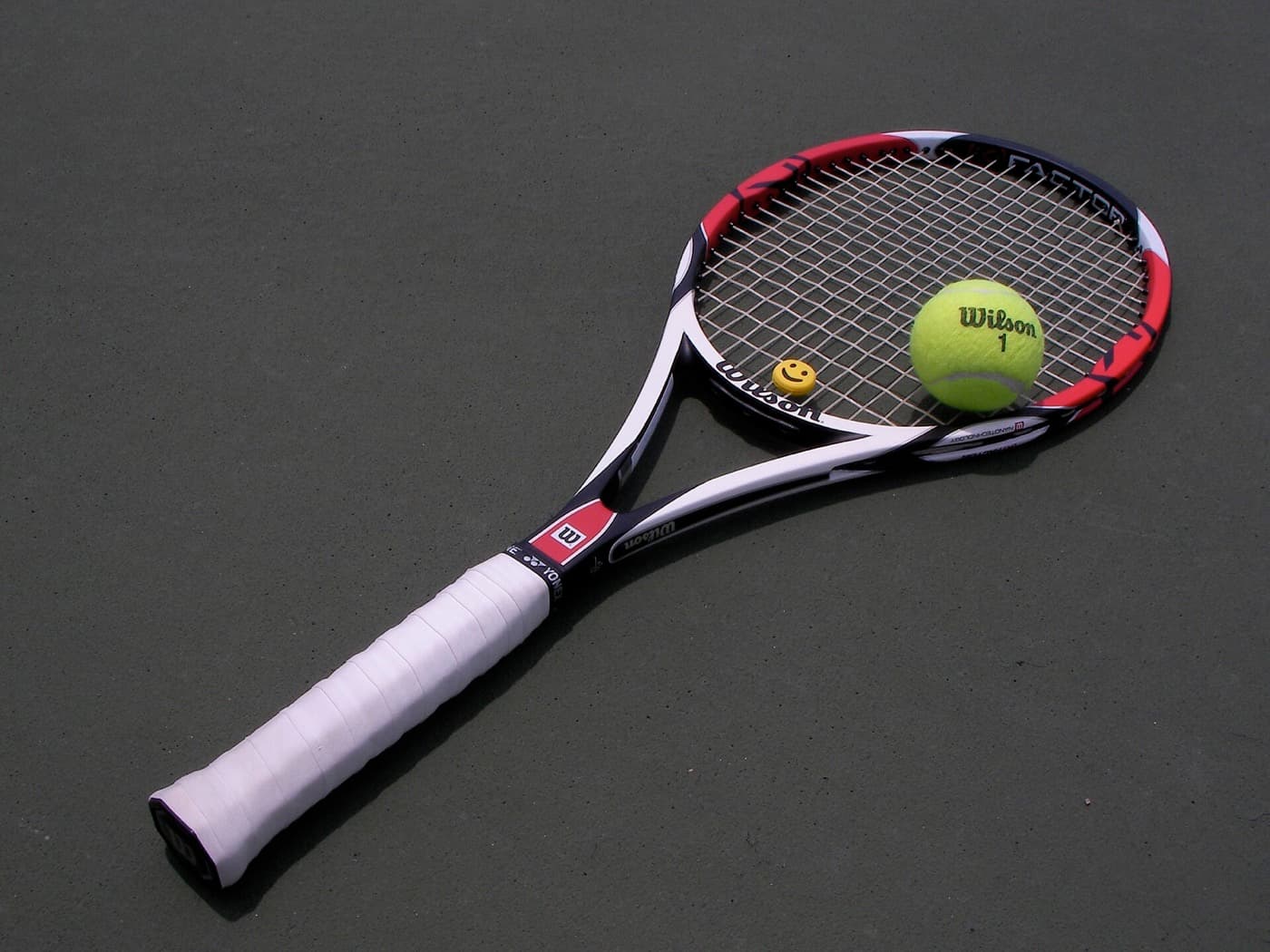
Tennis
A singles or doubles racquet sport that blends agility, strategy and stamina on court.
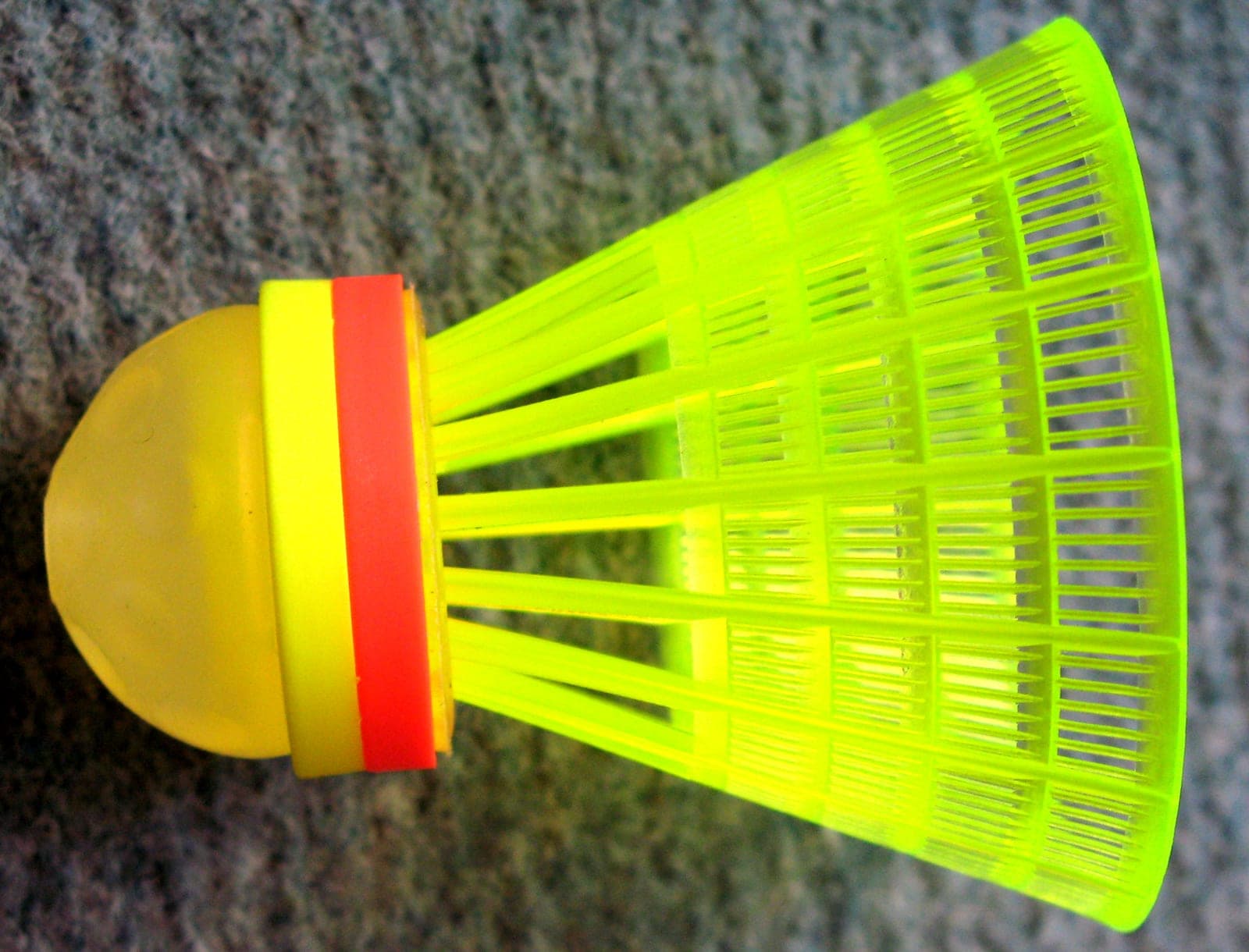
Badminton
A fast indoor racquet sport played with a shuttlecock that rewards agility and touch.
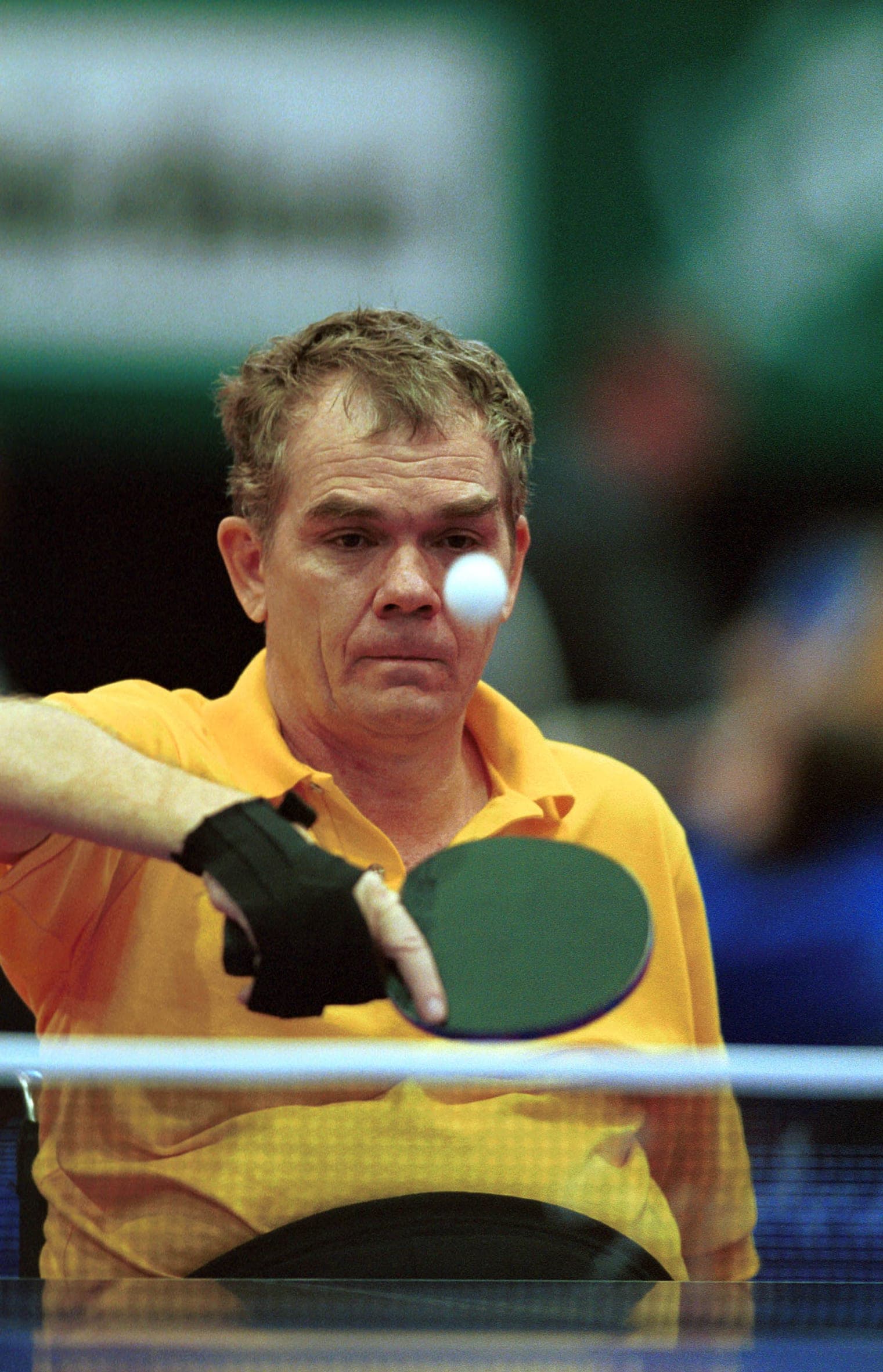
Table Tennis
A fast, low-impact indoor racquet sport that sharpens reflexes and is easy to start.
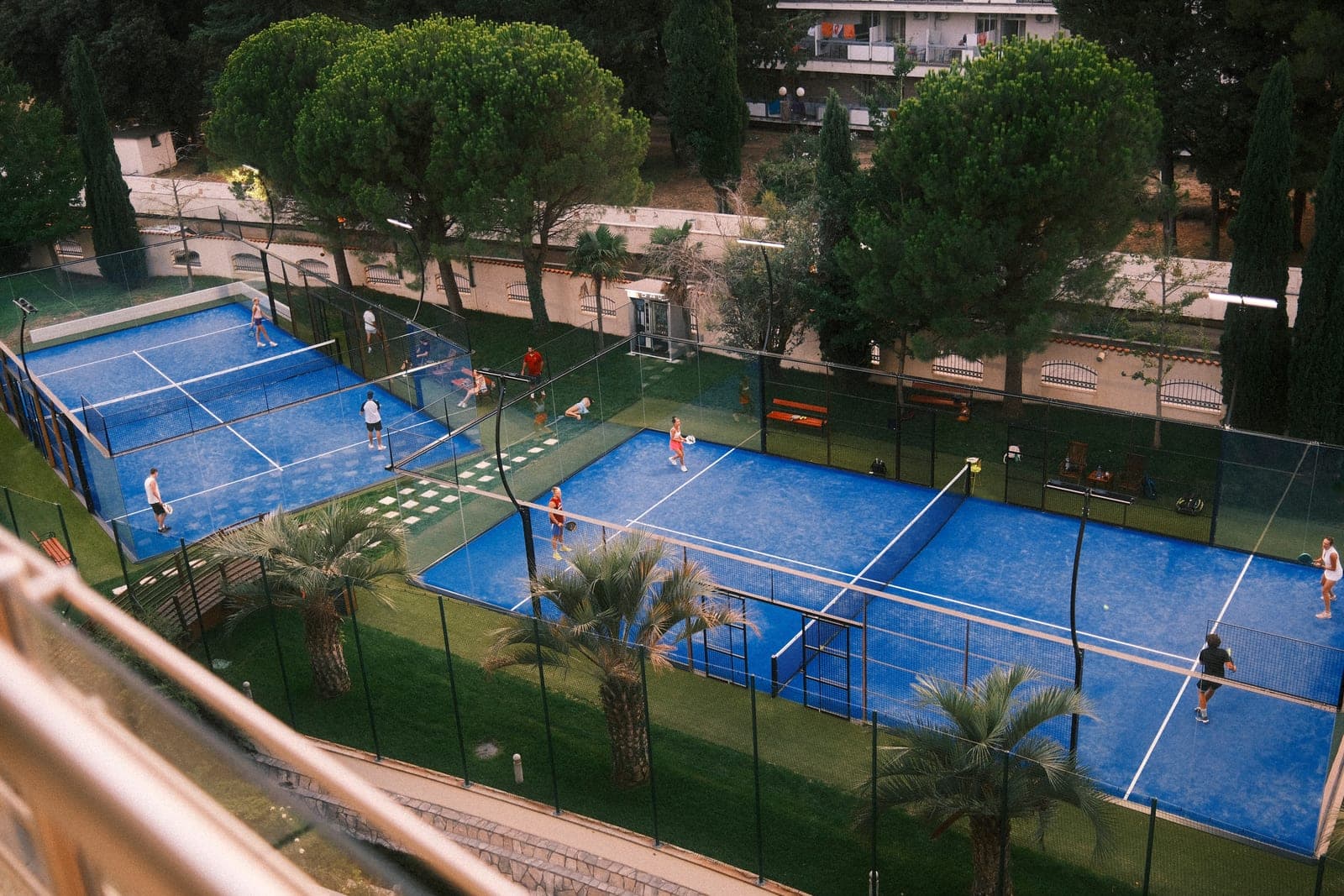
Padel
A sociable, doubles-first racquet sport played in an enclosed court where the walls stay in play.
Football
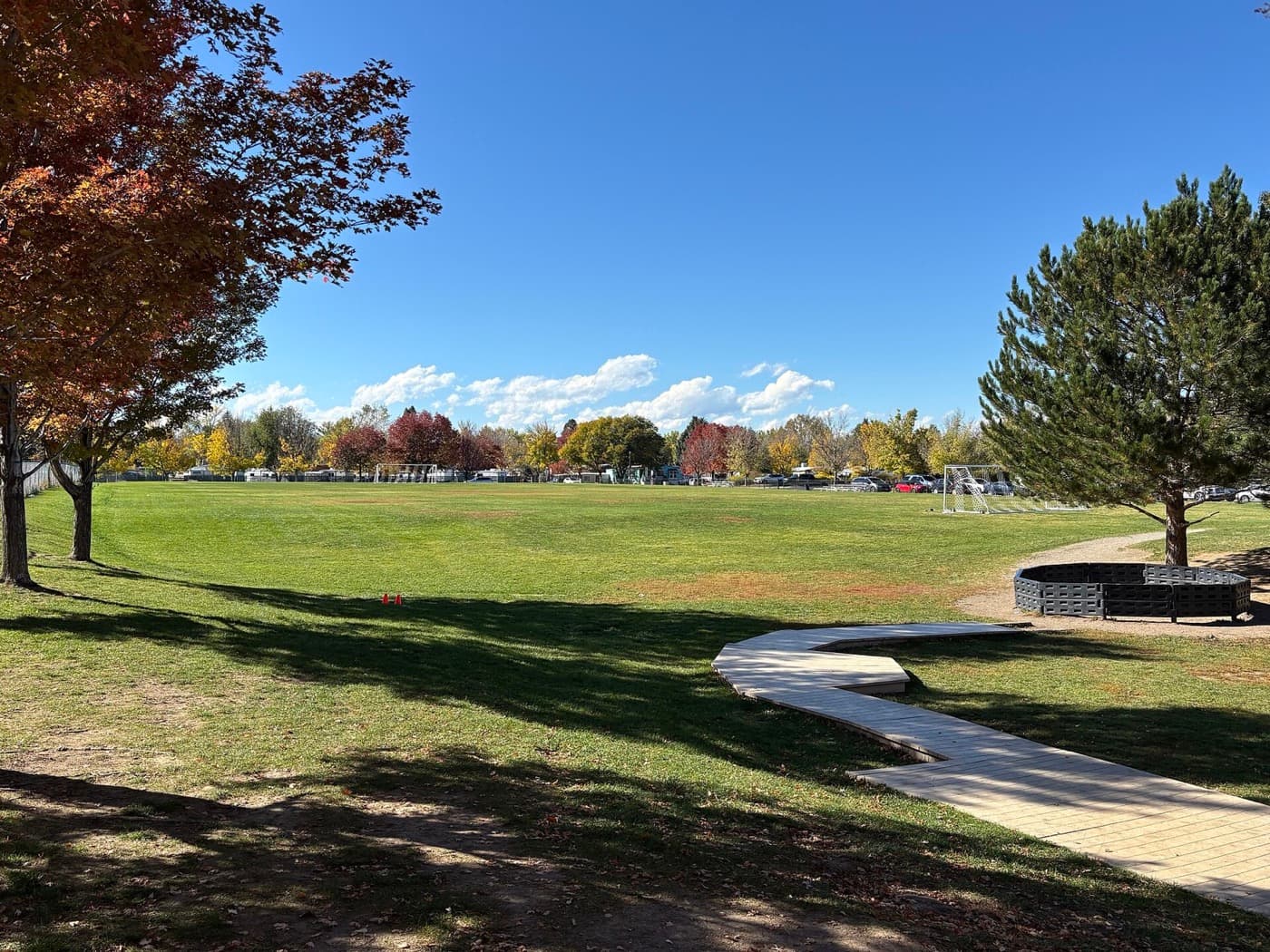
The world’s most popular team sport — endless running, teamwork and community in one game.
Running
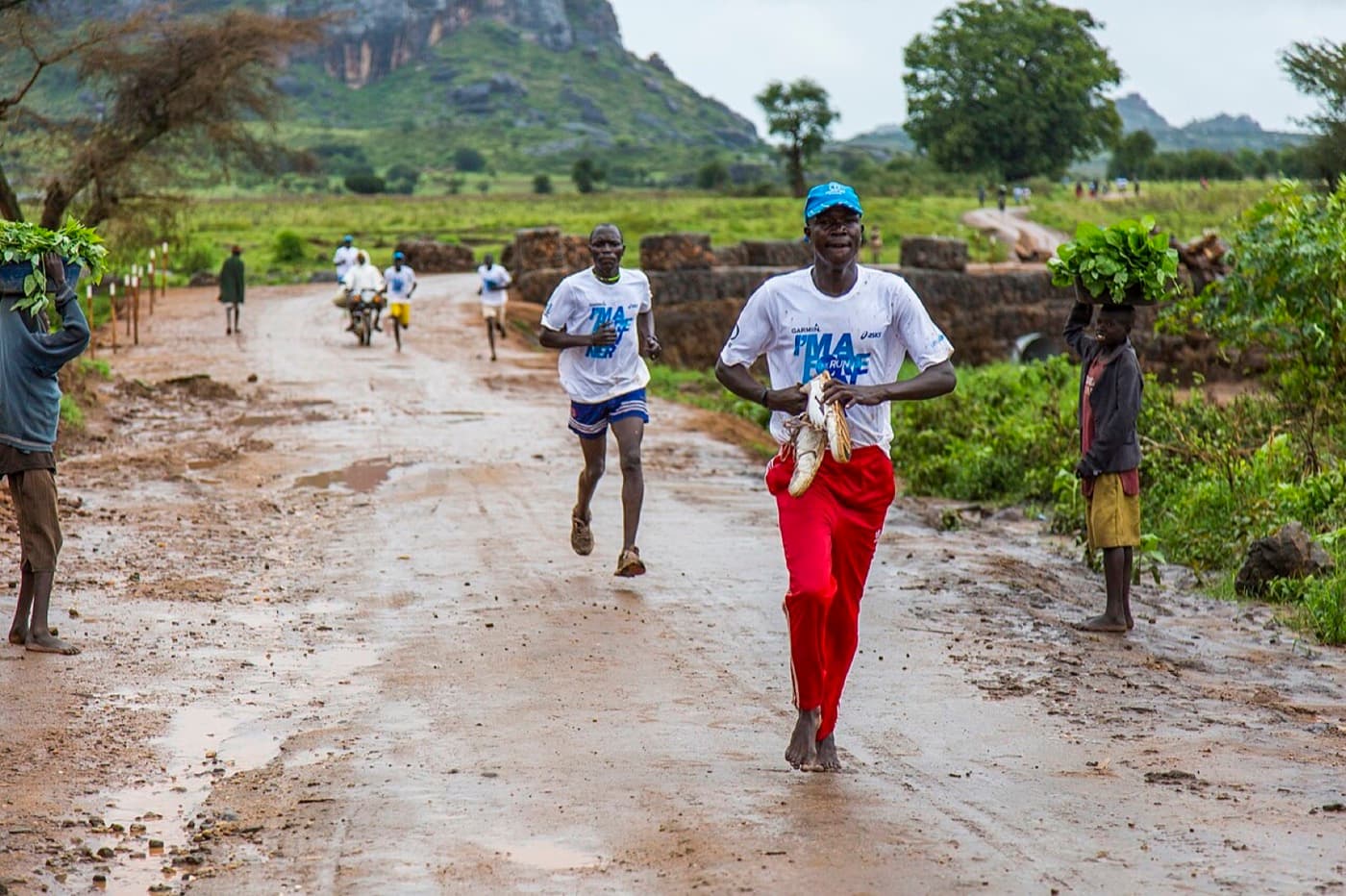
The most accessible endurance sport — no venue, just shoes and the open road or trail.
Goals that fit
Improve reaction speed
Respond faster to what you see, hear and feel by training with fast, unpredictable activities and drills.
Improve fitness
Build well-rounded fitness — stamina, strength and more — through regular, varied activity you can keep up.
Discipline
Build consistency, focus and self-discipline through the routines that sport and training encourage.
Return to sport
Easing back into activity after time away, a long break or a period off through injury.
Ways to train
Exercises and methods that fit — educational, not a prescription.
Jump squat
An explosive squat variation where you spring off the floor at the top of the movement.
Deadlift
A hinge movement where you lift a weight from the floor by driving your hips forward to stand tall.
Hip thrust
A loaded hip-extension exercise with your upper back on a bench and a weight across the hips.
Kettlebell swing
A dynamic hinge where you swing a kettlebell to shoulder height using a snap of the hips.
Bench press
A pressing exercise lying on a bench, lowering a weight to the chest and pushing it back up.
Overhead press
A standing press that drives a weight from the shoulders to overhead until the arms lock out.
Frequently asked questions
How is training different for a competitive athlete?
It becomes structured and goal-directed around events, planned over weeks and months so fitness and skill peak at the right time, with recovery and consistency treated as part of the work. The individual specifics are best guided by a qualified coach who knows you and your sport.
Explore across the knowledge base
Follow the threads that connect Competitive athletes to the rest of SocialSportHub.
Experience levels
- CompetitiveTraining and playing to compete — structured, goal-directed preparation built around events, with coaching and recovery central.
- AdvancedA high level of skill and fitness — progress becomes finer, more individual, and increasingly benefits from expert coaching.
- EliteThe highest level of performance — a full, individualised, professionally supported pursuit far beyond what a general guide can direct.
Motivations
- To competeWhen the thrill of competition drives you, sports with clear contests, ladders and match play give you something to test yourself against.
- To get better at my sportWhen you already play and want to improve, structured practice, coaching concepts and targeted training turn effort into measurable progress.
Adaptive sports
- Para sportsThe competitive branch of adaptive sport, where athletes with disabilities train and compete, often within organised classification systems.
- Ambulant Para SportsPara sports for athletes who compete standing or on foot — walking or running — rather than from a wheelchair or seated position.
- Classification in para sportThe system used in para sport to group athletes so that competition is fair — decided by how much an impairment affects a specific sport.
- Adaptive competitionsOrganised events where athletes with disabilities compete, from local grassroots fixtures up to major international championships.
How this page is maintained
- Content type
- For people like you
- Provenance
- Tier A — evergreen educational
- Verified external sources
- 0
- Content updated
- 2026-07-09
Evergreen, first-party explanation — it makes no claim that needs an external source. How we handle sources and reviews.