
Football
The world’s game — team, community and cardio


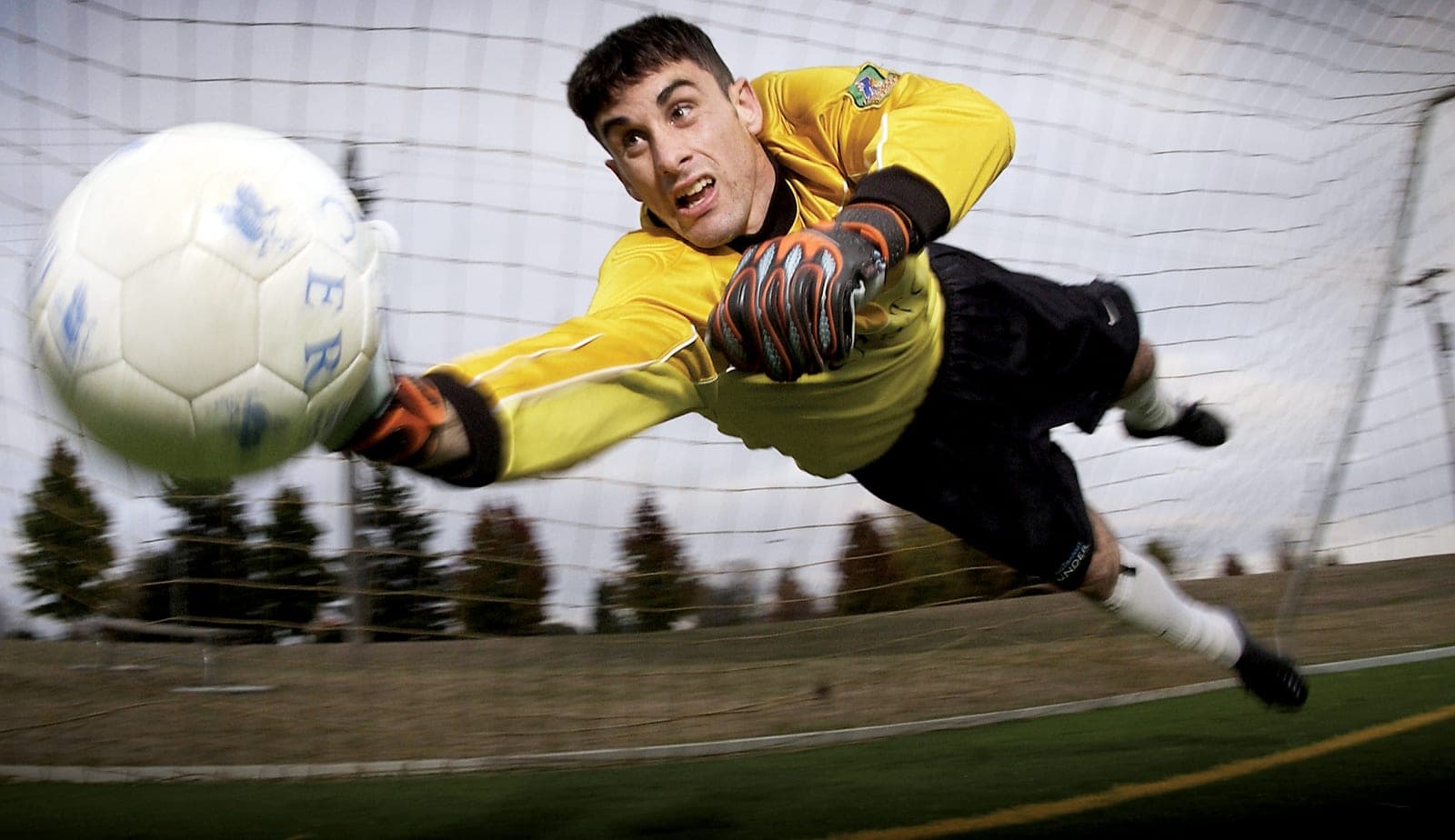

Inside the sport
Football (soccer) is a team sport in which two sides try to move a ball into the opposing goal, mostly using their feet. It is played across every format imaginable, from full 11-a-side to small-sided 5-a-side games.
Overview
Its global popularity means there is almost always a game to join. The constant movement makes it a superb cardiovascular workout, while the team format builds some of the strongest social bonds in sport.
Why football is good for your health
- Continuous running builds strong cardiovascular fitness
- Develops leg strength, speed and agility
- Improves coordination, balance and spatial awareness
- Mixes steady running with sprints for all-round conditioning
Physical qualities you’ll build
Football is especially good for developing these qualities:
The social side
- A team game that builds camaraderie and belonging
- Small-sided leagues make it easy to join without a full team
- Played in almost every community worldwide
How to start as a beginner
- 1Start with casual small-sided (5-a-side) games — they are welcoming and high-energy
- 2Practise the basics: passing, first touch and simple movement
- 3Join a local “kickabout”, beginners’ league or drop-in session
- 4Warm up well, as football involves sprinting and turning
Equipment you’ll need
- Football boots or trainersEssentialStuds for grass, flat soles for indoor/astro
- Comfortable sportswearEssential
- A footballOptionalUsually provided at organised games
- Shin padsOptional
Where to play
Football is typically played at:
Explore clubs and venues to understand the different places you can play, or see how to find people to play with.
Football in pictures
Action, venues, equipment and moments across football — select any photograph to enlarge it.
Playing Football
The equipment, rules, skills and more that make up the game — each cross-linked into the encyclopedia.
Training for Football
Exercises, methods and example plans that help build what Football needs — educational, not personalised prescriptions.
Related sports to explore
If you enjoy Football, you might also like these.

Running
The most accessible endurance sport — no venue, just shoes and the open road or trail.
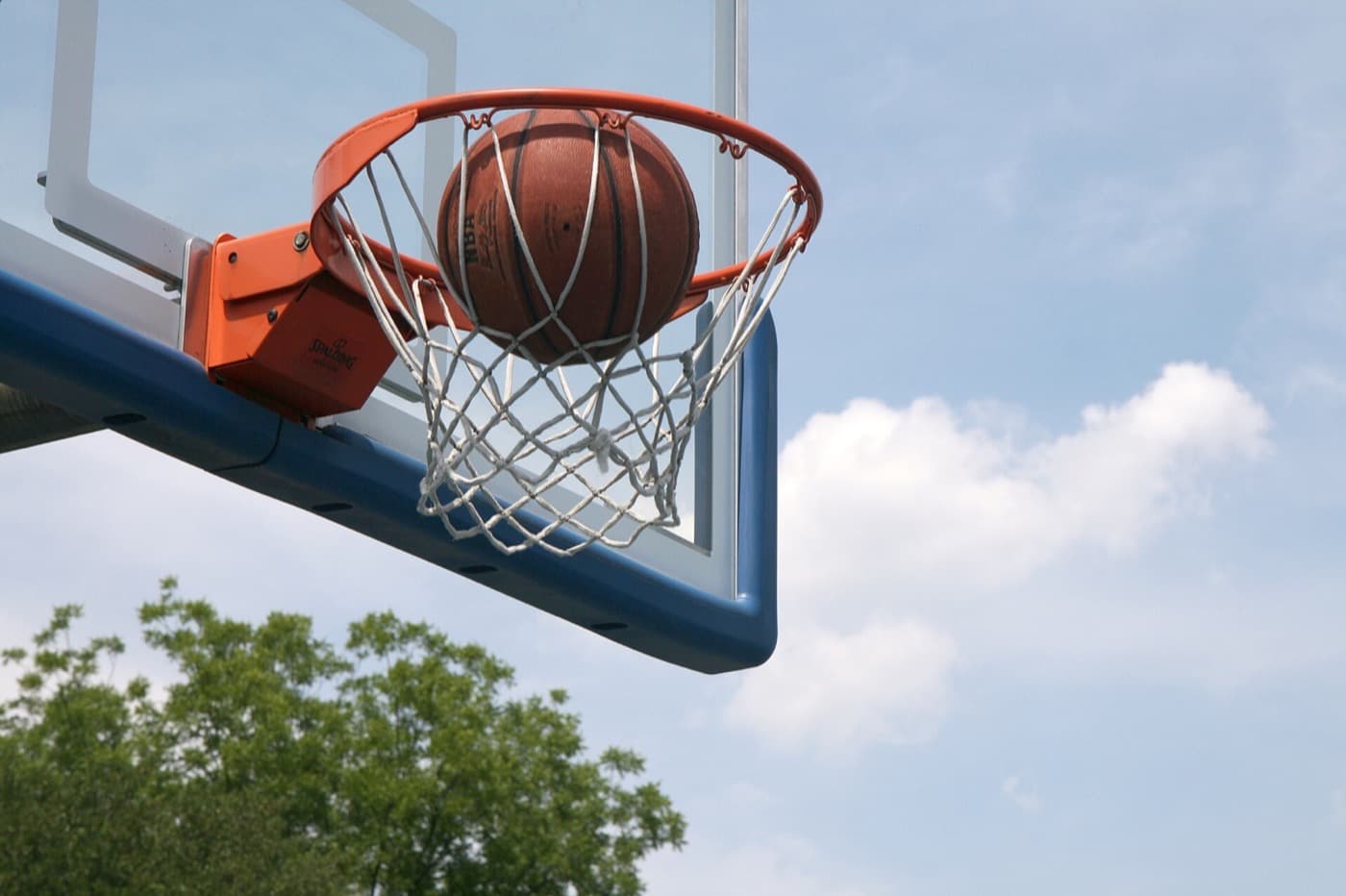
Basketball
A fast, dynamic team sport of running, jumping and quick decisions on court.
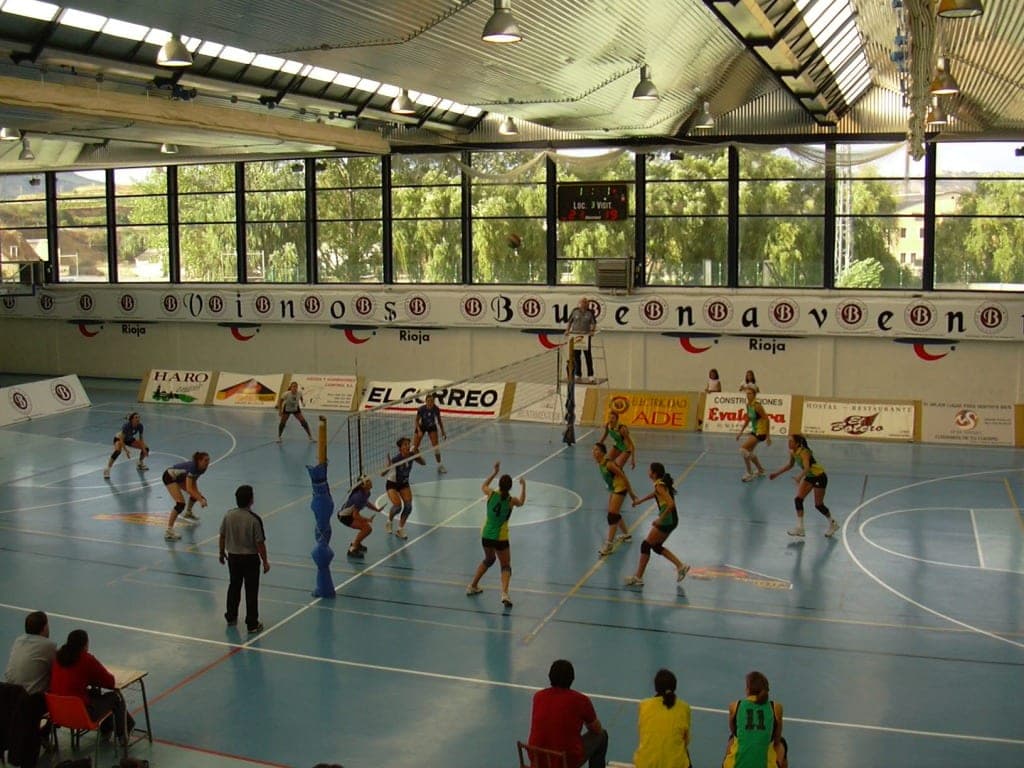
Volleyball
A non-contact team sport of rallies, jumps and teamwork — indoors or on the beach.
Compare Football with…
Deciding between Football and something similar? See how they line up side by side.
American Football vs Football
How they compare on difficulty, intensity, kit and what suits you.
Basketball vs Football
How they compare on difficulty, intensity, kit and what suits you.
Field Hockey vs Football
How they compare on difficulty, intensity, kit and what suits you.
Football vs Futsal
How they compare on difficulty, intensity, kit and what suits you.
Football vs Rugby
How they compare on difficulty, intensity, kit and what suits you.
Football vs Running
How they compare on difficulty, intensity, kit and what suits you.
Reach your goals with Football
People take up Football for all kinds of reasons. Here is what it can help you work towards.
Improve fitness
Build well-rounded fitness — stamina, strength and more — through regular, varied activity you can keep up.
Build an active lifestyle
Make movement a natural, lasting part of daily life through activities and habits you genuinely enjoy.
Improve coordination
Sharpen how smoothly your body works together — like tracking and hitting a ball — through skill practice.
Improve mental wellbeing
Use regular, enjoyable activity to support your mood, connection and sense of wellbeing as one healthy habit among many.
Sports for children
Age-appropriate, fun ways for children to be active, with guidance and supervision where sensible.
Sports for teenagers
Sports and activities that suit teenagers, from team games to individual pursuits.
Who & where Football fits
Sport should fit your life. Here is who Football suits and when it works.
Children
How sport can fit into a child’s life through play, variety and supported, age-appropriate movement.
Teenagers
How sport can fit into a teenager’s life for fitness, friendship, confidence and healthy routines, with supervision.
Students
How sport can fit around study, a tight budget and a changing timetable to support focus, energy and social life.
Weekend athletes
How to enjoy recreational sport on weekends while staying comfortable and consistent through the week.
Families
How families can be active together with inclusive, all-ages sports that make movement social and fun.
Competitive athletes
How the platform fits someone who trains and plays to compete — structured, goal-directed preparation with coaching and recovery central.
How it connects
The meaning-bearing relationships that place Football in the wider knowledge graph — each one with the reason it exists.
Alternative to
Comparable enough that people choose between them.
- American FootballFootball and American Football are close enough that the platform maintains a side-by-side comparison of them.
- BasketballFootball and Basketball are close enough that the platform maintains a side-by-side comparison of them.
- Field HockeyFootball and Field Hockey are close enough that the platform maintains a side-by-side comparison of them.
- FutsalFootball and Futsal are close enough that the platform maintains a side-by-side comparison of them.
- RugbyFootball and Rugby are close enough that the platform maintains a side-by-side comparison of them.
Helps achieve
A recognised route towards these goals.
- Improve fitnessFootball is one of the sports listed under the “Improve fitness” goal.
- Build an active lifestyleFootball is one of the sports listed under the “Build an active lifestyle” goal.
- Improve coordinationFootball is one of the sports listed under the “Improve coordination” goal.
- Improve mental wellbeingFootball is one of the sports listed under the “Improve mental wellbeing” goal.
- Sports for childrenFootball is one of the sports listed under the “Sports for children” goal.
Explained by
The underlying "why" behind this.
- BiomechanicsBiomechanics is one of the sports-science concepts that covers Football.
- The kinetic chainThe kinetic chain is one of the sports-science concepts that covers Football.
- Movement efficiencyMovement efficiency is one of the sports-science concepts that covers Football.
- Force and powerForce and power is one of the sports-science concepts that covers Football.
- ProprioceptionProprioception is one of the sports-science concepts that covers Football.
Supported by
These help the training or recovery side of this.
- SleepSleep is listed as a recovery method used around Football.
- Rest daysRest days is listed as a recovery method used around Football.
- Cool-downCool-down is listed as a recovery method used around Football.
- Listening to your bodyListening to your body is listed as a recovery method used around Football.
- Regular, balanced mealsRegular, balanced meals is listed as a recovery method used around Football.
Explore across the knowledge base
Follow the threads that connect Football to the rest of SocialSportHub.
Sports science
- BiomechanicsThe study of how the body produces and controls movement — the mechanics behind every technique in sport.
- The kinetic chainThe idea that the body’s segments work as a linked chain, passing force from the ground up through the hips, trunk and limbs.
- Movement efficiencyHow economically the body performs a movement — achieving the goal with the least wasted effort.
- Force and powerThe difference between how much force the body can produce and how quickly it can produce it — the mechanics behind strength and explosiveness.
- ProprioceptionThe body’s internal sense of where its parts are and how they are moving — the awareness behind balance and coordinated movement.
Glossary
- ActivationActivation refers to warm-up exercises that switch on and prime specific muscles so they contribute properly during the main session.
- Advantage (Rule)A rule that lets play continue after a foul when stopping would benefit the offending team, rather than immediately awarding a free kick.
- Advantage PlayedA decision to let play continue after a foul because stopping it would benefit the team that committed the offence.
- AerobicRelating to energy production that uses oxygen, powering sustained, lower-intensity activity over minutes to hours.
- Aggregate (Two-legged Tie)A tie decided by the combined score of two matches, one played at each team's ground.
Skills Academy
Go deeper with Football
Everywhere else on the platform that covers Football — assembled from what actually references it, so nothing here is a dead end.
Learn it
Structured courses and paths on the platform that cover this directly.
Work it out
Deterministic calculators — real published formulas, no estimates dressed as data.
See it
Diagrams and step-through visualisations drawn for this subject.
Compare it
Head-to-head studies against the entities people actually weigh it against.
- Football vs American FootballSide by side on the qualities that differ.
- Football vs BasketballSide by side on the qualities that differ.
- Football vs Field HockeySide by side on the qualities that differ.
- Football vs FutsalSide by side on the qualities that differ.
- Football vs RugbySide by side on the qualities that differ.
- Football vs RunningSide by side on the qualities that differ.
Kit it out
Equipment guidance drawn from the graph, with no brands and no affiliate links.
Take it away
Open data and the whole-platform view of this subject.
How this page is maintained
- Content type
- Sport
- Provenance
- Tier A — evergreen educational
- Verified external sources
- 0
- Content updated
- 2026-07-06
Evergreen, first-party explanation — it makes no claim that needs an external source. How we handle sources and reviews.
Keep going
A sport is most rewarding alongside good habits, sensible nutrition and people to share it with. Here is where to go next.
How movement supports body and mind.
Eat well to feel and perform better.
Build routines that stick.
Ways to meet others and play together.
Where to play and what to expect.
Browse the full list by category.