
Anchor
The anchor is a cross-sport holding role: a steadying, defensive-minded player who shields the back line, screens danger and gives teammates a reliable base.
Overview
An anchor is a cross-sport role rather than a single position: it describes the job of the steadying, defensive-minded player who holds a deeper area of the field or court, shields the players behind them and gives the rest of the team a dependable point to build from. Where an attacking or creative role looks to make things happen going forward, the anchor's priority is stability, staying disciplined in position, protecting central space and making sure the team is not exposed when possession changes hands. Because the emphasis is on balance and security, an anchor is often described as sitting in front of the defence, screening it and tidying up loose situations before they reach the last line.
The same functional idea appears under many names across sports. In football it is the holding or defensive midfielder — sometimes the single pivot in a one-holder system — who breaks up play and recycles possession, while in basketball the defensive anchor is usually the centre who protects the rim and directs teammates. Handball and water polo rely on defensive specialists who organise the block in front of the goal, and invasion sports such as field hockey and lacrosse use holding midfielders in the same steadying way; even netball leans on its defensive players, such as the goal keeper and goal defence, to give the side a reliable base. Understanding the anchor as a role helps separate the job, to shield, hold, distribute simply and communicate, from the specific position title a given sport happens to use for it.
Responsibilities
- Sits in front of the defence, occupying the space between the back line and the more advanced players so opposition attacks are slowed or broken up before they become dangerous.
- Keeps the ball moving with simple, dependable passing rather than risky play, acting as an outlet teammates can always use, the reliable base the role is named for.
- Screens and covers: fills gaps, tracks runners and protects central areas, especially during transitions when a team switches from attacking to defending.
- Relies on reading the game, anticipation, positioning and communication, more than on flashy skill, and often organises the players ahead of and around them.
- Is a job, not a single position: the same anchoring work is done by a defensive midfielder in football, a rim-protecting centre in basketball, a defensive specialist in water polo or handball, and a holding midfielder in field hockey or lacrosse.
Where it’s used
Sports that use anchor:
Football
The world’s most popular team sport — endless running, teamwork and community in one game.
Futsal
A fast, small-sided indoor form of football played on a hard court with a low-bounce ball.
Basketball
A fast, dynamic team sport of running, jumping and quick decisions on court.
Handball
A fast indoor team sport of passing, jumping and throwing to score with the hands.
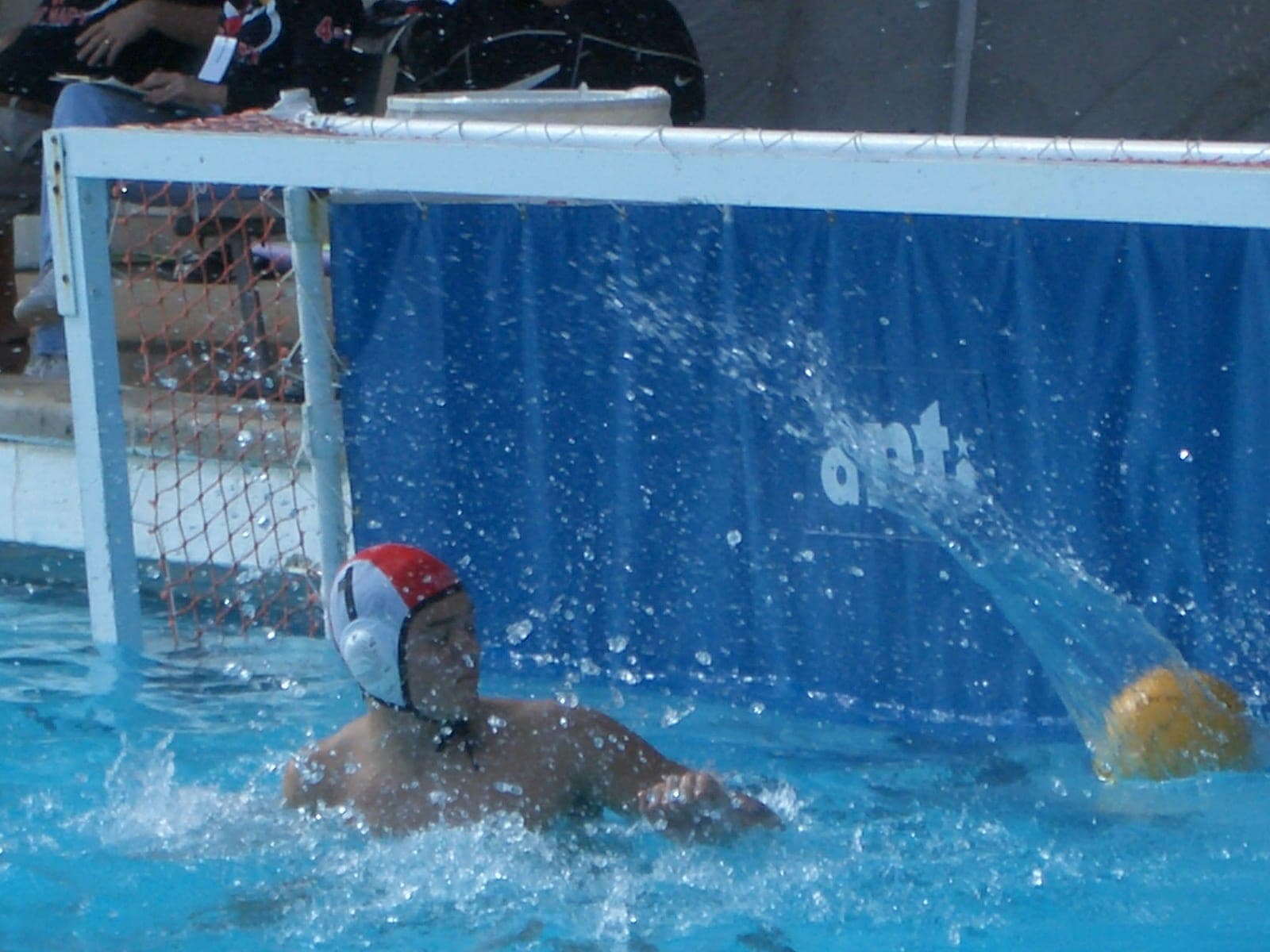
Water Polo
A demanding team sport played in deep water, blending swimming endurance with tactics.
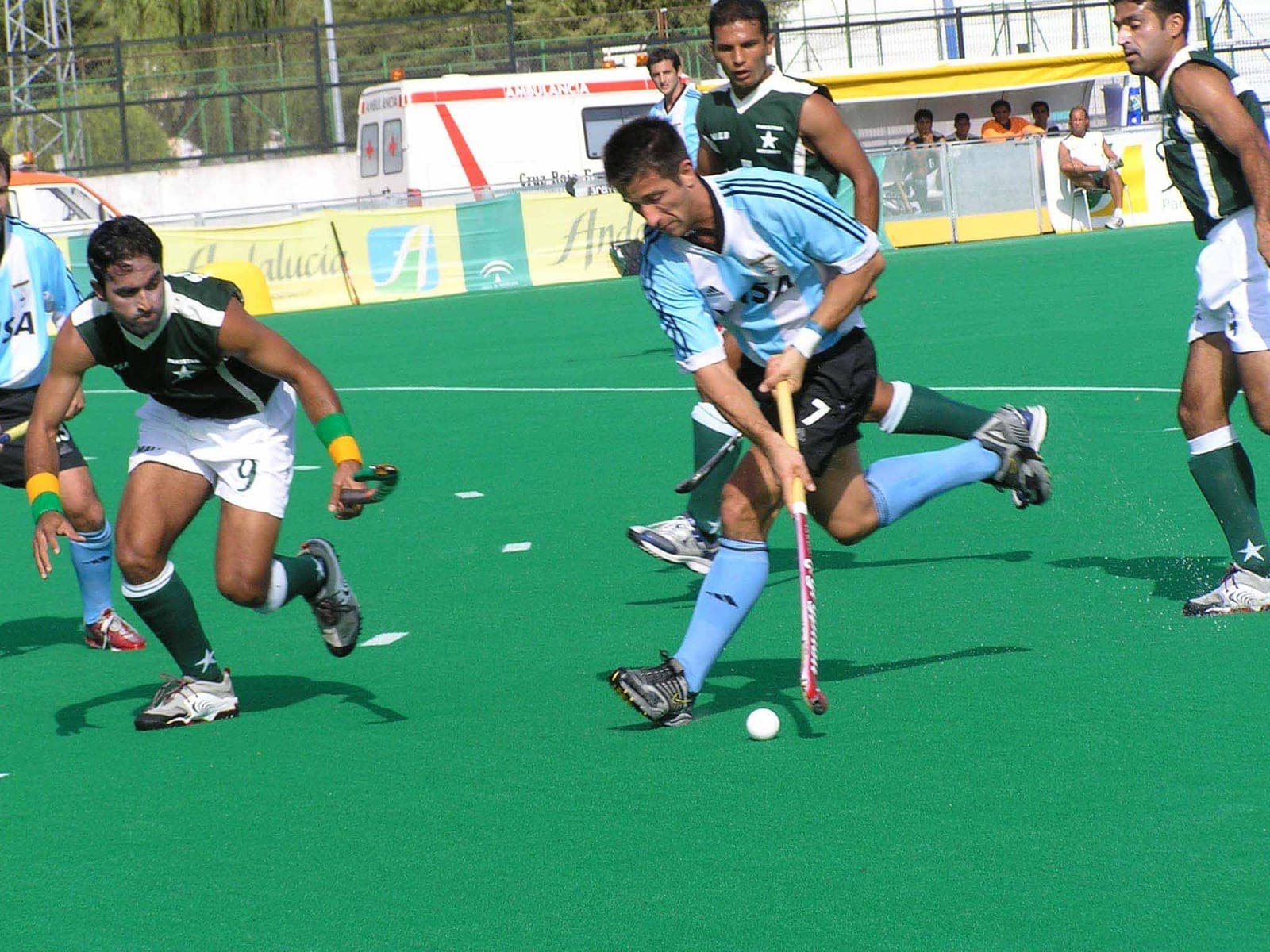
Field Hockey
An outdoor team sport that uses curved sticks to move a ball, built on agility and teamwork.
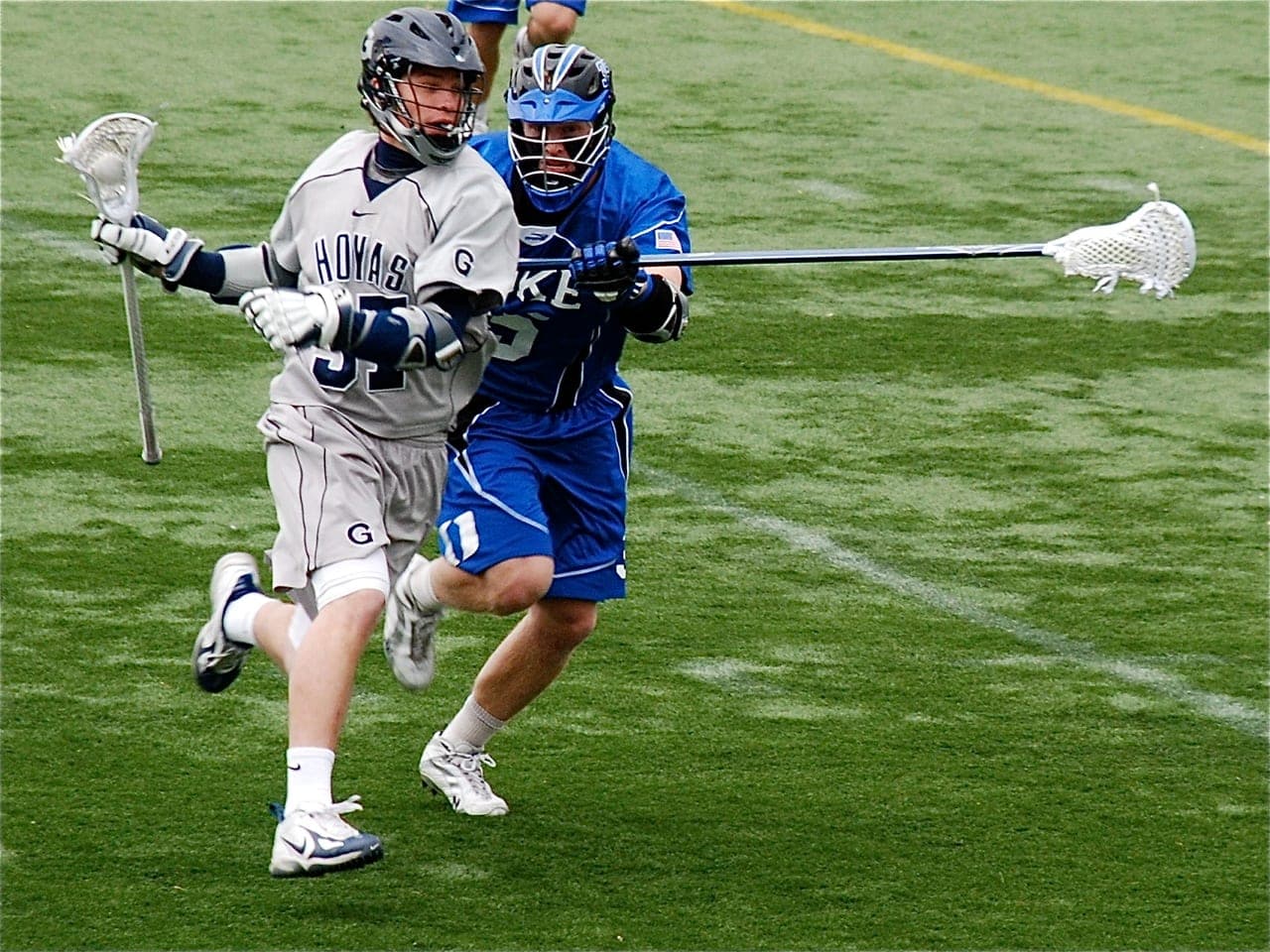
Lacrosse
A fast, stick-and-ball team sport of catching, cradling and shooting a small ball toward a goal.
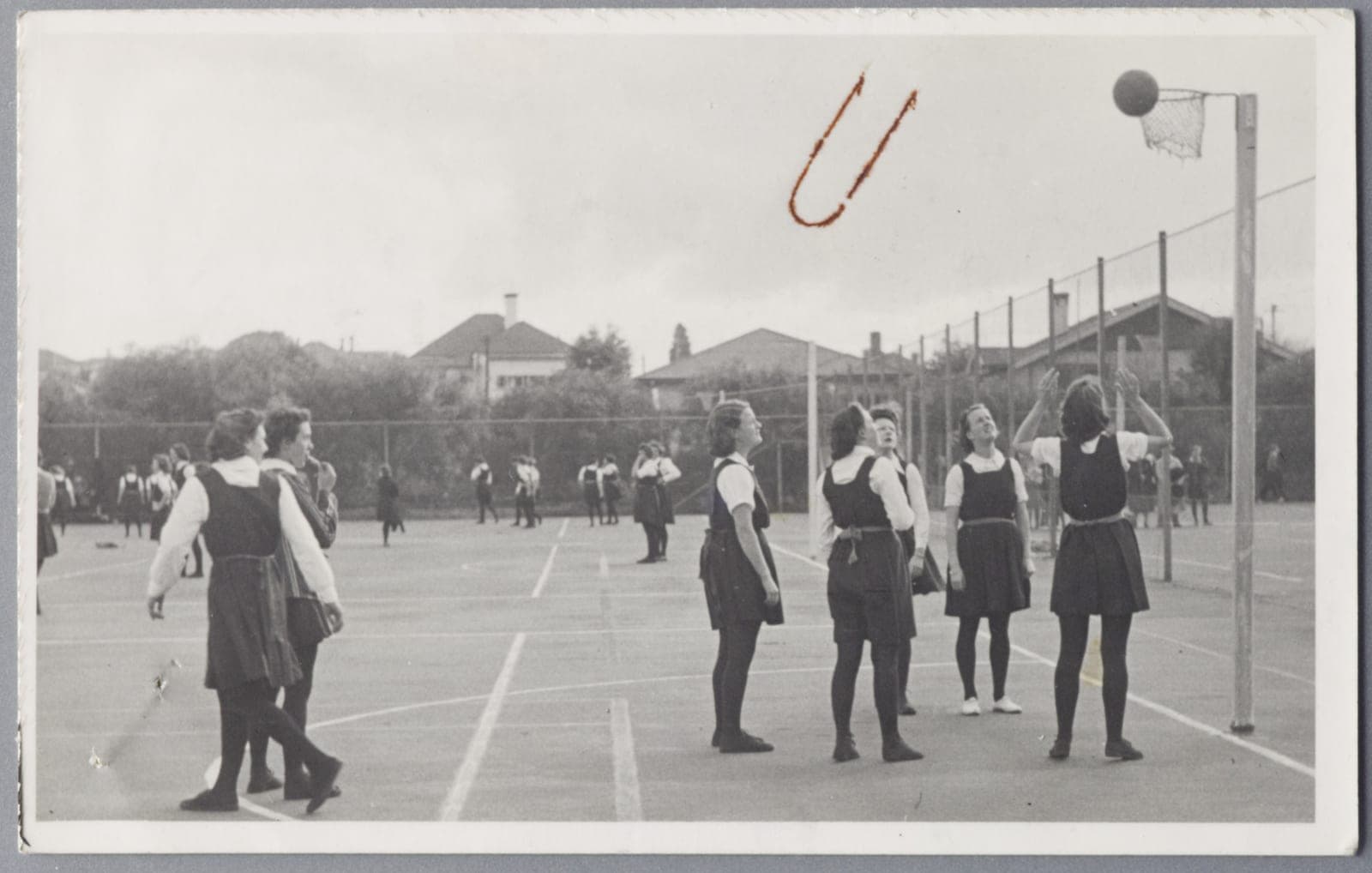
Netball
A non-contact, position-based team sport of quick passing and accurate shooting.
Related player roles
Playmaker
The playmaker is a team's creative hub — the player who orchestrates attacks, controls the tempo and distributes the ball so teammates can score.
Finisher
A finisher is the attacking outlet in a team sport whose main job is converting chances into points — the striker, goal shooter or go-to scorer.
Captain
The captain is a team's on-field leader who communicates, makes in-game decisions and sets standards — a role any player can hold, not a fixed position.
How it connects
The meaning-bearing relationships that place Anchor in the wider knowledge graph — each one with the reason it exists.
Frequently learned together
Taught side by side in the same stage of a learning path.
- GoalkeeperBoth are taught in the “Find your position or role” stage of the Futsal learning path.
- Central midfielderBoth are taught in the “Find your position or role” stage of the Futsal learning path.
- PlaymakerBoth are taught in the “Find your position or role” stage of the Futsal learning path.
- FinisherBoth are taught in the “Find your position or role” stage of the Futsal learning path.
- Target playerBoth are taught in the “Find your position or role” stage of the Futsal learning path.
Explore across the knowledge base
Follow the threads that connect Anchor to the rest of SocialSportHub.
Positions
- GoalkeeperThe goalkeeper is the last line of defence in football and the only player allowed to handle the ball inside their own penalty area.
- Central midfielderA central midfielder operates in the middle of the pitch, linking defence and attack while contributing to both.
- Defensive midfielderA defensive midfielder sits in front of the defence, breaking up opposition attacks and shielding the back line.
- CenterThe center is usually the tallest player on a basketball team, playing near the basket to score inside, rebound, and protect the rim.
- Middle blockerThe middle blocker plays in the centre of the net, leading the team’s blocking and attacking with fast, quick sets.
Tactics
- Possession playA patient football style that keeps the ball through short passing to control the game and tire opponents.
- Zone defenceA defensive system where each player guards an area of the court rather than a specific opponent.
- Offside trapA defensive football tactic where the back line steps up together to leave an attacker offside.
- Pick and rollA two-player basketball action where one player screens for the ball-handler, then rolls to the basket.
Skills
Learning paths
- Learn FootballA structured, educational learning path for football — from the rules to skills, techniques, tactics and training.
- Learn BasketballA structured, educational learning path for basketball — from the rules to skills, techniques, tactics and training.
- Learn FutsalA structured, educational learning path for futsal — from the rules to skills, techniques, tactics and training.
- Learn HandballA structured, educational learning path for handball — from the rules to skills, techniques, tactics and training.
- Learn NetballA structured, educational learning path for netball — from the rules to skills, techniques, tactics and training.
Sports communication
- Defensive communicationTalking and signalling on defence — organising who marks whom, calling switches and warning teammates — to stay coordinated without the ball.
- Communication under pressureKeeping communication clear, calm and brief when a game is loud, tiring or high-stakes — so the message still lands.
- Captain communicationHow a team's designated captain relays decisions, sets a tone and — in many sports — acts as the recognised point of contact with officials.
- Role clarityEveryone on a team understanding what their own job is — and their teammates' — so effort is not wasted on overlap or gaps.
Go deeper with Anchor
Everywhere else on the platform that covers Anchor — assembled from what actually references it, so nothing here is a dead end.
Learn it
Structured courses and paths on the platform that cover this directly.
How this page is maintained
- Content type
- Player role
- Provenance
- Tier A — evergreen educational
- Verified external sources
- 0
- Content updated
- 2026-09-12
Evergreen, first-party explanation — it makes no claim that needs an external source. How we handle sources and reviews.