
Shared terminology
A common vocabulary — agreed words, calls and play names — so a single word means the same thing to everyone on the team.
Overview
Shared terminology is the set of words a team agrees on so that one word means the same thing to everyone — the name of a play, a code for a movement, a short call that triggers a response. It turns a long instruction into a single reliable word, which is valuable when there is no time to explain. Much of it is specific to a team and built up over time rather than taken from a manual.
Because it is a team's own shorthand, terminology varies enormously between squads and sports, and even between age groups within a club. It only helps if everyone genuinely shares it, so newcomers usually have to learn the local language. Shared words speed communication up, but they do not replace understanding — a call still relies on players knowing what to do when they hear it.
How it works
- It is an agreed vocabulary — play names, codes and calls — so one word means the same thing to everyone.
- It compresses a long instruction into a short, reliable trigger for when there is no time to explain.
- Most of it is team-specific and built over time, not taken from a fixed manual.
- It only works if everyone shares it, so new members have to learn the local language.
- It speeds communication up but still relies on players understanding what the word tells them to do.
In practice
- In volleyball or basketball, teams often use their own names or numbers for set plays and rotations.
- In football, a single called word at a set-piece can signal a rehearsed routine that opponents will not recognise.
- The same word can mean different things on different teams, so terminology rarely transfers directly when a player moves clubs.
Educational — and it varies
Where it shows up
Sports where this communication is especially visible — each with a clear guide.
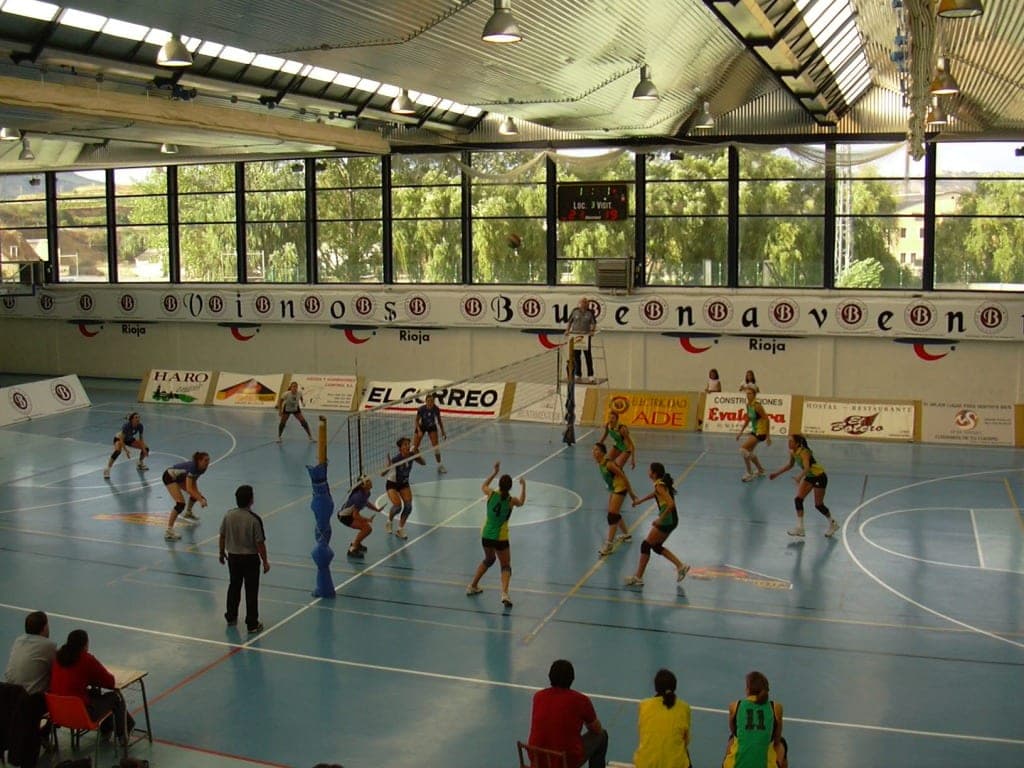
Volleyball
A non-contact team sport of rallies, jumps and teamwork — indoors or on the beach.

Basketball
A fast, dynamic team sport of running, jumping and quick decisions on court.

Football
The world’s most popular team sport — endless running, teamwork and community in one game.
Frequently asked questions
Why do teams develop their own terminology?
Agreed words let a team turn a long instruction into a single reliable call, which matters when there is no time to explain — a play name, a code, a short cue. Because it is a team's own shorthand it varies a lot between squads and sports, so newcomers usually have to learn it, and the words only help if everyone shares the same meaning.
Explore across the knowledge base
Follow the threads that connect Shared terminology to the rest of SocialSportHub.
Tactics
Practice & sessions
- Small-group practicePractising in a small group of a few players — sharing drills, rotating roles and using small-sided games so everyone stays involved.
- Team practicePractising with a full team — working on roles, patterns of play and communication so the group performs together, usually under a coach.
- Tactical sessionA session built around tactics — how you use space, position and patterns of play, rather than the mechanics of a shot.
Knowledge Atlas
Beginner guides
- Beginner Sports Terminology: Making Sense of the WordsEvery sport comes with its own vocabulary, and this guide shows you how to stay relaxed about the words you don't know yet, lean on the glossary, and pick up the language naturally as you go.
- Common Beginner Mistakes (And How to Relax About Them)The early wobbles almost everyone makes when starting a new sport — and why each one is normal, harmless, and easy to ease past.
How this page is maintained
- Content type
- Communication concept
- Provenance
- Tier A — evergreen educational
- Verified external sources
- 0
- Content updated
- 2026-07-12
Evergreen, first-party explanation — it makes no claim that needs an external source. How we handle sources and reviews.