
Basketball
Fast breaks, teamwork and full-body movement

Overview
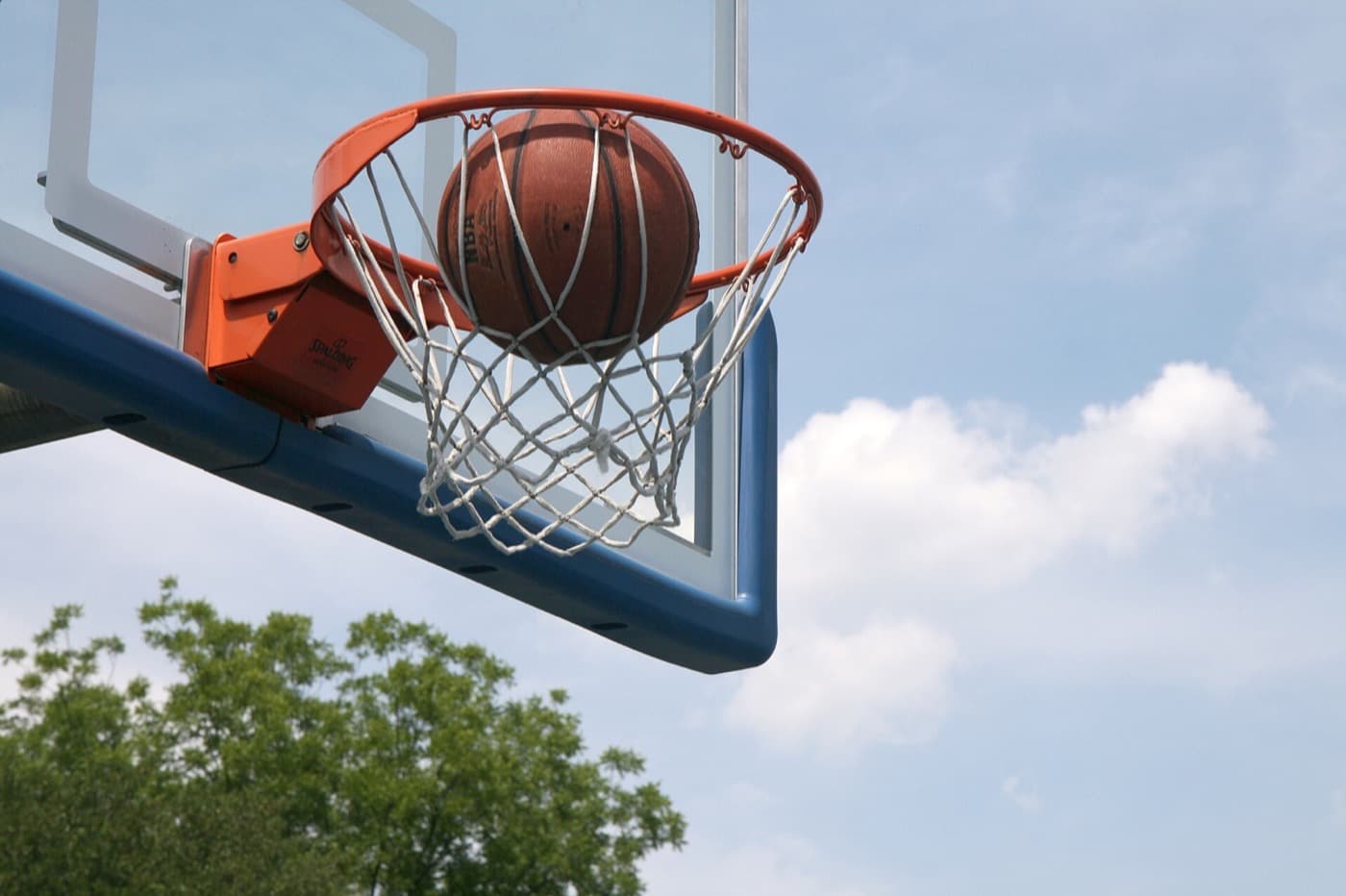
Basketball is a team sport where players score by shooting a ball through an elevated hoop. It flows quickly between attack and defence, with constant movement, jumping and rapid decision-making.
You can play a full five-a-side game or a casual half-court “pickup” with just a few players, which makes it easy to get started in parks and sports halls alike.
Why basketball is good for your health
- Fast, continuous play delivers a strong cardio workout
- Builds explosive leg power through jumping and sprinting
- Improves agility, coordination and balance
- Develops core strength and full-body movement
Physical qualities you’ll build
Basketball is especially good for developing these qualities:
The social side
- Casual “pickup” games are welcoming to new players
- Team play builds communication and trust
- Public courts make it free and easy to join a game
How to start as a beginner
- 1Practise dribbling, passing and layups at a local court
- 2Start with half-court 3v3 — it is simpler and less demanding
- 3Learn the basic rules of travelling and fouls
- 4Find a drop-in session or beginners’ league to play regularly
Equipment you’ll need
- Basketball shoes or supportive trainersEssentialCushioning helps with jumping and landing
- Comfortable sportswearEssential
- A basketballOptionalOften shared at courts and games
Where to play
Basketball is typically played at:
Explore clubs and venues to understand the different places you can play, or see how to find people to play with.
Playing Basketball
The equipment, rules, skills and more that make up the game — each cross-linked into the encyclopedia.
Training for Basketball
Exercises, methods and example plans that help build what Basketball needs — educational, not personalised prescriptions.
Related sports to explore
If you enjoy Basketball, you might also like these.
Football
The world’s most popular team sport — endless running, teamwork and community in one game.
Volleyball
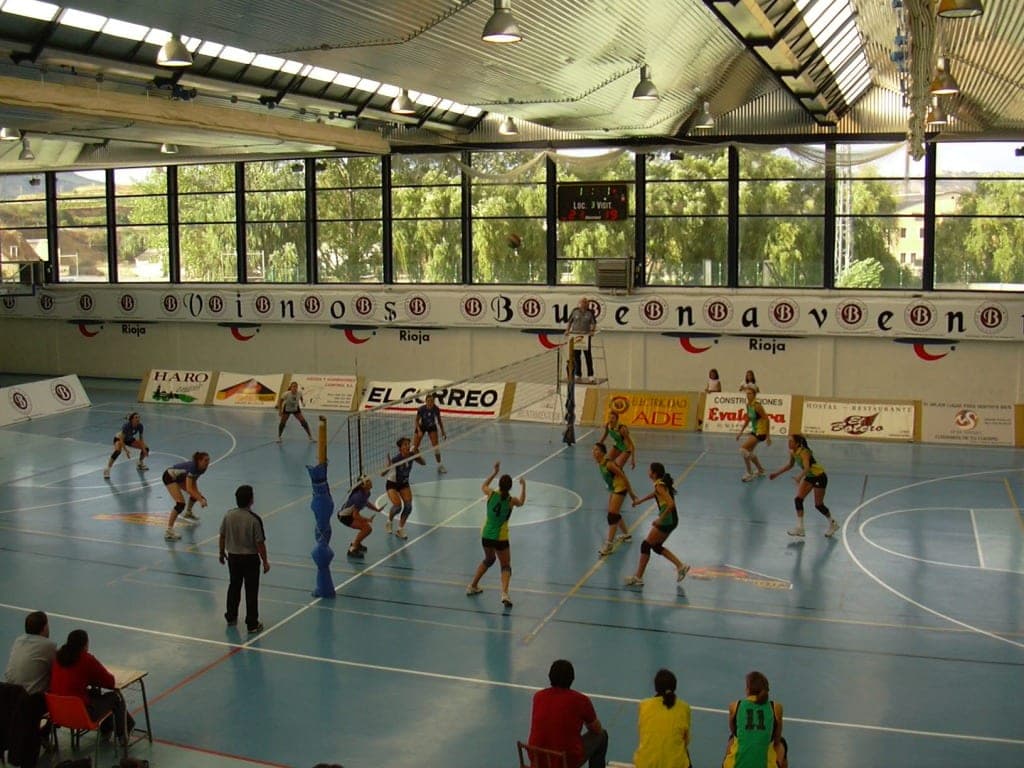
A non-contact team sport of rallies, jumps and teamwork — indoors or on the beach.
Fitness
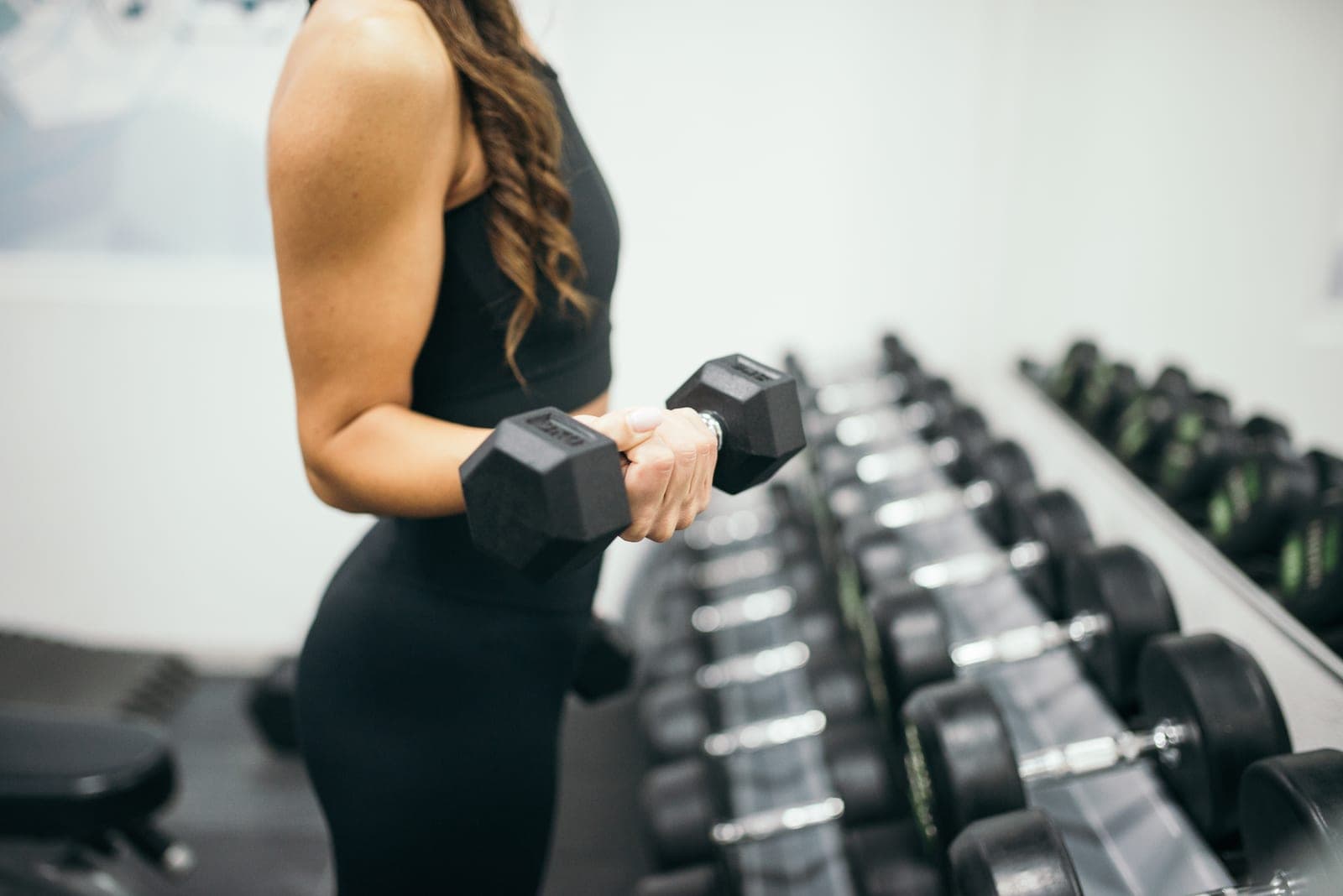
Strength and general fitness training — the foundation that supports every other sport.
Compare Basketball with…
Deciding between Basketball and something similar? See how they line up side by side.
Basketball vs Fitness
How they compare on difficulty, intensity, kit and what suits you.
Basketball vs Football
How they compare on difficulty, intensity, kit and what suits you.
Basketball vs Futsal
How they compare on difficulty, intensity, kit and what suits you.
Basketball vs Handball
How they compare on difficulty, intensity, kit and what suits you.
Basketball vs Netball
How they compare on difficulty, intensity, kit and what suits you.
Basketball vs Volleyball
How they compare on difficulty, intensity, kit and what suits you.
Reach your goals with Basketball
People take up Basketball for all kinds of reasons. Here is what it can help you work towards.
Improve coordination
Sharpen how smoothly your body works together — like tracking and hitting a ball — through skill practice.
Improve agility
Change direction quickly and under control — the quality behind stopping, turning and accelerating again without losing balance.
Sports for children
Age-appropriate, fun ways for children to be active, with guidance and supervision where sensible.
Sports for teenagers
Sports and activities that suit teenagers, from team games to individual pursuits.
Social activities
Use sport as a way to meet people, make friends and stay connected while staying active.
Teamwork
Develop cooperation, communication and trust by playing sports that rely on working together.
Who & where Basketball fits
Sport should fit your life. Here is who Basketball suits and when it works.
Children
How sport can fit into a child’s life through play, variety and supported, age-appropriate movement.
Teenagers
How sport can fit into a teenager’s life for fitness, friendship, confidence and healthy routines, with supervision.
Students
How sport can fit around study, a tight budget and a changing timetable to support focus, energy and social life.
Weekend athletes
How to enjoy recreational sport on weekends while staying comfortable and consistent through the week.
Recreational athletes
How the platform fits someone who plays regularly for enjoyment and fitness rather than competition — staying active, sociable and healthy through sport.
1 hour
A full hour opens up almost any sport, from a proper game to a longer ride, run or gym session.
How it connects
The meaning-bearing relationships that place Basketball in the wider knowledge graph — each one with the reason it exists.
Alternative to
Comparable enough that people choose between them.
- FitnessBasketball and Fitness are close enough that the platform maintains a side-by-side comparison of them.
- FootballBasketball and Football are close enough that the platform maintains a side-by-side comparison of them.
- FutsalBasketball and Futsal are close enough that the platform maintains a side-by-side comparison of them.
- HandballBasketball and Handball are close enough that the platform maintains a side-by-side comparison of them.
- NetballBasketball and Netball are close enough that the platform maintains a side-by-side comparison of them.
Helps achieve
A recognised route towards these goals.
- Improve coordinationBasketball is one of the sports listed under the “Improve coordination” goal.
- Improve agilityBasketball is one of the sports listed under the “Improve agility” goal.
- Sports for childrenBasketball is one of the sports listed under the “Sports for children” goal.
- Sports for teenagersBasketball is one of the sports listed under the “Sports for teenagers” goal.
- Social activitiesBasketball is one of the sports listed under the “Social activities” goal.
Explained by
The underlying "why" behind this.
Supported by
These help the training or recovery side of this.
Explore across the knowledge base
Follow the threads that connect Basketball to the rest of SocialSportHub.
Learning paths
Sports science
- Force and powerThe difference between how much force the body can produce and how quickly it can produce it — the mechanics behind strength and explosiveness.
- ProprioceptionThe body’s internal sense of where its parts are and how they are moving — the awareness behind balance and coordinated movement.
- Motor learningThe process by which practice and experience produce lasting improvements in how well a movement skill can be performed.
Glossary
- Aggregate ScoreThe combined total of scores across two or more matches used to decide a multi-leg tie.
- AgilityThe ability to rapidly change the body's speed or direction in response to a stimulus, combining quickness with in-the-moment decision-making.
- AnaerobicRelating to energy production without oxygen, powering short, high-intensity efforts lasting from a few seconds up to about two minutes.
- Backcourt ViolationA basketball violation for illegally returning the ball to the backcourt after it has crossed into the frontcourt.
- Ball PressureThe internal air pressure of an inflatable or pressurised ball, which governs how firm it feels and how high it bounces.
Decision making
- Positioning choicesDeciding where to place yourself — often before the ball arrives — to cover space, stay ready to act and shape what an opponent can do.
- Transition decisionsThe choices made at the moment a situation flips — winning or losing the ball, and switching between attack and defence.
- Decision speedHow quickly a choice is made — the tempo of deciding, and how it trades off against getting the choice right.
- Pacing decisionsIn-the-moment choices about how to spend energy over time — when to push, hold back, conserve or surge.
- Pass selectionChoosing which pass to play, and to whom, from the options a moment offers — weighing space, risk and what the team is trying to do.
Beginner guides
- Your first basketball sessionA first basketball session is a friendly, fast-moving introduction to handling the ball, moving your feet and sharing simple play with others — no experience or prior skill needed.
- Your first running sessionA warm, honest picture of what a first running session actually feels like — so you can turn up relaxed, run at a comfortable effort, and enjoy it without any pressure to be fast.
Sports communication
- Captain communicationHow a team's designated captain relays decisions, sets a tone and — in many sports — acts as the recognised point of contact with officials.
- Transition communicationCommunicating in the fast switch between attack and defence — flagging a turnover, a counter or a break so teammates react together.
Go deeper with Basketball
Everywhere else on the platform that covers Basketball — assembled from what actually references it, so nothing here is a dead end.
Learn it
Structured courses and paths on the platform that cover this directly.
Work it out
Deterministic calculators — real published formulas, no estimates dressed as data.
See it
Diagrams and step-through visualisations drawn for this subject.
Compare it
Head-to-head studies against the entities people actually weigh it against.
- Basketball vs FitnessSide by side on the qualities that differ.
- Basketball vs FootballSide by side on the qualities that differ.
- Basketball vs FutsalSide by side on the qualities that differ.
- Basketball vs HandballSide by side on the qualities that differ.
- Basketball vs NetballSide by side on the qualities that differ.
- Basketball vs VolleyballSide by side on the qualities that differ.
Kit it out
Equipment guidance drawn from the graph, with no brands and no affiliate links.
Take it away
Open data and the whole-platform view of this subject.
How this page is maintained
- Content type
- Sport
- Provenance
- Tier A — evergreen educational
- Verified external sources
- 0
- Content updated
- 2026-07-06
Evergreen, first-party explanation — it makes no claim that needs an external source. How we handle sources and reviews.
Keep going
A sport is most rewarding alongside good habits, sensible nutrition and people to share it with. Here is where to go next.
How movement supports body and mind.
Eat well to feel and perform better.
Build routines that stick.
Ways to meet others and play together.
Where to play and what to expect.
Browse the full list by category.