
Team practice
Practising with a full team — working on roles, patterns of play and communication so the group performs together, usually under a coach.
Overview
Team practice is a session with the whole squad, where the point is not just individual skill but how everyone fits together. Players work on their roles, on patterns of play, and on the communication that lets a group act as one. It is the core training format for team sports like football, basketball and volleyball.
Because a team session has to serve many players and a shared game plan at once, it is usually shaped by a coach and built around the team's needs. What it contains varies enormously with the sport, level and season, so this describes the idea of the format rather than any set drills — and a coach remains the right person to design what a team actually does.
Purpose & structure
- The whole team practising together, focused on roles, patterns and teamwork.
- Communication and shared understanding are as much the point as individual skill.
- Often built around small-sided games that recreate real match situations.
- Usually led by a coach who shapes it around the team and the season.
- Content varies widely by sport, level and time of year — there is no single template.
Who it’s for
- Team-sport players of any level who need to train the way they compete — together.
- Beginners, who learn their role and the team's language in a supportive setting.
- It develops teamwork and patterns but does not replace individual practice or a coach's planning.
A format, not a plan
Sports it suits

Football
The world’s most popular team sport — endless running, teamwork and community in one game.
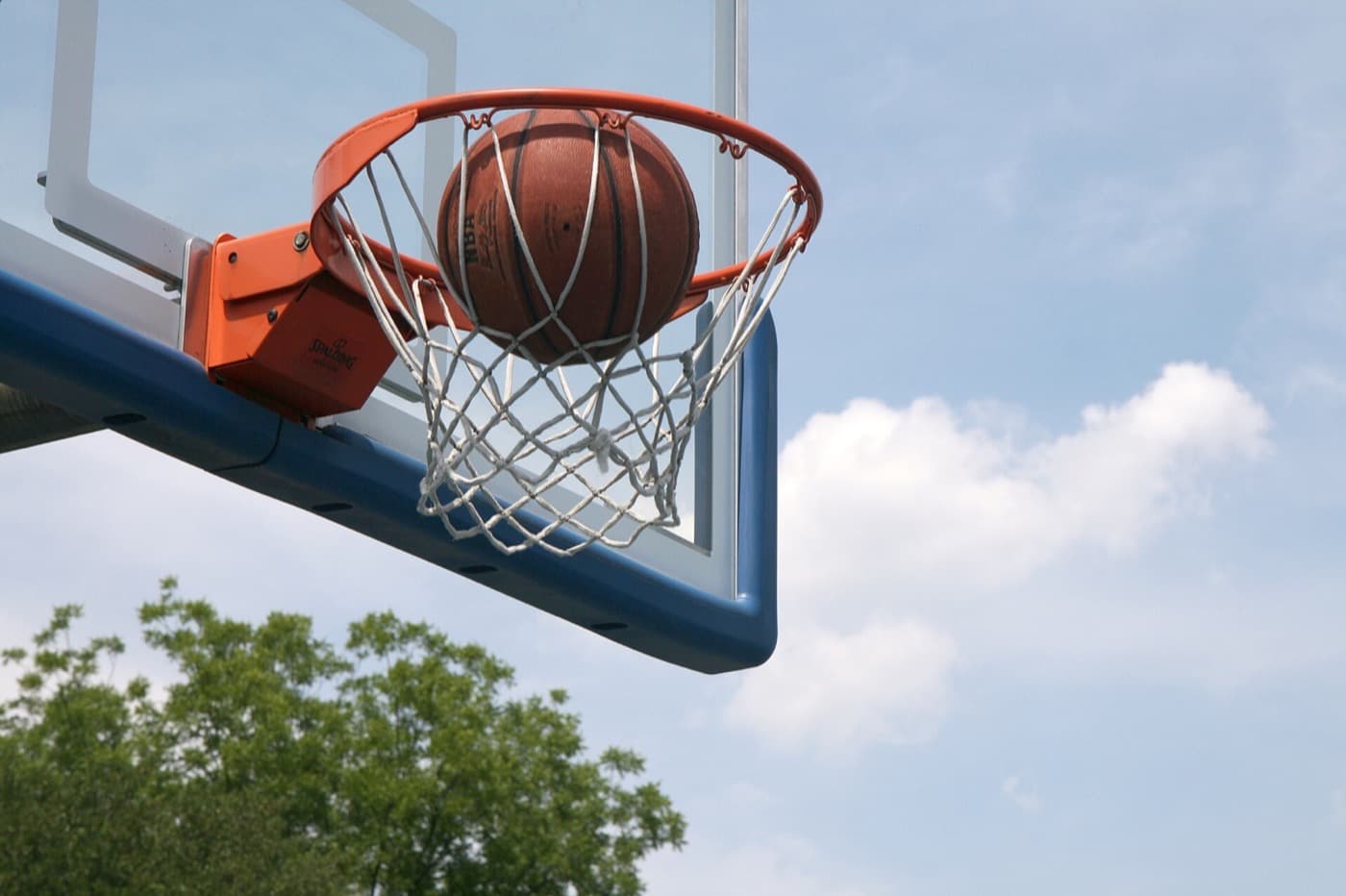
Basketball
A fast, dynamic team sport of running, jumping and quick decisions on court.
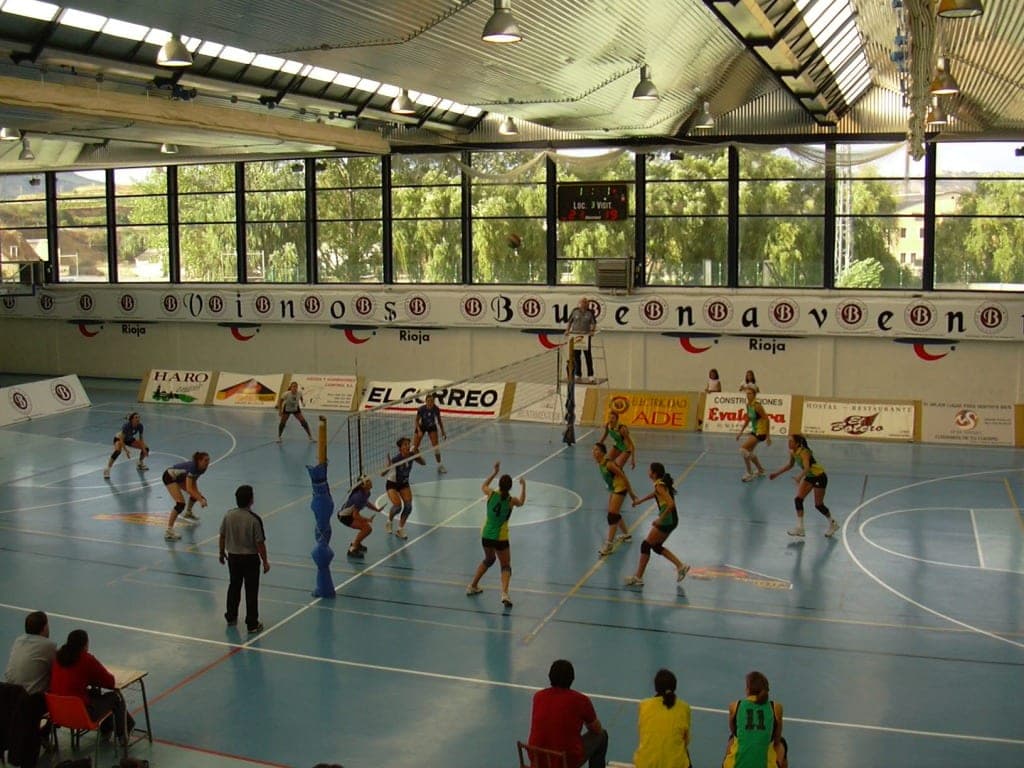
Volleyball
A non-contact team sport of rallies, jumps and teamwork — indoors or on the beach.
Frequently asked questions
What is the purpose of team practice?
Team practice is about turning a group of individuals into a team — working on roles, patterns of play and the communication that connects them, usually under a coach. The specific drills depend on the sport, level and point in the season, so this page explains the format rather than prescribing a session.
Explore across the knowledge base
Follow the threads that connect Team practice to the rest of SocialSportHub.
Coaching concepts
- Session StructureHow a practice session is organised into phases — warm-up, main focus, game application and cool-down — so time is used well and learning sticks.
- Small-Sided GamesPractising in scaled-down versions of a sport — fewer players, smaller area — so skills and decisions happen more often in a game-like setting.
- Decision-Making PracticeTraining athletes to read cues and choose the right action under pressure — coupling perception to action, not just rehearsing physical technique in isolation.
Sports communication
- Shared terminologyA common vocabulary — agreed words, calls and play names — so a single word means the same thing to everyone on the team.
- Pre-match communicationThe talking a team or individual does before play — plan, roles, key cues and a shared focus — to start on the same page.
- Active listeningGenuinely taking in what a teammate or coach is communicating — not just hearing it — so the message actually lands.
- Calling for the ballLetting a teammate know you are open and want the pass — usually a short, clear call made at the right moment.
- Communication under pressureKeeping communication clear, calm and brief when a game is loud, tiring or high-stakes — so the message still lands.
Goals
Sport categories
How this page is maintained
- Content type
- Session type
- Provenance
- Tier A — evergreen educational
- Verified external sources
- 0
- Content updated
- 2026-07-12
Evergreen, first-party explanation — it makes no claim that needs an external source. How we handle sources and reviews.