
Transition communication
Communicating in the fast switch between attack and defence — flagging a turnover, a counter or a break so teammates react together.
Overview
Transition communication is the talk and signalling that happens in the moments when possession changes: a turnover, an interception, a break the other way. These are some of the most chaotic phases of a game, and a quick, clear word — “transition”, “back”, “go” — can help teammates switch their heads and their positions at the same time rather than a beat apart.
It tends to prize speed and brevity, because there is rarely time for detail while the game is flipping. Who calls it and what they say varies by sport and system, and it usually overlaps with the defensive and attacking communication either side of the switch. The call helps a team react together; it informs decisions in a fast moment rather than guaranteeing the outcome.
How it works
- It is communication in the moment possession changes — turnovers, interceptions and breaks either way.
- It tends to be fast and brief: a single clear word can flip a team's focus from attack to defence or back.
- It often falls to whoever reads the change first or has the widest view of the play.
- It sits between attacking and defensive communication, bridging the two as the game turns over.
- Who calls it and what they say varies by sport, system and level, and is sharpened in practice.
In practice
- In basketball, a shout of “transition” or “back” as the ball is lost can be the difference between covering a fast break and being caught out.
- In football, a quick call after a turnover helps teammates decide whether to counter or regroup together.
- How transitions are communicated varies by sport — a fast-break game leans on instant, loud calls, while slower build-ups allow a little more time to organise.
Educational — and it varies
Where it shows up
Sports where this communication is especially visible — each with a clear guide.
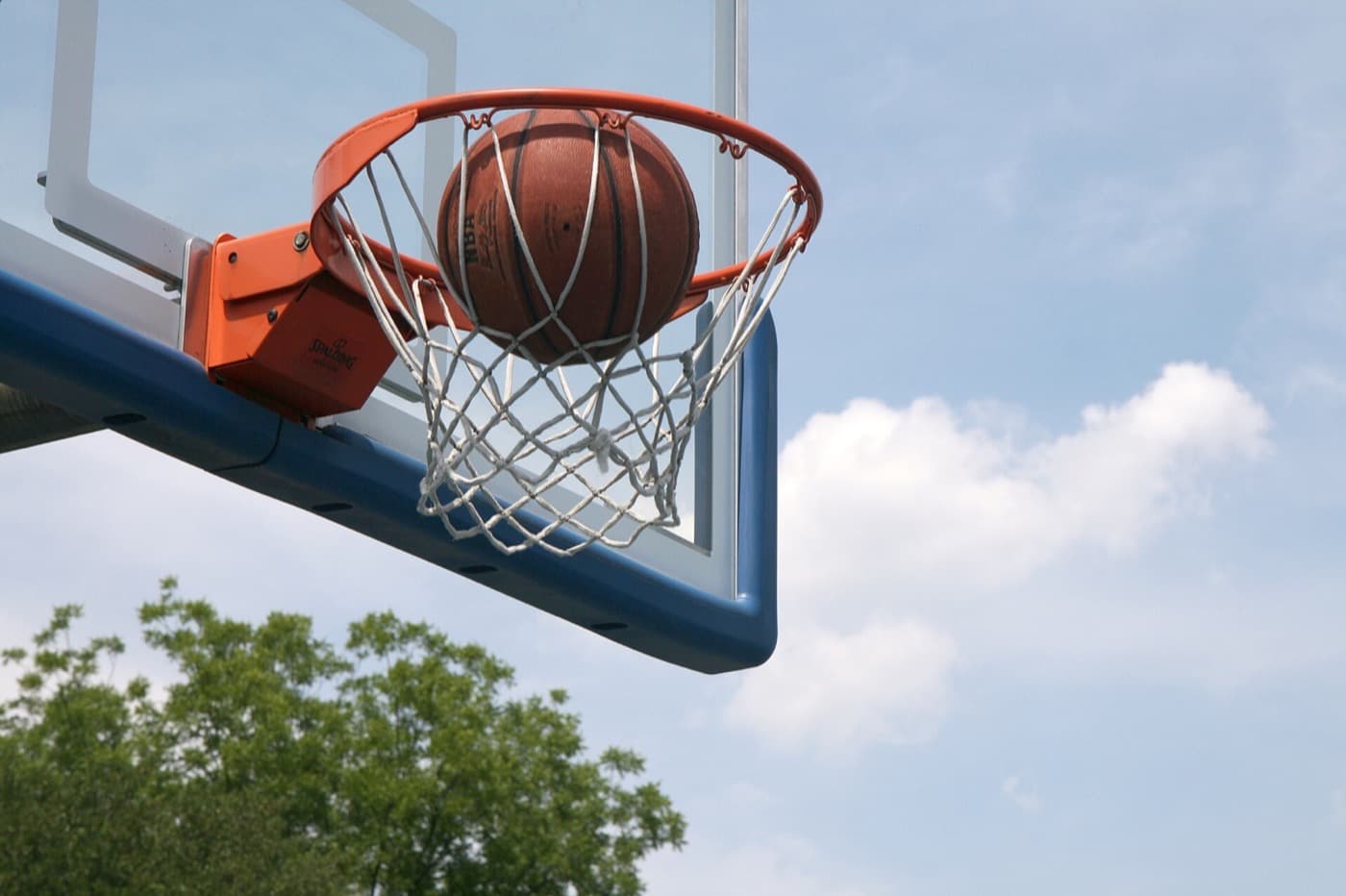
Basketball
A fast, dynamic team sport of running, jumping and quick decisions on court.

Football
The world’s most popular team sport — endless running, teamwork and community in one game.
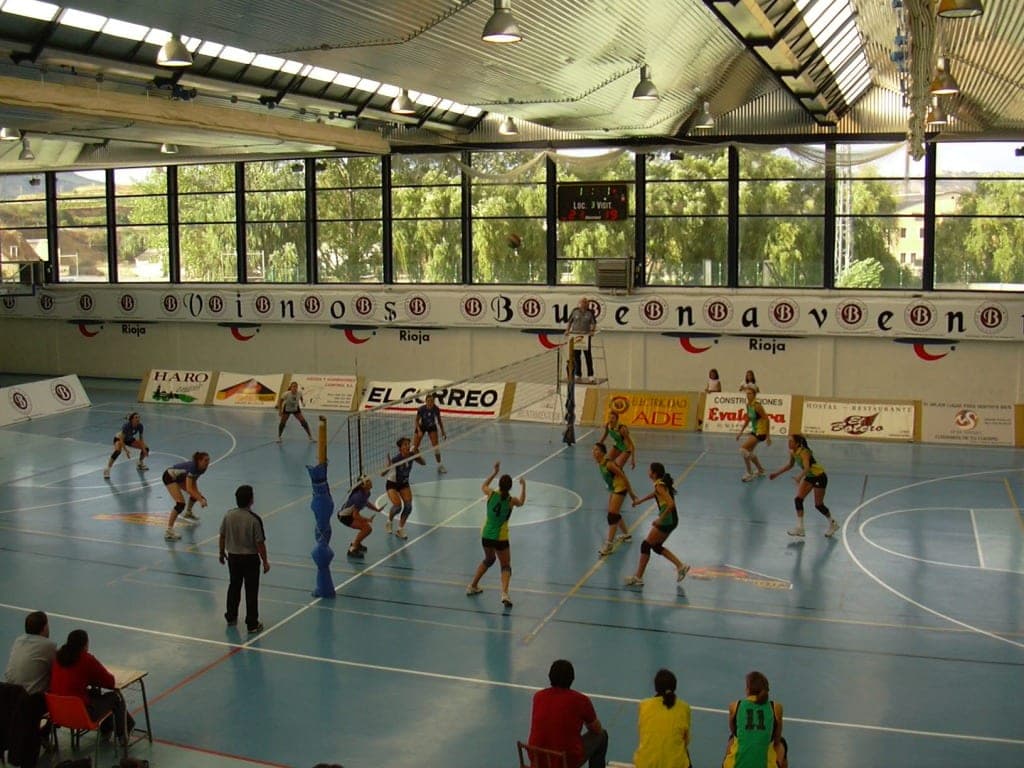
Volleyball
A non-contact team sport of rallies, jumps and teamwork — indoors or on the beach.
Frequently asked questions
Why is communication important in transition?
When possession changes, players have to switch between attacking and defending very quickly, and a short, clear call can help them do it together rather than a step behind. The words tend to be brief because there is little time, and exactly who calls what varies by sport and system.
Explore across the knowledge base
Follow the threads that connect Transition communication to the rest of SocialSportHub.
Tactics
- Counter-attackWinning the ball and moving forward at speed to attack before the opponent can reorganise their defence.
- Fast breakPushing the ball up court at speed after a turnover or rebound to score before the defence sets up.
- Zone defenceA defensive system where each player guards an area of the court rather than a specific opponent.
- Full-court pressAn aggressive basketball defence that pressures the ball across the whole court to force turnovers.
- Breakdown strategyThe contest that decides most rugby union matches — when to commit players to a ruck and when to leave it, what a jackal is trying to do, and why the counter-ruck is a gamble.
Decision making
- Transition decisionsThe choices made at the moment a situation flips — winning or losing the ball, and switching between attack and defence.
- When to defendJudging the moment to switch from attacking intent to protecting your goal, court or position — recognising when the situation calls for security over ambition.
Knowledge Atlas
Strategies
- Transition PlayTransition play is the strategy of switching quickly between attack and defence the moment possession changes, exploiting the opponent's brief disorganisation.
- Possession vs Direct PlayThe strategic choice between retaining the ball to build attacks patiently and moving it forward quickly and directly toward the goal.
How this page is maintained
- Content type
- Communication concept
- Provenance
- Tier A — evergreen educational
- Verified external sources
- 0
- Content updated
- 2026-07-12
Evergreen, first-party explanation — it makes no claim that needs an external source. How we handle sources and reviews.