
Transition Play
Transition play is the strategy of switching quickly between attack and defence the moment possession changes, exploiting the opponent's brief disorganisation.
Overview
Transition play is the strategic emphasis a team places on the short, fast-changing moments right after possession changes hands. In most invasion and possession sports, play does not stop when the ball, puck, or disc is won or lost. Instead, the two teams instantly swap roles, and the side that reorganises fastest gains a temporary edge. The strategy works in two directions. Attacking transition is what a team does the instant it wins possession: moving forward quickly to threaten before the opponent can settle into a defensive shape. Defensive transition is the opposite, since the moment a team loses the ball it must recover its shape, slow the opponent down, and protect the most dangerous space. Treating both of these moments as a priority, rather than an afterthought, is the essence of transition play.
As a strategy, transition play sits above the individual actions that carry it out. It is a plan for how a team wants to behave whenever the ball changes hands, and it is realised through specific tactics such as counter-attacks, fast breaks, and pressing to win the ball back quickly. Its value comes from timing, because right after a turnover the opposing structure is briefly disorganised, so gaps appear that would not exist against a settled defence. Teams that favour transition accept a trade-off, since committing players forward to attack at speed can leave fewer defenders behind if the move breaks down. For this reason transition play is usually balanced against more patient, settled approaches like possession play, and good teams learn to judge when a quick break is on and when it is wiser to keep the ball and rebuild.
Key ideas
- Transition play runs in two directions: attacking transition, breaking forward the instant you win the ball before the opponent's defence is set, and defensive transition, recovering shape and delaying the opponent the instant you lose it. A complete approach prepares for both.
- The advantage is temporary and positional. Immediately after a turnover the opposing team is often out of position or outnumbered in a key area, so a fast, direct response can create a chance that a well-organised defence would not allow.
- Speed of decision usually matters more than raw running speed. Reading the moment, choosing the right first pass or touch, and moving the ball into space quickly are what turn a change of possession into a genuine advantage.
- It involves a clear risk-reward balance. Sending numbers forward to attack quickly leaves fewer players back to defend, so teams manage the risk with recovery runs, a holding player, or a rule for how many players commit to the break.
- Transition is a strategy, not a single action: it coordinates in-game tactics like counter-attacks, fast breaks, and pressing. The strategy sets the intent, to react fast when possession changes, while those tactics are the concrete ways teams carry it out.
Where it’s used
Sports that use transition play:

Basketball
A fast, dynamic team sport of running, jumping and quick decisions on court.

Football
The world’s most popular team sport — endless running, teamwork and community in one game.
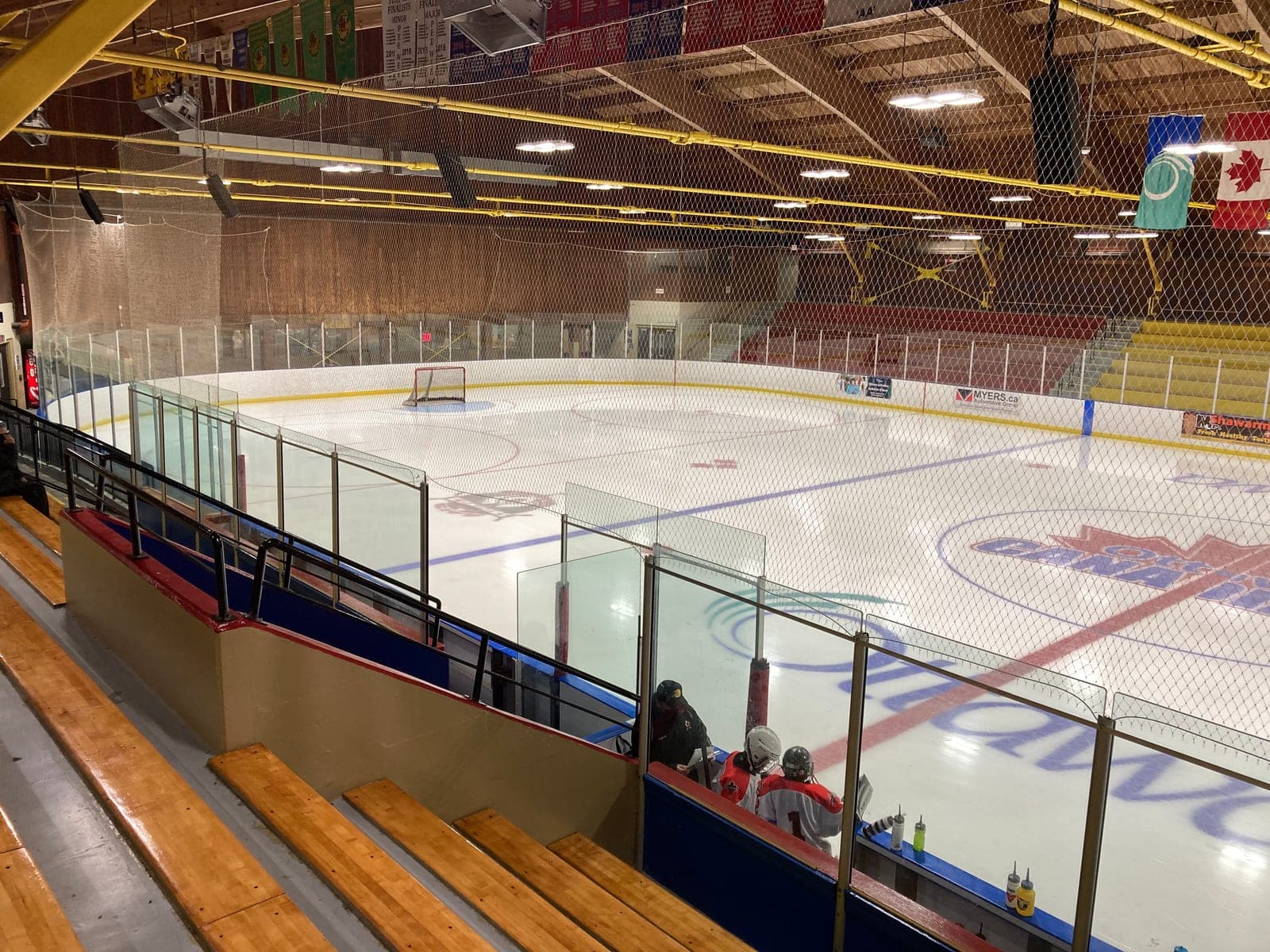
Ice Hockey
A fast team sport on ice that combines skating skill with quick passing and goal-scoring.
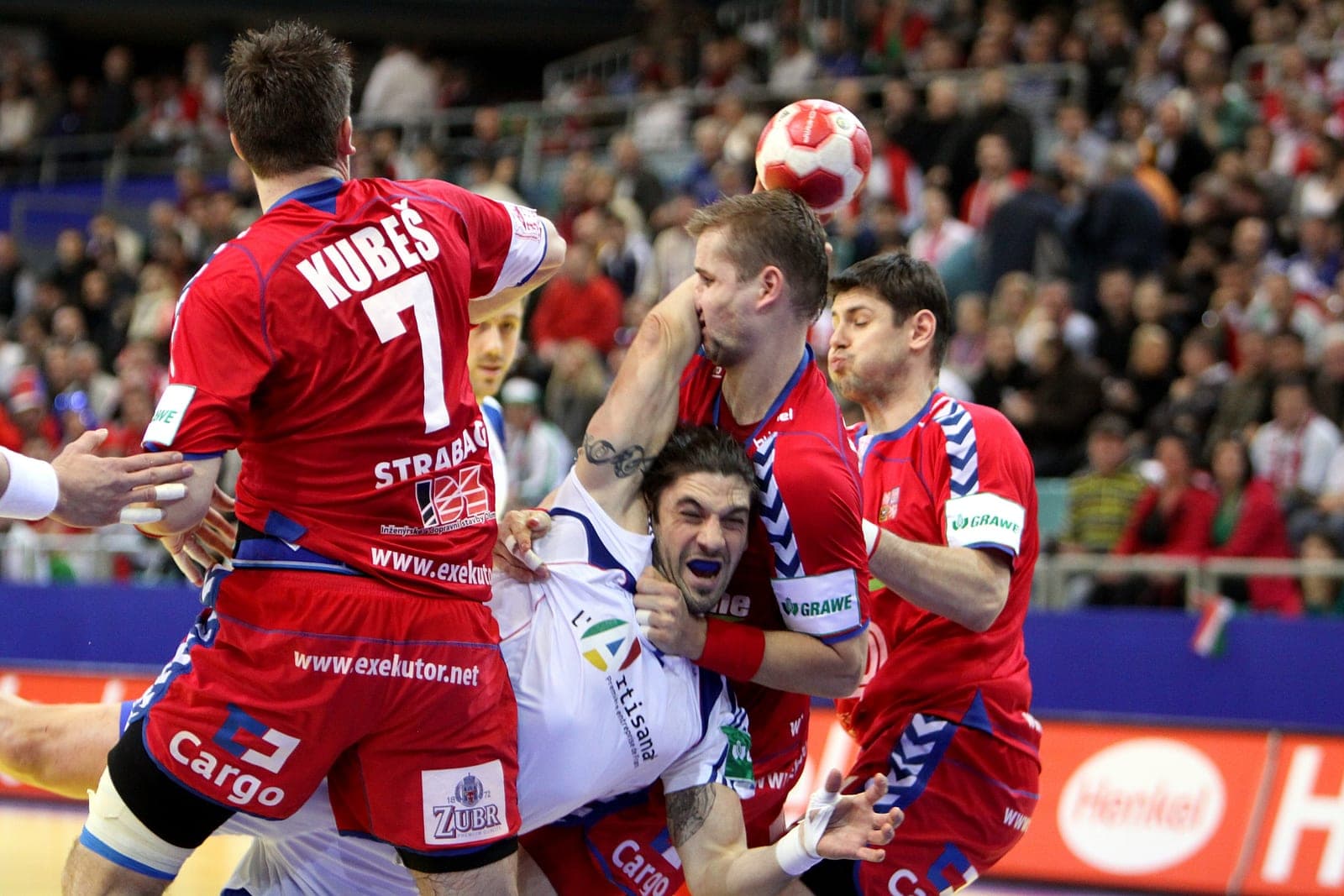
Handball
A fast indoor team sport of passing, jumping and throwing to score with the hands.
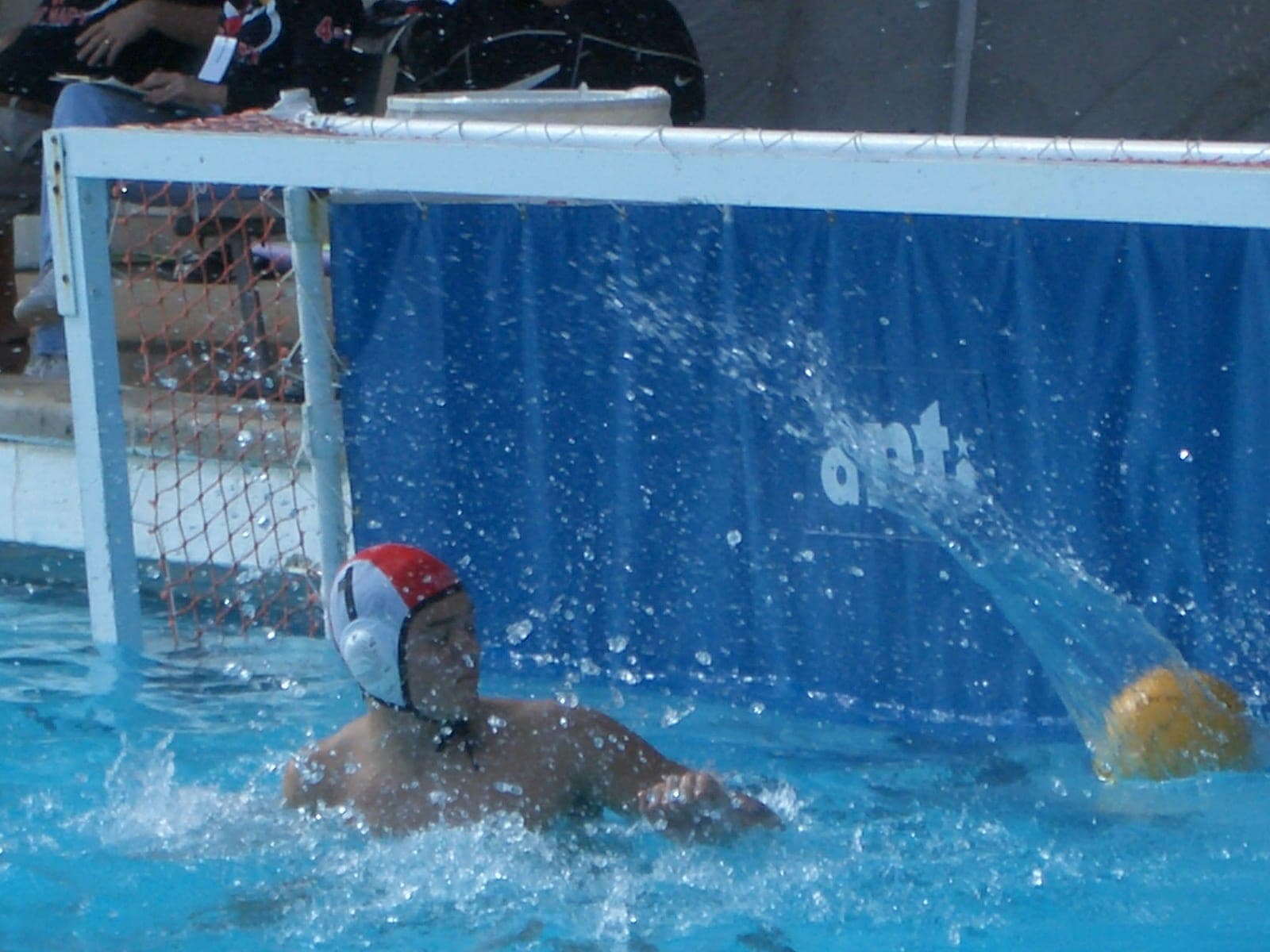
Water Polo
A demanding team sport played in deep water, blending swimming endurance with tactics.
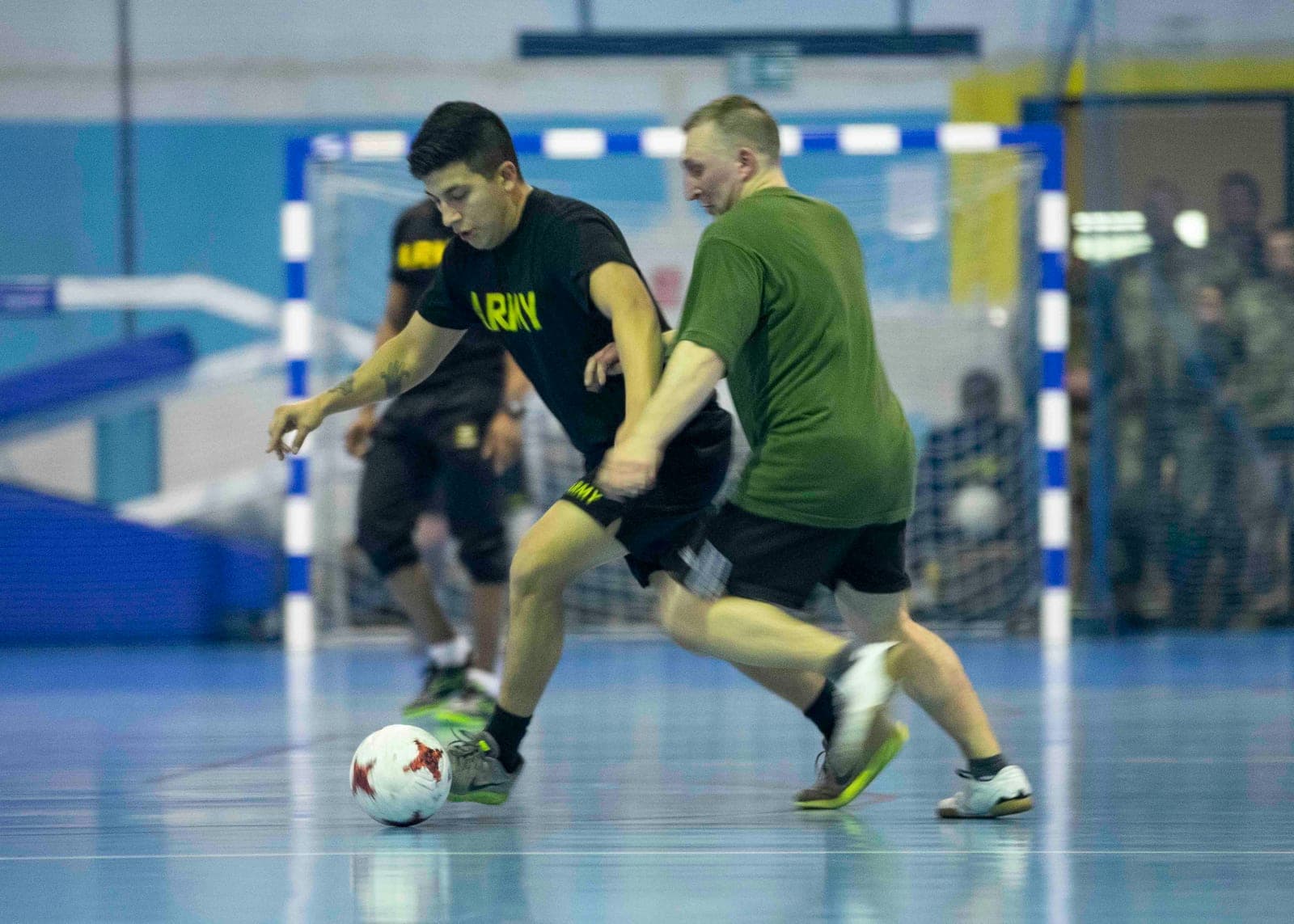
Futsal
A fast, small-sided indoor form of football played on a hard court with a low-bounce ball.
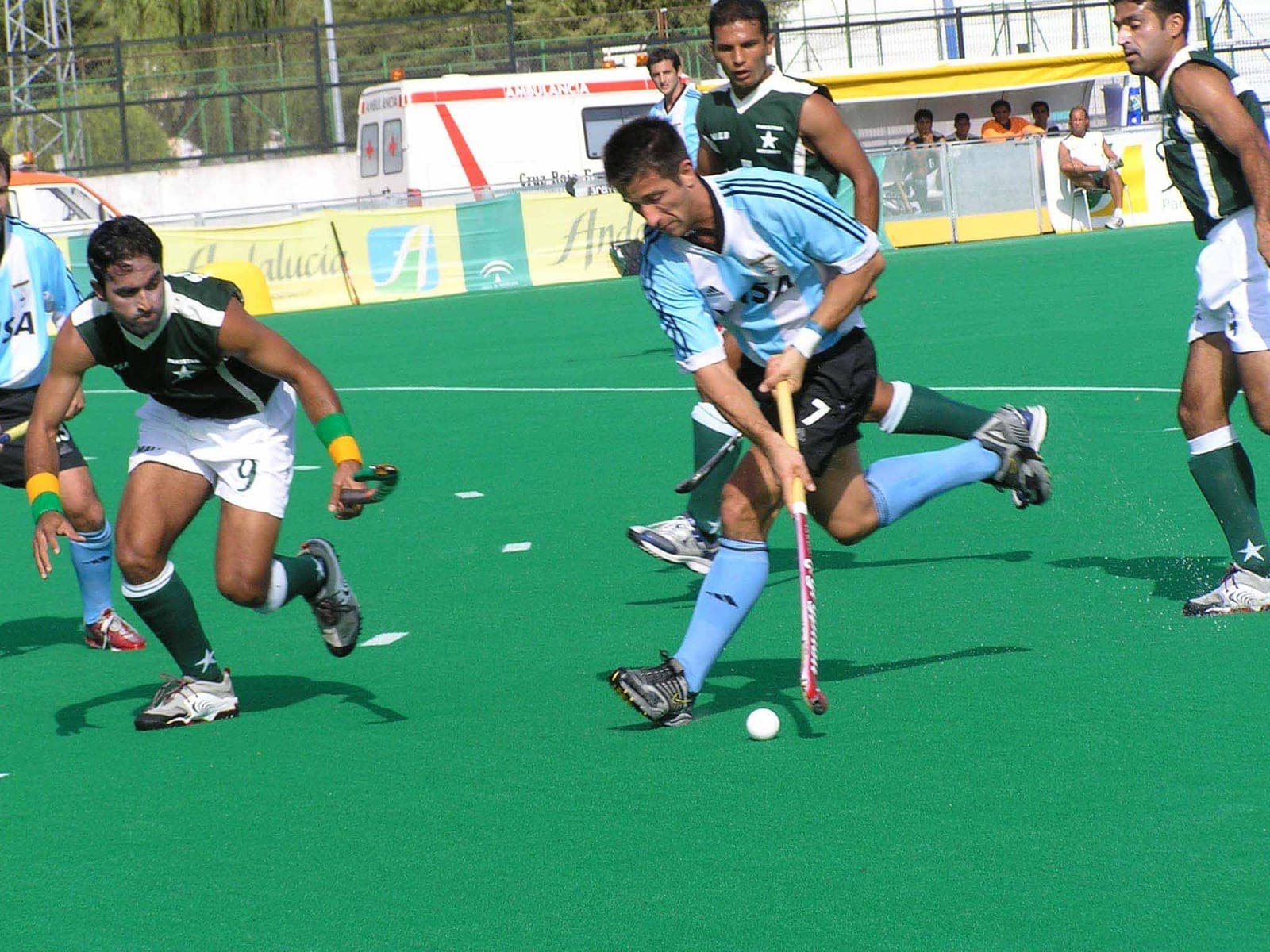
Field Hockey
An outdoor team sport that uses curved sticks to move a ball, built on agility and teamwork.
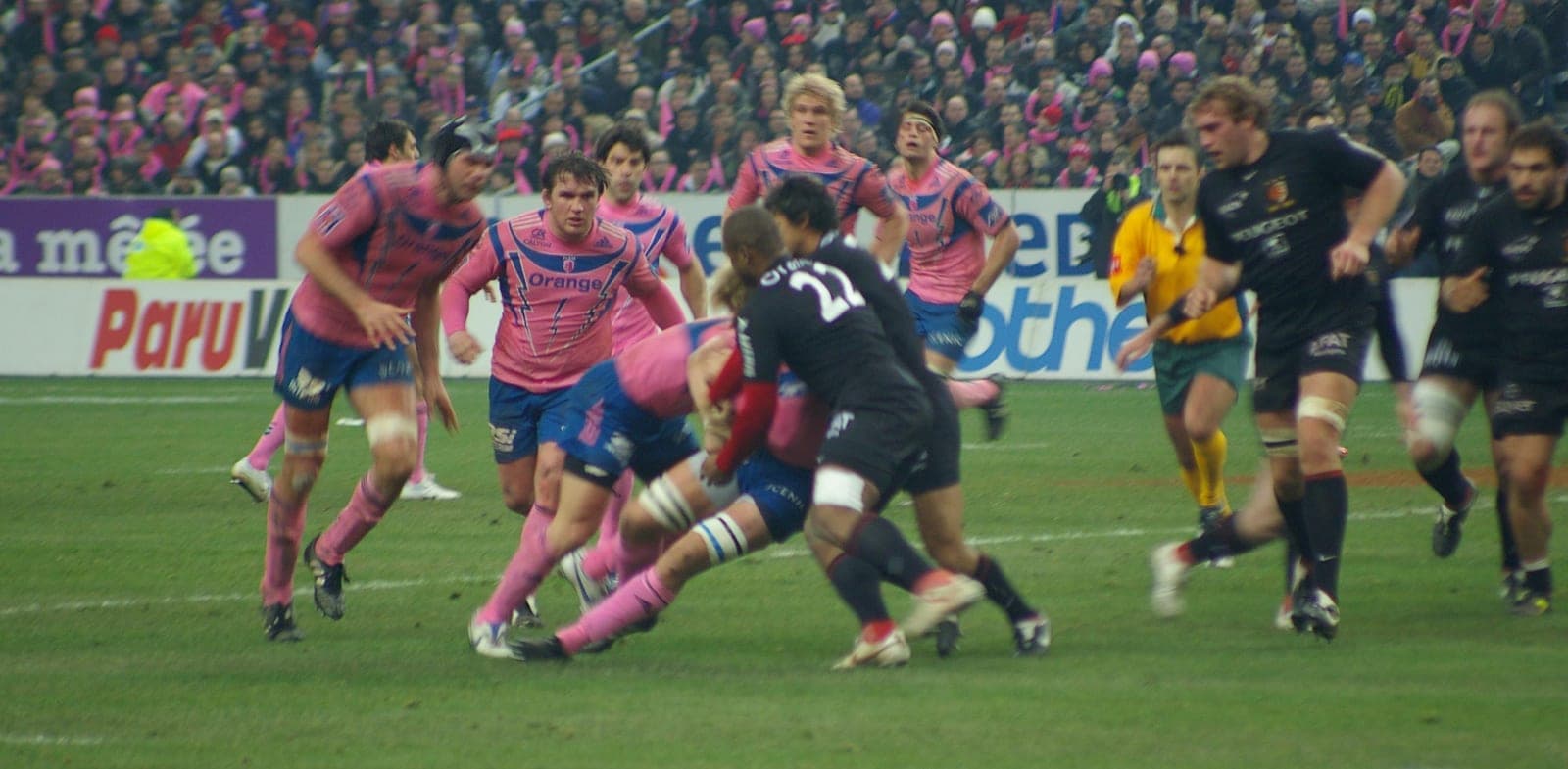
Rugby
A physical team sport of carrying, passing and kicking an oval ball toward the opposing line.
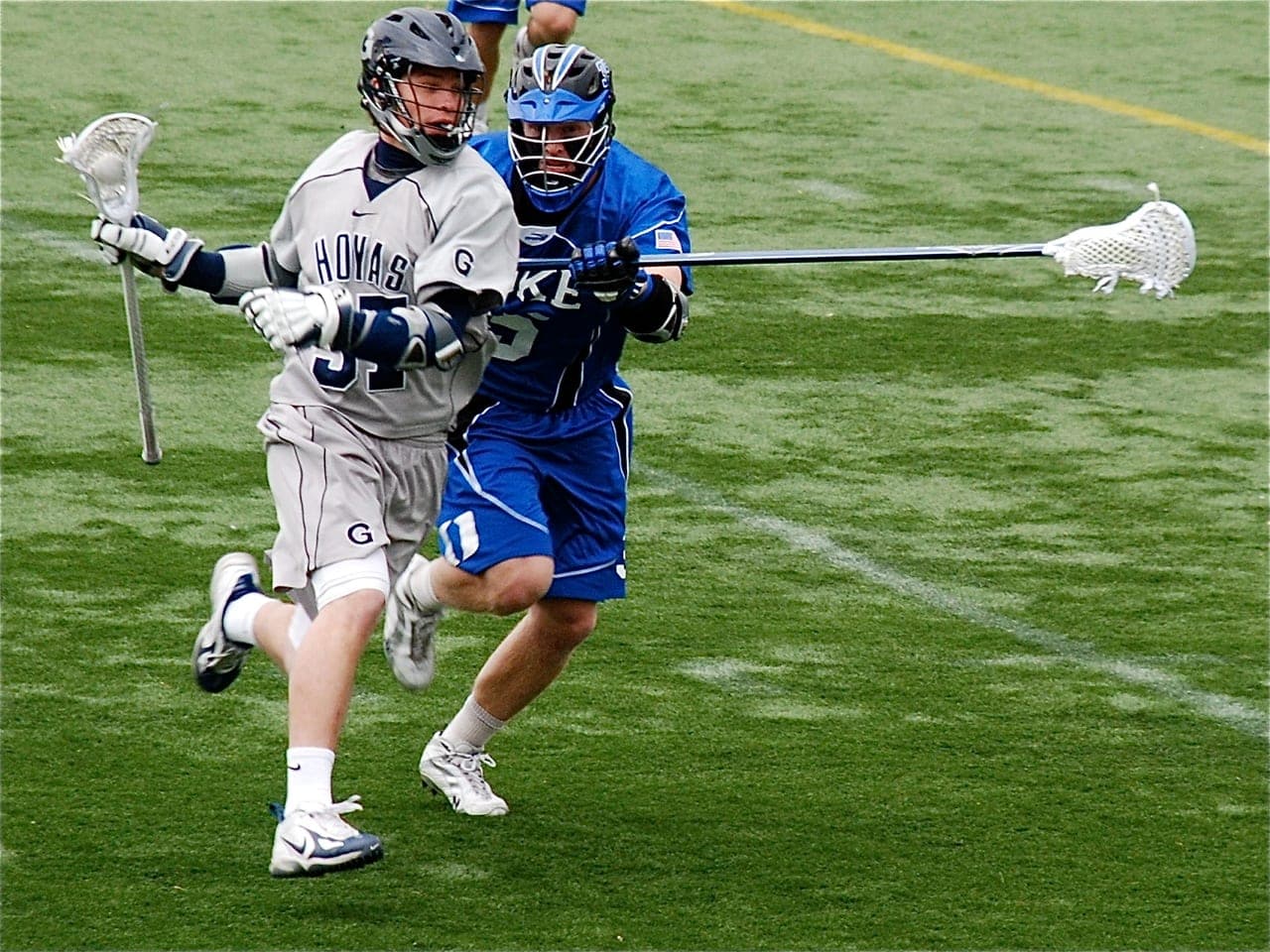
Lacrosse
A fast, stick-and-ball team sport of catching, cradling and shooting a small ball toward a goal.
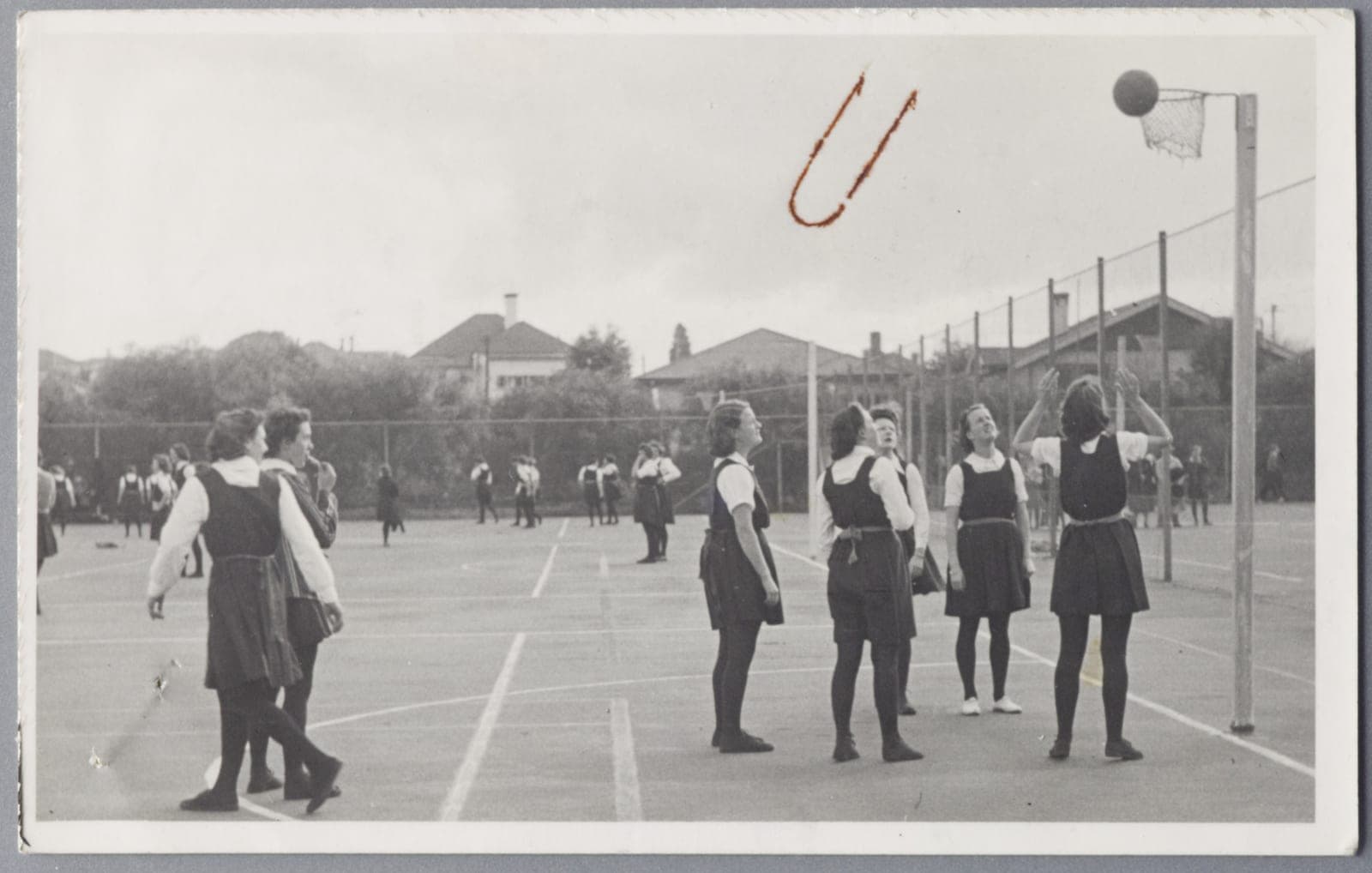
Netball
A non-contact, position-based team sport of quick passing and accurate shooting.
Related strategies
Attacking vs Defensive Balance
The overarching choice a team or athlete makes about how much to commit to creating scoring chances versus avoiding conceding, and when to shift it.
Pacing and Energy Management
Pacing and energy management is the overarching plan for distributing a limited supply of physical effort across an event so you avoid fading early and finish strong.
Controlling Tempo
Controlling tempo is the strategy of dictating the pace and rhythm of play — speeding up or slowing down — to suit your strengths and unsettle opponents.
Explore across the knowledge base
Follow the threads that connect Transition Play to the rest of SocialSportHub.
Tactics
- Counter-attackWinning the ball and moving forward at speed to attack before the opponent can reorganise their defence.
- Fast breakPushing the ball up court at speed after a turnover or rebound to score before the defence sets up.
- High pressA football tactic where a team hunts the ball high up the pitch to win it back close to the opponent’s goal.
- Full-court pressAn aggressive basketball defence that pressures the ball across the whole court to force turnovers.
- Zone defenceA defensive system where each player guards an area of the court rather than a specific opponent.
Skills
- PassingThe skill of moving the ball to a teammate accurately to keep possession and create chances.
- SprintingThe skill of running or riding at maximum controlled speed over a short distance.
- MarkingThe defensive skill of staying close to an opponent to limit their space and options.
- BlockingThe skill of using the hands or body to stop or slow an opponent’s attack.
Positions
- Central midfielderA central midfielder operates in the middle of the pitch, linking defence and attack while contributing to both.
- Centre (netball)The centre is netball’s link between attack and defence, the only player allowed in every third except the two goal circles, and the player who takes the centre pass.
Learning paths
- Learn FootballA structured, educational learning path for football — from the rules to skills, techniques, tactics and training.
- Learn BasketballA structured, educational learning path for basketball — from the rules to skills, techniques, tactics and training.
- Learn RugbyA structured, educational learning path for rugby — from the rules to skills, techniques, tactics and training.
- Learn FutsalA structured, educational learning path for futsal — from the rules to skills, techniques, tactics and training.
- Learn HandballA structured, educational learning path for handball — from the rules to skills, techniques, tactics and training.
Coaching concepts
- Decision-Making PracticeTraining athletes to read cues and choose the right action under pressure — coupling perception to action, not just rehearsing physical technique in isolation.
- Constraints-Led PracticeA coaching approach that adjusts the task, environment or rules so a desired movement or decision emerges in practice, rather than being explicitly instructed.
- Small-Sided GamesPractising in scaled-down versions of a sport — fewer players, smaller area — so skills and decisions happen more often in a game-like setting.
- Transfer of TrainingWhether practice carries over to real performance — and why game-like, varied practice tends to transfer better than isolated, repetitive drills.
Decision making
- Transition decisionsThe choices made at the moment a situation flips — winning or losing the ball, and switching between attack and defence.
- When to defendJudging the moment to switch from attacking intent to protecting your goal, court or position — recognising when the situation calls for security over ambition.
- When to attackRecognising the moment to commit to an attacking action — spotting an opening and judging whether it is the right time to take it.
How this page is maintained
- Content type
- Strategy
- Provenance
- Tier A — evergreen educational
- Verified external sources
- 0
- Content updated
- 2026-09-12
Evergreen, first-party explanation — it makes no claim that needs an external source. How we handle sources and reviews.