
When to defend
Judging the moment to switch from attacking intent to protecting your goal, court or position — recognising when the situation calls for security over ambition.
Overview
When to defend is the decision of when to prioritise protecting your goal, court or position rather than pressing forward — a judgement, not a particular tackle, block or defensive system. It often follows a cue that an attack has broken down or an opponent has seized the initiative, and reads the need to regain security before committing to anything ambitious again.
Recognising the moment to reset, drop off or protect can stop a small disadvantage growing into a bigger one, so the choice trades ambition for control. It is closely tied to reading the game and assessing risk. When defending is the right call is contextual and varies by sport, score, role and phase of play, so there is no single rule for it.
How it works
- It is the decision of when to prioritise defending, not a specific defensive skill or system.
- It often follows a cue that an attack has broken down or an opponent has the initiative, and reads the need to regain security.
- Recognising the moment to reset or drop off can stop a small disadvantage becoming a bigger one.
- The choice trades ambition for control, so it is closely tied to reading the game and assessing risk.
- When defending is the right call is contextual — it varies by sport, score, role and phase of play.
In play
- In football or basketball, losing the ball is a trigger to switch quickly from attacking shape to defending space.
- In racket sports, being pushed out of position often means playing a defensive, resetting shot rather than a winner.
- Protecting a lead late in a match can shift a whole team toward more cautious, defensive decisions.
Educational — and it varies
Where it shows up
Sports where this decision is especially visible — each with a clear guide.

Football
The world’s most popular team sport — endless running, teamwork and community in one game.

Basketball
A fast, dynamic team sport of running, jumping and quick decisions on court.
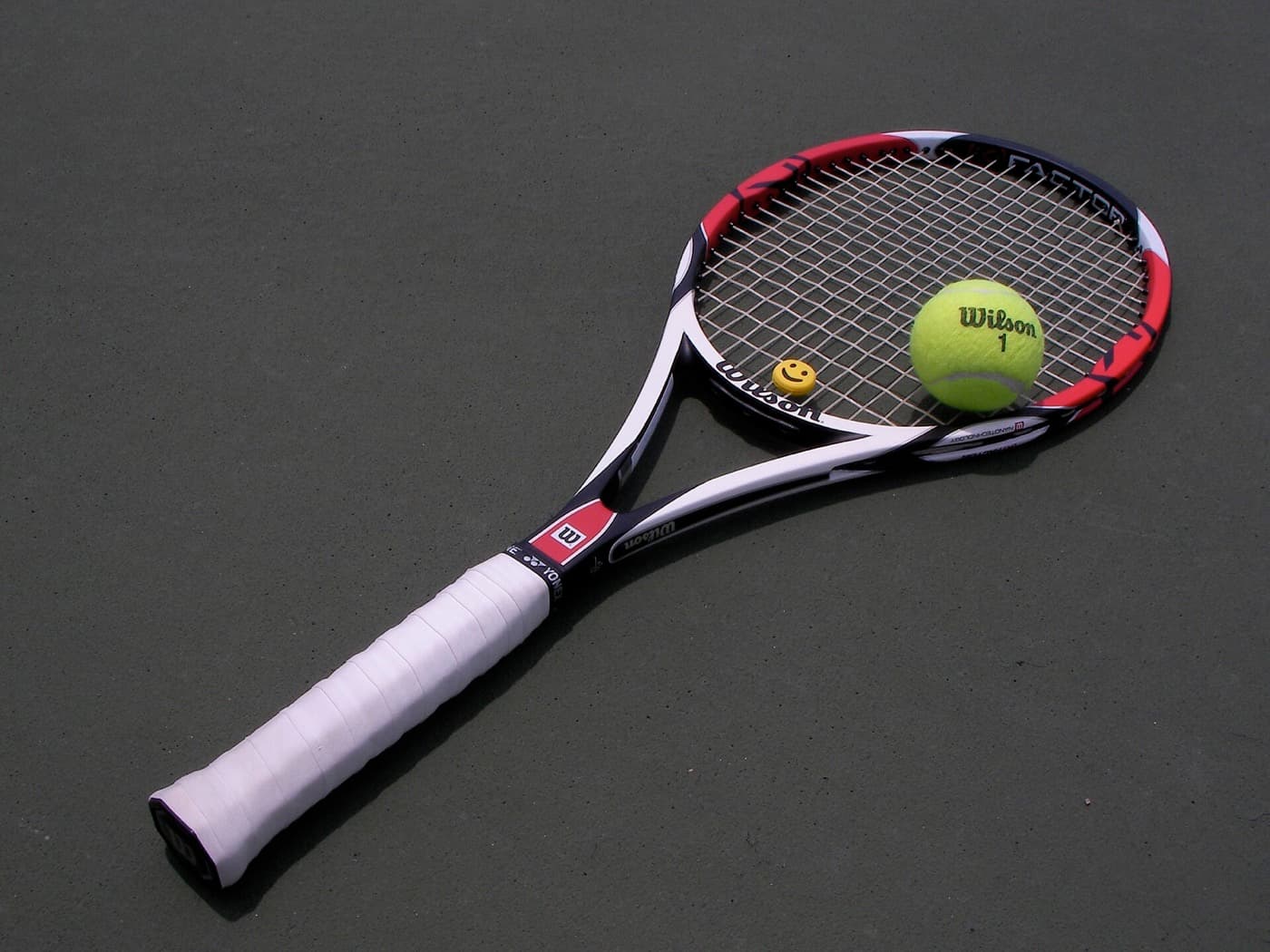
Tennis
A singles or doubles racquet sport that blends agility, strategy and stamina on court.
Frequently asked questions
When should a player choose to defend rather than attack?
It is often prompted by a cue that an attack has broken down or an opponent has the initiative, when regaining security matters more than pressing forward. The choice trades ambition for control, and when it is the right call tends to vary with the sport, the score, your role and the phase of play.
Explore across the knowledge base
Follow the threads that connect When to defend to the rest of SocialSportHub.
Tactics
- Zone defenceA defensive system where each player guards an area of the court rather than a specific opponent.
- Counter-attackWinning the ball and moving forward at speed to attack before the opponent can reorganise their defence.
- Wing playAttacking down the flanks and crossing the ball into the box to stretch the defence and create chances.
- Phase playHow rugby union teams attack by keeping the ball through successive rucks — what a phase is, why phases move a defence, and the cost that eventually makes a team stop.
Strategies
- Transition PlayTransition play is the strategy of switching quickly between attack and defence the moment possession changes, exploiting the opponent's brief disorganisation.
- Attacking vs Defensive BalanceThe overarching choice a team or athlete makes about how much to commit to creating scoring chances versus avoiding conceding, and when to shift it.
Techniques
- Forward and back defenceThe two strokes a batter survives with — the forward defensive and the back defensive — when each is the right choice, and why a defensive stroke is a decision about length rather than intent.
- Volleyball SpikeA powerful attacking hit that drives the ball sharply downward over the net into the opponent's court, usually after an approach and jump.
- Volleyball DigA defensive contact that keeps a hard-driven ball in play by passing it up off the forearms, usually from a low position.
- The slice in tennisThe underspin stroke that changes a rally's height and pace — how slice keeps the ball low, when it is defensive and when it is an attack, and what it does on different surfaces.
Sports communication
- Transition communicationCommunicating in the fast switch between attack and defence — flagging a turnover, a counter or a break so teammates react together.
- Defensive communicationTalking and signalling on defence — organising who marks whom, calling switches and warning teammates — to stay coordinated without the ball.
- Calling for the ballLetting a teammate know you are open and want the pass — usually a short, clear call made at the right moment.
How this page is maintained
- Content type
- Decision-making concept
- Provenance
- Tier A — evergreen educational
- Verified external sources
- 0
- Content updated
- 2026-07-12
Evergreen, first-party explanation — it makes no claim that needs an external source. How we handle sources and reviews.