
Zone defence
A defensive system where each player guards an area of the court rather than a specific opponent.
Overview
In a zone defence, defenders are responsible for a section of the court and cover whichever attacker enters it, rather than following one assigned opponent around the floor.
Zones protect key scoring areas, help a team contest passing lanes and can hide slower or foul-prone defenders. The trade-off is vulnerability to accurate outside shooting and quick ball movement that shifts the zone out of shape.
Key points
- Each defender guards a space and picks up any attacker who enters it.
- Common shapes describe how players are spread across the court and key.
- Zones clog the middle and protect the highest-percentage scoring areas.
- Fast passing and outside shooting are the main ways to break a zone down.
- It can protect a defender in foul trouble by limiting direct one-on-one duels.
Where it’s used
Sports that use zone defence:
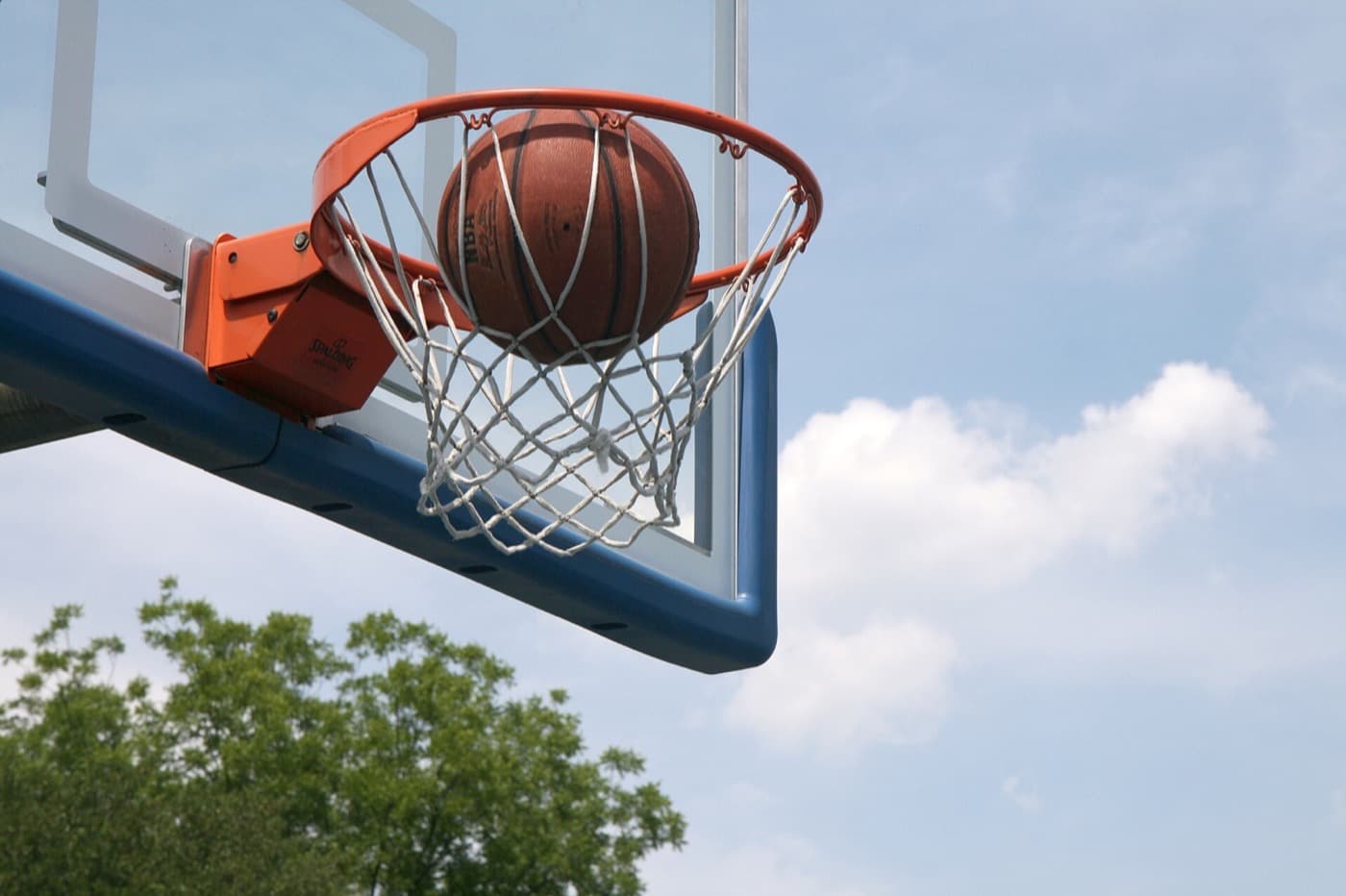
Basketball
A fast, dynamic team sport of running, jumping and quick decisions on court.
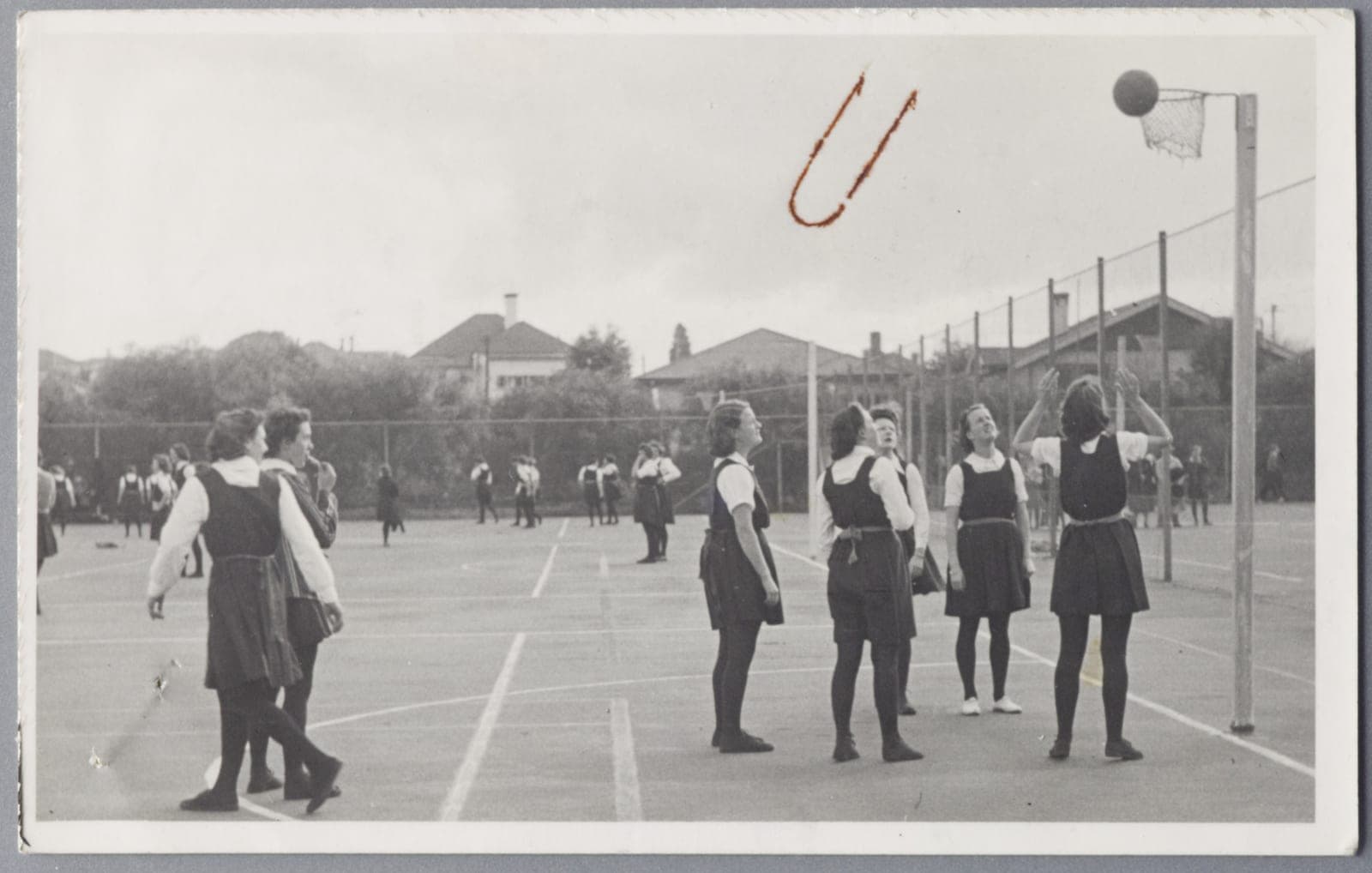
Netball
A non-contact, position-based team sport of quick passing and accurate shooting.
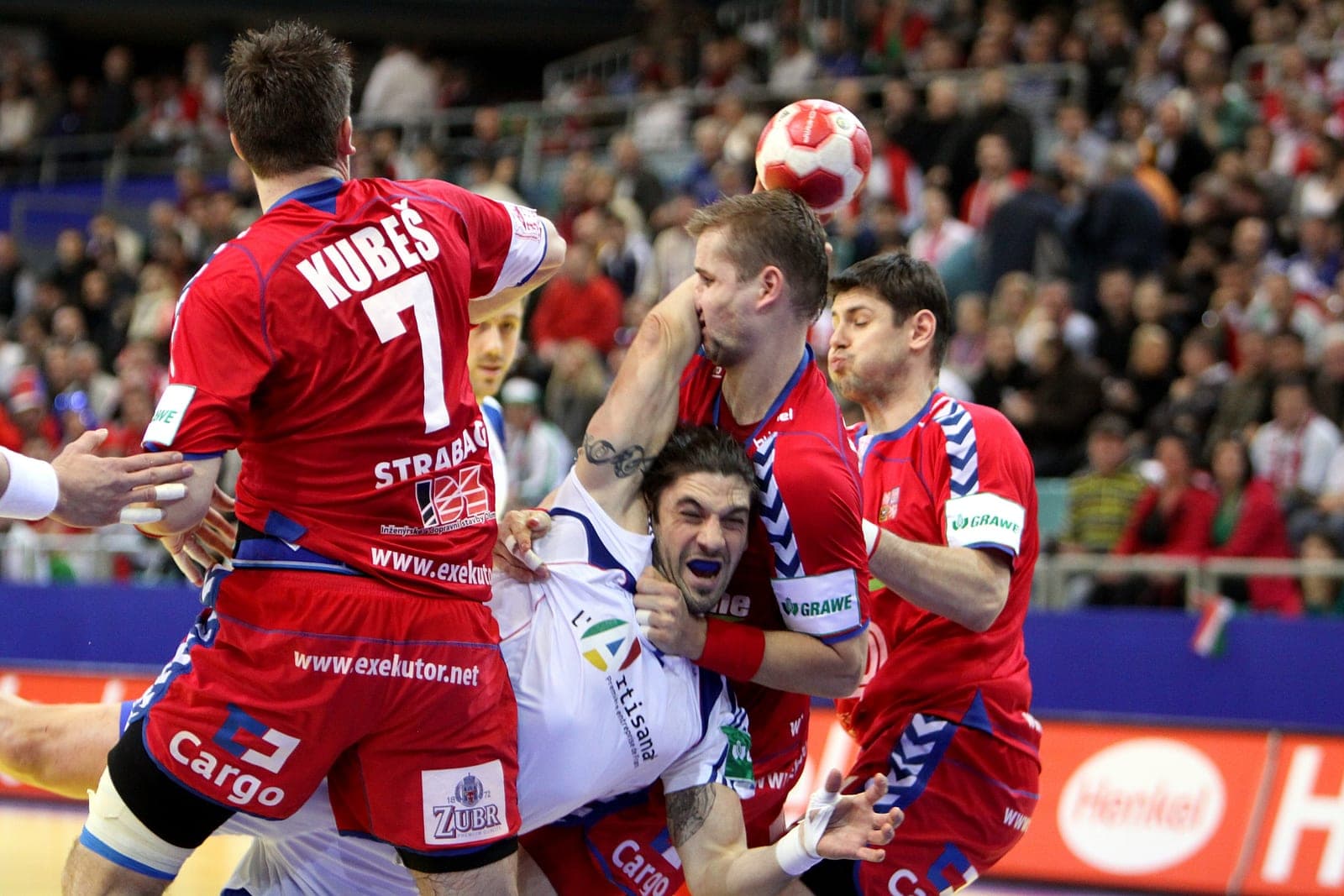
Handball
A fast indoor team sport of passing, jumping and throwing to score with the hands.
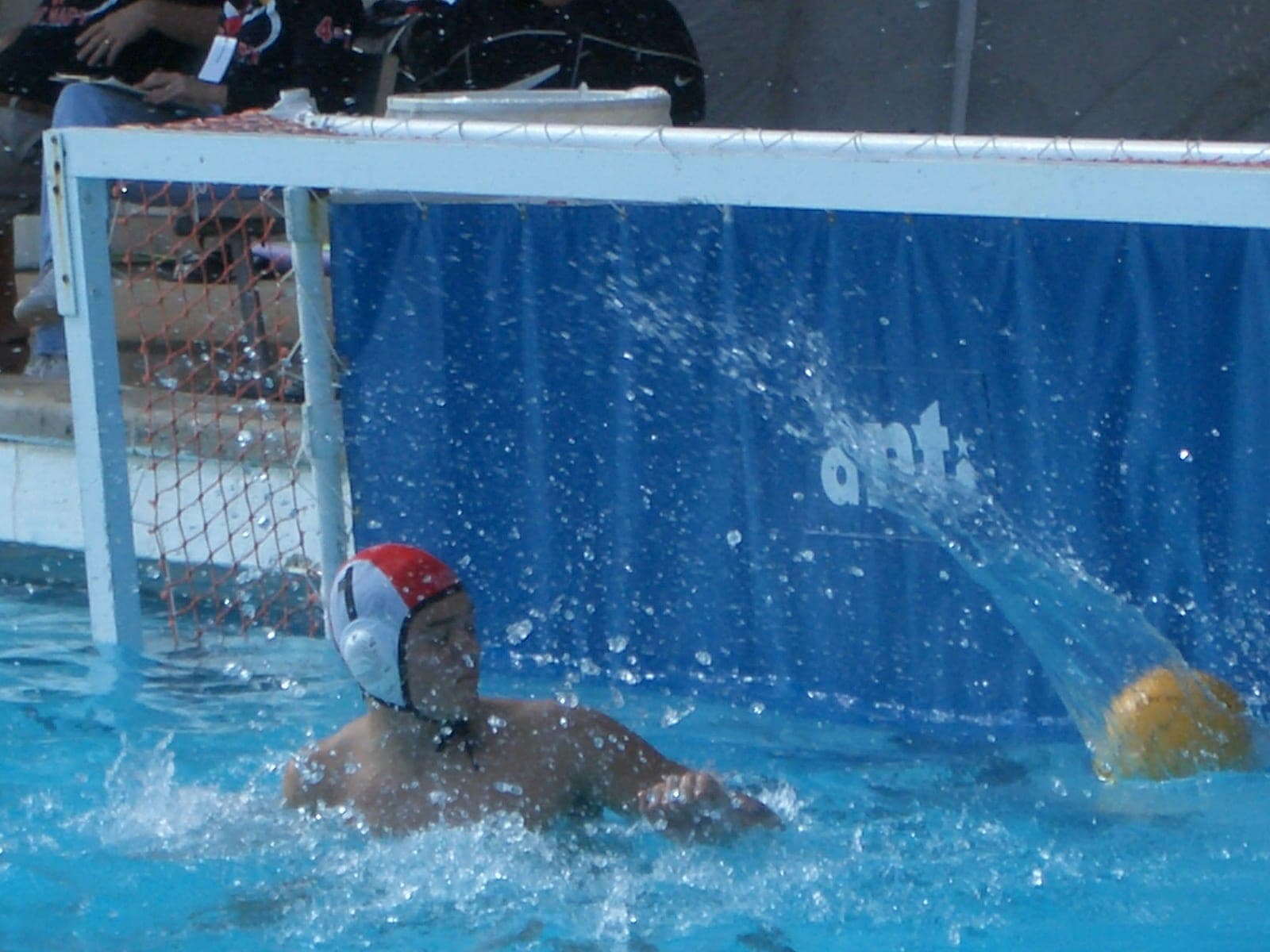
Water Polo
A demanding team sport played in deep water, blending swimming endurance with tactics.
Related tactics
High press
A football tactic where a team hunts the ball high up the pitch to win it back close to the opponent’s goal.
Possession play
A patient football style that keeps the ball through short passing to control the game and tire opponents.
Counter-attack
Winning the ball and moving forward at speed to attack before the opponent can reorganise their defence.
How it connects
The meaning-bearing relationships that place Zone defence in the wider knowledge graph — each one with the reason it exists.
Frequently learned together
Taught side by side in the same stage of a learning path.
- Counter-attackBoth are taught in the “Understand tactics & strategy” stage of the Basketball learning path.
- Man-to-man markingBoth are taught in the “Understand tactics & strategy” stage of the Basketball learning path.
- Pick and rollBoth are taught in the “Understand tactics & strategy” stage of the Basketball learning path.
- Fast breakBoth are taught in the “Understand tactics & strategy” stage of the Basketball learning path.
- Full-court pressBoth are taught in the “Understand tactics & strategy” stage of the Basketball learning path.
Explore across the knowledge base
Follow the threads that connect Zone defence to the rest of SocialSportHub.
Strategies
- Attacking vs Defensive BalanceThe overarching choice a team or athlete makes about how much to commit to creating scoring chances versus avoiding conceding, and when to shift it.
- Possession vs Direct PlayThe strategic choice between retaining the ball to build attacks patiently and moving it forward quickly and directly toward the goal.
- Zone vs Man MarkingTwo defensive systems compared: zonal marking guards areas of the field, while man-to-man marking assigns each defender a specific opponent to track.
- Game managementAdapting how a team or athlete plays to the scoreline and time remaining — protecting a lead, chasing a result or seeing out the closing stages.
- Exploiting MatchupsSteering play toward the pairings where you hold an advantage while shielding the pairings where an opponent could hurt you.
Player roles
- AnchorThe anchor is a cross-sport holding role: a steadying, defensive-minded player who shields the back line, screens danger and gives teammates a reliable base.
- SweeperA covering defender who plays behind the main defensive line, free of a fixed marking job, to read danger and clean up attacks that slip past teammates.
- Ball-winnerA ball-winner is the player tasked with regaining possession through pressing, tackling and interceptions — a team's tireless defensive workhorse.
Positions
- Centre-backA centre-back is a central defender in football whose main job is to stop opposing attackers and clear the ball from dangerous areas.
- Defensive midfielderA defensive midfielder sits in front of the defence, breaking up opposition attacks and shielding the back line.
- Power forwardThe power forward plays near the basket in basketball, using strength to rebound, score inside, and defend the paint.
- CenterThe center is usually the tallest player on a basketball team, playing near the basket to score inside, rebound, and protect the rim.
- GoalkeeperThe goalkeeper is the last line of defence in football and the only player allowed to handle the ball inside their own penalty area.
Learning paths
- Learn BasketballA structured, educational learning path for basketball — from the rules to skills, techniques, tactics and training.
- Learn HandballA structured, educational learning path for handball — from the rules to skills, techniques, tactics and training.
- Learn NetballA structured, educational learning path for netball — from the rules to skills, techniques, tactics and training.
- Learn Water PoloA structured, educational learning path for water polo — from the rules to skills, techniques, tactics and training.
Sports communication
- Defensive communicationTalking and signalling on defence — organising who marks whom, calling switches and warning teammates — to stay coordinated without the ball.
- Transition communicationCommunicating in the fast switch between attack and defence — flagging a turnover, a counter or a break so teammates react together.
Go deeper with Zone defence
Everywhere else on the platform that covers Zone defence — assembled from what actually references it, so nothing here is a dead end.
Learn it
Structured courses and paths on the platform that cover this directly.
- Basketball courseTeaches Zone defence in its “Understand tactics & strategy” stage.
- Handball courseTeaches Zone defence in its “Understand tactics & strategy” stage.
- Netball courseTeaches Zone defence in its “Understand tactics & strategy” stage.
- Water Polo courseTeaches Zone defence in its “Understand tactics & strategy” stage.
How this page is maintained
- Content type
- Tactic
- Provenance
- Tier A — evergreen educational
- Verified external sources
- 0
- Content updated
- 2026-09-12
Evergreen, first-party explanation — it makes no claim that needs an external source. How we handle sources and reviews.