
Pass selection
Choosing which pass to play, and to whom, from the options a moment offers — weighing space, risk and what the team is trying to do.
Overview
Pass selection is the decision of which pass to make and to which team-mate, given the space available, the positions of others and what the team is trying to achieve. It sits apart from the skill of passing itself: you can strike a pass cleanly and still choose the wrong one, or pick the perfect ball and mishit it. The choice and the execution are related but separate.
Good selection often means keeping options open and matching the pass to the intent of the moment rather than always attempting the most eye-catching ball. What makes a pass the right one is contextual and varies by sport, level and phase of play, so it tends to develop through playing and reading the game rather than from a fixed rule.
How it works
- It is the choice of which pass to make and to which team-mate, separate from how cleanly you strike it.
- The decision reads the space, the positions of team-mates and opponents, and the lanes a pass could travel through.
- A short safe pass and a risky forward one can both be right — it depends on what the moment calls for.
- Good selection tends to keep options open and match the pass to the team's intent, not just the boldest ball.
- What counts as a good pass is contextual — it varies by sport, level and phase of play.
In play
- In football, it might mean choosing a simple retaining pass under pressure over a low-percentage line-breaking ball.
- In basketball, it can mean reading whether a team-mate will still be open by the time the ball arrives.
- In volleyball, a setter's choice of which attacker to feed is a form of pass selection shaped by the block and the pass quality.
Educational — and it varies
Where it shows up
Sports where this decision is especially visible — each with a clear guide.

Football
The world’s most popular team sport — endless running, teamwork and community in one game.
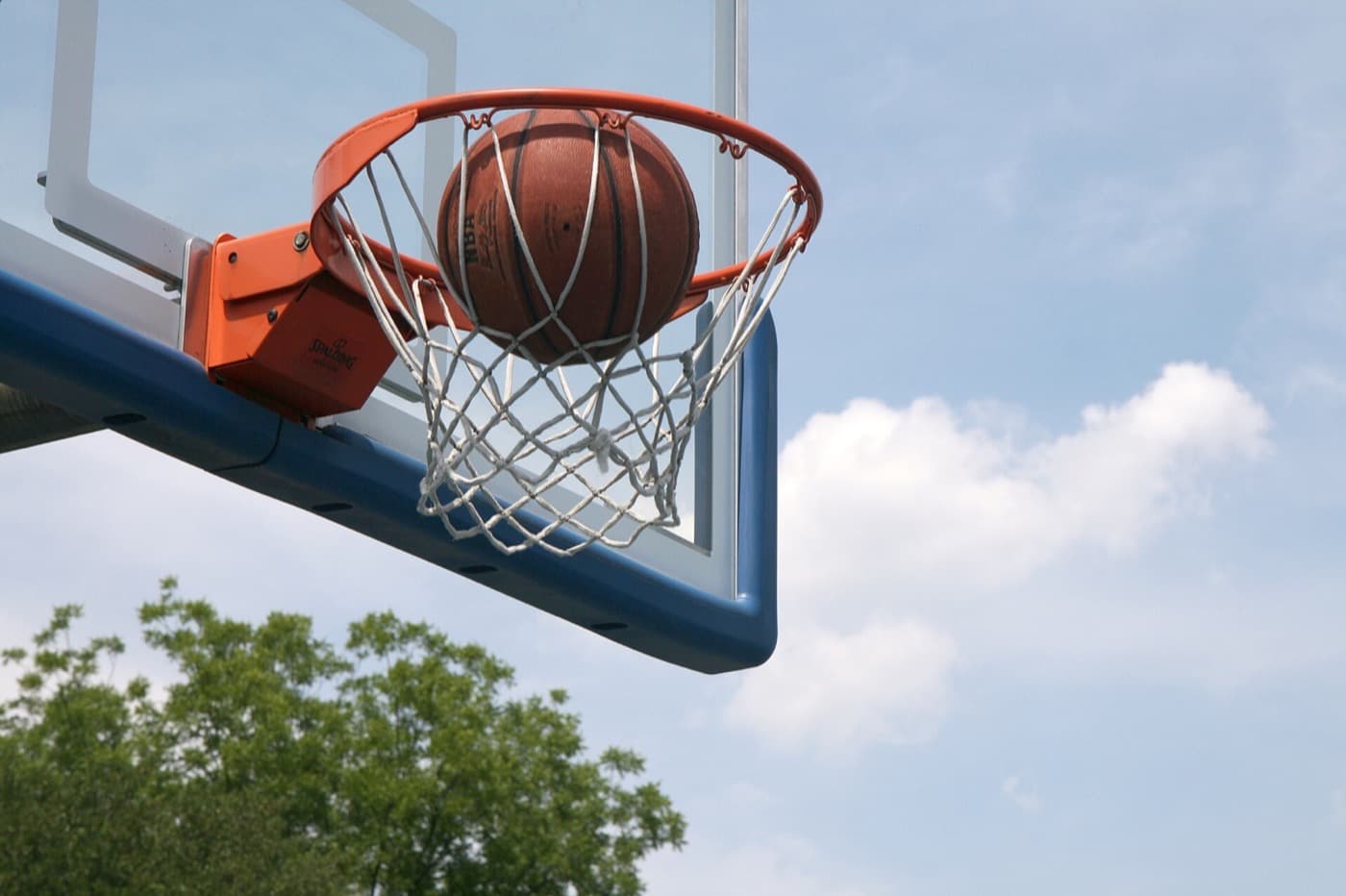
Basketball
A fast, dynamic team sport of running, jumping and quick decisions on court.
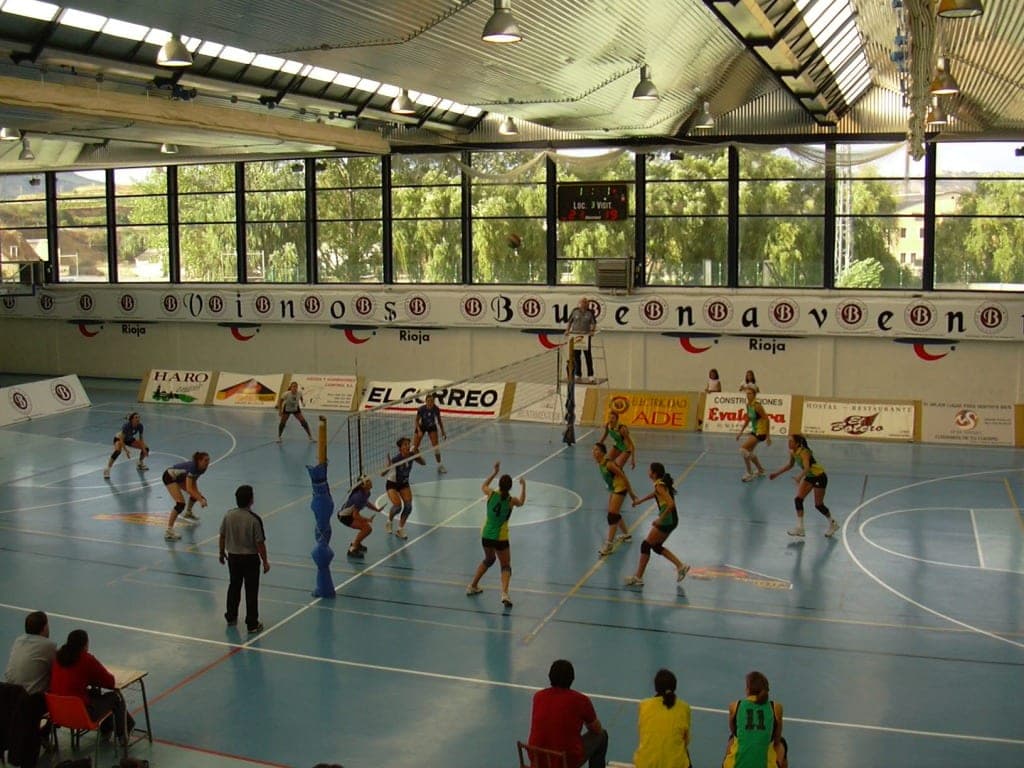
Volleyball
A non-contact team sport of rallies, jumps and teamwork — indoors or on the beach.
Frequently asked questions
What is pass selection in sport?
It is the decision of which pass to play and to whom, weighing the space, the positions of others and what the team is trying to do — separate from how well you execute the pass. A safe retaining ball and an ambitious forward one can each be the right choice depending on the moment, and what works tends to vary by sport, level and phase of play.
Explore across the knowledge base
Follow the threads that connect Pass selection to the rest of SocialSportHub.
Skills
Tactics
Knowledge Atlas
Sports communication
How this page is maintained
- Content type
- Decision-making concept
- Provenance
- Tier A — evergreen educational
- Verified external sources
- 0
- Content updated
- 2026-07-12
Evergreen, first-party explanation — it makes no claim that needs an external source. How we handle sources and reviews.