
Captain communication
How a team's designated captain relays decisions, sets a tone and — in many sports — acts as the recognised point of contact with officials.
Overview
A captain is usually a designated player who carries some communication duties beyond their own position: relaying the coach's or team's decisions on the field, setting a tone through how they talk, and, in many sports, being the recognised person who speaks with match officials. The exact remit is set by the sport's laws and by the team, so a captain's job varies a great deal from game to game.
Being captain does not automatically make someone the loudest voice or the only leader — it is a formal role about representing and connecting the team. Good captain communication tends to be clear, calm and consistent rather than constant, and much of it is learned from the particular culture of a sport and squad. On its own it is not a guarantee of results.
How it works
- A captain is a designated player who carries communication duties beyond their own position — relaying decisions and setting a tone.
- In many sports the captain is the recognised point of contact with match officials, though what they may say is limited by the rules.
- The role is formal and defined by the sport's laws and the team, so a captain's exact duties vary widely.
- It is a role, not a claim that the captain is the only leader or must be the loudest voice.
- Clarity, calm and consistency tend to matter more than talking constantly.
In practice
- In football or cricket the captain often handles the coin toss and is the player officials expect to speak to about decisions.
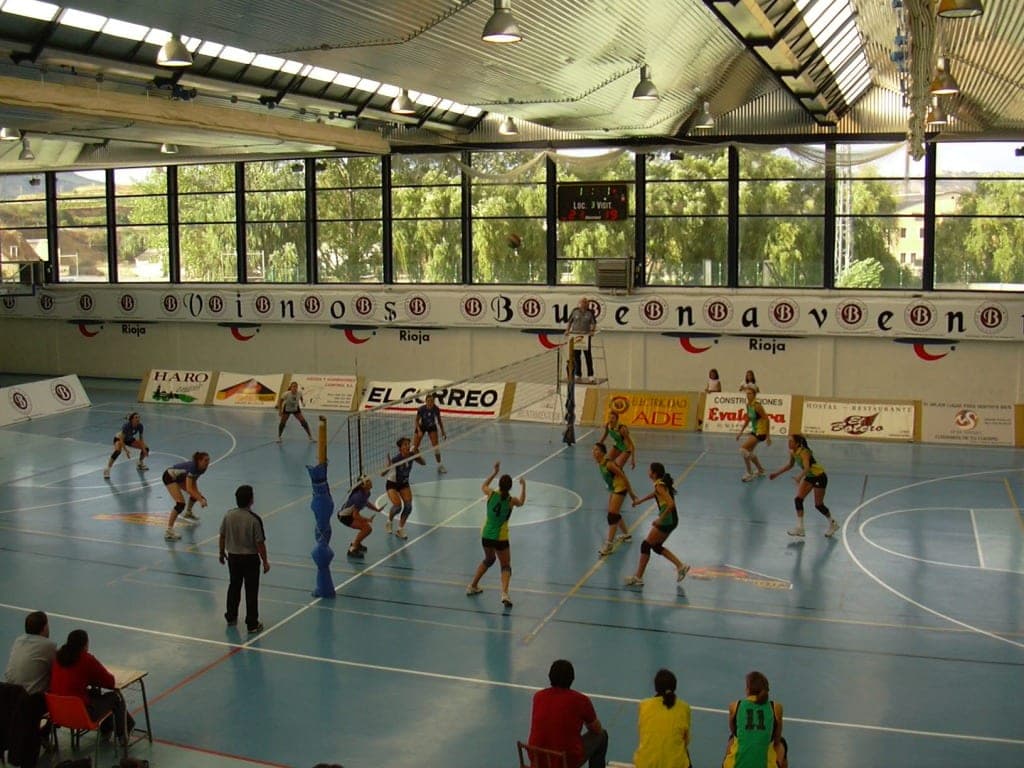
- In volleyball the rules can restrict which player may address the referee, so the captain's role at the net or on the bench is defined quite precisely.
- Many recreational teams rotate or share the captaincy, so how much a captain actually communicates differs by level and team culture.
Educational — and it varies
Where it shows up
Sports where this communication is especially visible — each with a clear guide.

Football
The world’s most popular team sport — endless running, teamwork and community in one game.
Volleyball
A non-contact team sport of rallies, jumps and teamwork — indoors or on the beach.

Basketball
A fast, dynamic team sport of running, jumping and quick decisions on court.
Frequently asked questions
What does a captain actually do in terms of communication?
A captain is usually a designated player who relays team or coaching decisions on the field, sets a tone through how they speak, and in many sports is the recognised person who talks with officials. The exact duties are defined by the sport's laws and the team, so they vary widely. Being captain does not mean being the only leader or the loudest voice.
Is the captain the team's only leader?
Not usually — the captaincy is a formal role, but leadership in a team tends to come from several players, some of it informal. A captain's job is more about representing and connecting the group, and how that plays out varies a lot by sport, team and level.
Explore across the knowledge base
Follow the threads that connect Captain communication to the rest of SocialSportHub.
Officiating
- RefereeThe primary on-field official who enforces the rules, controls play, penalises fouls, awards restarts, and blows the whistle to start and stop a match.
- AdvantageIn many sports, officials let play continue after a foul when stopping would help the offender, so the fouled team keeps the advantage it has gained.
- Video ReviewVideo review lets officials re-examine footage of a contested moment to confirm or overturn a close call — a goal, a line, a foul — an aid used across many sports.
- Line JudgeA boundary-line official who calls whether the ball or player is in or out and flags foot faults, working under the head referee across many sports.
Player roles
- AnchorThe anchor is a cross-sport holding role: a steadying, defensive-minded player who shields the back line, screens danger and gives teammates a reliable base.
- CaptainThe captain is a team's on-field leader who communicates, makes in-game decisions and sets standards — a role any player can hold, not a fixed position.
Knowledge Atlas
Positions
- SetterThe setter is volleyball’s playmaker, taking the team’s second contact and delivering accurate sets for hitters to attack.
- Middle blockerThe middle blocker plays in the centre of the net, leading the team’s blocking and attacking with fast, quick sets.
- Centre-backA centre-back is a central defender in football whose main job is to stop opposing attackers and clear the ball from dangerous areas.
- Point guardThe point guard is basketball’s primary ball-handler and playmaker, running the offence and setting up teammates to score.
- Fly-halfThe fly-half is rugby’s chief decision-maker and tactical kicker, directing the backline and controlling how the team attacks.
Scoring systems
- Volleyball scoringVolleyball uses rally scoring, in which a point is won on every rally, and matches are decided over a best-of-five sets.
- Tennis scoringTennis is scored in points, games and sets, using the distinctive 15–30–40 point sequence and a win-by-two margin at every level.
- Badminton scoringBadminton uses rally scoring to 21 points per game, with matches decided over the best of three games.
Rules
- Three-hit ruleThe volleyball rule that a team may contact the ball at most three times before it must cross the net.
- Innings and oversHow a cricket match is structured — what an innings is, why an over is six balls, how the bowling end alternates, and which parts of the structure the Laws fix and which a competition sets.
How this page is maintained
- Content type
- Communication concept
- Provenance
- Tier A — evergreen educational
- Verified external sources
- 0
- Content updated
- 2026-07-12
Evergreen, first-party explanation — it makes no claim that needs an external source. How we handle sources and reviews.