
Possession play
A patient football style that keeps the ball through short passing to control the game and tire opponents.
Overview
Possession play prioritises retaining the ball with short, accurate passing and constant movement, using control of the ball to dictate tempo and probe for openings.
By keeping possession a team limits the opponent’s chances, draws defenders out of position and waits for the gap to play a decisive pass. It demands technical passers, good spacing and players who move to create angles.
Key points
- The ball is circulated to move opponents and open passing lanes rather than to rush forward.
- Players constantly offer short passing angles to keep possession secure.
- Width and depth stretch the opposition and create room between their lines.
- Keeping the ball is itself a defensive act — opponents cannot score without it.
- Patience is key: the killer pass is played only when a genuine opening appears.
Where it’s used
Sports that use possession play:
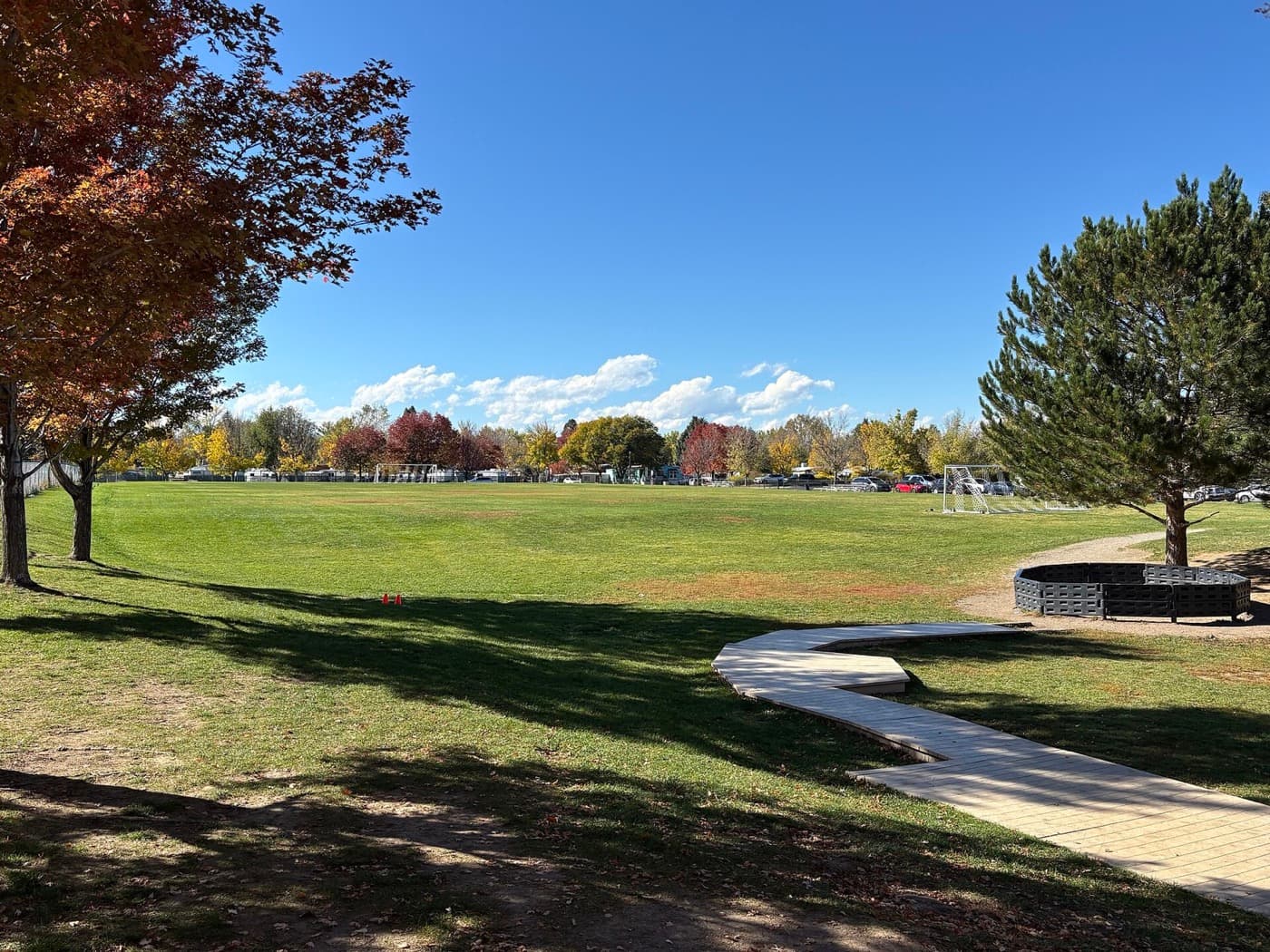
Football
The world’s most popular team sport — endless running, teamwork and community in one game.
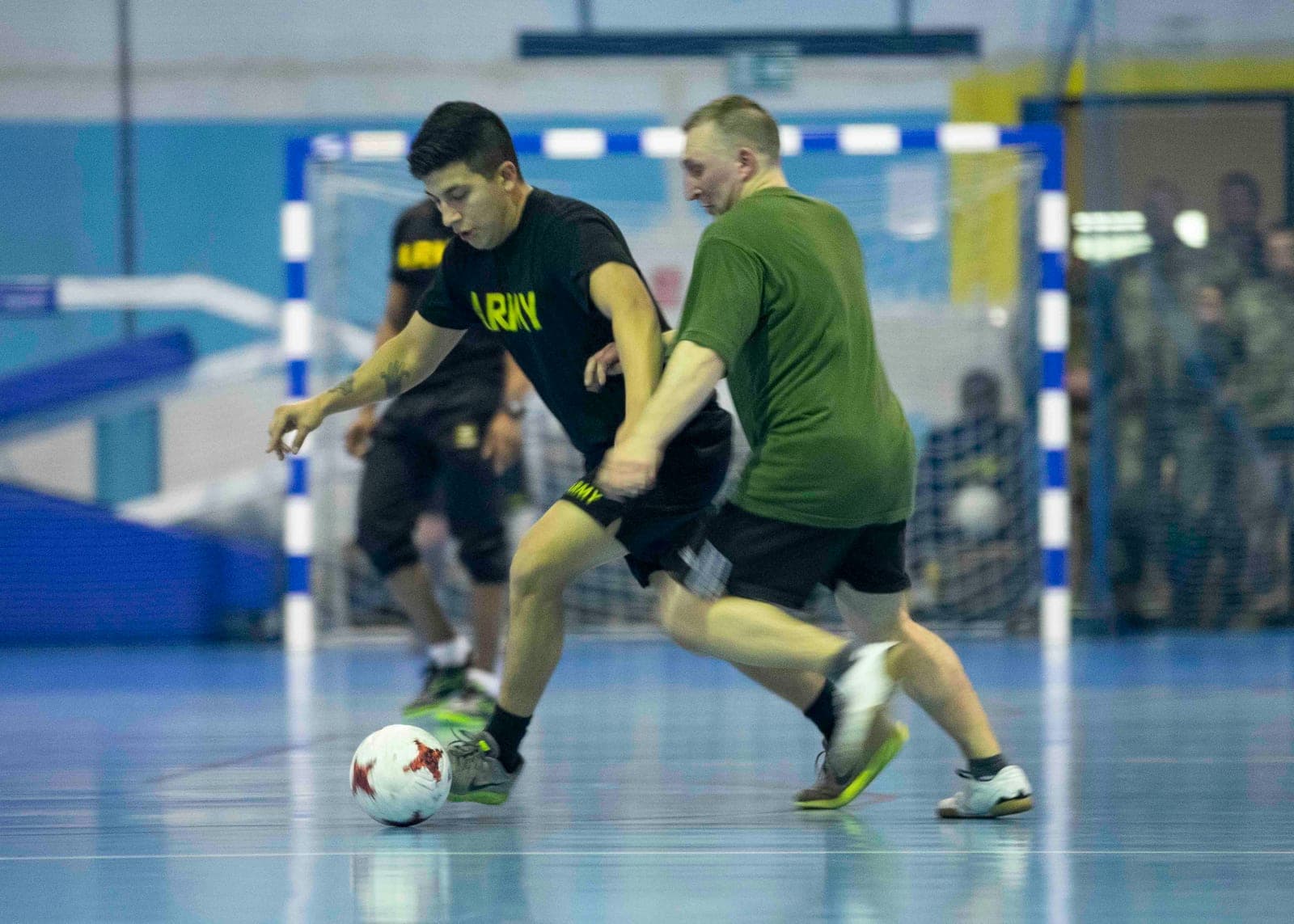
Futsal
A fast, small-sided indoor form of football played on a hard court with a low-bounce ball.
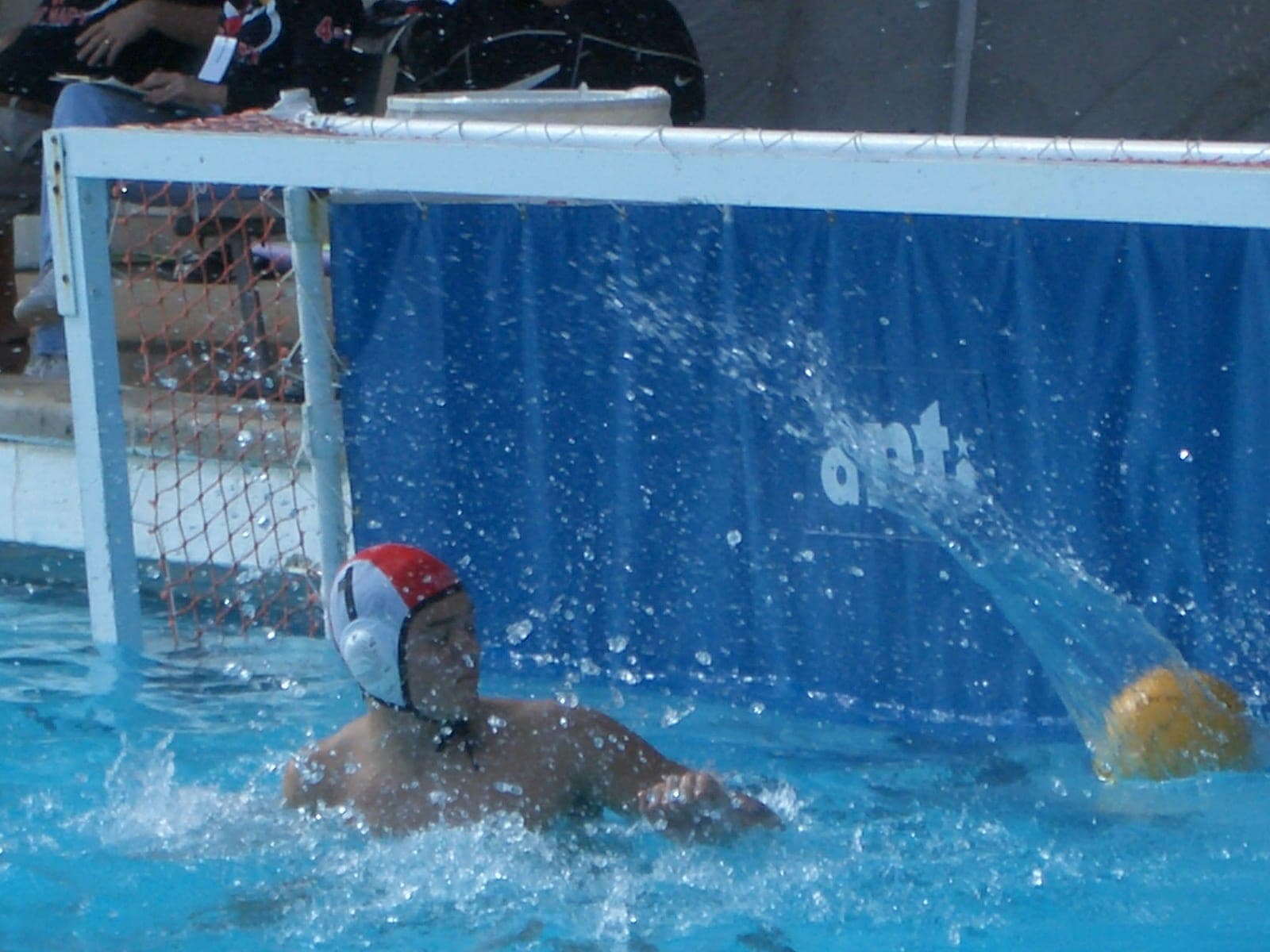
Water Polo
A demanding team sport played in deep water, blending swimming endurance with tactics.
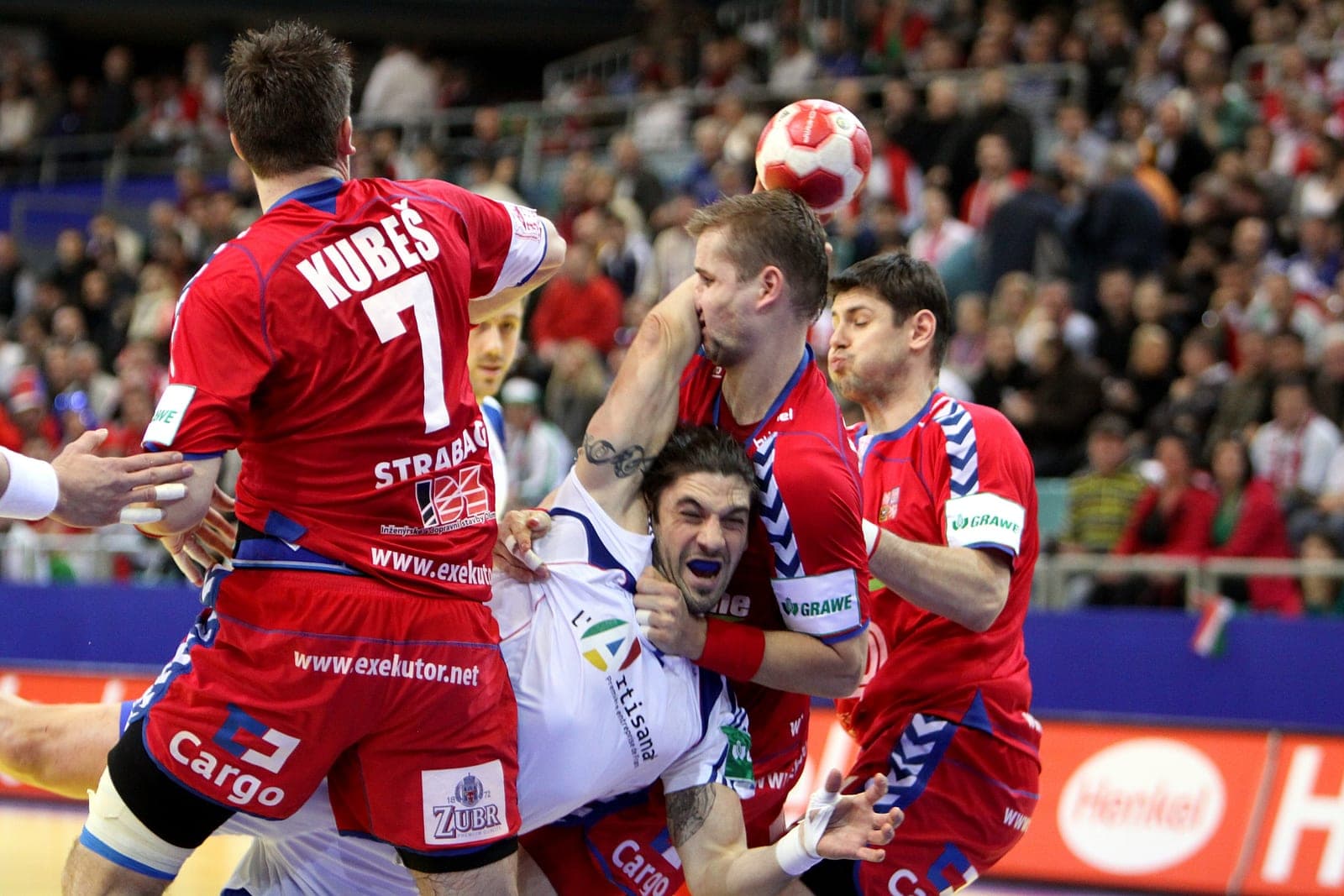
Handball
A fast indoor team sport of passing, jumping and throwing to score with the hands.
Related tactics
High press
A football tactic where a team hunts the ball high up the pitch to win it back close to the opponent’s goal.
Counter-attack
Winning the ball and moving forward at speed to attack before the opponent can reorganise their defence.
Offside trap
A defensive football tactic where the back line steps up together to leave an attacker offside.
How it connects
The meaning-bearing relationships that place Possession play in the wider knowledge graph — each one with the reason it exists.
Frequently learned together
Taught side by side in the same stage of a learning path.
- High pressBoth are taught in the “Understand tactics & strategy” stage of the Football learning path.
- Counter-attackBoth are taught in the “Understand tactics & strategy” stage of the Football learning path.
- Offside trapBoth are taught in the “Understand tactics & strategy” stage of the Football learning path.
- Set-piece playBoth are taught in the “Understand tactics & strategy” stage of the Football learning path.
- Wing playBoth are taught in the “Understand tactics & strategy” stage of the Football learning path.
Explore across the knowledge base
Follow the threads that connect Possession play to the rest of SocialSportHub.
Strategies
- Game managementAdapting how a team or athlete plays to the scoreline and time remaining — protecting a lead, chasing a result or seeing out the closing stages.
- Possession vs Direct PlayThe strategic choice between retaining the ball to build attacks patiently and moving it forward quickly and directly toward the goal.
- Zone vs Man MarkingTwo defensive systems compared: zonal marking guards areas of the field, while man-to-man marking assigns each defender a specific opponent to track.
- Attacking vs Defensive BalanceThe overarching choice a team or athlete makes about how much to commit to creating scoring chances versus avoiding conceding, and when to shift it.
- Controlling TempoControlling tempo is the strategy of dictating the pace and rhythm of play — speeding up or slowing down — to suit your strengths and unsettle opponents.
Player roles
- PlaymakerThe playmaker is a team's creative hub — the player who orchestrates attacks, controls the tempo and distributes the ball so teammates can score.
- AnchorThe anchor is a cross-sport holding role: a steadying, defensive-minded player who shields the back line, screens danger and gives teammates a reliable base.
- Pace-SetterThe player who sets and controls the tempo of play or the rhythm of an endurance effort, dictating how fast the game or race unfolds.
- Ball-winnerA ball-winner is the player tasked with regaining possession through pressing, tackling and interceptions — a team's tireless defensive workhorse.
Techniques
- Inside-of-the-Foot PassThe most reliable short pass in football, played with the inside surface of the foot for accuracy over a short to medium distance.
- Volleyball DigA defensive contact that keeps a hard-driven ball in play by passing it up off the forearms, usually from a low position.
- Table tennis serve techniqueHow to serve legally and still create an advantage — generating spin within the rules, keeping the ball short, and why disguise must come from contact rather than concealment.
- Cycling CadenceThe technique of pedalling at a smooth, steady rhythm and choosing a gear that keeps the legs turning efficiently.
Learning paths
- Learn FootballA structured, educational learning path for football — from the rules to skills, techniques, tactics and training.
- Learn FutsalA structured, educational learning path for futsal — from the rules to skills, techniques, tactics and training.
- Learn HandballA structured, educational learning path for handball — from the rules to skills, techniques, tactics and training.
- Learn Water PoloA structured, educational learning path for water polo — from the rules to skills, techniques, tactics and training.
Decision making
- Reading spaceSeeing where space is — and is not — on the field or court, and using it to decide where to move, pass or play.
- Option recognitionSeeing what actions are actually available in a moment — the passes, shots or moves on offer — before choosing between them.
- Pass selectionChoosing which pass to play, and to whom, from the options a moment offers — weighing space, risk and what the team is trying to do.
- When to keep possessionJudging when to hold and recycle the ball rather than force a forward option — choosing patience and control over immediate progress.
- Situational awarenessHolding an overall picture of what is happening around you — teammates, opponents, ball, space and the state of the game — and keeping it updated as play unfolds.
Go deeper with Possession play
Everywhere else on the platform that covers Possession play — assembled from what actually references it, so nothing here is a dead end.
Learn it
Structured courses and paths on the platform that cover this directly.
- Football courseTeaches Possession play in its “Understand tactics & strategy” stage.
- Futsal courseTeaches Possession play in its “Understand tactics & strategy” stage.
- Handball courseTeaches Possession play in its “Understand tactics & strategy” stage.
- Water Polo courseTeaches Possession play in its “Understand tactics & strategy” stage.
How this page is maintained
- Content type
- Tactic
- Provenance
- Tier A — evergreen educational
- Verified external sources
- 0
- Content updated
- 2026-09-12
Evergreen, first-party explanation — it makes no claim that needs an external source. How we handle sources and reviews.