
Signalling availability
Showing a teammate you are open and ready to receive — often through movement, body position or a gesture rather than a shout.
Overview
Signalling availability is the quieter cousin of calling for the ball: making it clear you are an option without necessarily saying a word. A run into space, an open body position, eye contact or a raised hand can all tell the player on the ball that you are ready — sometimes when a shout would give the move away or simply be lost in the noise.
It works because a passer is constantly reading teammates for cues, and a visible signal can be picked up quickly in the right moment. What the signal looks like tends to vary by sport, position and team habit, and it is usually combined with verbal calls rather than replacing them. Like any cue, it offers information for a decision — it does not force the pass or guarantee it arrives.
How it works
- It is showing you are open and ready to receive, often through movement, positioning or a gesture rather than a shout.
- A visible cue — a run, an open stance, a raised hand, eye contact — can be read quickly and without alerting opponents.
- It gives the player on the ball an option to read, and often works alongside a verbal call rather than instead of it.
- The best signal tends to be honest and timely: showing for the ball when you can genuinely receive it.
- What the signal looks like varies by sport, position and team, and is learned by playing together.
In practice
- In football, making a run into space is itself a signal — the movement shows you are available before any word is spoken.
- In basketball, a target hand or a hard cut can tell the ball-handler you want it here and now.
- In racket doubles, partners may use subtle pre-point gestures to show intent, so availability blends into signalling that varies by sport and pairing.
Educational — and it varies
Where it shows up
Sports where this communication is especially visible — each with a clear guide.
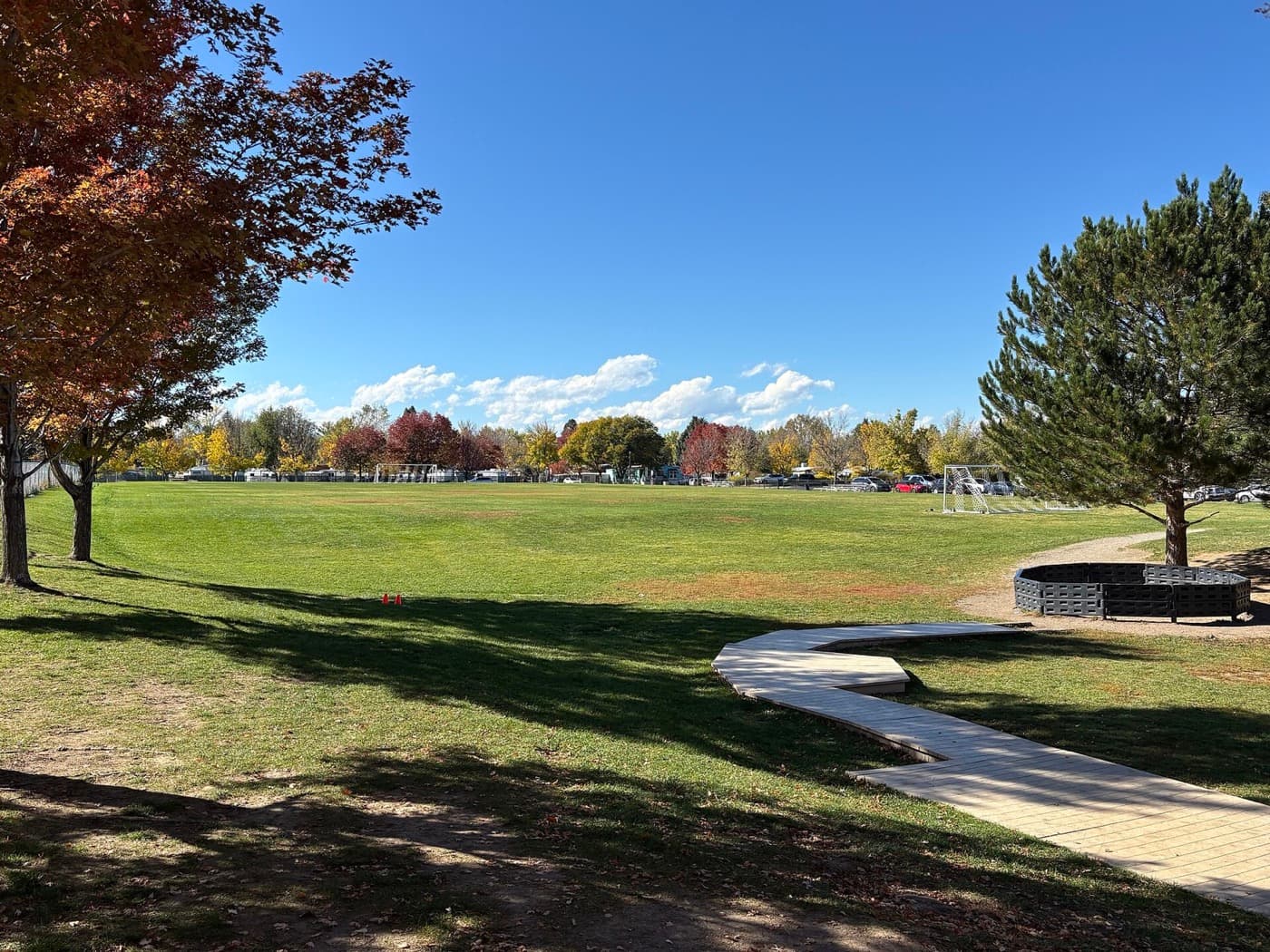
Football
The world’s most popular team sport — endless running, teamwork and community in one game.
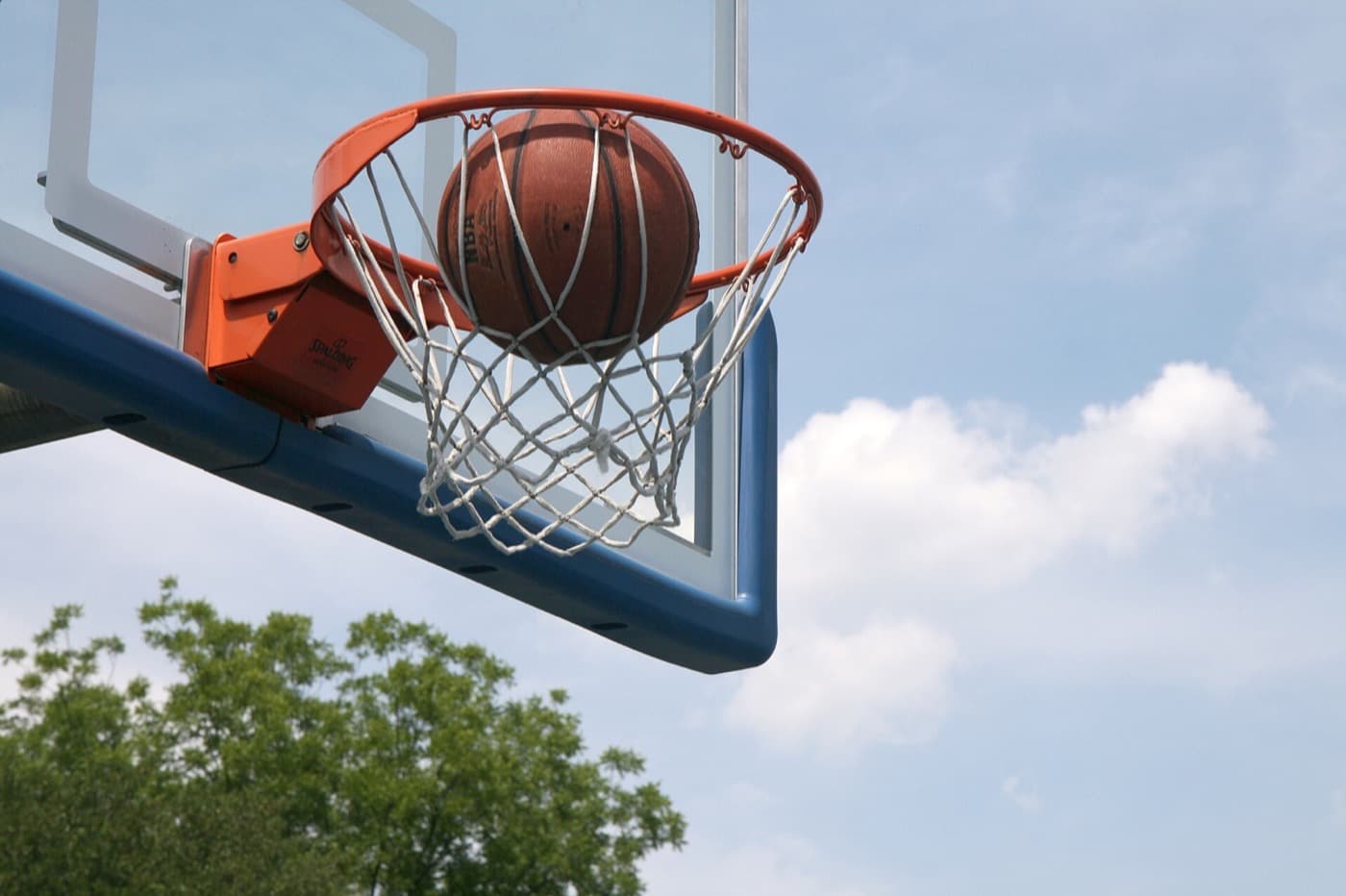
Basketball
A fast, dynamic team sport of running, jumping and quick decisions on court.
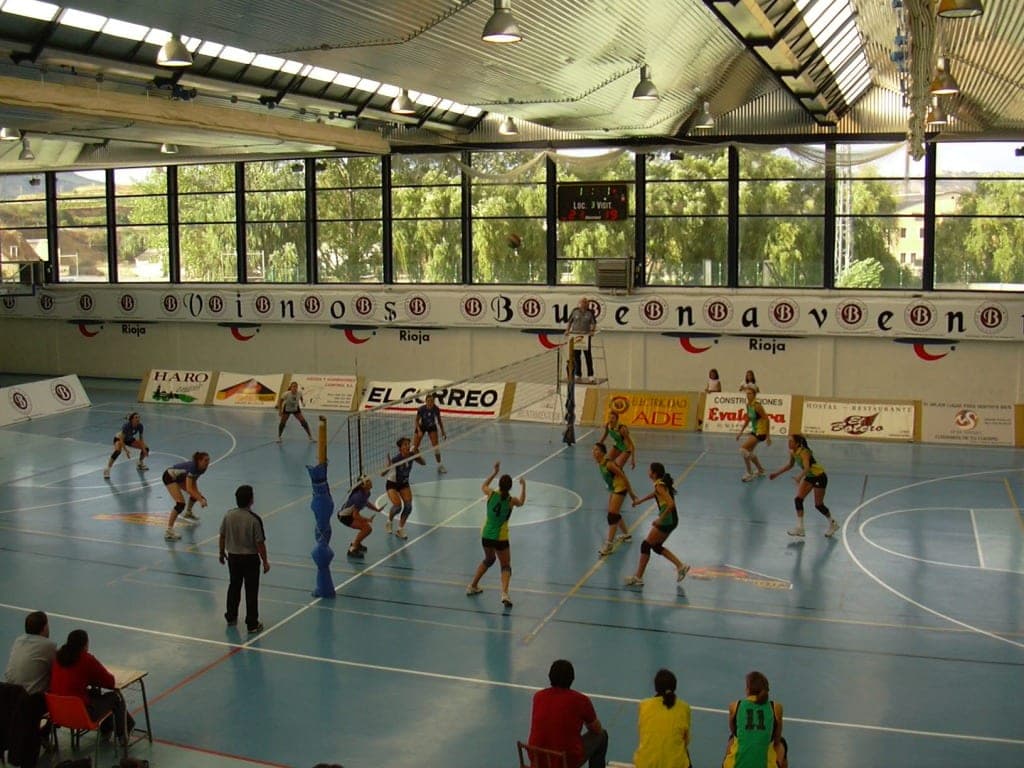
Volleyball
A non-contact team sport of rallies, jumps and teamwork — indoors or on the beach.
Frequently asked questions
How is signalling availability different from calling for the ball?
Calling for the ball tends to be verbal — a spoken request — while signalling availability is often shown through movement, body position or a gesture. The two usually work together, and which one a player leans on depends on the sport, the noise, and whether a shout would give the move away.
Explore across the knowledge base
Follow the threads that connect Signalling availability to the rest of SocialSportHub.
Decision making
- Reading spaceSeeing where space is — and is not — on the field or court, and using it to decide where to move, pass or play.
- Positioning choicesDeciding where to place yourself — often before the ball arrives — to cover space, stay ready to act and shape what an opponent can do.
- Pass selectionChoosing which pass to play, and to whom, from the options a moment offers — weighing space, risk and what the team is trying to do.
- Shot selectionChoosing which shot to play from the options available — weighing the situation, the risk and what you are trying to achieve.
Skills
- PassingThe skill of moving the ball to a teammate accurately to keep possession and create chances.
- Ball controlThe skill of receiving and settling the ball quickly so it is ready to use.
- HeadingThe skill of directing the ball with the head to pass, clear or attempt to score.
- SettingThe volleyball skill of accurately placing the ball for a teammate to attack.
Knowledge Atlas
Techniques
- Volleyball SetAn overhead pass using the fingertips of both hands to place the ball accurately for a teammate to attack.
- Movement and recovery in tennisWhy tennis footwork is mostly about getting back rather than getting there — the split step, the recovery position that is not the centre of the court, and sliding on clay.
- Seam bowlingMovement off the pitch rather than through the air — how landing the ball on its seam deviates it at the bounce, and why seam and swing are different skills that look alike.
- Chest PassA two-handed pass thrown directly from chest height in a straight line to a teammate, the most basic pass in basketball and netball.
- The cricket driveCricket's foundational attacking stroke, played straight down the ground or through the off side — the cover, straight and on drive, and the length that makes each one available.
Practice & sessions
- Open-play sessionA turn-up-and-play session of informal, often social games — less structured than practice, focused on playing rather than drilling.
- Recovery sessionA deliberately easy session — gentle movement to help the body feel better and adapt, rather than to push hard.
- Tactical sessionA session built around tactics — how you use space, position and patterns of play, rather than the mechanics of a shot.
How this page is maintained
- Content type
- Communication concept
- Provenance
- Tier A — evergreen educational
- Verified external sources
- 0
- Content updated
- 2026-07-12
Evergreen, first-party explanation — it makes no claim that needs an external source. How we handle sources and reviews.